Perennials are the backbone of many gardens. Unlike annuals, which live for just one growing season, perennials return year after year, rewarding gardeners with color, texture, and reliability.
But to keep them vigorous and beautiful, seasonal maintenance is essential. One of the most important tasks in the gardening calendar is cutting back perennials at the right time.
September, the transitional month between summer’s abundance and autumn’s cool maturity, is a pivotal moment.
Some plants benefit greatly from being trimmed in September, while others suffer if pruned too early.
Knowing which is which can mean the difference between healthier plants next spring – or disappointing growth.
Why Cut Back Perennials in September?
September pruning is not just about tidiness. It serves multiple practical purposes:
1. Disease Prevention
Spent foliage can harbor pests and fungal spores over winter. Cutting back susceptible plants helps prevent re-infection the following year.
2. Improved Airflow
Trimming away decaying growth improves airflow around crowns and roots, reducing the risk of rot.
3. Directing Energy
By removing fading stems and seed heads, you help perennials redirect stored energy into their roots for winter survival.
4. Garden Aesthetics
Some perennials, once their blooms fade, look messy or collapse onto neighboring plants. Cutting them back restores neatness to your beds.
5. Wildlife and Pollinator Balance
Not all plants should be cut back in September – seed heads, for example, can provide food for birds and shelter for insects. Selective pruning is the key.
General Rules for Cutting Back in September
Before diving into specific plants, keep these guiding principles in mind:
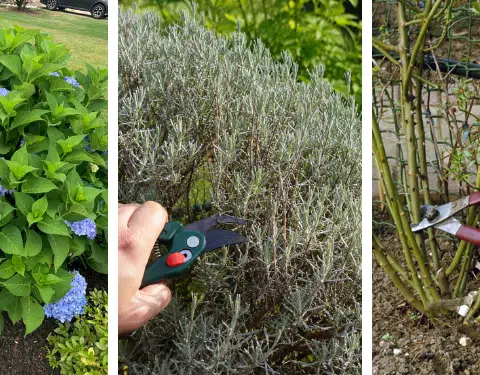
- Use clean, sharp pruners. Dirty blades spread disease.
- Cut at the base. For most perennials, trim stems to 2–3 inches above the crown.
- Leave some structure. If in doubt, leave seed heads or stems until spring for wildlife.
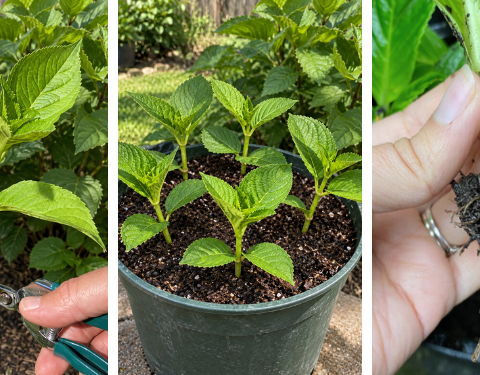
- Divide and replant. September is also a good month to divide crowded clumps of perennials after pruning.
- Water well after cutting back. Plants need hydration to prepare for dormancy.
Perennials You Should Cut Back in September
Here’s a detailed breakdown of plants that thrive when cut back this month.
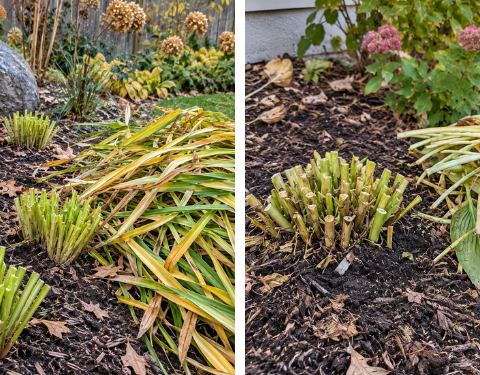
1. Daylilies (Hemerocallis)
Why Cut Back in September: Daylilies bloom beautifully in summer, but by September their foliage often collapses, yellows, and harbors slugs and fungal spores. Trimming restores tidiness and protects crowns.
How to Cut:
- Cut foliage down to 2–3 inches above the soil.
- Use sharp, disinfected shears.
- Remove all yellow or brown leaves.
- Bag diseased foliage; don’t compost.
Aftercare:
- Spread a 2-inch layer of compost around the base.
- Mulch with shredded leaves to insulate roots.
- Water thoroughly after pruning.
Growing Tips:
- Sunlight: Full sun (6+ hours).
- Soil: Loamy, well-drained but moisture-retentive.
- Division: Every 4–5 years in early fall or spring.
- Propagation: Divide clumps or collect seeds from pods.
2. Bee Balm (Monarda)
Why Cut Back in September: Bee balm often develops powdery mildew in late summer. Trimming keeps spores from overwintering.
How to Cut:
- Trim stems down to 3–4 inches above the crown.
- Dispose of infected foliage in the trash.
- Space plants properly to improve air circulation.
Aftercare:
- Mulch lightly with shredded bark.
- Thin clumps every 2–3 years.
Growing Tips:
- Light: Full sun to part shade.
- Soil: Moist, rich, well-drained.
- Propagation: Divide roots in spring/fall.
- Pollinator value: Loved by bees, butterflies, and hummingbirds.
3. Phlox (Phlox paniculata)
Why Cut Back: Tall garden phlox is beautiful in summer but highly mildew-prone.
How to Cut:
- Cut stems to 2–3 inches above soil.
- Destroy any diseased leaves.
Aftercare:
- Add compost mulch.
- Water deeply to encourage strong roots.
Growing Tips:
- Light: Full sun.
- Soil: Moist, fertile, well-draining.
- Division: Every 3–4 years.
- Deadheading: Extends bloom season.
4. Hostas
Why Cut Back: Hosta foliage becomes slug-damaged and soggy by September, attracting pests.
How to Cut:
- Cut leaves down to the crown.
- Remove all debris from the soil surface.
Aftercare:
- Mulch lightly, keeping mulch away from crowns.
- Apply slug deterrents if needed (diatomaceous earth, crushed eggshells).
Growing Tips:
- Light: Shade to part shade.
- Soil: Rich, moisture-retentive.
- Division: Every 4–5 years in spring.
- Water: Deep watering prevents drought stress.
5. Irises (Bearded Iris)
Why Cut Back: Irises are prone to leaf spot and borer problems.
How to Cut:
- Trim fans to 6 inches in a neat V-shape.
- Remove spotted or mushy leaves.
- Check rhizomes for rot.
Aftercare:
- Apply thin mulch or sand for drainage.
- Avoid burying rhizomes.
Growing Tips:
- Light: Full sun.
- Soil: Sharp-draining, never waterlogged.
- Division: Every 3–4 years (late summer).
- Propagation: Divide rhizomes.
6. Peonies (Paeonia)
Why Cut Back: Peonies are highly susceptible to botrytis blight.
How to Cut:
- Cut stems to ground level after yellowing.
- Burn or trash foliage (don’t compost).
Aftercare:
- Mulch crowns lightly.
- Avoid fertilizing until spring.
Growing Tips:
- Light: Full sun.
- Soil: Fertile, well-drained.
- Longevity: Rarely needs division (can live 50+ years).
- Support: Stake tall varieties in spring.
7. Catmint (Nepeta)
Why Cut Back: After a long bloom, catmint flops and reseeds aggressively.
How to Cut:
- Cut to 2–3 inches above the crown.
- Remove all seed heads.
Aftercare:
- Apply compost mulch.
- Water to encourage basal rosettes.
Growing Tips:
- Light: Full sun.
- Soil: Well-drained, average fertility.
- Propagation: Divide every 3–4 years.
- Wildlife: Attracts bees; cats love foliage.
8. Columbine (Aquilegia)
Why Cut Back: Columbine often suffers leaf miner damage by late summer.
How to Cut:
- Cut foliage down to 2–3 inches.
- Discard mined leaves.
Aftercare:
- Water to encourage fresh basal leaves.
- Mulch lightly.
Growing Tips:
- Light: Partial shade (tolerates sun in cool climates).
- Soil: Moist, well-drained.
- Propagation: Reseeds freely; divide clumps in spring.
- Pest note: Rotate planting to avoid leaf miner buildup.
9. Veronica (Speedwell)
Why Cut Back: Prone to mildew and reseeding.
How to Cut:
- Cut to 2 inches above soil.
- Remove all faded flower spikes.
Aftercare:
- Add compost around crowns.
- Water deeply.
Growing Tips:
- Light: Full sun.
- Soil: Well-drained.
- Division: Every 3 years.
- Deadheading: Extends bloom season.
10. Crocosmia
Why Cut Back: Leaves flop and smother nearby plants.
How to Cut:
- Cut to 2 inches above soil once leaves yellow.
- Remove spent flower stalks.
Aftercare:
- Apply mulch in colder zones.
- Divide crowded clumps every 3–4 years.
Growing Tips:
- Light: Full sun.
- Soil: Fertile, well-drained.
- Winter: Mulch in zones below 6.
Perennials You Shouldn’t Cut Back in September
These plants should be left standing through fall and winter. They protect their crowns, provide food for wildlife, or simply look beautiful in snow.
1. Coneflowers (Echinacea)
- Why Leave: Seed heads feed finches; stems add winter structure.
- When to Cut: Late winter/early spring.
- Growing Tips: Full sun, drought-tolerant, divide every 3–5 years.
2. Black-Eyed Susans (Rudbeckia)
- Why Leave: Seeds support birds; stems shelter pollinators.
- When to Cut: Spring.
- Growing Tips: Tough, low-maintenance, sun-loving.
3. Sedum (‘Autumn Joy’)
- Why Leave: Fall bloom peaks in September, seed heads look good in frost.
- When to Cut: Spring.
- Growing Tips: Full sun, lean soil, drought tolerant.
4. Ornamental Grasses
- Why Leave: Stunning winter form, food for wildlife, crown insulation.
- When to Cut: Late winter.
- Growing Tips: Sun, average soil, cut to 3–6 inches in February/March.
5. Lavender (Lavandula)
- Why Leave: Deep fall pruning risks dieback.
- When to Cut: Light trim in summer, major pruning in spring.
- Growing Tips: Sun, sandy soil, avoid mulch.
6. Russian Sage (Perovskia)
- Why Leave: Still blooms into September, woody stems insulate crowns.
- When to Cut: Spring.
- Growing Tips: Full sun, drought-tolerant, airy growth habit.
7. Chrysanthemums (Mums)
- Why Leave: Foliage insulates crowns in winter.
- When to Cut: Spring.
- Growing Tips: Full sun, pinch stems in early summer for bushier growth.
8. Hellebores
- Why Leave: Buds form in fall for late-winter blooms.
- When to Cut: Early spring, just before blooming.
- Growing Tips: Shade-loving, evergreen, deer-resistant.
9. Evergreen Perennials (Bergenia, Dianthus, Creeping Phlox)
- Why Leave: Maintain foliage year-round.
- When to Cut: Spring cleanup only.
- Growing Tips: Vary by species but generally thrive in well-drained soil and sun.
Common Mistakes Gardeners Make in September Pruning
Cutting back too aggressively – Not all perennials should be sheared to the ground. Some prefer partial trimming.
Ignoring plant health – Diseased foliage should always be removed, even if the plant is usually left standing.
Composting diseased material – This spreads problems like powdery mildew, rust, and leaf spot. Bag and trash infected cuttings.
Forgetting wildlife – Some seed heads and hollow stems provide vital winter habitat for pollinators and birds.
Pruning during drought – Plants under stress need foliage for photosynthesis. Water deeply before and after cutting back.
How to Decide: Cut Back or Not?
Ask these three questions:
- Is the plant diseased? → Cut it back.
- Does it provide winter interest or wildlife value? → Leave it standing.
- Will pruning encourage healthier spring growth? → Consider cutting.
When in doubt, prune selectively – remove diseased parts but leave healthy structure for winter.
Extra September Garden Tips for Perennials
- Divide perennials after cutting back. September is the ideal month to lift and divide overcrowded clumps of daylilies, hostas, or irises.
- Apply mulch. A 2-inch layer of shredded leaves or compost insulates roots.
- Plant spring bulbs. After pruning back, gaps in beds are perfect for adding tulips, daffodils, and crocus.
- Label plants. Once stems are cut down, it’s easy to forget where perennials are planted. Use garden markers.
Cutting back perennials in September is one of the most effective ways to prepare your garden for winter and ensure vigorous regrowth next spring.
But the key is knowing which perennials benefit from pruning now – and which should be left until later.
The best gardens don’t just brighten your yard – they become something you can enjoy season after season.
If you’re ready to grow your own backyard pharmacy, the Medicinal Garden Kit is a wonderful place to begin.
Inside you’ll find 2,409 non-GMO seeds, a detailed Herbal Medicinal Guide, and 2 FREE bonuses to help you grow a wide variety of traditional medicinal herbs with confidence.
Take a look at the Medicinal Garden Kit and start growing something truly rewarding.