Spring is when gardens come back to life—buds open, color explodes, and the earth begins to awaken after its winter slumber.
Planting the right spring flowers ensures your landscape bursts into bloom with vibrant hues, sweet fragrances, and lush textures that carry your garden from early spring into summer.
Whether you’re looking to plant bulbs that bloom in early March or colorful annuals and perennials that thrive into late spring, this guide covers everything you need to grow a stunning, long-lasting spring flower display.
Here are 15 of the best spring flowers to grow, including how, when, and where to plant them for maximum success.
1. Tulips (Tulipa spp.)
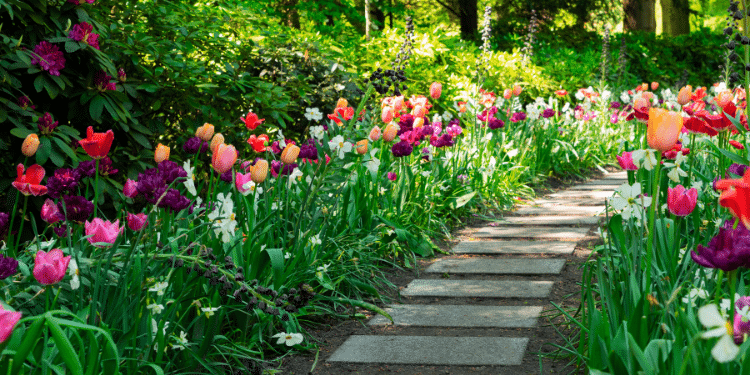
Zones: 3–8
Bloom Time: Early to mid-spring
Light: Full sun
Soil: Well-drained, moderately fertile
Tulips are the stars of spring gardens, offering bold colors and classic shapes in virtually every shade. From stately Darwin hybrids to ruffled parrot tulips, there’s a tulip for every garden style.
Planting Tip: Plant bulbs 6–8 inches deep in fall and mulch over winter to protect them from freeze-thaw cycles.
2. Daffodils (Narcissus spp.)
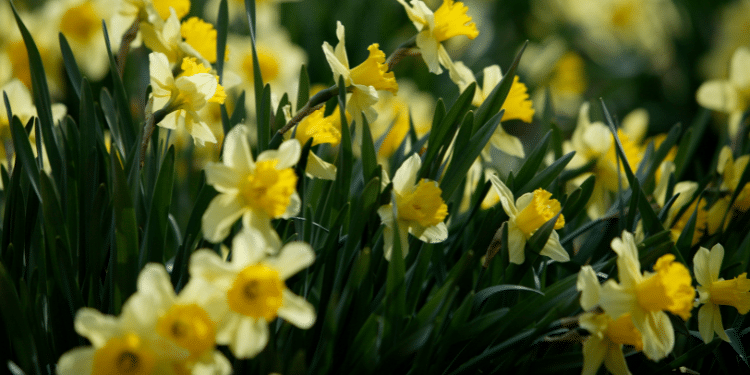
Zones: 3–9
Bloom Time: Early to mid-spring
Light: Full sun to partial shade
Soil: Well-drained, humus-rich soil
Daffodils are hardy and low-maintenance, naturalizing beautifully in garden beds or beneath deciduous trees. Their bright yellow and white blooms signal the start of spring and deter deer and rodents.
Bonus: Daffodils multiply easily, giving you more blooms each year.
3. Hyacinths (Hyacinthus orientalis)
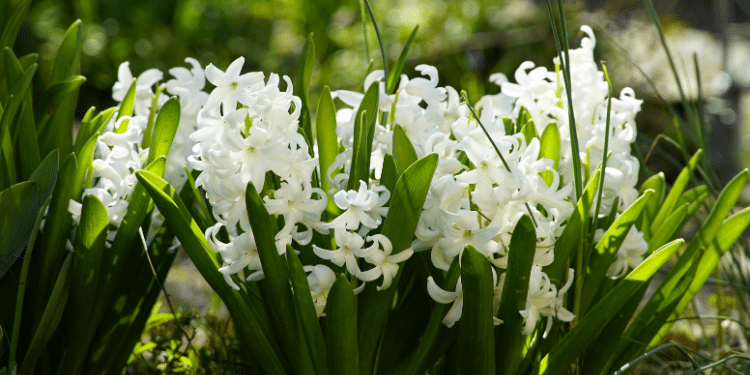
Zones: 4–8
Bloom Time: Early spring
Light: Full sun to partial shade
Soil: Fertile, well-draining soil
Hyacinths offer rich fragrance and tightly packed flower spikes in pastel and jewel tones. They make great border plants and are fantastic in containers.
Pro Tip: Handle bulbs with gloves—some people develop skin irritation from the bulb’s protective coating.
4. Crocus (Crocus spp.)
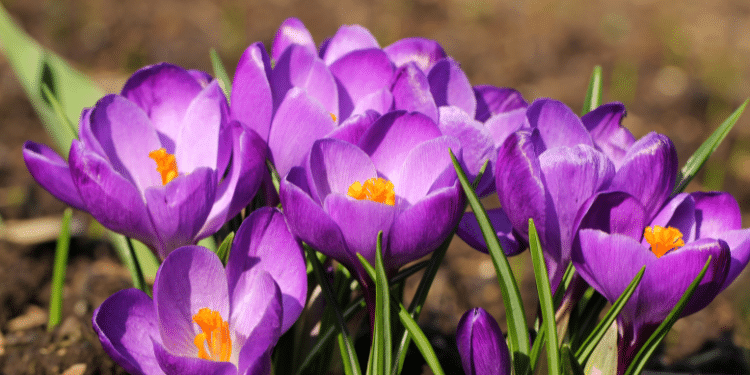
Zones: 3–8
Bloom Time: Late winter to early spring
Light: Full sun
Soil: Well-draining, sandy or loamy soil
Often the first bloomers of the season, crocuses push through snow to brighten lawns and beds with purple, yellow, or white flowers.
Planting Tip: Plant crocus corms in groups of 10 or more for an impressive drift of color.
5. Pansies (Viola × wittrockiana)
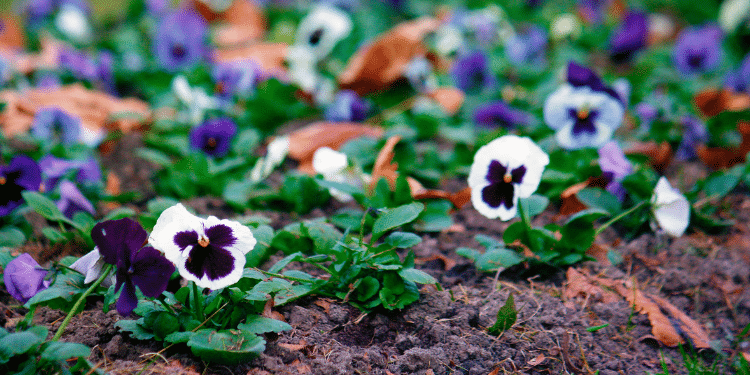
Zones: 6–10 (annual in colder zones)
Bloom Time: Early spring to early summer
Light: Full sun to partial shade
Soil: Moist, fertile, well-drained
With their charming “faces” and wide color range, pansies bring personality and cheer to spring containers and garden edges. They’re also edible and make lovely garnishes.
Pro Tip: Deadhead faded flowers to encourage continuous blooming.
6. Grape Hyacinths (Muscari spp.)
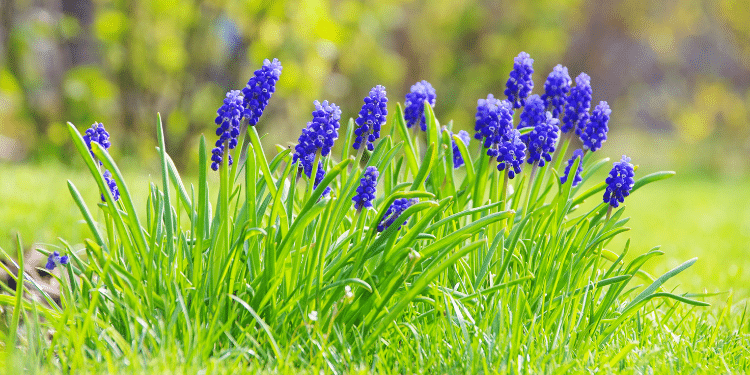
Zones: 3–9
Bloom Time: Early to mid-spring
Light: Full sun to part shade
Soil: Well-drained
These compact, blue-violet flower spikes resemble grapes and look stunning planted in mass. They naturalize well and pair beautifully with daffodils or tulips.
Bonus: Grape hyacinths are deer-resistant and attract early pollinators.
7. Primrose (Primula spp.)
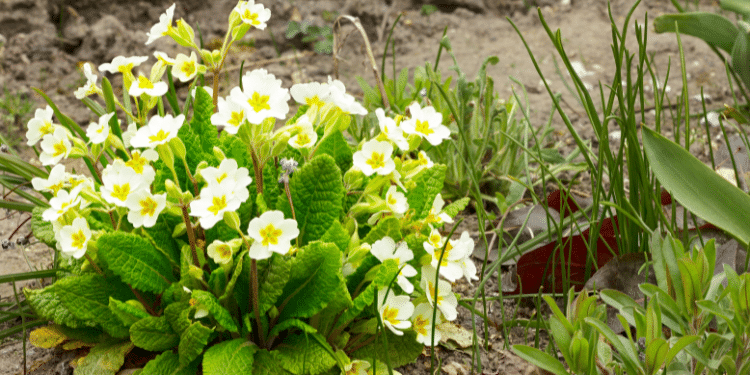
Zones: 3–8
Bloom Time: Early to mid-spring
Light: Partial shade
Soil: Rich, moist, well-drained soil
Primroses add a splash of color to shady gardens and container displays. Available in a wide variety of bright shades, they are among the first perennials to bloom.
Great for: Woodland gardens, borders, and spring containers.
8. Bleeding Heart (Dicentra spectabilis)
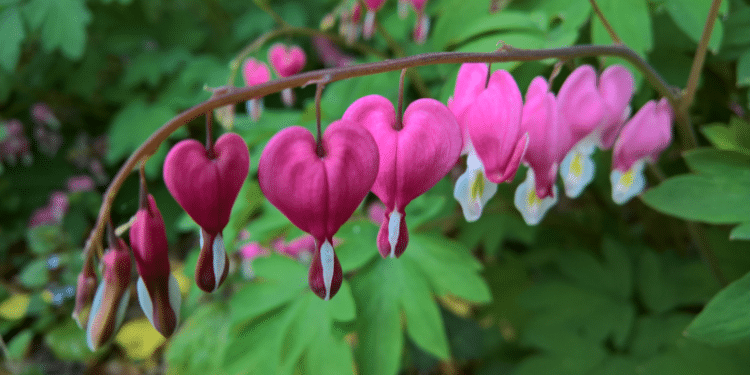
Zones: 3–9
Bloom Time: Mid-spring
Light: Partial to full shade
Soil: Rich, moist soil
This elegant plant produces rows of heart-shaped pink or white flowers that dangle from arching stems. It’s a favorite for shaded areas and woodland borders.
Tip: Bleeding hearts go dormant in summer, so plant with ferns or hostas to fill the gap.
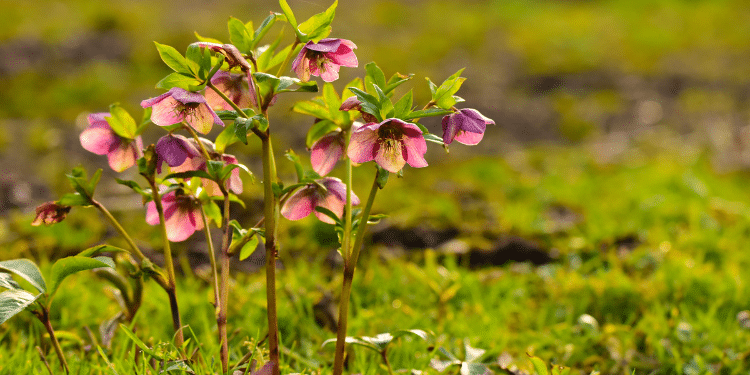
9. Hellebores (Helleborus spp.)
Zones: 4–9
Bloom Time: Late winter to early spring
Light: Shade to partial sun
Soil: Moist, well-drained
Often blooming while snow is still on the ground, hellebores (also known as Lenten Roses) offer cup-shaped blooms in a palette of purples, greens, pinks, and creams.
Pro Tip: Cut back old leaves in late winter before new blooms appear for a cleaner look.
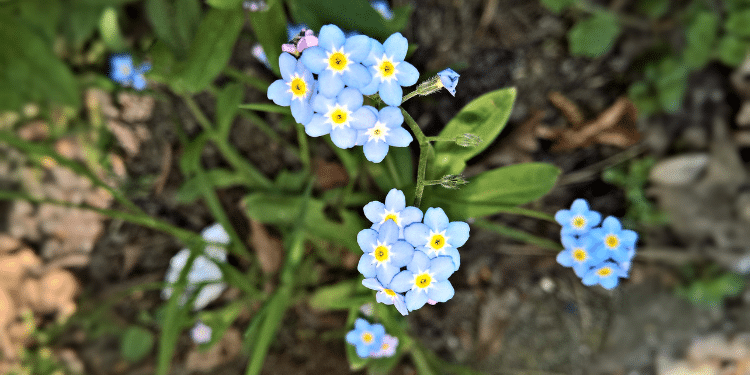
10. Forget-Me-Nots (Myosotis sylvatica)
Zones: 3–9
Bloom Time: Mid-spring to early summer
Light: Partial shade to sun
Soil: Moist, fertile soil
Forget-me-nots create low mats of delicate blue flowers with yellow centers. They’re perfect for naturalized areas, shady borders, or underplanting with taller spring perennials.
Tip: Allow them to self-seed for effortless blooms in future seasons.
11. Anemones (Anemone blanda, A. coronaria)

Zones: 4–9
Bloom Time: Mid to late spring
Light: Full sun to part shade
Soil: Loose, well-drained
Anemones offer soft, daisy-like flowers in bold shades of purple, pink, white, and red. These low-growing blooms look spectacular en masse or under shrubs and trees.
Tip: Soak tubers before planting to improve germination rates.
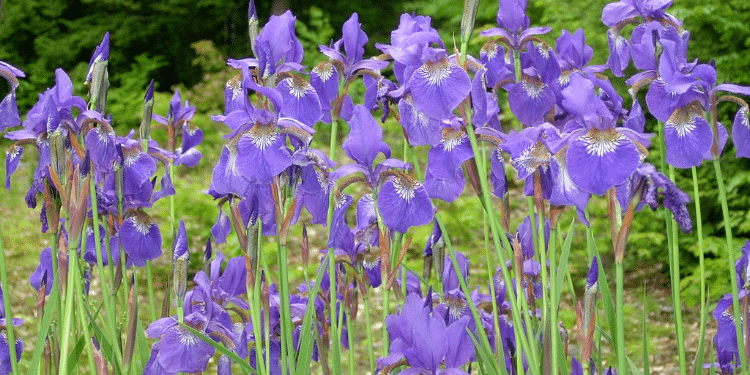
12. Iris (Iris germanica)
Zones: 3–10
Bloom Time: Mid to late spring
Light: Full sun
Soil: Well-draining, slightly acidic to neutral soil
Bearded irises are dramatic and architectural, with large, ruffled flowers in nearly every color imaginable. They’re deer-resistant and thrive in full sun gardens.
Tip: Divide rhizomes every 3–4 years for continued vigor and bloom.
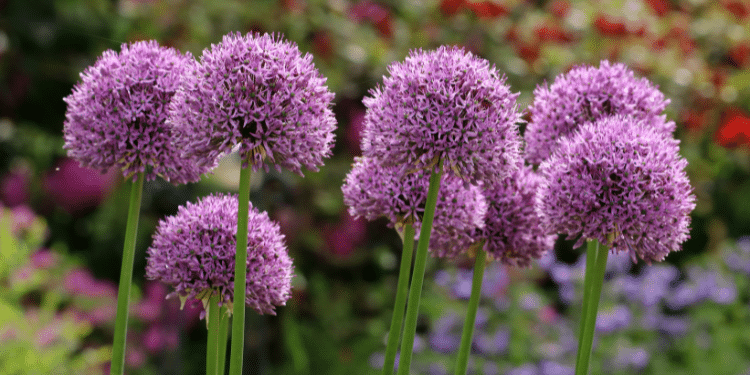
13. Alliums (Allium spp.)
Zones: 4–9
Bloom Time: Late spring to early summer
Light: Full sun
Soil: Well-drained
Known for their large, globe-like blooms atop tall stems, alliums add a modern, striking element to spring flower beds. They come in purple, pink, and white.
Bonus: Alliums are loved by pollinators but avoided by deer and rodents.
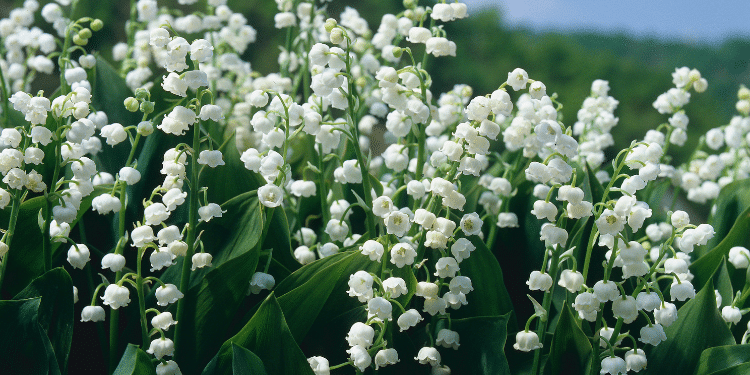
14. Lily of the Valley (Convallaria majalis)
Zones: 3–8
Bloom Time: Mid-spring
Light: Shade to part sun
Soil: Moist, humus-rich
This fragrant, bell-shaped white flower spreads as a ground cover and thrives in shady garden corners. Though small, its perfume is unforgettable.
Caution: All parts of the plant are toxic if ingested—keep away from pets and children.
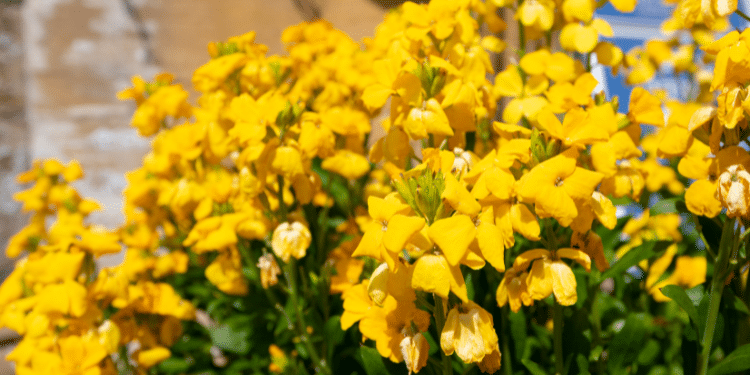
15. Wallflowers (Erysimum spp.)
Zones: 6–9
Bloom Time: Mid to late spring
Light: Full sun
Soil: Dry to average, well-drained
Wallflowers offer warm orange, yellow, purple, and red blooms that thrive in poor soil. Their tall stems and sweet scent make them ideal for cut flower arrangements and pollinator gardens.
Great for: Sunny rock gardens, edges, or mixed spring borders.
Tips for Growing a Stunning Spring Flower Garden
To get the most out of your spring blooms, consider these expert tips:
1. Layer Your Plantings (Succession Blooming)
Choose early-, mid-, and late-spring bloomers to extend the flower season for as long as possible. For example, start with crocuses, follow with tulips, and finish with bleeding hearts or forget-me-nots.
2. Start with Healthy Soil
Use compost-rich, well-draining soil. Adding organic matter improves soil structure, promotes microbial life, and helps retain moisture for young roots.
3. Deadhead Spent Blooms
Remove faded flowers to encourage more blooms and prevent unwanted self-seeding in some species like pansies or forget-me-nots.
4. Use Raised Beds and Containers
If you’re short on space or dealing with poor soil, raised beds and containers are a great alternative for spring flowers. Mix and match bloomers for portable color displays.
5. Attract Pollinators
Choose nectar-rich flowers like coneflowers, anemones, and hyacinths to invite bees, butterflies, and hummingbirds into your garden.
Best Spring Flowers for Different Garden Types
- For Shade Gardens: Hellebores, primroses, bleeding hearts, forget-me-nots.
- For Sunny Borders: Tulips, daffodils, grape hyacinths, pansies, coreopsis.
- For Containers: Pansies, primroses, dwarf tulips, anemones.
- For Naturalized Meadows: Crocuses, daffodils, forget-me-nots, grape hyacinths.
A well-planned spring garden is a feast for the senses. With just a bit of preparation and the right flower selections, your garden can burst into bloom as early as February and continue glowing with color into early summer.
Whether you favor traditional tulips and daffodils or are looking to explore unique choices like hellebores or wallflowers, the possibilities are endless.
Start planting these 15 best spring flowers, and let nature paint your garden with brilliant color, fragrance, and vitality this season and for years to come.