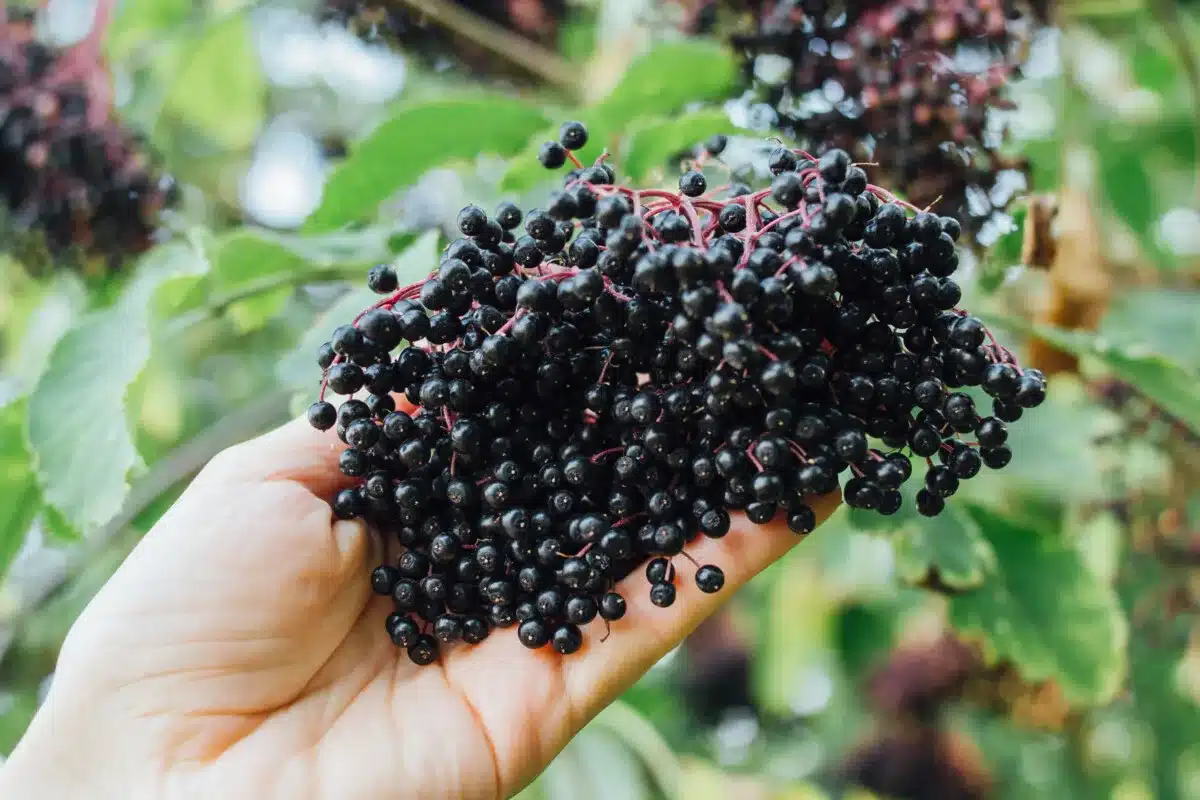
Elderberries (Sambucus nigra) have long been prized for their medicinal properties and versatility in the kitchen.
These small, dark berries are packed with antioxidants, vitamins, and minerals, making them a popular choice for herbal remedies and culinary delights.
In this article, we will explore how to grow elderberries and a few herbal remedies that utilize their powerful benefits.
Growing Elderberries
Choosing the Right Location
Elderberries thrive in well-drained soil with a pH between 5.5 and 6.5. They prefer full sun but can tolerate partial shade.
When selecting a planting site, ensure it receives at least six hours of sunlight per day. Elderberries can grow in various soil types, but they flourish in loamy, fertile soil.
Planting Elderberries
- Timing: Plant elderberries in early spring, after the last frost.
- Spacing: Space plants 6-10 feet apart to allow for proper air circulation and growth.
- Planting Depth: Dig a hole deep enough to cover the roots, ensuring the crown is just above the soil surface.
- Watering: Water thoroughly after planting and keep the soil consistently moist, especially during the first year.
Care and Maintenance
- Watering: Elderberries need regular watering, particularly during dry spells. Ensure the soil remains moist but not waterlogged.
- Fertilizing: Apply a balanced fertilizer in early spring to promote healthy growth. Compost or well-rotted manure can also be used.
- Pruning: Prune elderberries in late winter or early spring to remove dead or diseased wood and encourage new growth. Aim to keep the center of the bush open to improve air circulation.
- Pest and Disease Control: Watch for pests such as aphids and spider mites. Use insecticidal soap or neem oil as needed. Elderberries are generally disease-resistant but can be susceptible to powdery mildew and leaf spot.
Harvesting Elderberries
Elderberries typically ripen in late summer to early fall. Harvest the berries when they are fully darkened and soft to the touch.
Use a pair of scissors or pruning shears to cut the berry clusters from the bush.
Herbal Remedies with Elderberries
Elderberries have been used in traditional medicine for centuries. Here are a few popular herbal remedies that harness their healing properties.
Elderberry Syrup
Elderberry syrup is a popular remedy for colds and flu due to its immune-boosting properties.
Ingredients:
- 1 cup fresh or ½ cup dried elderberries
- 3 cups water
- 1 cup honey
- 1 cinnamon stick (optional)
- 3-4 cloves (optional)
- 1 teaspoon grated ginger (optional)
Instructions:
- In a saucepan, combine the elderberries, water, and optional spices.
- Bring to a boil, then reduce the heat and simmer for 45 minutes to an hour, until the liquid reduces by half.
- Remove from heat and let it cool.
- Strain the mixture through a fine mesh strainer, pressing the berries to extract all the liquid.
- Stir in the honey until well combined.
- Store the syrup in a glass jar in the refrigerator for up to two months.
Dosage: Take 1 tablespoon daily for immune support, or up to 3 tablespoons daily when feeling ill.
Elderberry Tea
Elderberry tea is soothing and can help alleviate cold symptoms and boost immunity.
Ingredients:
- 1 tablespoon dried elderberries
- 1 cup boiling water
- Honey or lemon to taste (optional)
Instructions:
- Place the dried elderberries in a tea infuser or directly in a cup.
- Pour boiling water over the berries and let steep for 10-15 minutes.
- Strain the berries and sweeten with honey or lemon if desired.
Elderberry Tincture
A tincture is a concentrated herbal extract that can be used for various health benefits.
Ingredients:
- 1 cup fresh or ½ cup dried elderberries
- 2 cups vodka or brandy
Instructions:
- Place the elderberries in a glass jar and cover with vodka or brandy.
- Seal the jar tightly and store it in a cool, dark place for 4-6 weeks, shaking it occasionally.
- Strain the mixture through a fine mesh strainer or cheesecloth into a clean glass jar.
- Store the tincture in a dark bottle.
Dosage: Take 1 teaspoon daily for immune support or 1-2 teaspoons during illness.
Conclusion
Elderberries are a versatile and beneficial addition to any garden, offering not only ornamental beauty but also a wealth of health benefits.
By following the steps outlined above, you can successfully grow elderberries and enjoy their numerous herbal remedies.
Whether it’s a soothing tea, a potent syrup, or a concentrated tincture, elderberries provide natural support for your immune system and overall well-being.