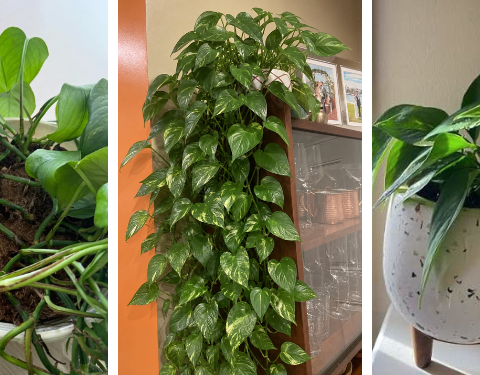
For plant lovers seeking beauty without the stress, few houseplants are as beloved and reliable as the heartleaf philodendron (Philodendron hederaceum).
Often labeled as “nearly indestructible,” this classic indoor plant has earned its reputation as one of the easiest houseplants to grow, even for beginners.
With its elegant, trailing vines and glossy, heart-shaped leaves, the heartleaf philodendron brings lush tropical vibes to homes and offices alike.
And here’s the best part: it’s genuinely harder to kill than to keep alive. It tolerates low light, occasional neglect, and fluctuating conditions that might doom fussier plants.
What Makes Heartleaf Philodendrons So Resilient?
There are many reasons why heartleaf philodendrons remain a top choice for indoor plant enthusiasts:
- Tolerant of low light
- Requires minimal watering
- Grows quickly in a variety of conditions
- Resists many common pests
- Thrives with basic care
- Suitable for hanging baskets, shelves, or trellises
Native to Central and South America’s rainforests, heartleaf philodendrons are naturally adapted to thrive beneath dense tree canopies.
This heritage makes them excellent indoor companions capable of handling less-than-perfect conditions.
Recognizing Heartleaf Philodendrons
Heartleaf philodendrons are easily recognized by:
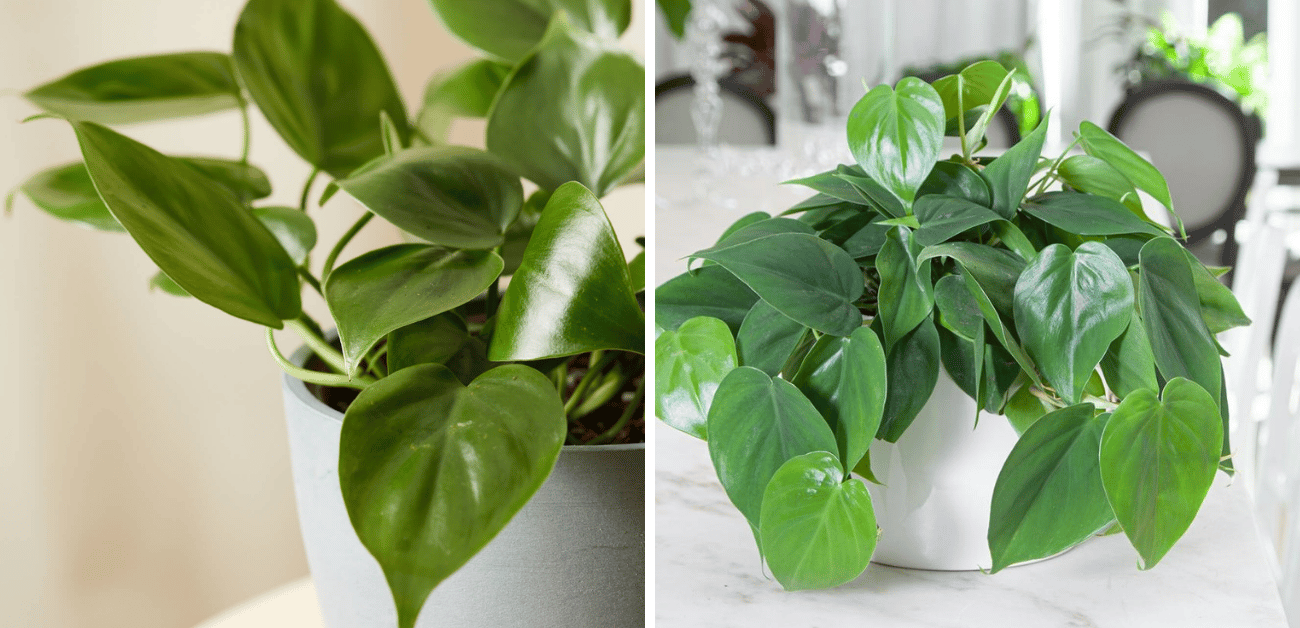
- Leaf shape: Distinctive heart-shaped leaves
- Leaf color: Glossy green, sometimes tinged with bronze in new growth
- Growth habit: Trailing or climbing vines
- Mature size: Vines can reach 4-6 feet indoors, longer if allowed to trail
Some popular cultivars include:
- Philodendron hederaceum ‘Brazil’: Features vibrant lime green and yellow variegation on its leaves.
- Philodendron hederaceum ‘Micans’: Velvet-textured leaves with rich bronze and deep green tones.
Each cultivar offers its own unique charm, but all share similar easy-care traits.
Best Light Conditions
Heartleaf philodendrons are famous for thriving in low-light conditions where other plants struggle. However, they grow more vigorously and develop richer color in medium, indirect light.
- Low light: Survives but grows slowly.
- Bright indirect light: Ideal for robust growth.
- Direct sunlight: Avoid, as it can scorch leaves.
Place heartleaf philodendrons near an east- or north-facing window, or a few feet back from a south- or west-facing window filtered with sheer curtains.
Temperature and Humidity
Heartleaf philodendrons prefer warm, humid conditions, reminiscent of their tropical origins. Ideal temperatures range between 65°F and 80°F (18°C to 27°C).
They tolerate occasional dips to 55°F (13°C) but should be protected from cold drafts or air conditioning blasts.
Average household humidity is usually sufficient, but increased humidity encourages lush, vibrant foliage.
To boost humidity:
- Group plants together.
- Place pots on pebble trays filled with water.
- Use a humidifier during dry winter months.
Watering Heartleaf Philodendrons
One reason heartleaf philodendrons are nearly impossible to kill is their forgiving watering needs. They prefer slightly moist soil but tolerate occasional drought.
Watering tips:
- Water when the top inch of soil feels dry.
- Reduce watering frequency in winter.
- Avoid letting soil stay soggy for prolonged periods.
Overwatering is the most common problem. Yellowing leaves often indicate too much moisture. Conversely, if leaves wilt or curl, the plant may be thirsty.
When in doubt, it’s safer to underwater than overwater a philodendron.
Soil and Potting Mix
Heartleaf philodendrons thrive in well-draining, airy potting soil.
Ideal soil composition includes:
- Peat moss or coco coir for moisture retention.
- Perlite or pumice for drainage.
- Compost for nutrients.
A standard indoor potting mix works well, though aroid-specific mixes can provide even better drainage for philodendrons.
Ensure pots have drainage holes to prevent root rot.
Fertilizing Heartleaf Philodendrons
While heartleaf philodendrons don’t demand heavy feeding, fertilizing helps maintain vigorous growth.
- Fertilize every 4-6 weeks during spring and summer.
- Use a balanced liquid fertilizer diluted to half strength.
- Avoid fertilizing in winter when growth slows.
Excess fertilizer can cause brown leaf tips, so always follow product recommendations and err on the side of caution.
Pruning and Shaping
Regular pruning keeps your philodendron looking full and prevents vines from becoming leggy.
- Prune stems just above a leaf node to encourage branching.
- Remove yellowing or damaged leaves to maintain plant health.
- Vines can be trimmed to desired lengths for hanging baskets or trailing shelves.
Pruned stems can also be propagated to create new plants—a perfect way to share philodendrons with friends.
Propagating Heartleaf Philodendrons
Heartleaf philodendrons are remarkably easy to propagate. The most common method is stem cuttings.
Steps for propagation:
- Select a healthy vine with several leaves.
- Cut just below a node (where a leaf joins the stem).
- Remove the lower leaves to expose the nodes.
- Place the cutting in water or moist potting mix.
- Keep in bright, indirect light.
- Roots usually appear within 2-4 weeks.
Once roots are a few inches long, transplant water-propagated cuttings into soil. New plants grow quickly and make excellent gifts.
Common Issues and Troubleshooting
Even the hardiest plants occasionally face challenges. Here’s how to handle common philodendron problems.
Yellowing Leaves
Caused by:
- Overwatering
- Poor drainage
- Sudden temperature changes
Solution:
- Allow soil to dry out between waterings.
- Ensure proper drainage.
- Keep plant away from cold drafts.
Brown Leaf Tips
Often due to:
- Low humidity
- Excess fertilizer
- Underwatering
Solution:
- Increase humidity.
- Rinse soil occasionally to remove salt buildup.
- Adjust watering frequency.
Leggy Growth
Indicates: Insufficient light
Solution:
- Move plant closer to a bright, indirect light source.
- Prune stems to encourage bushier growth.
Pests
While heartleaf philodendrons are relatively pest-resistant, occasional issues can arise, including:
- Spider mites
- Aphids
- Mealybugs
Solution:
- Rinse foliage with water.
- Treat infestations with insecticidal soap or neem oil.
Inspect plants regularly to catch problems early.
Heartleaf Philodendrons as Air Purifiers
Beyond their beauty and resilience, heartleaf philodendrons contribute to healthier indoor air.
Studies by NASA found philodendrons effective at removing toxins such as:
- Formaldehyde
- Benzene
- Trichloroethylene
While a single plant won’t purify an entire room, incorporating heartleaf philodendrons into your home helps improve air quality.
Styling Ideas for Heartleaf Philodendrons
The heartleaf philodendron’s versatility makes it perfect for a variety of décor styles:
- Hanging baskets: Showcase trailing vines cascading over the sides.
- Bookshelves: Let vines drape elegantly between books or décor.
- Macramé hangers: Add bohemian flair to living spaces.
- Trellis support: Train vines vertically for a lush, upright display.
- Tabletop centerpiece: Use small plants in decorative pots for desks or tables.
Their classic heart-shaped leaves and trailing habit create an instant jungle vibe, transforming any indoor space into a green oasis.
Repotting Heartleaf Philodendrons
Heartleaf philodendrons prefer slightly snug conditions but eventually outgrow their pots.
Repot every 2-3 years or when:
- Roots circle the pot’s bottom.
- Growth slows noticeably.
- Water drains quickly through the pot.
Steps to repot:
- Choose a pot 1-2 inches larger in diameter.
- Refresh soil with a well-draining potting mix.
- Gently loosen roots.
- Place plant in the new pot and backfill with soil.
- Water thoroughly.
Repotting encourages fresh growth and revitalizes your plant.
Toxicity Warning
While beautiful, heartleaf philodendrons contain calcium oxalate crystals, which can irritate the mouth and digestive tract if ingested.
Keep them out of reach of:
- Pets (cats and dogs)
- Small children
Always wash hands after pruning or propagating.
Heartleaf Philodendrons in Modern Interiors
Heartleaf philodendrons are experiencing renewed popularity as part of the modern plant revival.
Their lush foliage and adaptable nature suit contemporary trends like:
- Urban jungle décor
- Biophilic design
- Minimalist interiors
- Scandinavian aesthetics
Even in modern workspaces, heartleaf philodendrons bring life and color, contributing to a healthier, more calming environment.
Seasonal Care for Heartleaf Philodendrons
Spring and Summer
- Increase watering frequency.
- Fertilize regularly for robust growth.
- Prune to shape and manage length.
Fall and Winter
- Reduce watering.
- Stop fertilizing until spring.
- Watch for cold drafts near windows or doors.
By adjusting care with the seasons, you’ll keep your philodendron thriving all year long.
Why Choose Heartleaf Philodendrons?
If you’ve struggled to keep houseplants alive in the past, the heartleaf philodendron offers a second chance.
Here’s why this plant is harder to kill than to keep alive:
- Tolerates low light and variable conditions.
- Recovers quickly from neglect.
- Thrives on minimal care.
- Versatile for any space or décor style.
- Easy to propagate and share.
Its forgiving nature makes it perfect for anyone – from novice plant parents to seasoned green thumbs.
Once you bring a heartleaf philodendron into your home, it’s likely to become a cherished part of your indoor garden for many years to come.
Among the countless houseplants available today, few offer the combination of elegance, adaptability, and resilience that the heartleaf philodendron provides.
Its lush, trailing foliage, low-maintenance care, and tolerance for varied conditions make it an ideal choice for busy lifestyles and modern interiors.