The ZZ plant, short for Zamioculcas zamiifolia, has become one of the most popular houseplants worldwide – and for good reason.
With its glossy, dark green leaves, architectural shape, and remarkable ability to thrive on neglect, the ZZ plant is a top pick for beginners and seasoned plant lovers alike.
Native to Eastern Africa, this hardy perennial has earned a reputation as an ideal indoor plant, perfectly suited for modern living spaces, offices, and anywhere low-maintenance greenery is desired.
Despite its reputation for toughness, growing a healthy and thriving ZZ plant still benefits from understanding its specific needs.
Benefits of Growing the ZZ Plant
One of the main reasons the ZZ plant has become so widely loved is its resilience. This plant is nearly indestructible under normal home conditions and offers several benefits:
- Tolerates low light environments
- Handles infrequent watering without complaint
- Adds a sophisticated look to interiors with its glossy leaves
- Helps purify indoor air, removing toxins like xylene, toluene, and benzene
- Grows slowly, maintaining manageable size for many years
These qualities make the ZZ plant an excellent choice for busy people, frequent travelers, or anyone who has struggled with houseplants in the past.
Appearance and Growth Habit
The ZZ plant grows from thick, underground rhizomes that store water, making it well-suited for drought conditions.
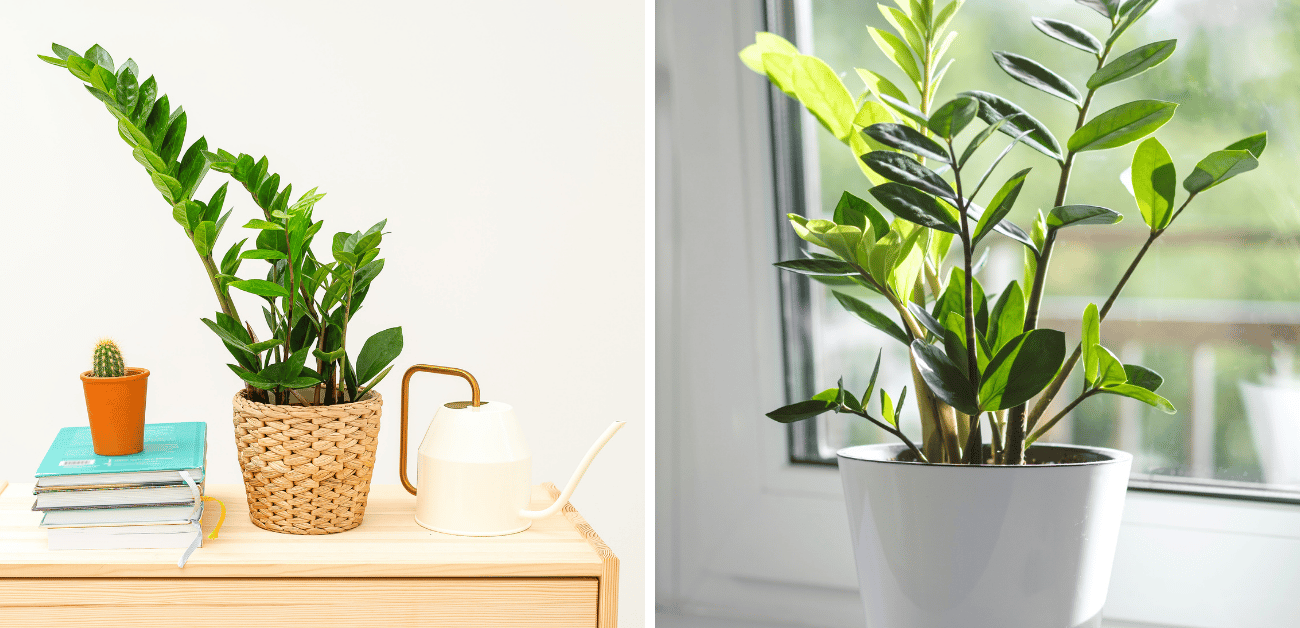
Above the soil, it produces upright stems with pairs of waxy, oval-shaped leaflets. Each leaflet is a deep, glossy green, giving the plant a polished and attractive appearance. The plant’s overall structure resembles an elegant feather-like arrangement.
In indoor conditions, ZZ plants typically reach a mature height of 2 to 4 feet, although growth is slow. New shoots emerge from the rhizomes and gradually unfurl into full-sized stems.
While the ZZ plant rarely flowers indoors, it can produce a small, spadix-type bloom similar to those of its cousin, the peace lily. However, these blooms are usually insignificant compared to the plant’s striking foliage.
Light Requirements
One of the best qualities of the ZZ plant is its adaptability to a wide range of light conditions. It tolerates low light better than most houseplants, which makes it ideal for offices, north-facing rooms, or places with minimal natural light.
However, while ZZ plants survive in low light, they grow best in bright, indirect light. Exposure to medium or indirect sunlight encourages healthier growth, richer color, and more vigorous new shoots.
Avoid placing the ZZ plant in direct sun, especially harsh afternoon light. Intense sunlight can cause leaf scorch and faded coloring.
Temperature and Humidity
ZZ plants are tropical natives but are surprisingly tolerant of standard indoor conditions. The ideal temperature range for the ZZ plant is between 65°F and 80°F (18°C to 27°C).
It can tolerate temperatures slightly below this range for short periods but should not be exposed to prolonged cold drafts or freezing conditions.
Humidity requirements are modest. While the ZZ plant appreciates moderate humidity levels typical of most homes, it also tolerates drier air.
This makes it well-suited for environments with air conditioning or heating, where humidity can fluctuate.
Watering the ZZ Plant
The ZZ plant’s drought-tolerant nature is one of its standout features, but it’s also a common source of confusion for plant owners. Overwatering is the leading cause of ZZ plant problems.
Water thoroughly but infrequently. Allow the soil to dry out completely between waterings. During the growing season (spring and summer), watering every 2-3 weeks is often sufficient.
In fall and winter, reduce watering further, sometimes to once a month, depending on conditions.
Before watering, check the soil moisture by inserting your finger into the top couple of inches. If it feels dry, it’s time to water. If still damp, wait a few more days.
Signs of overwatering include yellowing leaves, mushy stems, and root rot. Always ensure the pot has good drainage to prevent water from pooling at the bottom.
Soil and Potting Mix
ZZ plants prefer a well-draining soil mix. A standard indoor potting mix blended with perlite or coarse sand provides excellent drainage while retaining enough moisture for the roots.
A soil mix that retains excessive water can cause root rot, so avoid heavy, clay-based soils or mixes that stay soggy for long periods.
Potting and Repotting
Because ZZ plants grow slowly, they do not need frequent repotting. Typically, repotting every 2 to 3 years is sufficient.
Signs that your ZZ plant may need a larger pot include roots circling the inside of the pot or the plant becoming top-heavy.
When repotting, choose a pot that is one size larger than the current container and has adequate drainage holes. Remove the plant gently, shake off old soil, and inspect the rhizomes for signs of rot or damage.
Repot during spring or early summer for the best recovery and new growth.
Fertilizing the ZZ Plant
ZZ plants are light feeders. Overfertilizing can cause salt buildup and potentially damage the roots.
During the growing season, feed your ZZ plant with a balanced, water-soluble houseplant fertilizer diluted to half strength every 4-6 weeks. Skip fertilizing in winter when growth slows considerably.
If you prefer organic options, use compost tea or a mild organic liquid fertilizer. Always flush the soil occasionally to avoid salt accumulation.
Pruning and Cleaning
Pruning is generally minimal for ZZ plants. Trim off yellowing or damaged leaves to keep the plant looking tidy. Use sharp, clean scissors or pruning shears to avoid tearing the plant’s smooth stems.
Dust tends to collect on ZZ plant leaves, reducing their ability to photosynthesize and diminishing their shine. Wipe the leaves occasionally with a soft, damp cloth to keep them clean and glossy.
Propagating the ZZ Plant
ZZ plants can be propagated through division or leaf cuttings.
Division
The easiest method is dividing the rhizomes when repotting. Gently separate the rhizomes and plant them in separate pots with fresh soil. Water lightly until the new plants establish roots.
Leaf Cuttings
Leaf cuttings require more patience. Cut a healthy leaf with a small piece of stem attached and insert it into moist potting soil.
Keep the soil lightly moist and cover with a plastic bag to retain humidity. Root formation can take several months, as ZZ plants are slow to produce new rhizomes.
Common Problems with ZZ Plants
While ZZ plants are generally trouble-free, they can occasionally suffer from issues.
Yellow Leaves
Yellowing leaves are typically a sign of overwatering. Check the soil moisture and reduce watering frequency.
Brown Leaf Tips
Brown tips may indicate underwatering, low humidity, or salt buildup from fertilizer. Adjust care accordingly and flush the soil if necessary.
Drooping Stems
Drooping can result from either underwatering or overwatering. Inspect the soil and adjust watering practices.
Pests
ZZ plants are largely pest-resistant but can occasionally attract mealybugs, spider mites, or scale. Treat infestations promptly with insecticidal soap or neem oil.
Toxicity Warning
All parts of the ZZ plant are toxic if ingested and can cause irritation to pets and humans. Keep the plant out of reach of children and animals.
When handling or pruning, consider wearing gloves to avoid skin irritation from the plant’s sap.
ZZ Plant in Interior Design
Beyond being a low-maintenance houseplant, the ZZ plant is valued for its aesthetic appeal. Its upright growth and shiny leaves complement modern, minimalist, and tropical décor styles.
It’s an excellent choice for:
- Office desks
- Living room corners
- Entryway statements
- Low-light bathrooms
- Commercial spaces like lobbies and restaurants
The plant’s deep green color adds a lush, calming feel to interiors, while its architectural form creates visual interest without overwhelming a space.
Growing ZZ Plant in Low Light
One of the most impressive qualities of the ZZ plant is its ability to survive in low-light conditions.
While growth will be slower, the plant can adapt to settings with fluorescent lighting or shaded windowsills. This resilience makes it popular in offices and rooms without direct sunlight.
However, placing the ZZ plant in a spot with some indirect light helps maintain richer leaf color and better growth.
Air Purifying Qualities
The ZZ plant has been noted for its ability to help filter indoor air. Studies have shown it can absorb volatile organic compounds (VOCs) like xylene, toluene, and benzene, contributing to a healthier indoor environment.
While the plant alone won’t purify an entire room, it’s a valuable addition to an indoor plant collection for cleaner air.
Seasonal Care Tips
- Spring/Summer: Growth is more active. Increase watering slightly, fertilize monthly, and watch for new shoots.
- Fall/Winter: Growth slows. Reduce watering significantly and avoid fertilizing.
The ZZ plant is a remarkable indoor plant, perfect for beginners and busy plant owners. Its ability to thrive in low light, tolerate neglect, and resist pests makes it a nearly foolproof choice for any home or office.
With minimal effort, you can enjoy the glossy beauty of this resilient plant for many years.