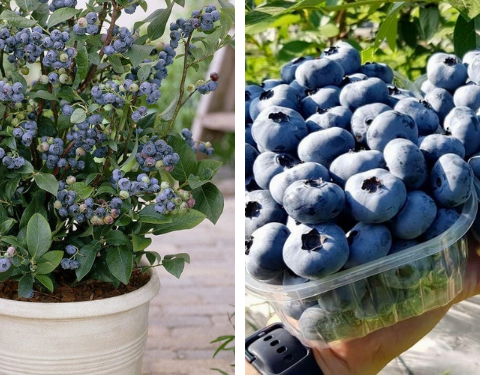
Strawberries are one of the most rewarding fruits you can grow in your garden. They’re low to the ground, high in flavor, and bursting with nutrients and antioxidants.
Whether you’re growing them in a backyard patch, a raised bed, or a vertical planter, strawberries can produce delicious harvests year after year – with the right care.
This in-depth guide walks you through 27 essential tips to help you grow sweeter, healthier strawberries and avoid the common pitfalls that often frustrate first-time (and even experienced) gardeners.
1. Plant Early for a Head Start
The earlier you get your strawberries in the ground in spring, the more fruit you’ll harvest by summer. As soon as the ground is workable and the danger of a deep frost has passed, it’s time to plant.
In colder regions, this could be early April. In warmer zones, you may be planting as early as February.
2. Give Each Plant Plenty of Space
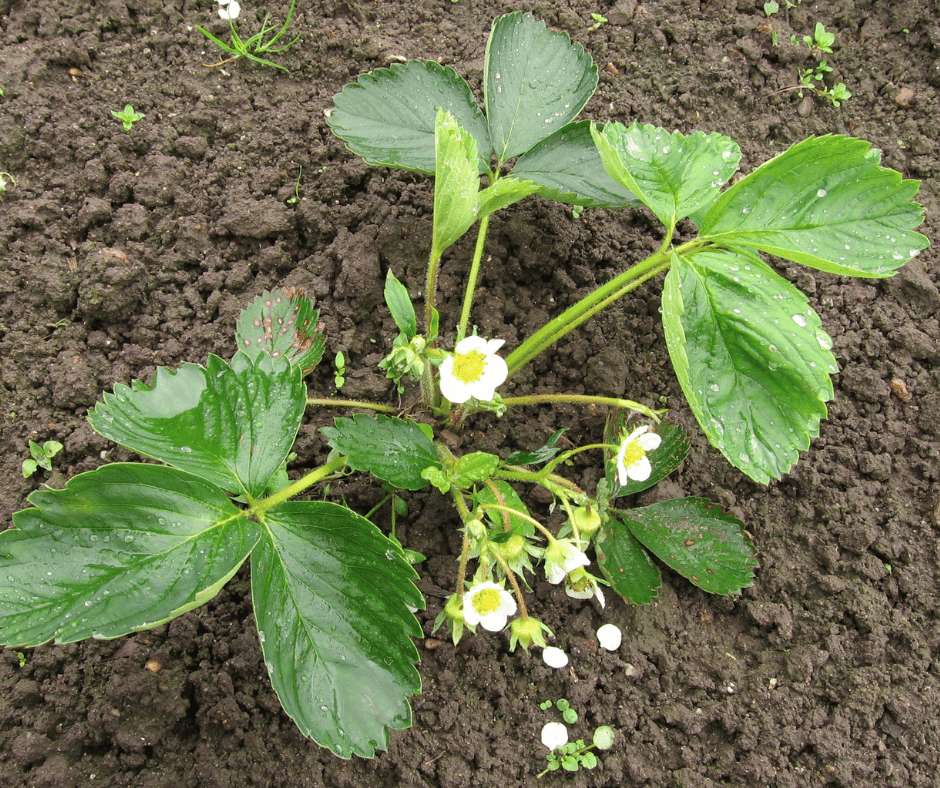
Crowded strawberry beds lead to stunted growth and smaller fruit. Space your plants about 12 inches apart within rows and leave 16–24 inches between rows.
Good airflow reduces disease risk and ensures each plant has access to sunlight and nutrients.
3. Strawberries Love the Sun
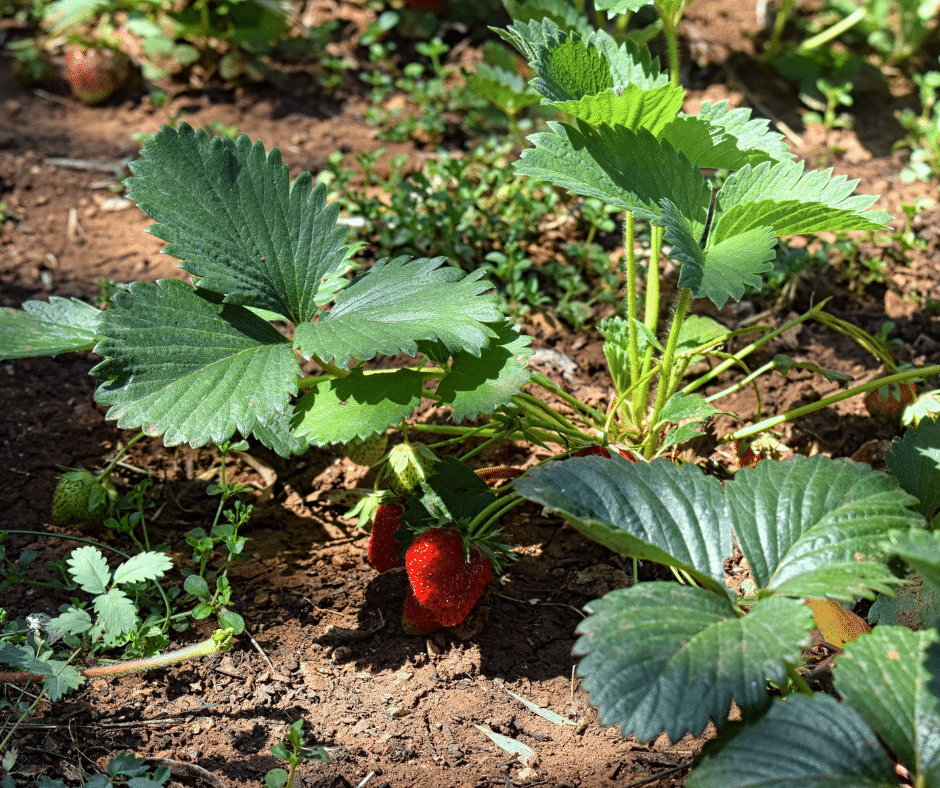
Strawberries need a minimum of 6 hours of direct sunlight daily, but 8–10 hours is even better. More sun = more energy for fruit production. Avoid shady spots under trees or fences.
4. Raised Beds Are a Game-Changer
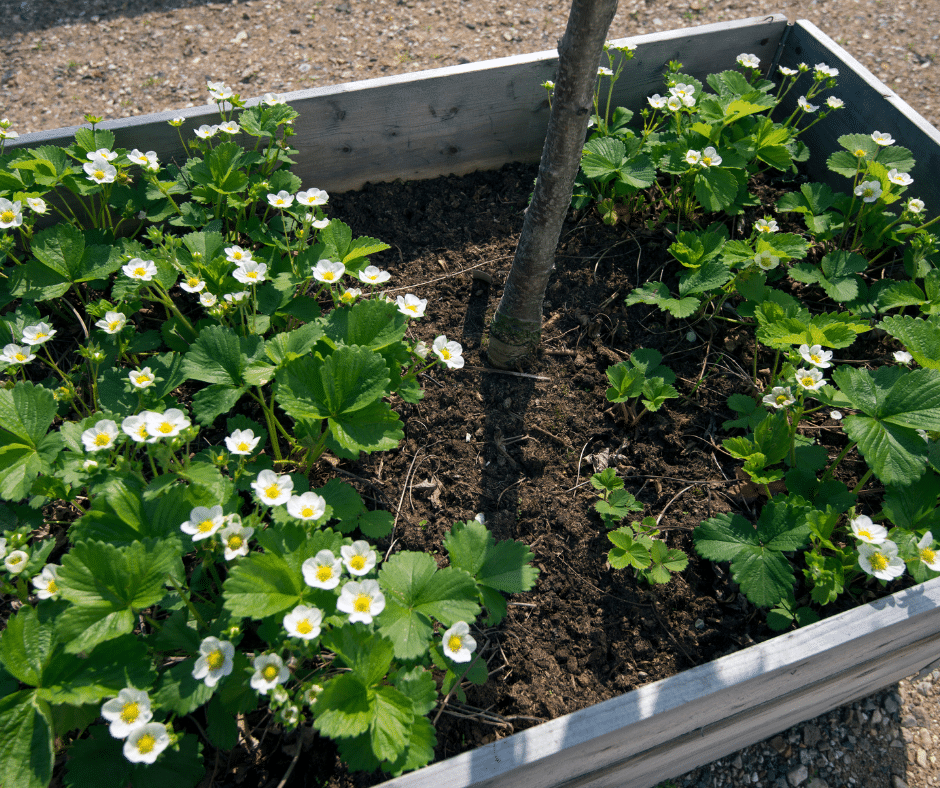
Strawberries thrive in raised beds because the soil warms faster in spring, drains well, and allows for easy weed control.
Mix in compost or aged manure before planting to give your strawberries a nutrient-rich start.
Straw mulch between plants suppresses weeds and protects fruit from rot.
5. Watch Drainage Like a Hawk
Poor drainage is a common cause of root rot. If your soil is heavy clay or prone to waterlogging, grow strawberries in mounds or raised beds.
Aim for loose, well-aerated soil that drains quickly after watering or rainfall.
6. Fertilize at the Right Time
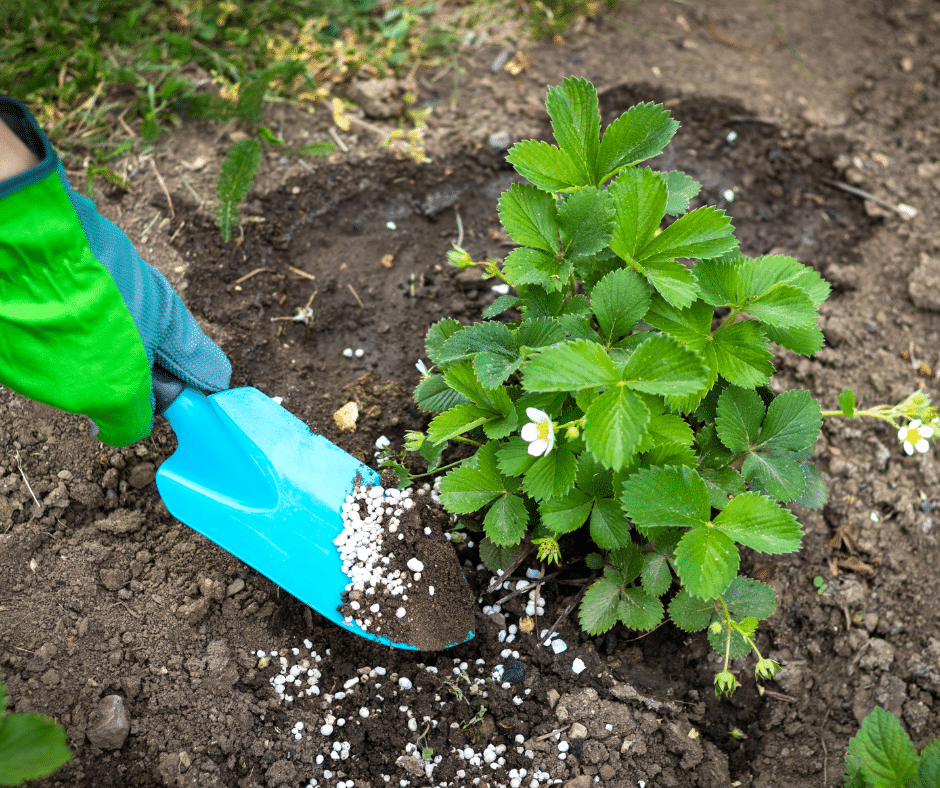
Apply a balanced fertilizer (such as 10-10-10) or compost-rich mulch when plants begin to flower. Avoid overfeeding early in the season – it can cause lush leaves but fewer berries.
High-potassium options like kelp meal are ideal during flowering and fruiting.
7. Remove Runners to Boost Fruit Production
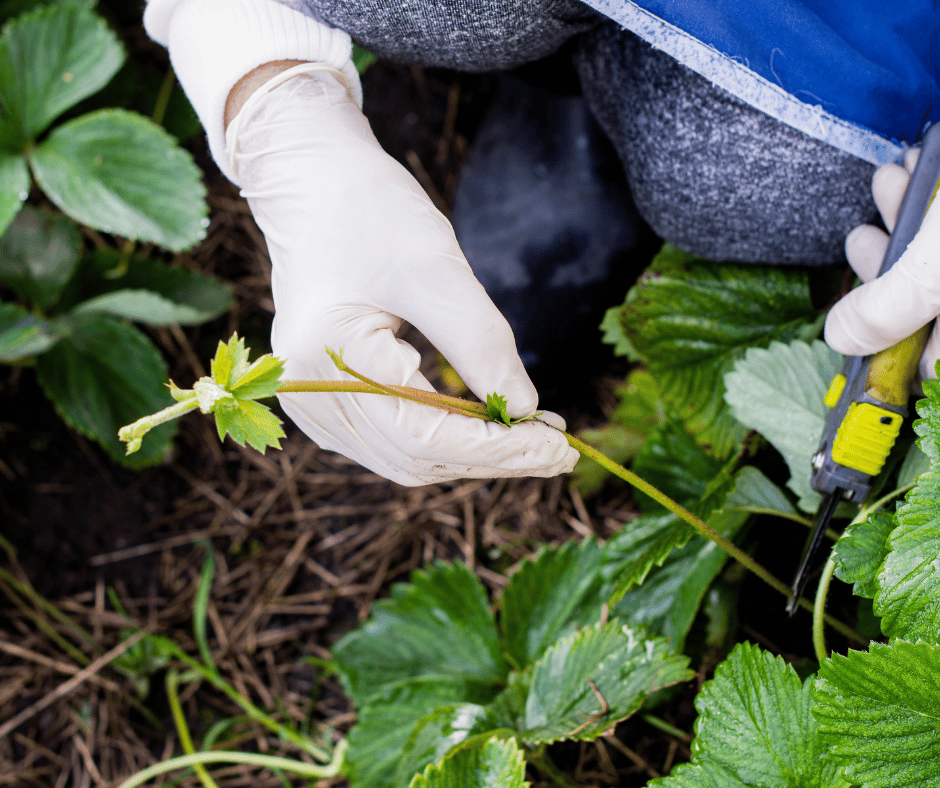
Runners (long shoots with baby plants) sap energy from the mother plant. If you want large fruit, pinch off most runners.
However, if you’re expanding your patch, let some runners root in nearby space and snip the connection once they’re established.
8. Mix Varieties for a Longer Harvest
Want berries all summer? Grow a mix of June-bearing, everbearing, and day-neutral varieties. June-bearers give you one big crop.
Everbearers offer two smaller crops (spring and late summer). Day-neutrals trickle berries throughout the season.
9. Plant Enough for Everyone
Each strawberry plant can produce about a cup of berries. Aim for 5–6 plants per person for fresh eating.
If you plan to preserve, double that number. Strawberries are so good, you’ll always want more!
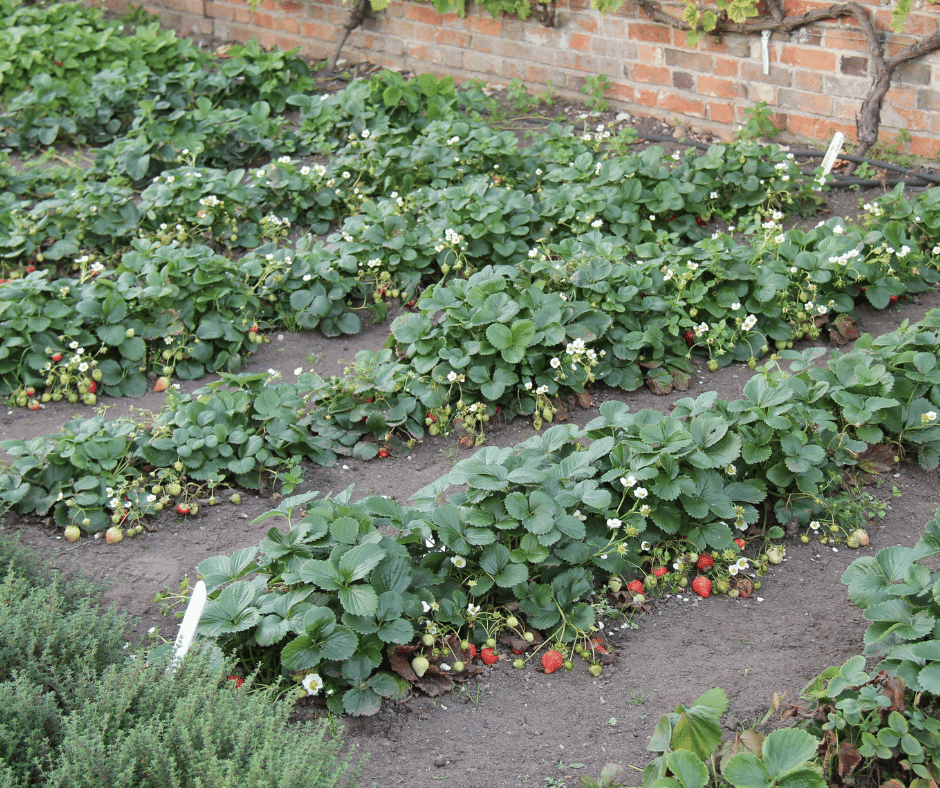
10. Choose Disease-Resistant Varieties
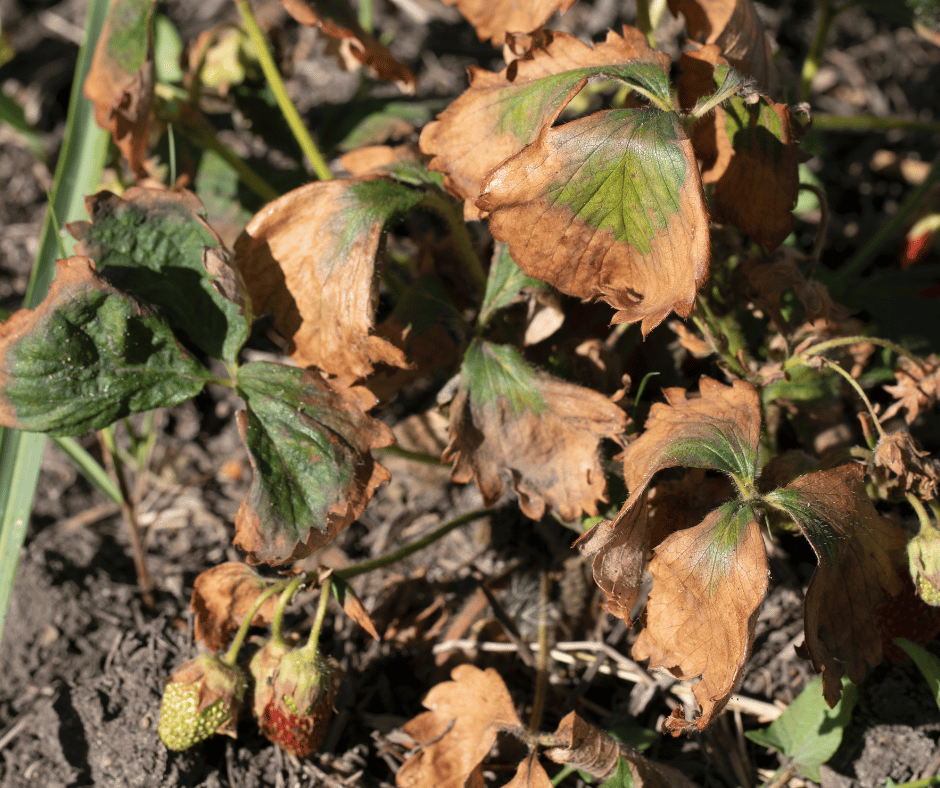
Fungal diseases like verticillium wilt or red stele can devastate strawberry patches. Look for resistant cultivars like ‘Allstar’, ‘Jewel’, or ‘Seascape’.
Avoid planting where tomatoes, potatoes, or eggplant grew recently, as they carry similar pathogens.
11. Practice Crop Rotation
Don’t plant strawberries in the same soil year after year. After 3–4 seasons, rotate them out and grow a cover crop or something unrelated (like beans or leafy greens) to give the soil a break and disrupt pest cycles.
12. Amend Soil with Organic Matter
Strawberries thrive in rich, well-structured soil. Mix compost, worm castings, or peat moss into your planting beds before setting out crowns. Well-fed soil means sweeter, juicier fruit.
13. Try the Matted Row System for June-Bearers
Let your June-bearing plants spread runners freely in a 2-foot-wide strip. This method creates a dense, self-renewing carpet of plants.
After harvest, thin out weaker plants and leave the strongest runners to replant the patch.
14. Prep Soil the Year Before
If possible, clear the area of weeds and grasses the fall before planting. Add organic matter and till lightly to improve soil structure. Planting a cover crop like rye or oats can build soil fertility over winter.
15. Monitor and Adjust Soil pH
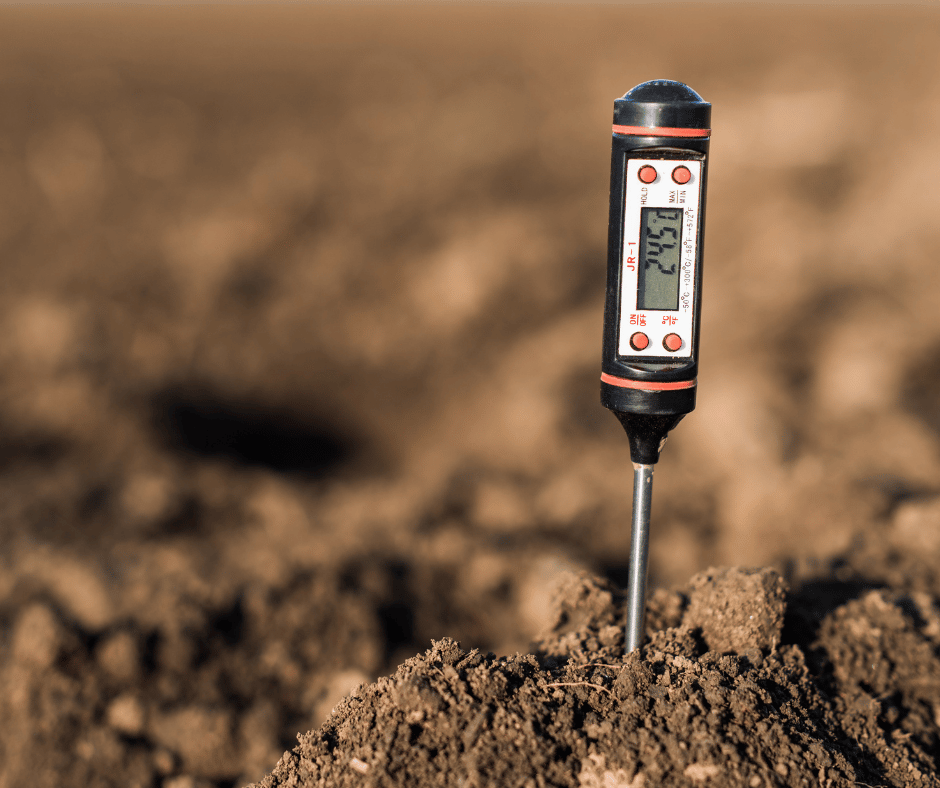
Strawberries prefer slightly acidic soil (pH 5.5–6.5). Use a soil test kit to check your levels. If pH is too low, add lime. If too high, add elemental sulfur or peat moss. Balanced pH means better nutrient uptake.
16. Don’t Obsess Over Timing – Just Start
Ideally, plant in early spring. But if life gets in the way, go ahead and plant strawberries later too. You may get a smaller first-year harvest, but the plants will still establish for next season.
17. Plant Crowns at the Right Depth
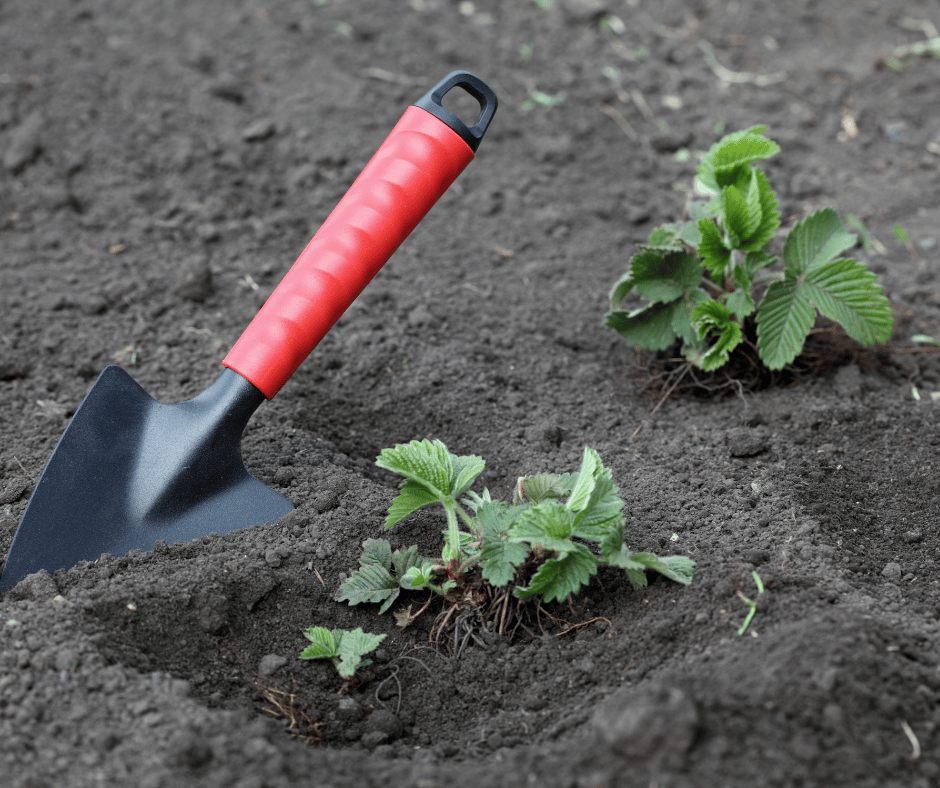
When planting bare-root strawberries, make sure the crown (where leaves meet roots) sits just above soil level. Too deep, and it can rot. Too shallow, and roots may dry out.
18. Mulch Generously
Strawberries benefit from mulch year-round. In spring and summer, it keeps weeds down and protects fruit from dirt and rot. In winter, mulch insulates crowns from freeze damage.
Use straw, pine needles, wood chips, or shredded leaves.
19. Keep Birds and Critters at Bay
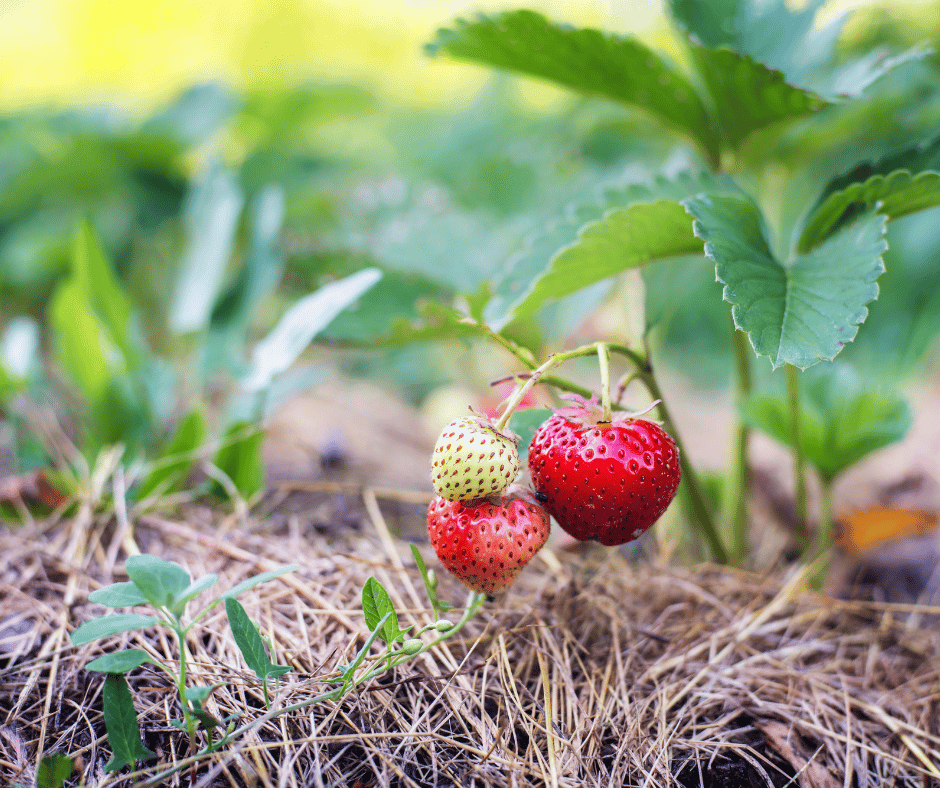
Birds and squirrels can wipe out your harvest overnight. Use floating row covers, berry cages, or bird netting once berries begin to ripen. Be sure to remove covers during flowering to allow pollinators access.
20. Preserve the Extras
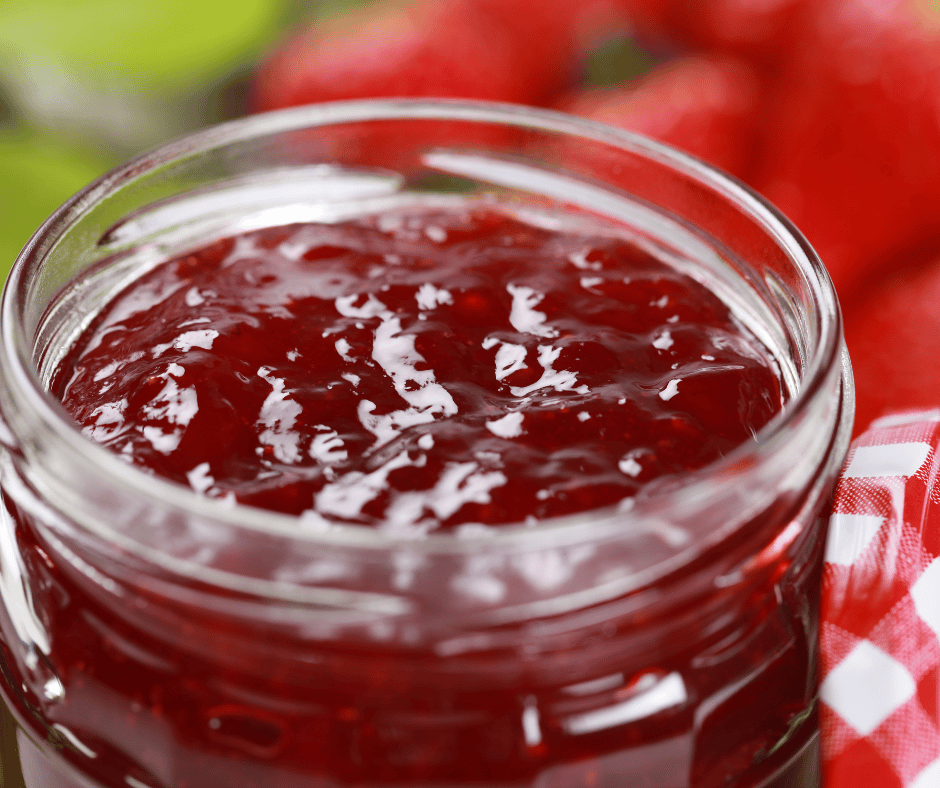
You’ll likely harvest more strawberries than you can eat fresh. Freeze them for smoothies, make homemade jam, dry them into snacks, or try fermenting for a probiotic-rich treat.
21. Strawberries as Perennials
Most strawberries can fruit for 3–5 years if cared for properly. After year three, yields usually decline, so plan to replace older plants by propagating new ones from runners.
22. Try the Hill System for Small Yields & High Flavor
This method works well for day-neutral and everbearing types. Plant in staggered rows on raised mounds to maximize airflow and prevent rot. It won’t yield as much as matted rows, but the flavor of the berries is often better.
23. Watch for Slugs and Snails
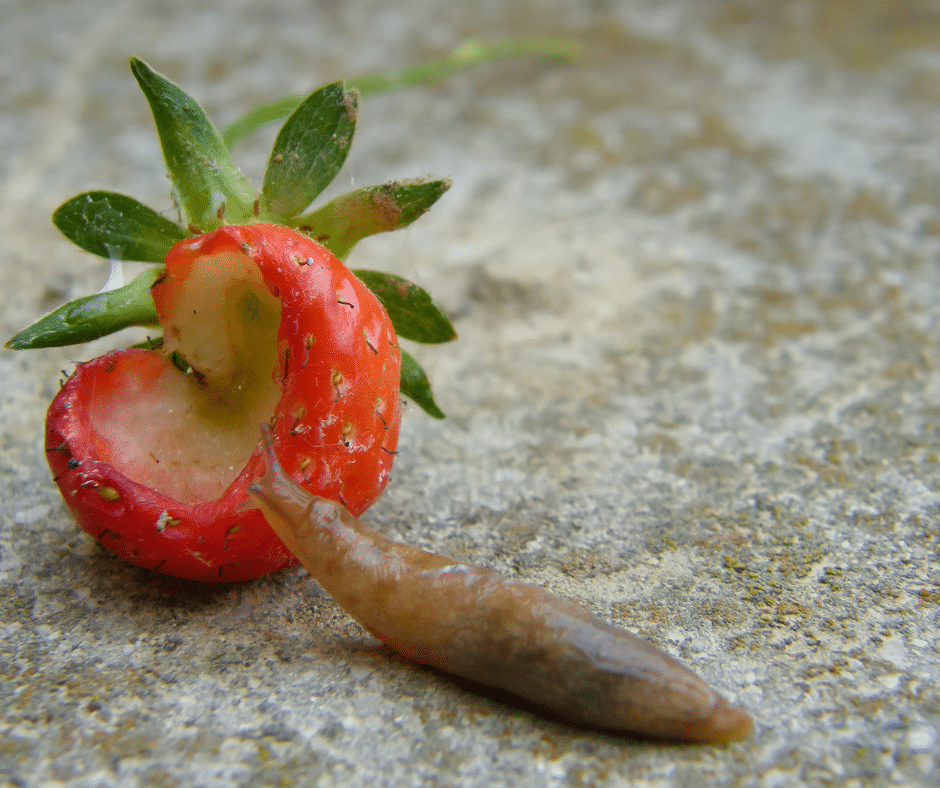
These pests love hiding under mulch and feeding on ripening berries. Use crushed eggshells, diatomaceous earth, or copper tape as barriers. You can also trap them with shallow pans of beer sunk into the soil.
24. Pinch Early Flowers for Better Roots
In the first year, remove the first round of blossoms so the plant can put its energy into developing strong roots and runners. It might feel painful to do, but you’ll be rewarded next year.
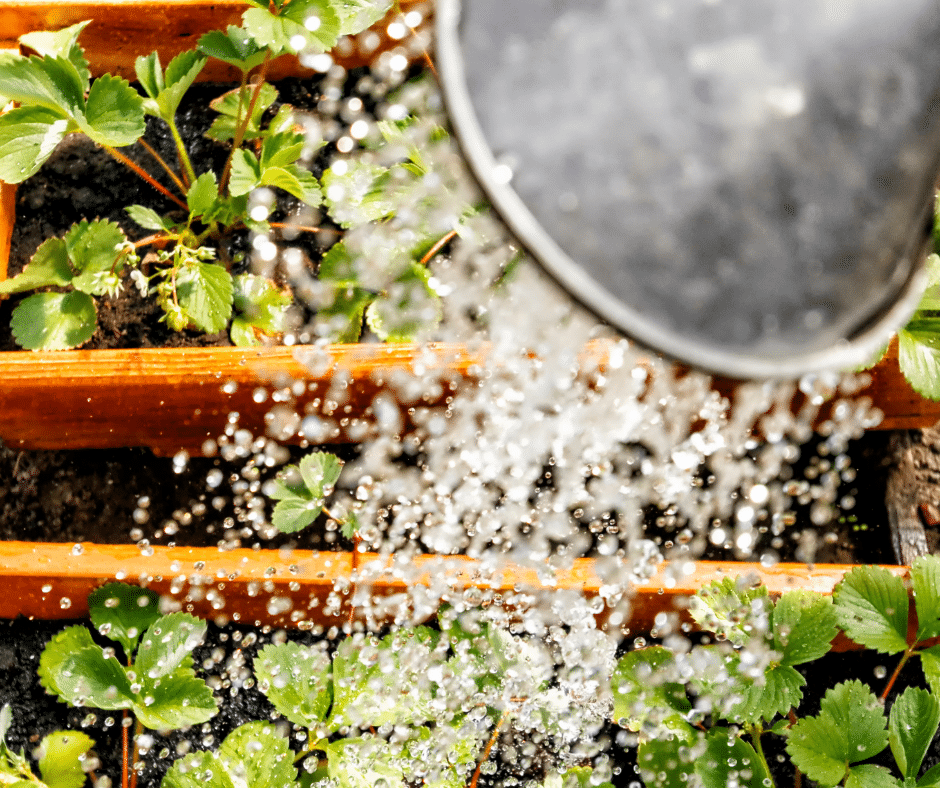
25. Water Deeply and Consistently
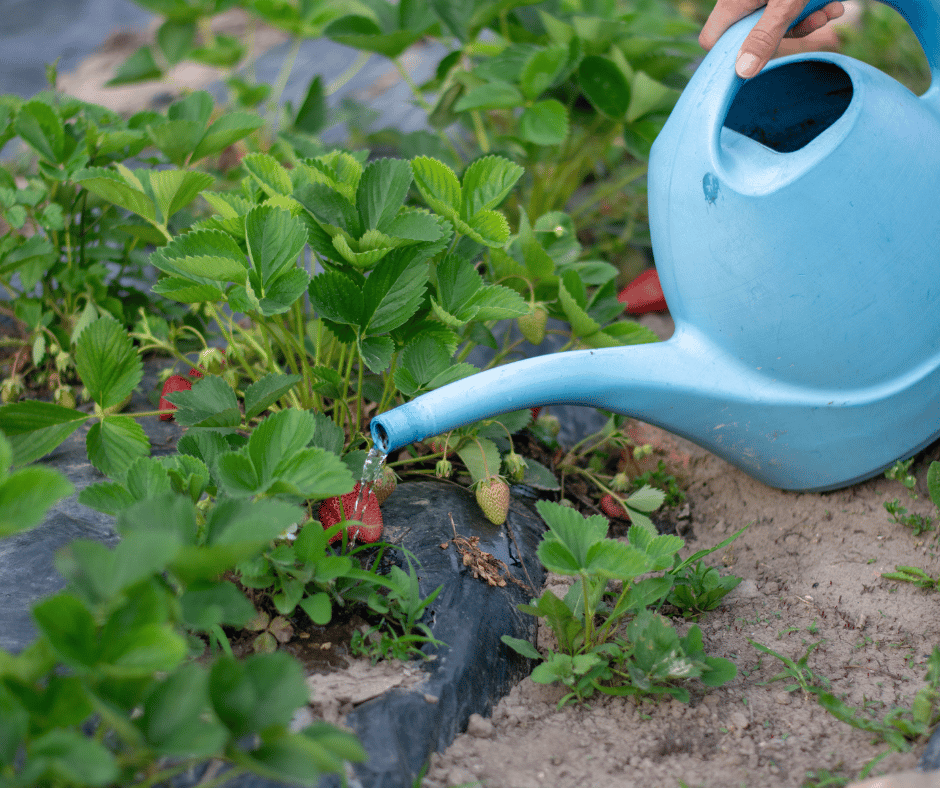
Strawberries need consistent moisture, especially while setting fruit. Drip irrigation is ideal, but watering at the base with a hose also works. Avoid overhead watering to prevent leaf diseases.
Aim for 1–2 inches of water per week.
26. Try Vertical Gardening for Small Spaces
You can grow strawberries vertically in stacked pots, wall planters, or even a repurposed plastic barrel with holes cut in the sides. It saves space, looks stunning, and often reduces slug damage.
27. Keep Your Harvest Fresh Longer
To make your strawberries last longer in the fridge, soak them for a minute in a solution of 1 part vinegar to 5 parts water.
Rinse, dry completely, and store in a paper-towel-lined container. This reduces mold and keeps them fresh for up to 2 weeks.
Strawberries are a delight to grow, whether you’re harvesting a few bowls for breakfast or jarring enough jam for the winter.
With just a little planning and regular care, your strawberry patch can reward you with seasons of sweet, homegrown goodness.