The Christmas cactus (Schlumbergera spp.) is a beloved houseplant known for its vibrant blooms and easygoing nature.
Native to the cloud forests of Brazil, this tropical cactus isn’t the desert dweller many assume it to be.
Instead, it thrives in humidity, prefers indirect light, and rewards attentive care with stunning blooms in shades of pink, red, white, and purple around the holidays.
If your Christmas cactus has been stubbornly green without a single flower in sight, don’t worry – with the right care, you can coax it into blooming just in time for the festive season.
This comprehensive guide will show you exactly how to make your Christmas cactus bloom beautifully this season, covering all aspects of its growth cycle, environmental preferences, and key bloom triggers.
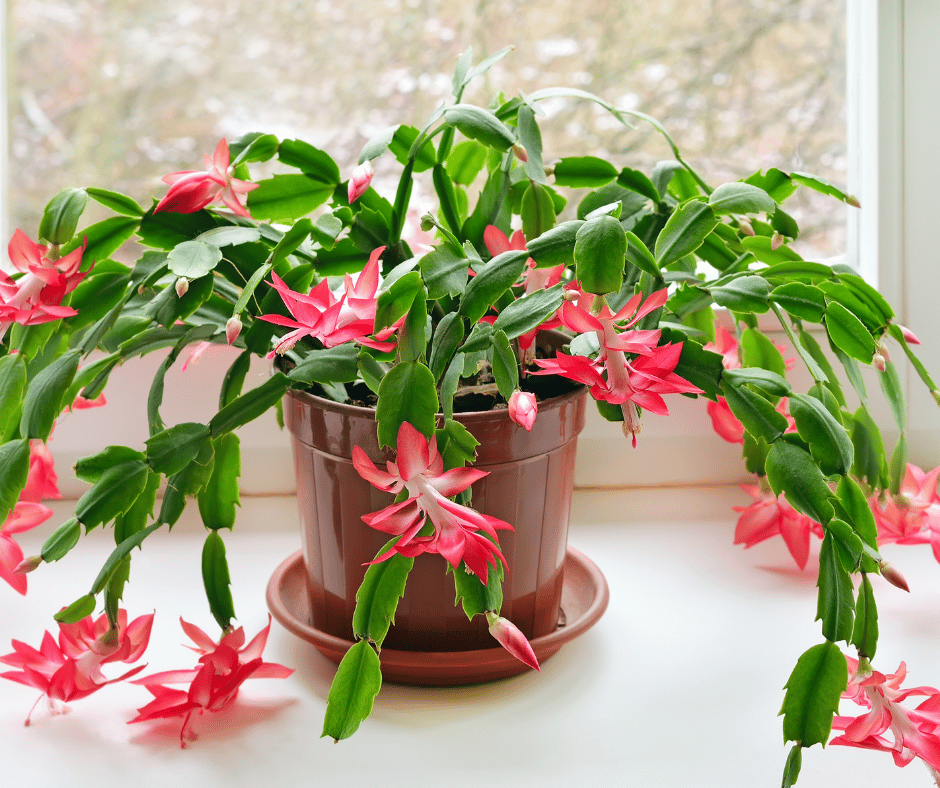
1. Understand the Natural Bloom Cycle
The Christmas cactus is a short-day plant, meaning it requires long nights and shorter daylight hours to initiate flower buds.
Blooming typically occurs in late November to January, but the process starts much earlier.
Flower bud formation begins when the plant receives uninterrupted darkness (at least 12-14 hours) and cooler temperatures (between 50-60°F or 10-15°C) for several weeks.
Mimicking these natural triggers indoors is the secret to consistent blooming year after year.
2. Create the Right Light Conditions
While the Christmas cactus loves bright light, direct sun can burn its segmented leaves. Ideally, place it in a bright room with filtered sunlight – an east or north-facing window is perfect.
To encourage blooms:
- Provide at least 6-8 hours of indirect light during the day.
- From early fall (around late September), limit light exposure in the evening. This means turning off artificial lights near the plant to allow 12-14 hours of complete darkness.
A closet or covered box can help provide total darkness if needed.
3. Cool Temperatures Are Key
Christmas cactus blooms best after being exposed to cool nighttime temperatures. Aim for 50-60°F (10-15°C) for at least 4-6 weeks in the fall.
If your indoor temperatures stay warm year-round, consider placing the plant near a draft-free window or in a cooler room at night.
Once the flower buds begin to form, you can gradually return the plant to warmer conditions, but avoid sudden temperature changes.
4. Master the Watering Routine
Improper watering is one of the main reasons a Christmas cactus won’t bloom. This plant prefers slightly moist but not soggy soil. Let the top inch of soil dry out between waterings.
Watering tips for blooming:
- Water thoroughly during the active growth and budding phase (spring through fall).
- Reduce watering in late fall during the bloom initiation stage.
- Once buds form, maintain moderate moisture to prevent them from dropping.
Avoid letting the plant sit in standing water, which can lead to root rot.
5. Use the Right Soil and Container
A Christmas cactus isn’t too picky about containers, but it does need excellent drainage.
Use a well-draining cactus or succulent mix, or create your own using equal parts potting soil, perlite, and orchid bark.
Ensure your pot has drainage holes, and avoid using oversized containers. Slightly root-bound conditions actually promote blooming.
Repot every 2-3 years after blooming season in spring if needed.
6. Fertilize with Purpose
Feed your Christmas cactus regularly from spring through early fall with a balanced, water-soluble fertilizer (such as 20-20-20 or 10-10-10).
Once fall begins, reduce feeding or stop entirely until new growth appears after blooming.
To encourage blooming: Switch to a high-phosphorus fertilizer (like 10-30-10) about 6 weeks before you want it to bloom.
Over-fertilizing in fall can interfere with bloom initiation, so timing is everything.
7. Provide a Resting Period
After its flowering period ends (usually in January or February), give your plant a 4-6 week rest period. Move it to a cooler spot with less light and water sparingly.
This dormant phase is crucial for rebuilding energy and ensuring blooms for next year.
Once you see new growth, resume regular watering and feeding.
8. Avoid Common Pitfalls
Even small missteps can sabotage blooming. Here are common mistakes to avoid:
- Inconsistent darkness during the bud formation stage
- Excess watering during the bloom initiation period
- Sudden temperature drops or drafts
- Moving the plant after buds have formed (this can cause them to drop)
Keep conditions stable, especially once buds appear, and avoid rotating or disturbing the plant.
9. Encourage Reblooming Throughout the Year
Though Christmas cactus is known for its holiday blooms, it may flower more than once a year if conditions are right.
Some plants bloom again in spring or late summer with the proper rest, light cycle, and fertilization routine.
To trigger a second bloom:
- Let the plant rest for 6-8 weeks.
- Resume cool temperatures and a long-night light cycle.
- Adjust watering and feeding as you would before winter bloom.
10. Prune and Propagate for Health and More Blooms
After the plant has finished blooming, prune back a few segments from each stem to encourage branching.
More branches mean more potential bloom points for next season.
You can use these cuttings to propagate new plants:
- Let cut segments dry for a day.
- Plant in moist, well-draining soil.
- Place in a warm, bright location until roots form.
Propagation ensures your collection continues to grow and gives you backup plants in case of issues.
The joy of a blooming Christmas cactus is unmatched during the festive season.
By respecting its native tropical habitat and following a few strategic steps, you can turn your green-leaved plant into a cascade of vibrant color every winter.
Focus on providing the right combination of darkness, cool temperatures, and care, and your cactus will thank you with a dazzling holiday display.