A beautiful garden doesn’t just delight the eyes – it should also captivate the senses.
While color, shape, and texture are often front and center in garden planning, scent is an often-overlooked dimension that can transform your outdoor space into a calming, immersive retreat.
From sweet and floral to spicy and exotic, fragrant plants can turn your garden into a natural perfume haven that awakens memory, emotion, and peace with every breath you take.
Here are 15 of the best fragrant plants to grow if you want your garden to look and smell utterly unforgettable:
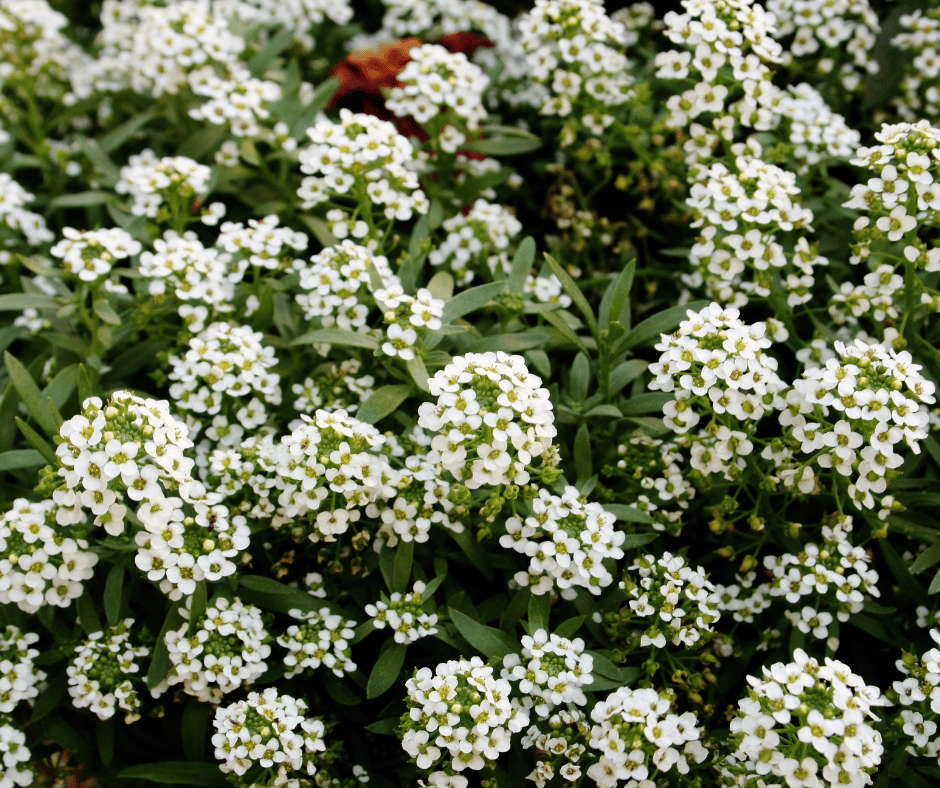
1. Sweet Alyssum (Lobularia maritima)
This dainty annual may be small, but it packs a powerful punch of honey-like fragrance.
Its tiny white or lavender blossoms grow in dense clusters and bloom continuously throughout the season, especially in cooler weather.
- Best Use: Ground cover, borders, rock gardens
- Scent Profile: Light, honey-sweet
- Growing Zones: USDA 5–9
- Bonus: Attracts beneficial pollinators and self-seeds freely
2. Rose (Rosa spp.)
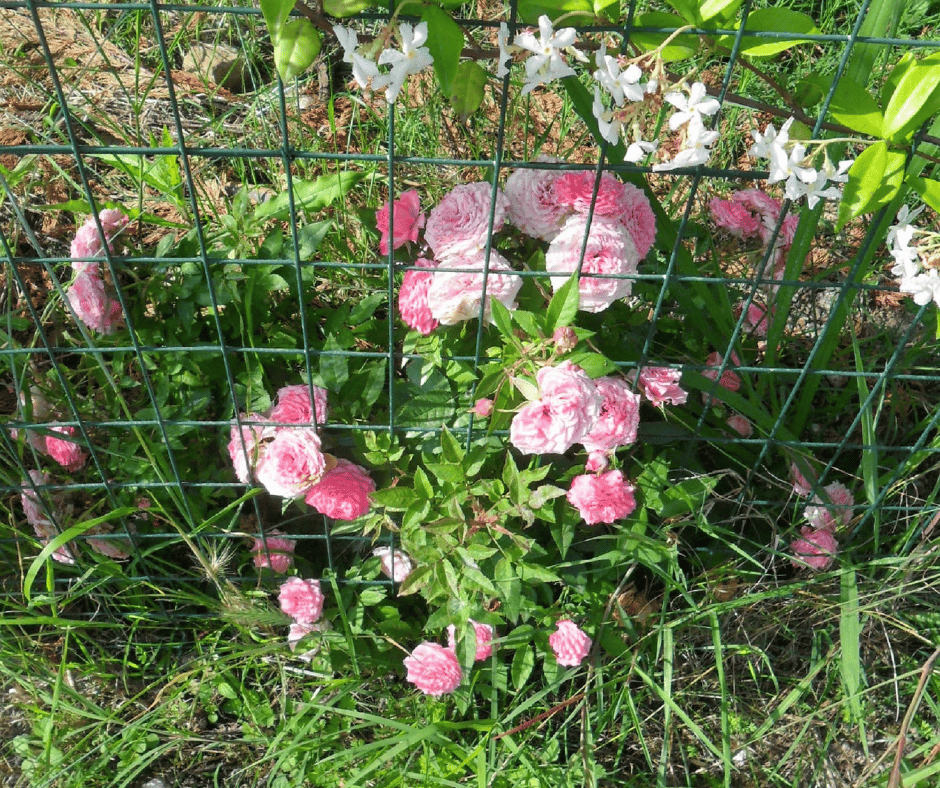
No fragrant garden is complete without roses. Their timeless appeal lies not just in their romantic blooms, but also in their varied scent profiles – ranging from citrusy and spicy to deep, musky, and tea-like.
- Best Use: Flower beds, hedges, cutting gardens
- Scent Profile: Varies by variety – tea, myrrh, fruity, or old rose
- Growing Zones: USDA 3–11
- Tip: Choose old-fashioned or heirloom varieties like ‘Damask’ or ‘Mister Lincoln’ for the strongest scent
3. Peony (Paeonia spp.)
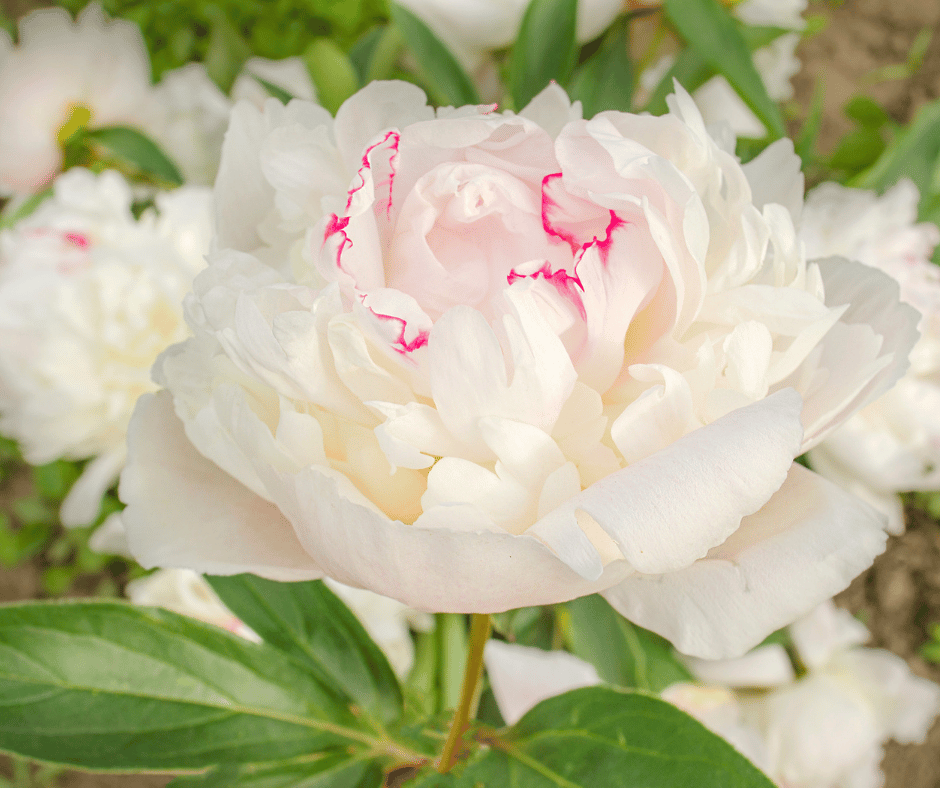
Peonies are lush, fragrant perennials that bloom in late spring to early summer. Their scent can range from soft rose-like to lemony or spicy, depending on the cultivar.
- Best Use: Cottage gardens, perennial borders
- Scent Profile: Sweet, rosy, sometimes citrusy
- Growing Zones: USDA 3–8
- Bonus: Peonies live for decades and are a favorite in bridal bouquets
4. Hyacinth (Hyacinthus orientalis)
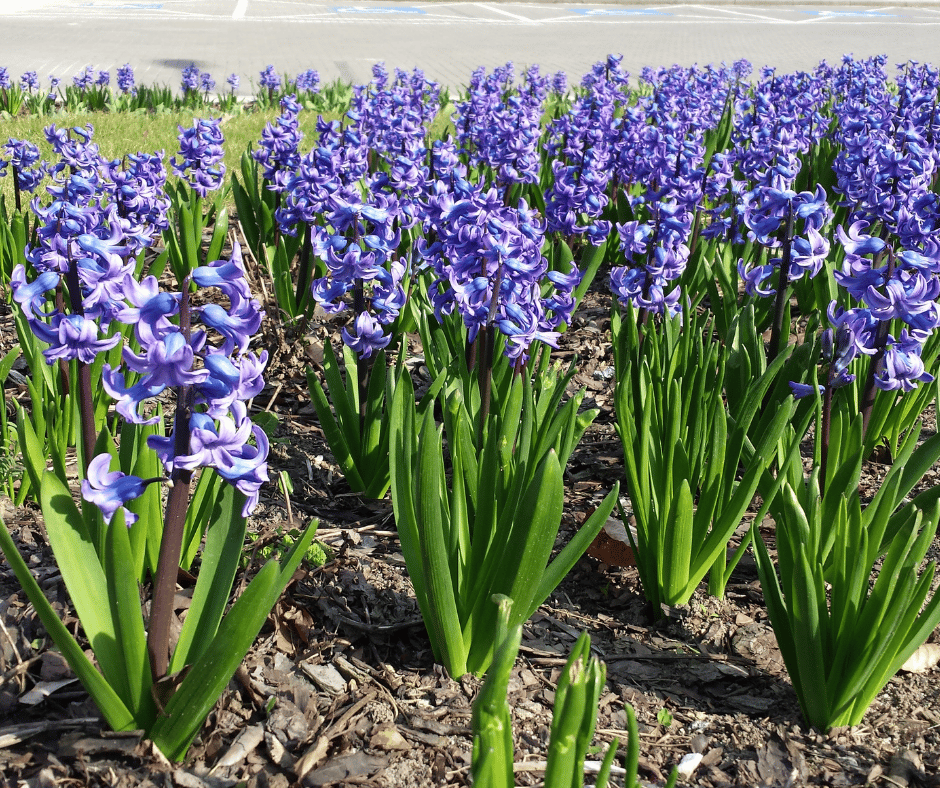
This spring-flowering bulb offers one of the richest floral scents in the garden. Its tight cone-shaped flower spikes come in purples, pinks, whites, and yellows, each releasing intense fragrance.
- Best Use: Containers, walkways, spring beds
- Scent Profile: Powdery, intense, fresh
- Growing Zones: USDA 3–9
- Tip: Perfect for forcing indoors during winter for early bloom
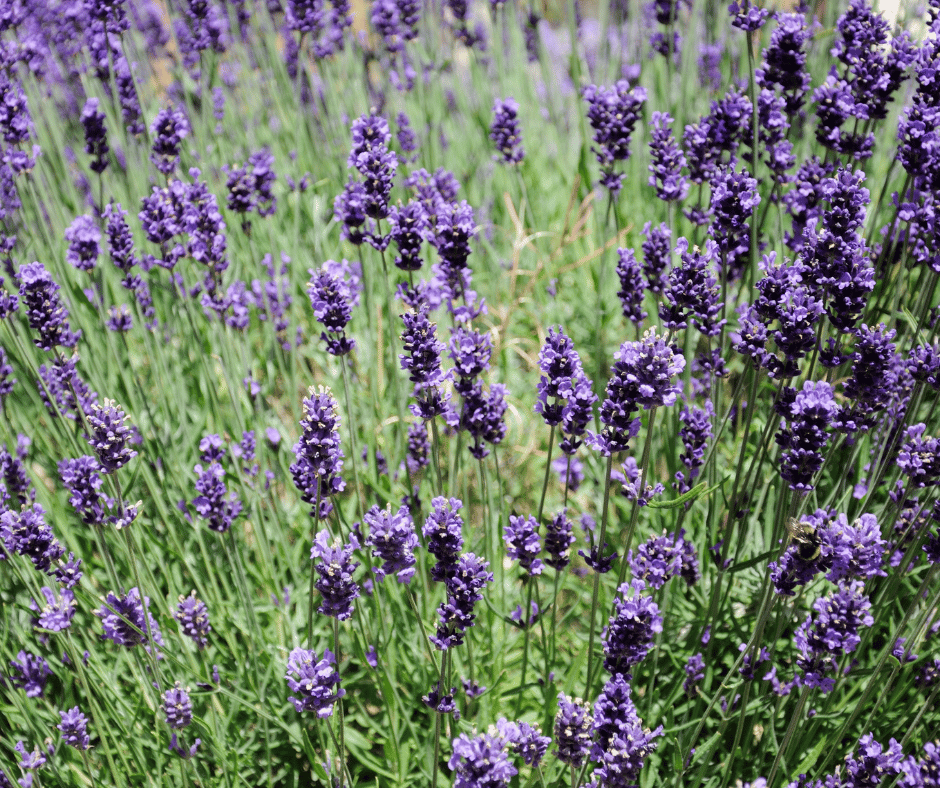
5. Lavender (Lavandula spp.)
Lavender’s unmistakable scent is both calming and uplifting, making it a top choice for herbal gardens. It’s also useful in cooking, potpourri, and sachets – and even repels mosquitoes.
- Best Use: Herb gardens, borders, containers
- Scent Profile: Herbal, floral, slightly medicinal
- Growing Zones: USDA 5–9
- Tip: ‘English Lavender’ (Lavandula angustifolia) is best for fragrance and culinary use
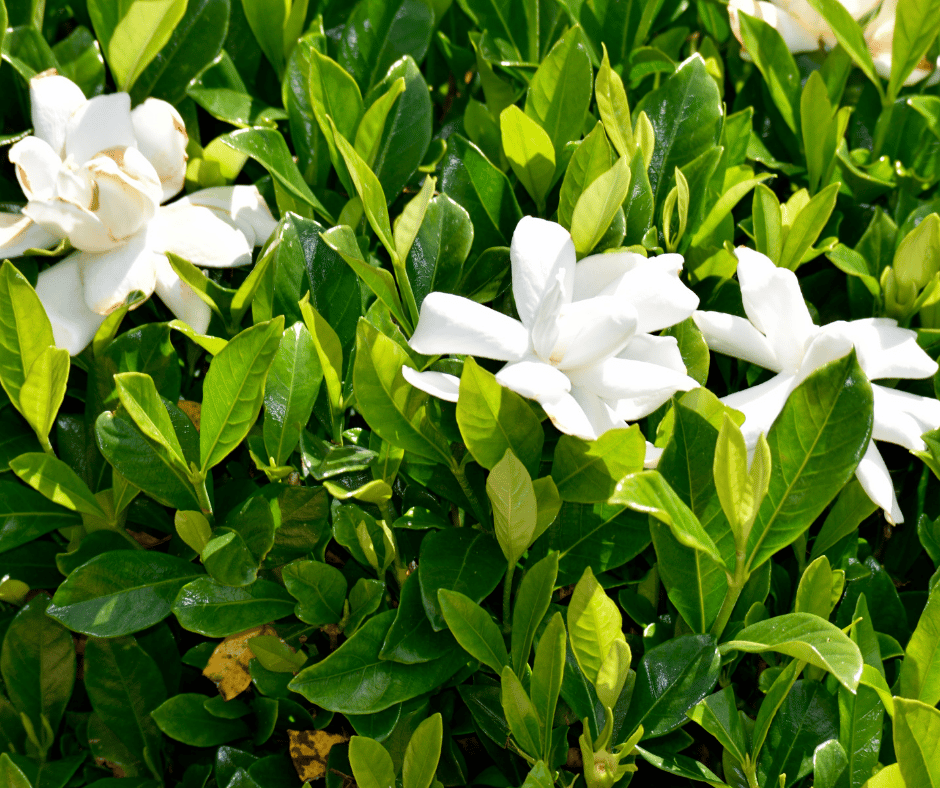
6. Gardenia (Gardenia jasminoides)
Famous for its creamy white flowers and intoxicating aroma, gardenia is the epitome of elegance in southern gardens. The scent is rich, creamy, and slightly citrusy—ideal for evening enjoyment.
- Best Use: Containers, foundation plantings, patios
- Scent Profile: Creamy, sweet, romantic
- Growing Zones: USDA 8–11
- Bonus: Blooms from spring through fall in warm climates
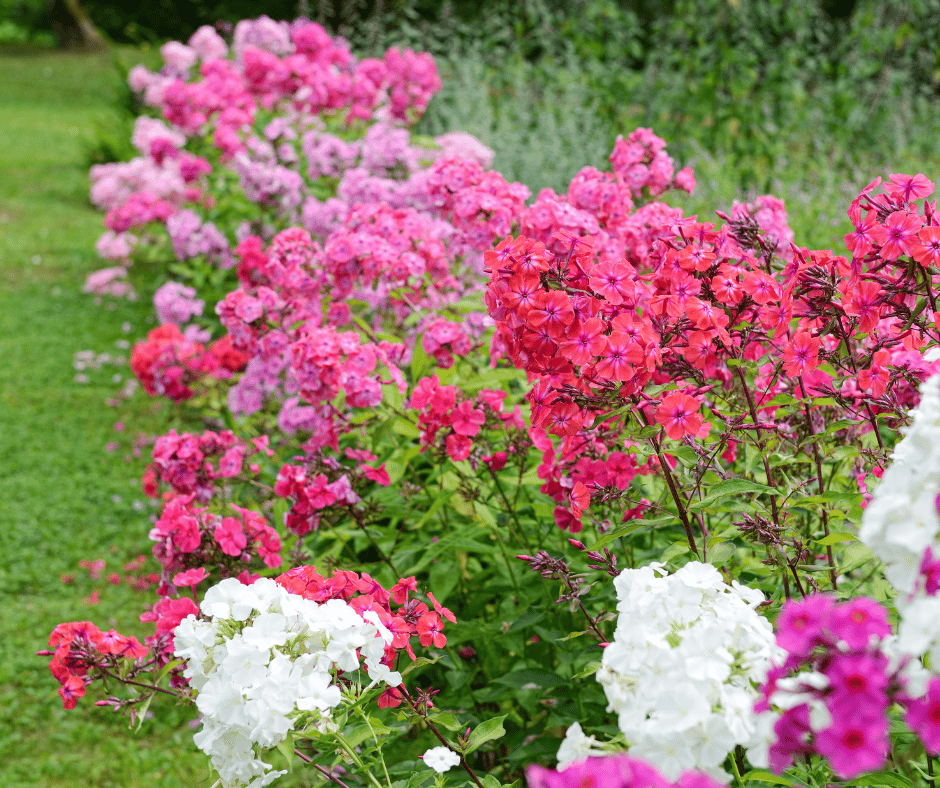
7. Garden Phlox (Phlox paniculata)
Phlox adds vertical color and fragrance to summer gardens. Its large clusters of blooms come in pinks, purples, and whites, and release a spicy-sweet aroma, especially in the evening.
- Best Use: Back of borders, pollinator gardens
- Scent Profile: Spicy, clove-like sweetness
- Growing Zones: USDA 3–8
- Tip: Improve airflow to prevent powdery mildew
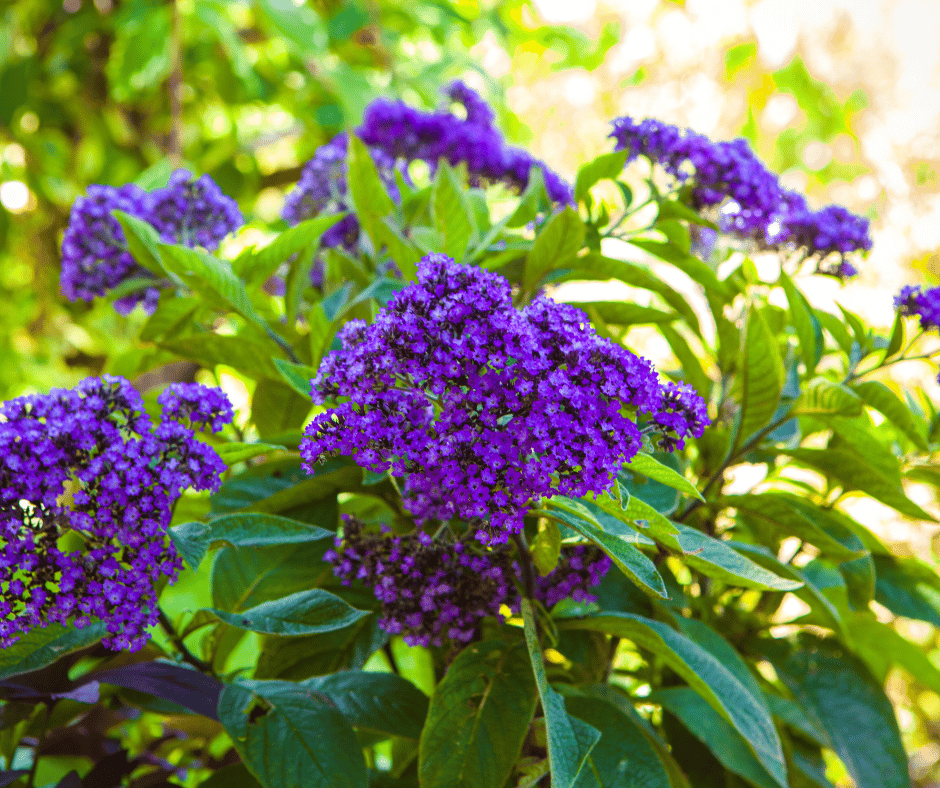
8. Heliotrope (Heliotropium arborescens)
Often called the “cherry pie plant,” heliotrope’s deep violet or white blooms release a nostalgic scent reminiscent of vanilla or sweet almonds. It’s a cottage garden staple and attracts butterflies.
- Best Use: Containers, window boxes, entryways
- Scent Profile: Vanilla, cherry, almond
- Growing Zones: USDA 9–11 (annual in cooler climates)
- Bonus: Pair with white flowers for a dramatic scent combo
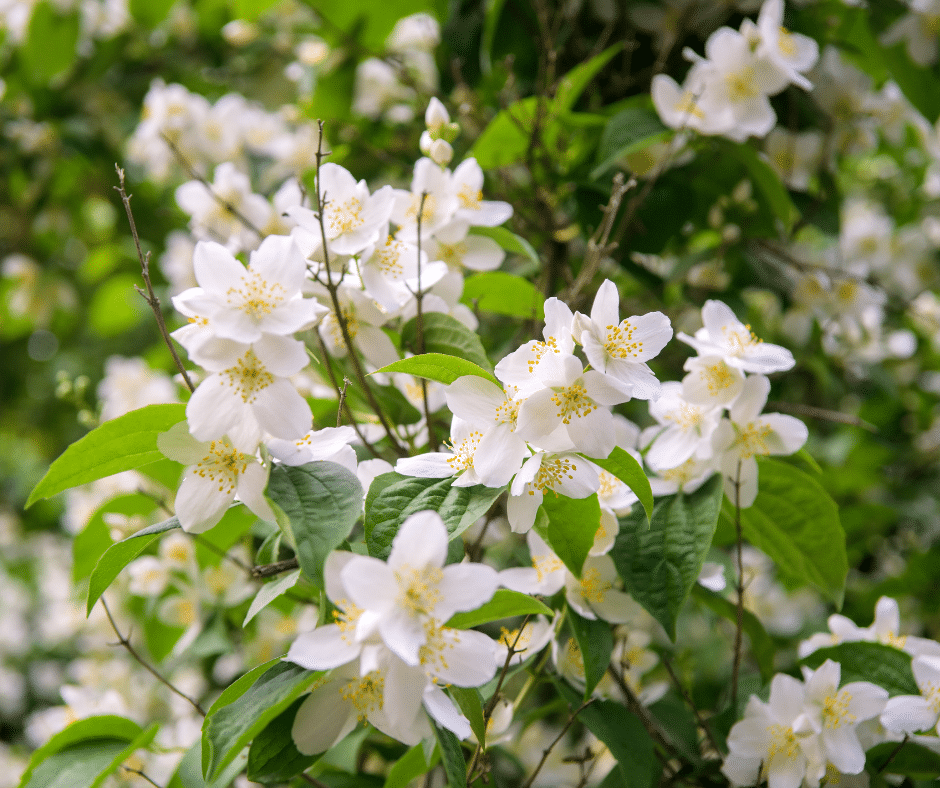
9. Jasmine (Jasminum spp.)
Jasmine is one of the world’s most recognizable floral scents. Its vines or shrubs burst with delicate white or yellow flowers that smell strongest in the evening, perfect for moon gardens.
- Best Use: Trellises, fences, night gardens
- Scent Profile: Exotic, sweet, intensely floral
- Growing Zones: USDA 9–11 (some hardy varieties in zone 7)
- Varieties to Try: Arabian Jasmine (Jasminum sambac), Star Jasmine (Trachelospermum jasminoides)
10. Flowering Tobacco (Nicotiana alata)
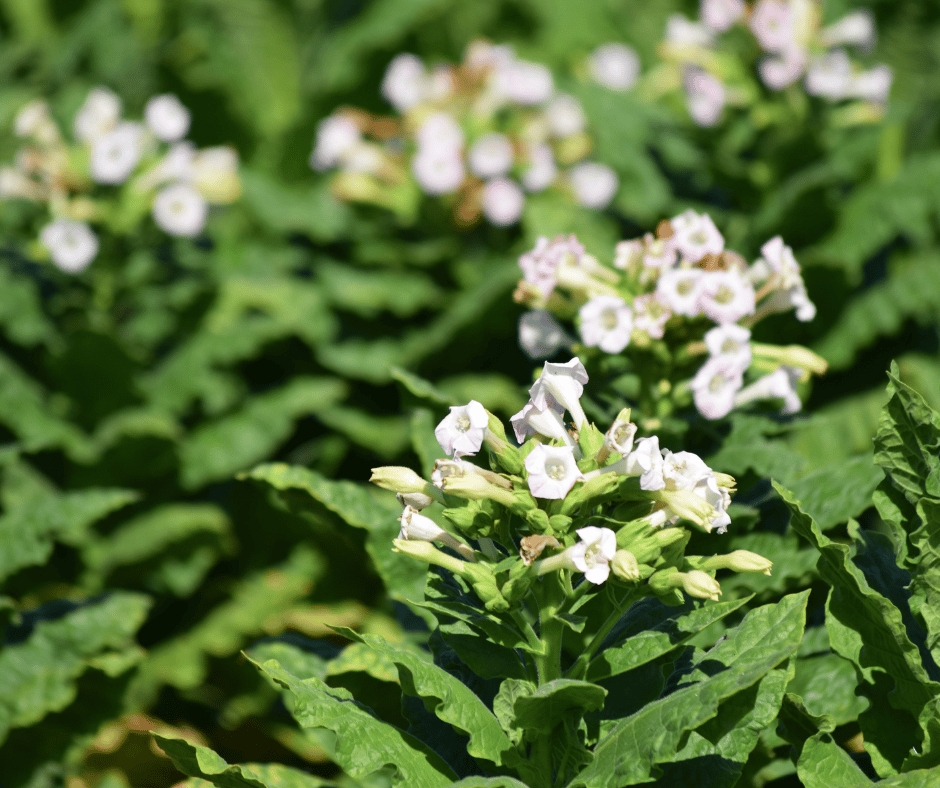
With trumpet-shaped flowers in shades of white, pink, and lime green, this plant emits a powerful evening scent that intensifies at dusk. It’s a night pollinator magnet.
- Best Use: Moon gardens, back borders, containers
- Scent Profile: Sweet, musky, evening-scented
- Growing Zones: USDA 10–11 (grown as annual elsewhere)
- Bonus: Ideal for fragrant nighttime strolls
11. Angel’s Trumpet (Brugmansia spp.)
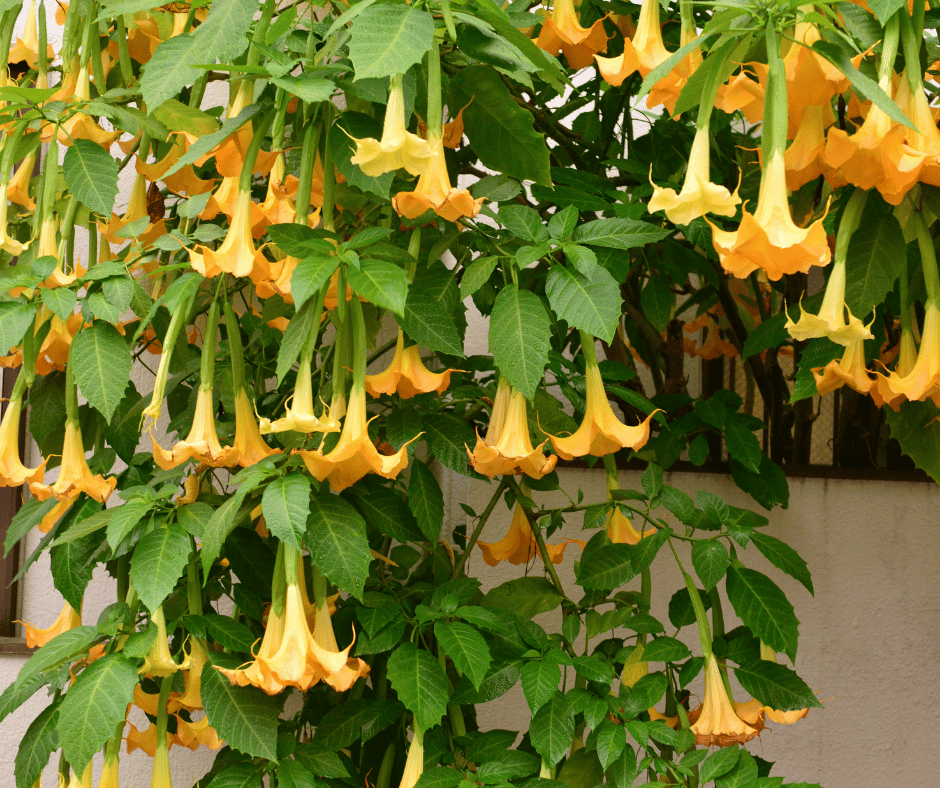
This dramatic plant boasts enormous, pendulous trumpet-like flowers that release an enchanting scent, especially at dusk. Caution: all parts of the plant are toxic.
- Best Use: Containers, large garden focal points
- Scent Profile: Sweet, citrusy, intoxicating
- Growing Zones: USDA 9–12
- Tip: Needs rich soil, full sun, and regular feeding
12. Honeysuckle (Lonicera spp.)
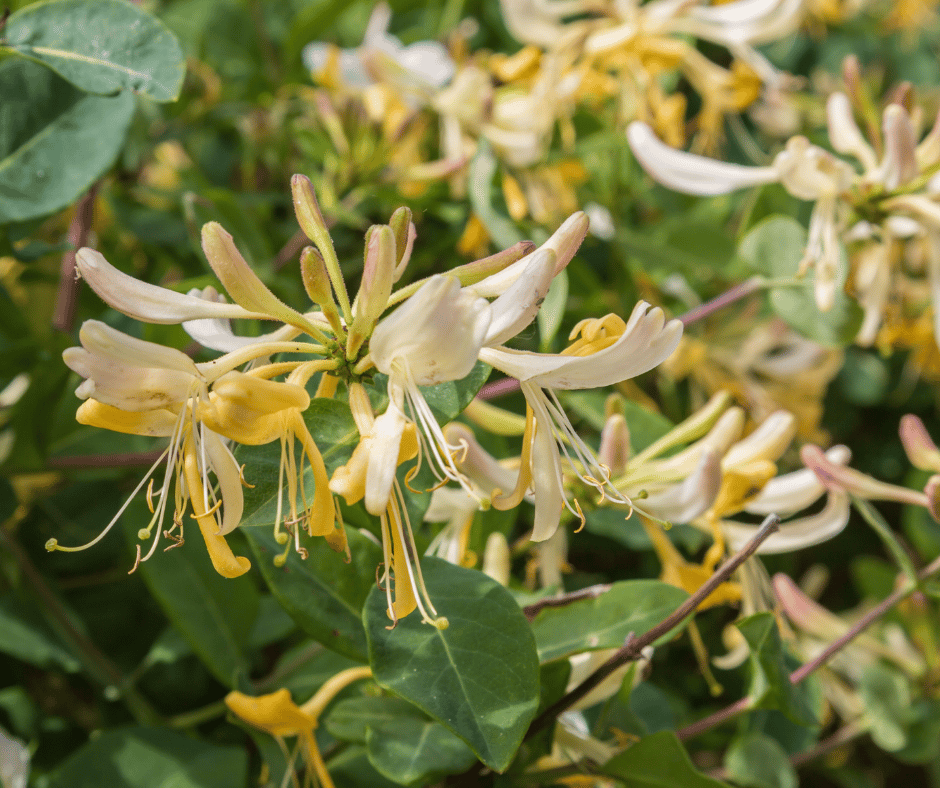
With over 180 species, honeysuckle vines offer sweet-smelling tubular blooms that attract hummingbirds and bees. The scent is most potent in warm weather and early evening.
- Best Use: Fences, trellises, arbors
- Scent Profile: Sweet, nectar-like
- Growing Zones: USDA 6–9
- Recommended Varieties: ‘Goldflame’, ‘Hall’s Japanese’
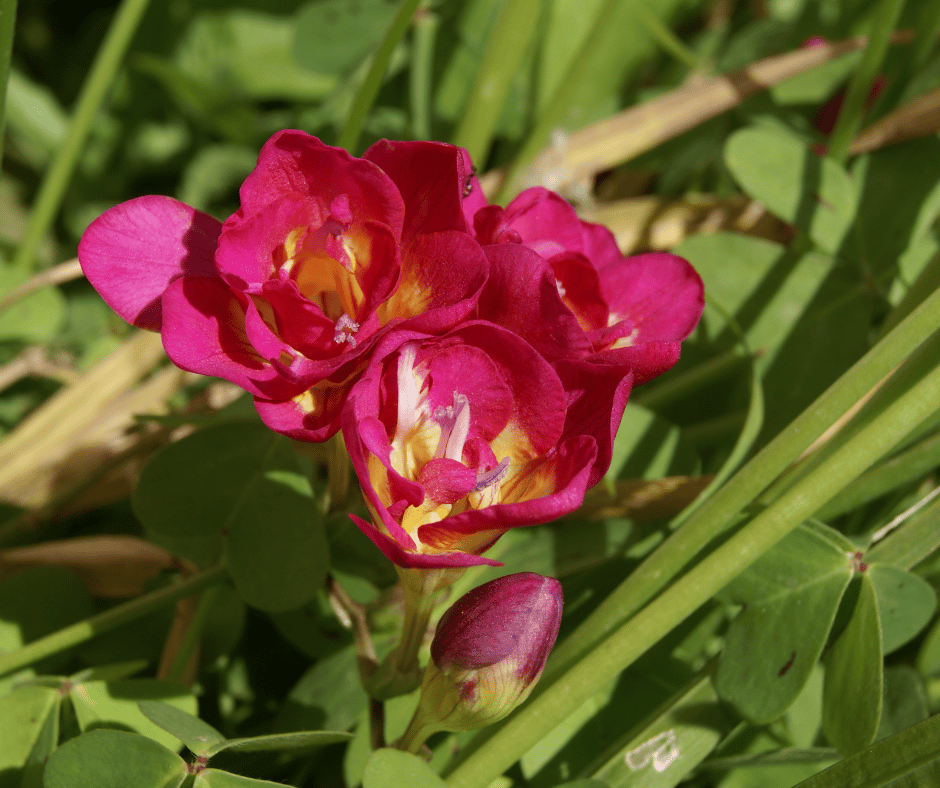
13. Freesia (Freesia spp.)
Freesias produce delicate, trumpet-shaped flowers with one of the strongest and cleanest floral scents in the garden. Often used in perfumery, their fragrance is sweet, citrusy, and uplifting.
- Best Use: Containers, cutting gardens, windowsills
- Scent Profile: Citrus, fresh, soap-like
- Growing Zones: USDA 7–11
- Tip: Start from bulbs indoors for earlier blooms
14. Flowering Crabapple (Malus spp.)
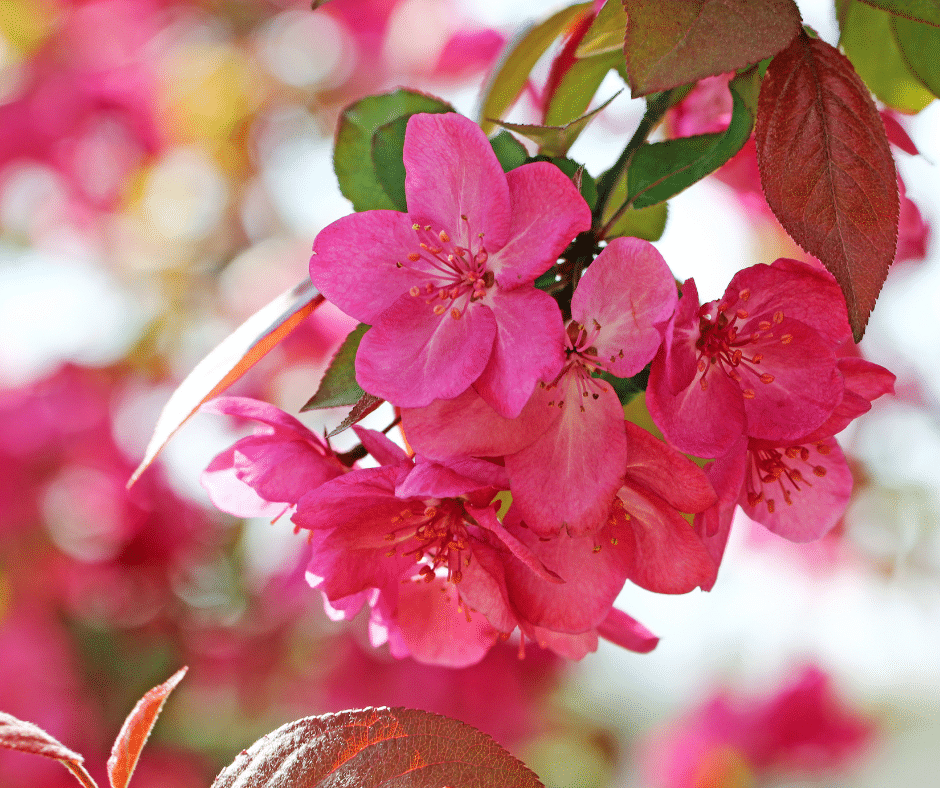
In spring, flowering crabapple trees erupt into a riot of white, pink, or red blossoms, many of which have spicy, apple-like scents. Later, tiny crabapple fruits provide food for birds and winter interest.
- Best Use: Ornamental shade tree, wildlife garden
- Scent Profile: Apple blossom, spicy-clove
- Growing Zones: USDA 4–8
- Bonus: Doubles as a pollinator tree for edible apple varieties
15. Magnolia (Magnolia grandiflora and others)
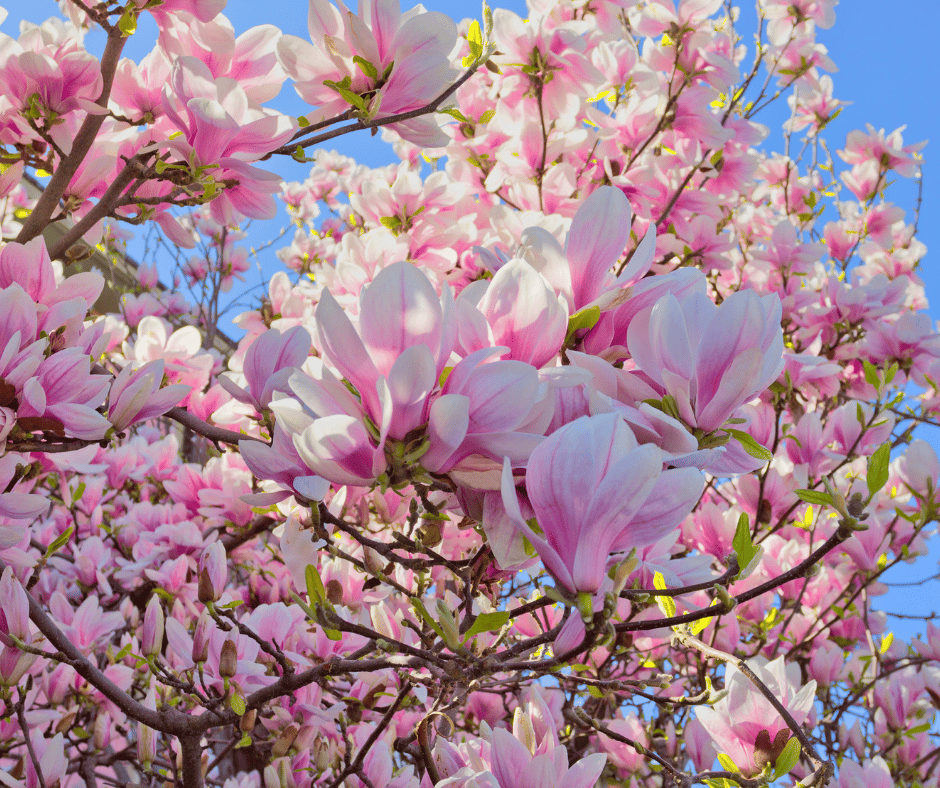
Magnolias are celebrated for their enormous, creamy white blooms that carry a uniquely lemony, champagne-like fragrance. These trees symbolize southern charm and serenity.
- Best Use: Feature tree, large landscape focal point
- Scent Profile: Citrus, floral, elegant
- Growing Zones: USDA 7–9 (some varieties like Magnolia stellata thrive in zone 5)
- Tip: Choose evergreen or deciduous varieties based on space
Planting a fragrant garden is like composing a symphony for the senses. Each plant plays its part – from the early spring scent of hyacinths to the intoxicating perfume of summer jasmine.
Whether you’re designing a moonlit garden or simply want a fragrant breeze on your porch, these 15 plants will elevate your outdoor space into a living, breathing bouquet.