Looking to take your garden to the next level – literally? Climbing vines are one of the most effective ways to add vertical interest, vibrant color, and romantic charm to any outdoor space.
Whether you’re covering a fence, trailing over an arbor, or weaving blooms into a trellis, flowering vines bring beauty where traditional plants can’t reach.
Here are 15 stunning flowering vines that will breathe life into bare walls, create privacy screens, and elevate your garden with cascading blooms from spring through fall.
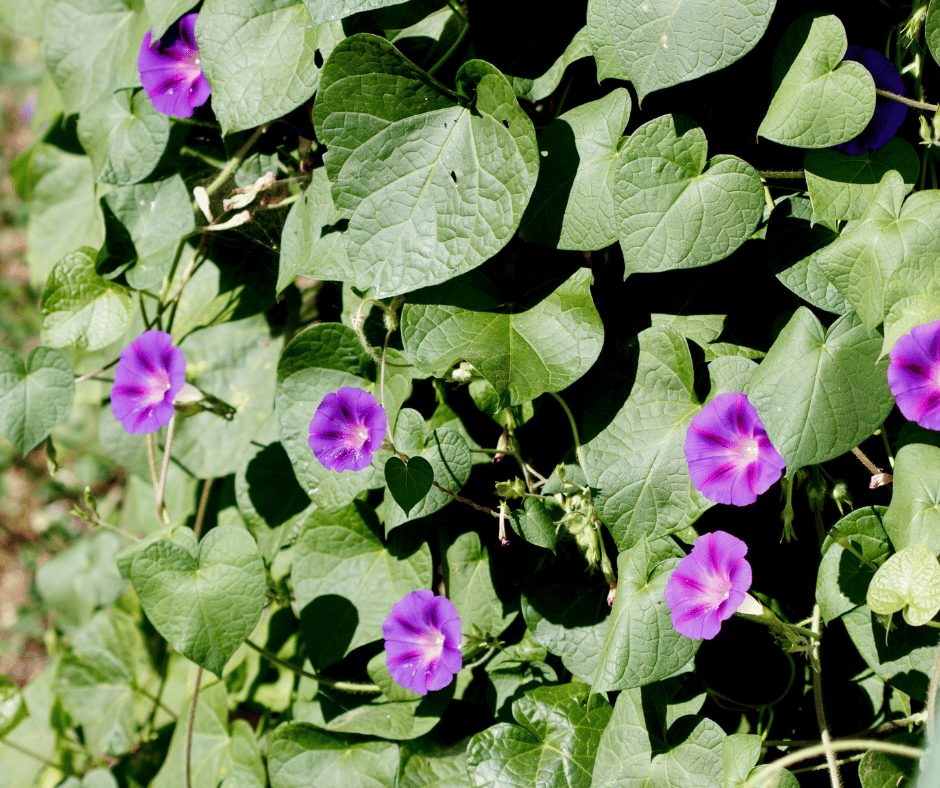
1. Morning Glory (Ipomoea purpurea)
Morning glories are fast-growing vines known for their heart-shaped leaves and trumpet-shaped blooms that unfurl each morning.
These vigorous climbers can reach heights of 10 to 30 feet in a single season, twining easily around fences, pergolas, or trellises.
Their flowers – typically in shades of blue, purple, pink, or white – open early in the day and close by afternoon, making them a joyful symbol of new beginnings.
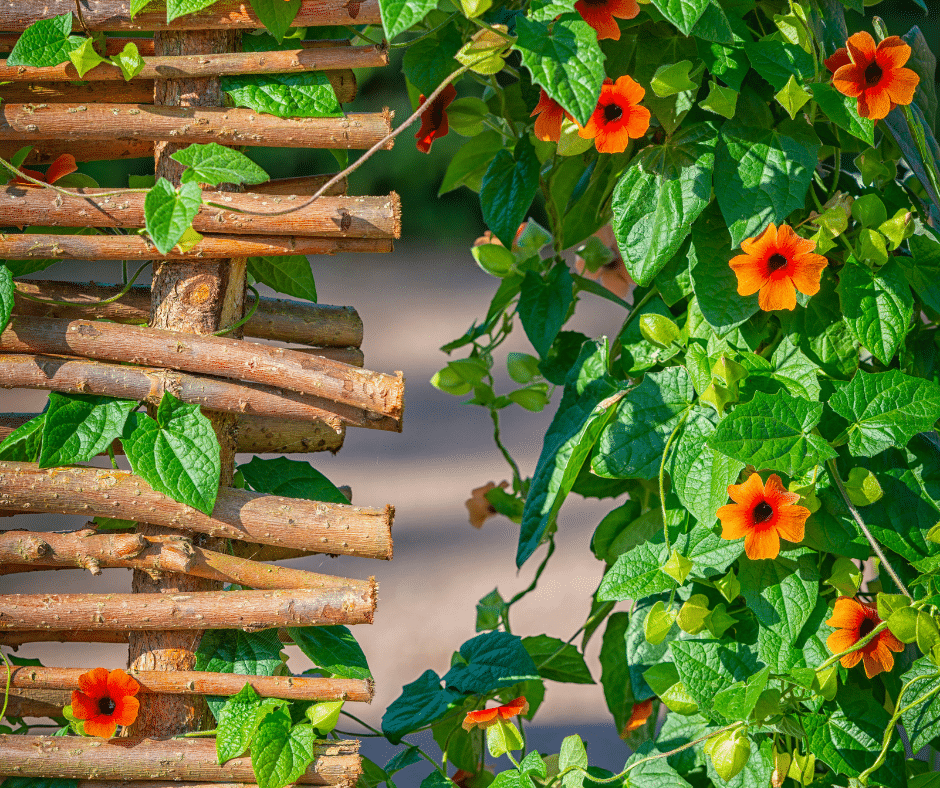
2. Black-Eyed Susan Vine (Thunbergia alata)
A charming annual climber, the black-eyed Susan vine is loved for its bright, cheerful flowers in hues of golden yellow, orange, cream, or white – all featuring a signature dark center. It’s ideal for vertical gardening in warm climates and grows easily from seed.
This vine thrives on trellises, obelisks, or even trailing from hanging baskets, adding a cheerful splash of color from summer to fall.
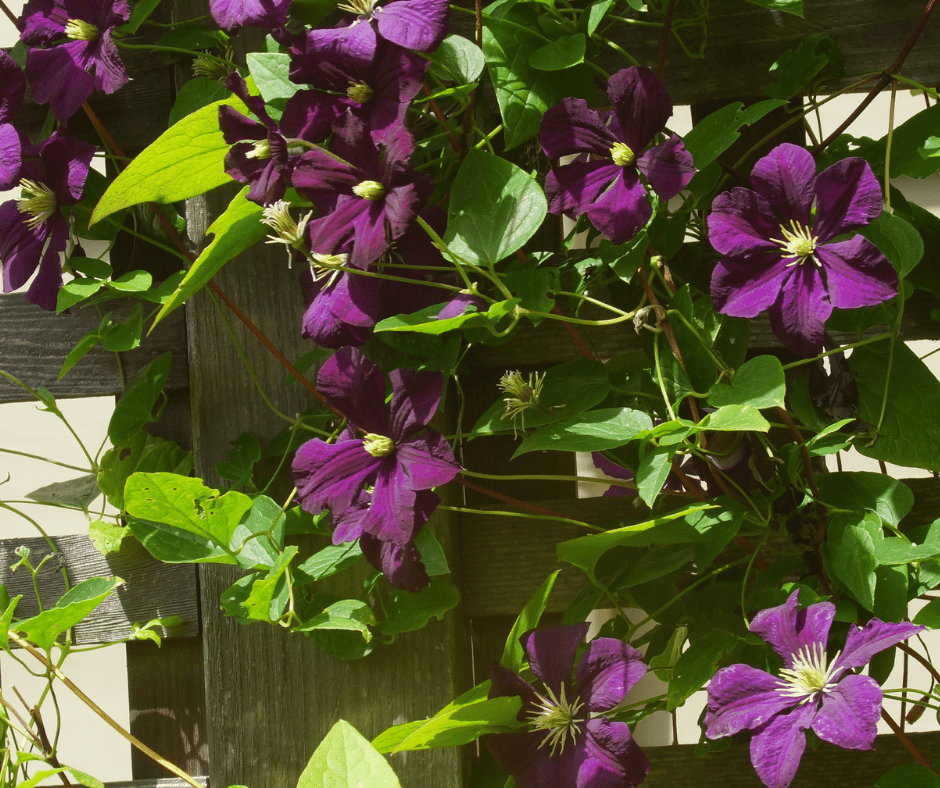
3. Clematis
Clematis is one of the most beloved flowering vines for good reason. With varieties blooming in spring, summer, or fall, clematis offers incredible diversity in both color and form.
From massive star-shaped flowers to delicate bell-like blooms, they climb easily by twining leaf stems.
Some bloom on old wood, others on new growth – so understanding your specific type will help you prune it properly for maximum flowering.
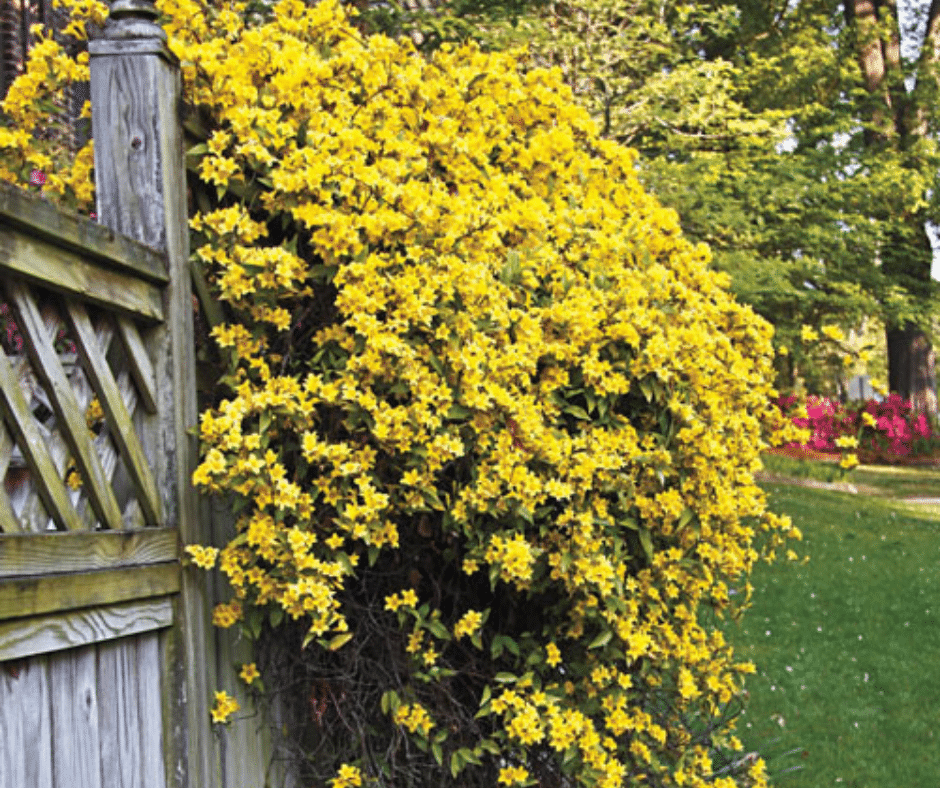
4. Carolina Jessamine (Gelsemium sempervirens)
This evergreen vine is a Southern favorite, producing fragrant, trumpet-shaped yellow flowers in early spring.
It’s drought-tolerant, deer-resistant, and an excellent option for covering unsightly fences or blank walls.
Carolina jessamine is also one of the first bloomers of the season, bringing golden color just as winter fades away.
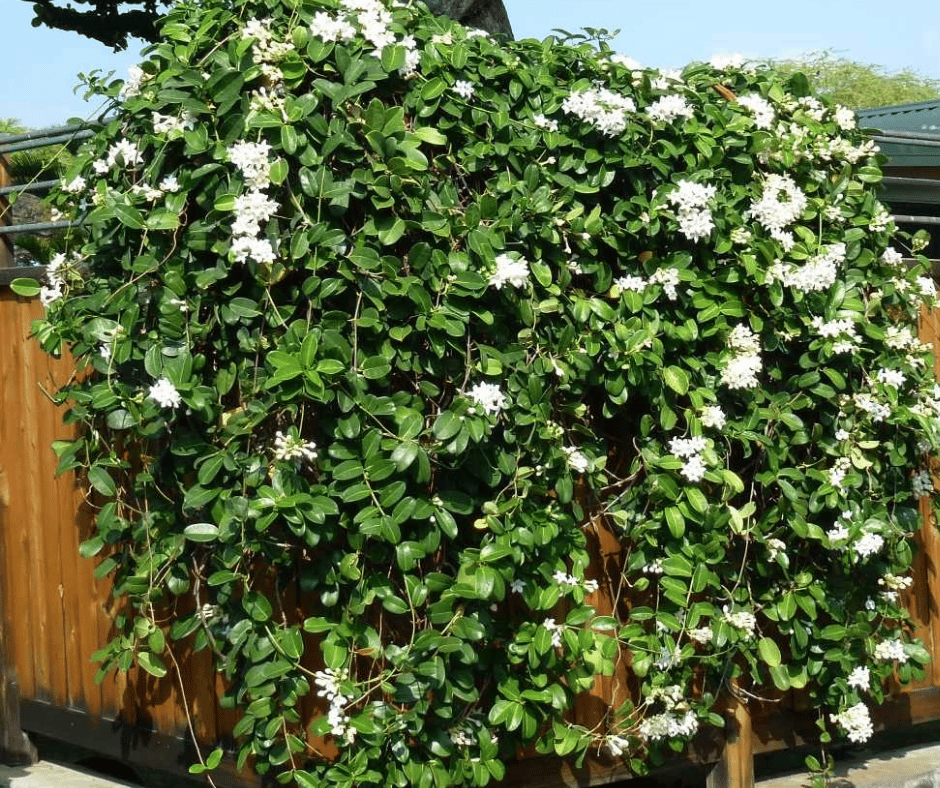
5. Madagascar Jasmine (Stephanotis floribunda)
Madagascar jasmine is an elegant, tropical vine prized for its waxy, star-shaped white flowers and rich, intoxicating fragrance.
It’s commonly used in wedding bouquets, but in the garden, it creates a stunning vertical feature with dark green, glossy foliage.
In cooler climates, it can be grown in containers and overwintered indoors to enjoy its blooms year after year.
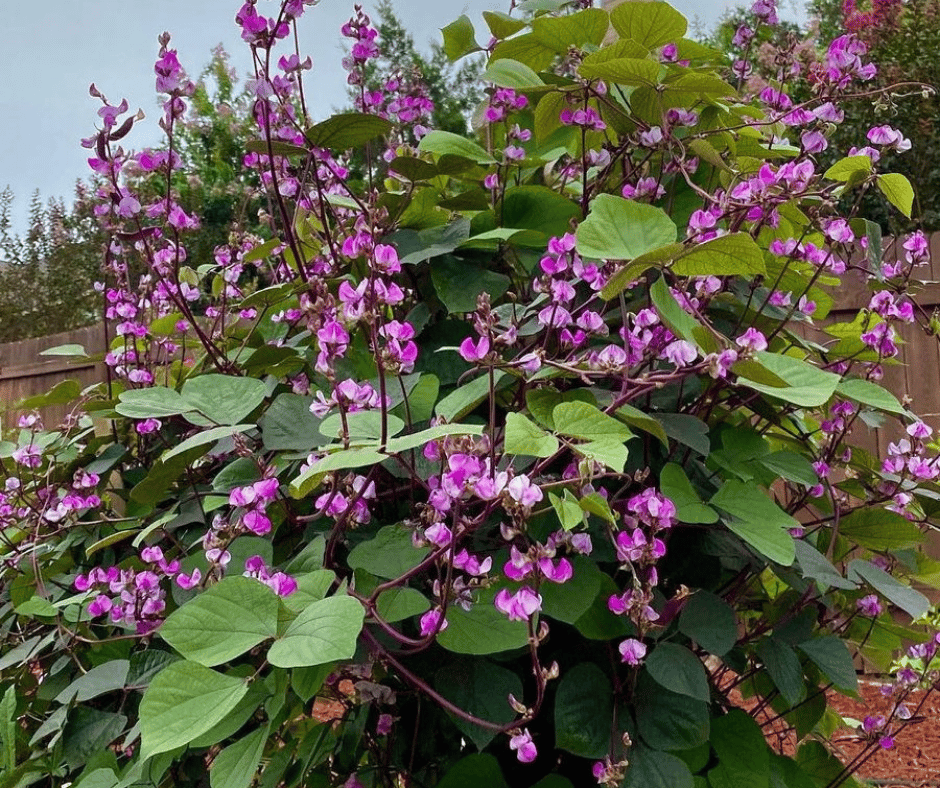
6. Hyacinth Bean Vine (Lablab purpureus)
This ornamental vine is grown as much for its foliage and striking seed pods as its blossoms.
The plant features deep green or burgundy leaves, lavender-pink flowers, and shiny purple bean-like pods that hang like ornaments.
Hyacinth bean vine grows rapidly and provides bold color for fences and garden arches – but note that the raw seeds and pods are toxic unless properly cooked.
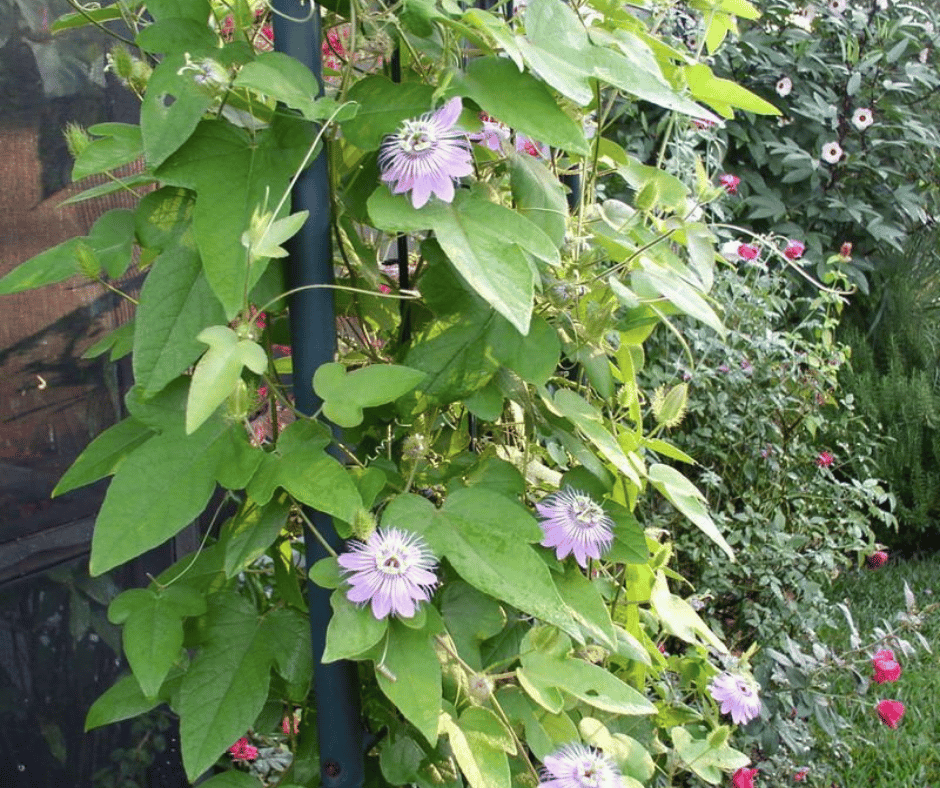
7. Passionflower Vine (Passiflora spp.)
Exotic and unmistakable, passionflower vines offer otherworldly blooms with intricate petal structures and a variety of vibrant colors.
These vines aren’t just beautiful – they’re also butterfly magnets and serve as larval host plants for several butterfly species.
In warm zones, passionflower is a perennial vine. In colder areas, it may be grown as an annual or overwintered indoors.
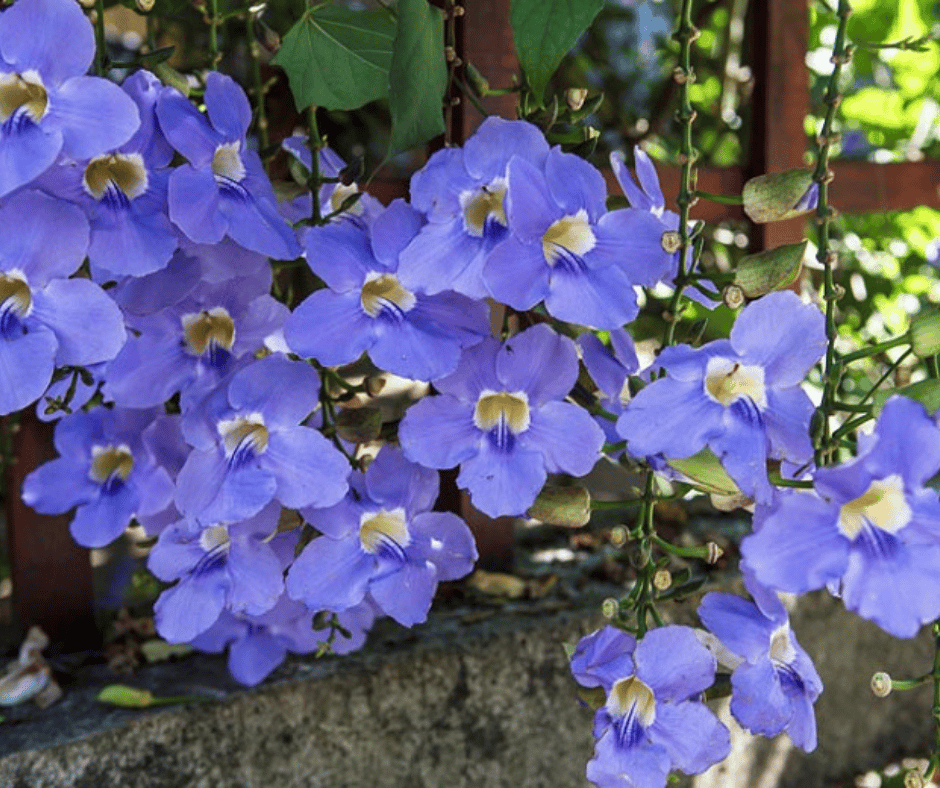
8. Blue Sky Vine (Thunbergia grandiflora)
A close relative of the black-eyed Susan vine, the blue sky vine produces clusters of large, purplish-blue flowers with yellow throats.
It’s a vigorous grower and can easily cover a trellis or fence in a single season.
Perennial in warm climates, this tropical beauty can also be grown in containers and brought inside during the winter months.
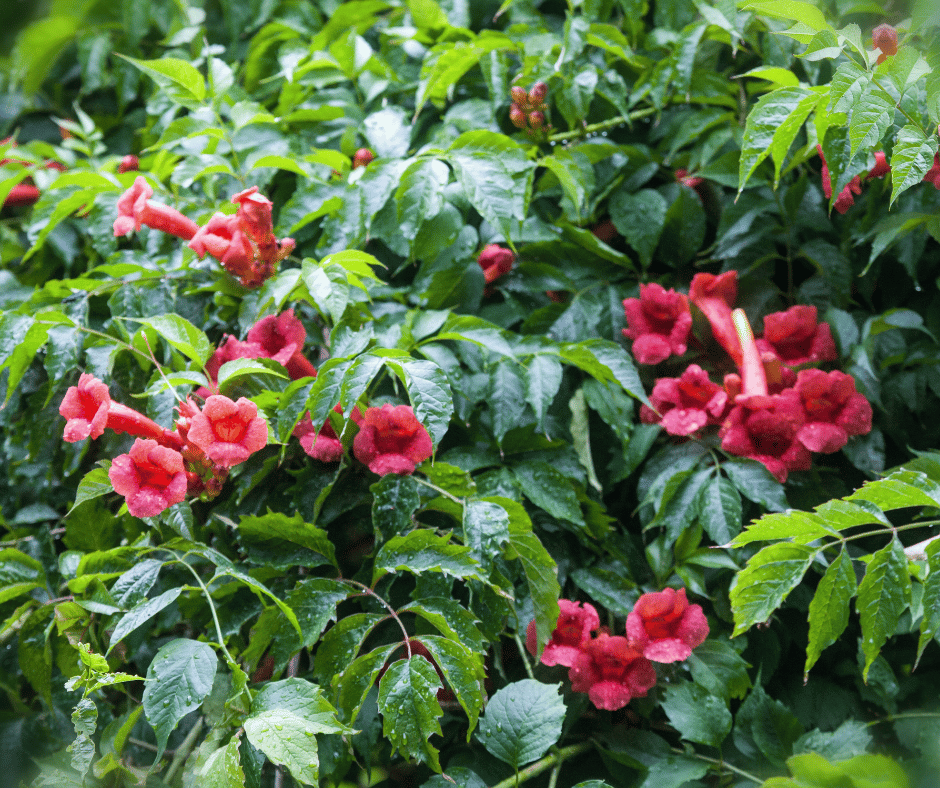
9. Trumpet Vine (Campsis radicans)
For bold, fiery color and a plant that’s hard to miss, trumpet vine is a vigorous native climber that produces large, tubular flowers in orange, red, or yellow. It attracts hummingbirds and blooms throughout summer into fall.
Due to its aggressive growth, trumpet vine is best planted away from buildings or in areas where it can spread without overtaking other plants. It needs sturdy support to handle its woody stems and weight.
10. Wisteria
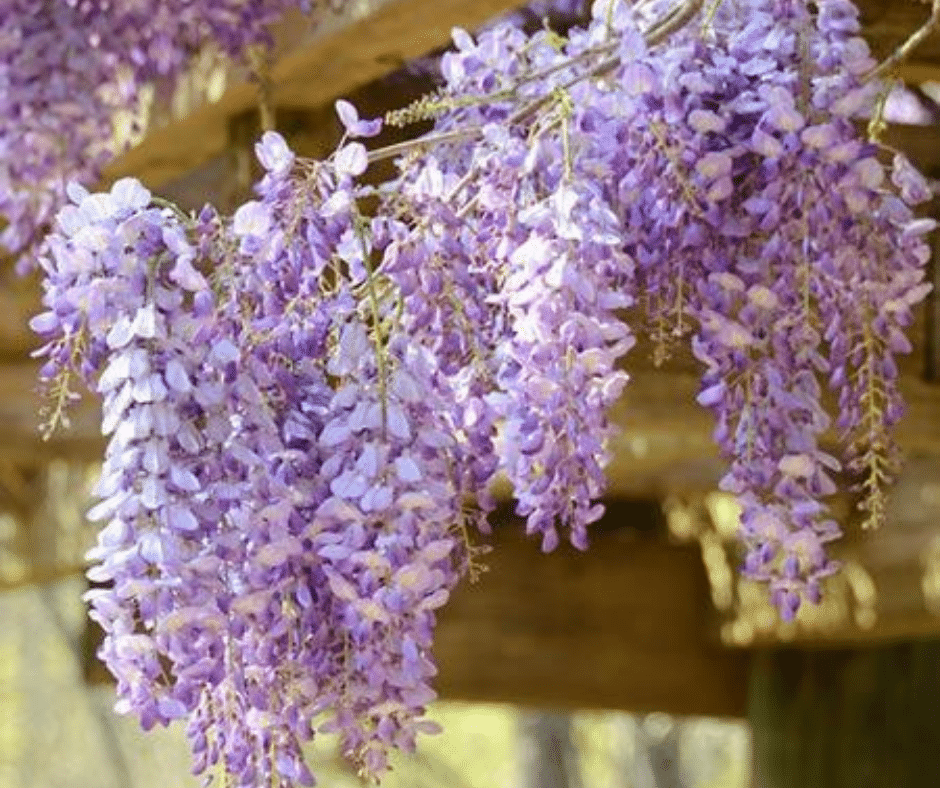
Wisteria is a show-stopping vine known for its long, cascading clusters of fragrant flowers that bloom in spring.
The blossoms – typically purple, lavender, or white – drape beautifully from pergolas and arbors, creating a romantic canopy effect.
Choose American wisteria (Wisteria frutescens) over the more invasive Asian species to keep growth in check.
Plant it where you can enjoy the fragrance, and avoid overfertilizing to encourage blooms rather than foliage.
11. Cypress Vine (Ipomoea quamoclit)
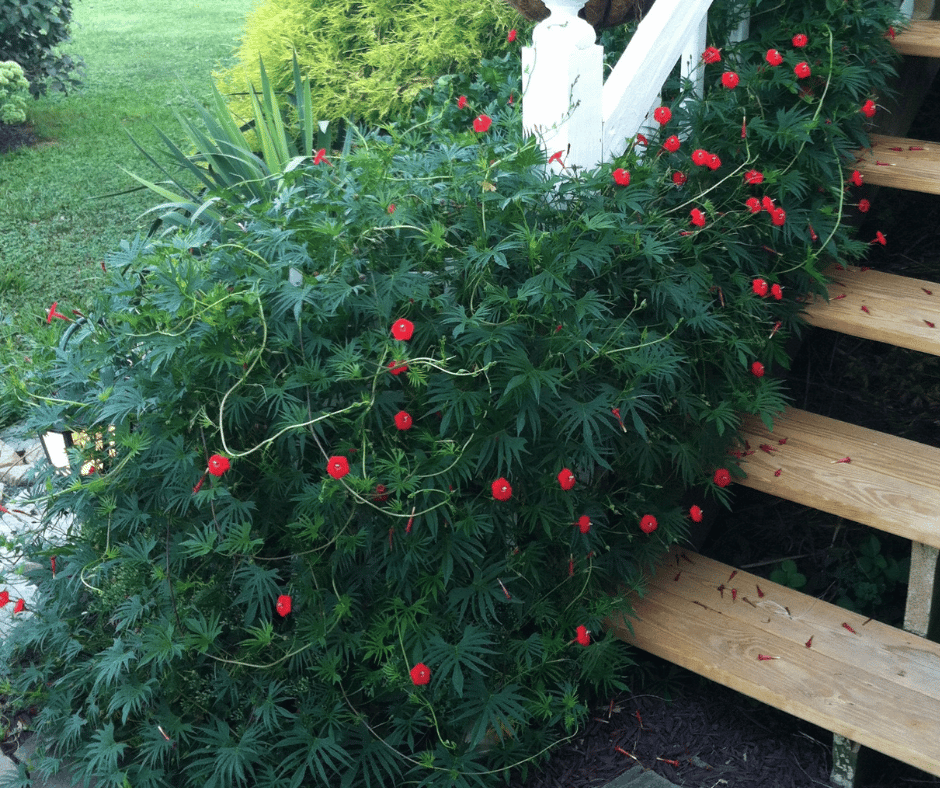
This airy annual vine has delicate, fern-like foliage and scarlet, star-shaped flowers that draw hummingbirds like magnets.
It climbs quickly – up to 15 feet in one season – and adds a fine, feathery texture to garden walls or trellises.
Cypress vine is easy to grow from seed and looks lovely mingled with other annual vines or cascading over an arbor.
12. Mandevilla
If you’re after a tropical vibe, look no further than mandevilla.
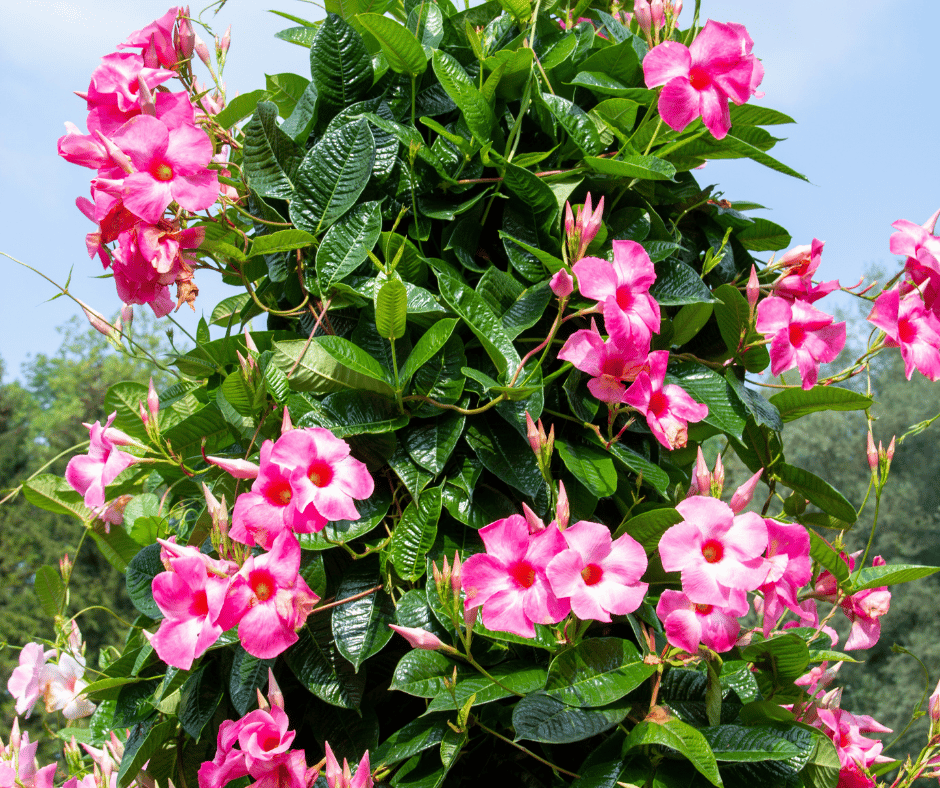
With glossy leaves and showy trumpet-shaped blooms in white, pink, or red, mandevilla vines thrive in hot weather and bloom abundantly through the summer.
They’re ideal for growing up obelisks or over patio railings and can be overwintered indoors in colder zones.
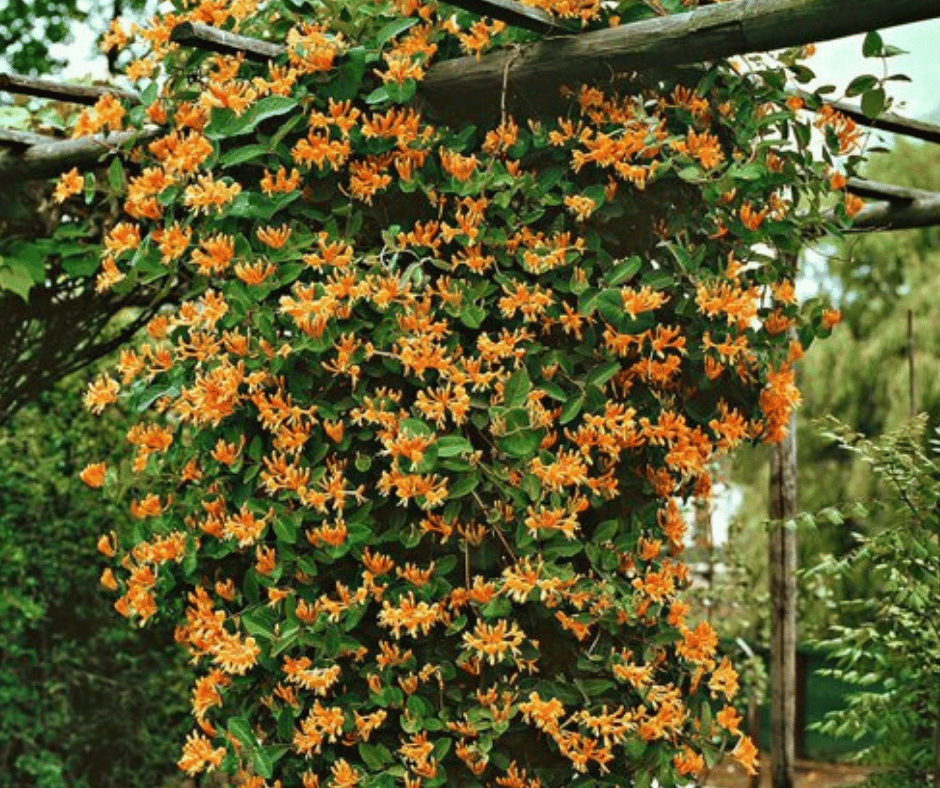
13. Honeysuckle (Lonicera spp.)
Honeysuckle vines are easy to grow and hard to resist. Their tubular, nectar-rich blooms attract bees, hummingbirds, and butterflies, while their sweet scent perfumes the air in late spring and summer.
Plant honeysuckle near seating areas or windows where you can enjoy the aroma. Choose native varieties like Lonicera sempervirens for a less invasive option than some of the Asian species.
14. Climbing Nasturtium (Tropaeolum majus)
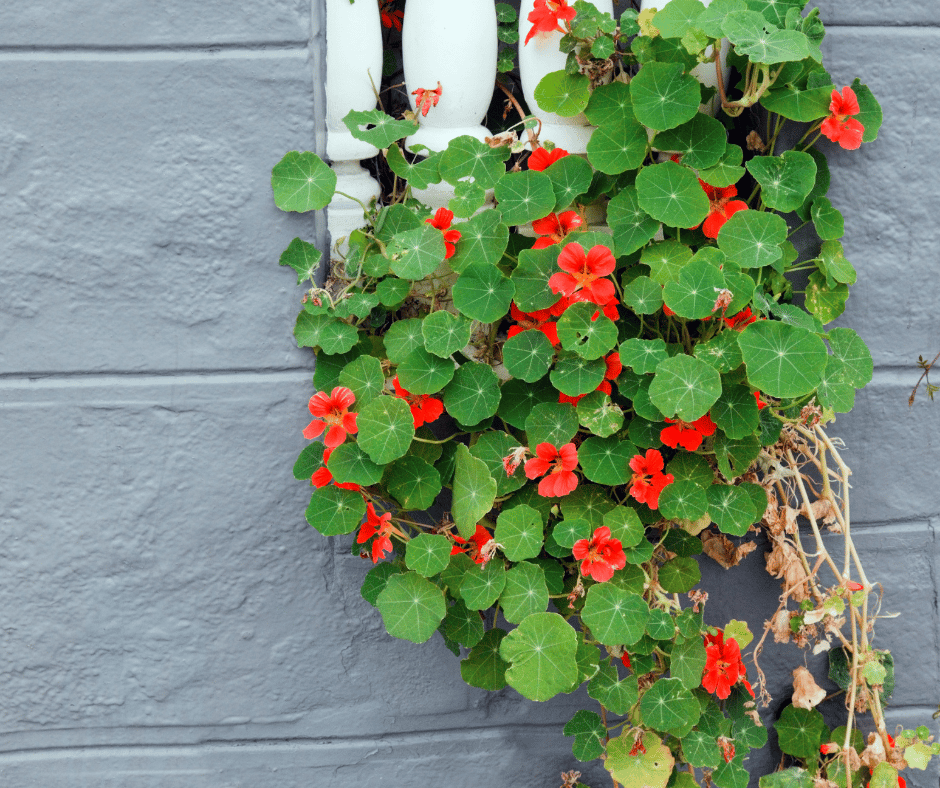
Climbing nasturtiums are cheerful, edible annual vines that bring bold color and a whimsical charm to garden structures.
Their bright red, yellow, or orange flowers are not only beautiful but also edible, with a peppery flavor.
They thrive in poorer soils, and their sprawling vines can be trained up trellises or allowed to tumble from raised beds and baskets.
15. Climbing Roses
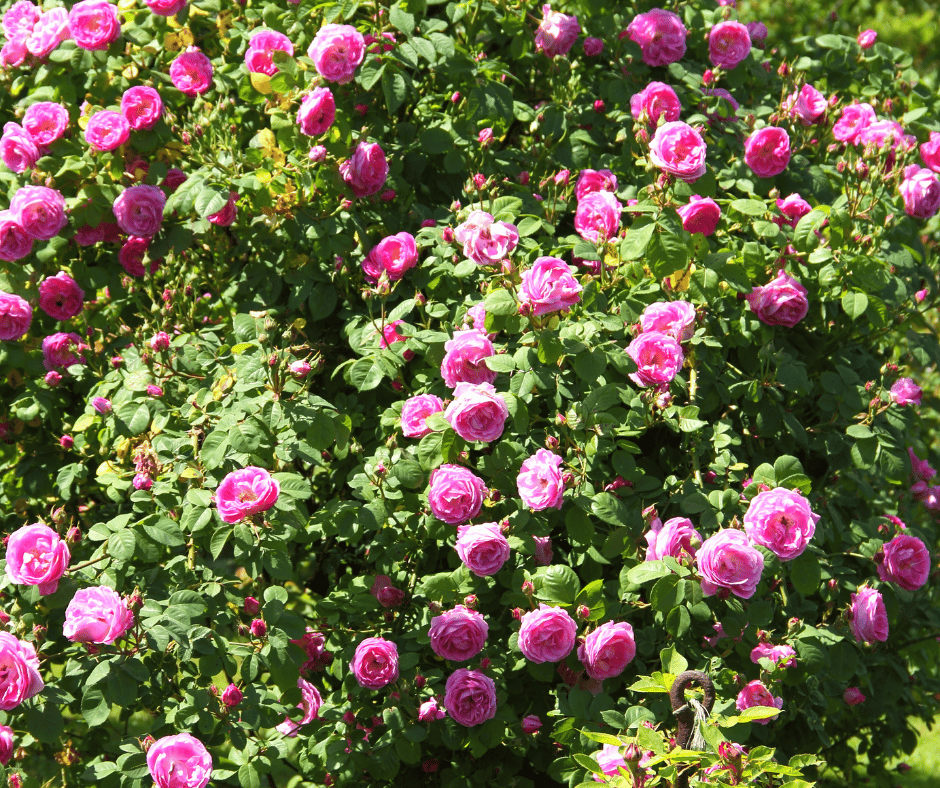
Climbing roses offer a timeless, romantic appeal with their sprawling canes and abundant blooms.
Unlike true vines, they don’t twine or cling but can be trained to grow along arbors, trellises, and fences with the help of ties or supports.
Choose repeat-blooming varieties like ‘Eden’, ‘Don Juan’, or ‘New Dawn’ for a continuous display throughout the growing season. Regular deadheading and pruning will keep them blooming and under control.
Flowering vines offer more than just vertical coverage – they create drama, attract pollinators, and soften the lines of hardscapes with lush greenery and cascading blossoms.
Whether you’re looking for fragrance, fast growth, or exotic beauty, these 15 vines will help you add new life, height, and color to every corner of your garden.