African violets (Saintpaulia) are one of the most popular and rewarding houseplants. These vibrant, easy-to-grow flowers bring color and charm to any indoor space.
Native to East Africa, particularly the mountainous regions, African violets naturally grow in humid, shaded environments, making them ideal for indoor cultivation. Their continuous blooming ability and adaptability have made them a favorite among houseplant enthusiasts.
In this guide, you’ll learn how to care for African violets, from choosing the right soil and lighting to watering techniques, propagation, and disease prevention.
Understanding African Violets
1. The Origin and History
African violets were first discovered in 1893 by Baron Walter von Saint Paul, who brought them to Europe. The plant was named Saintpaulia in his honor. Since then, it has been cultivated worldwide and adapted to indoor life, where it thrives with proper care.
2. Physical Characteristics
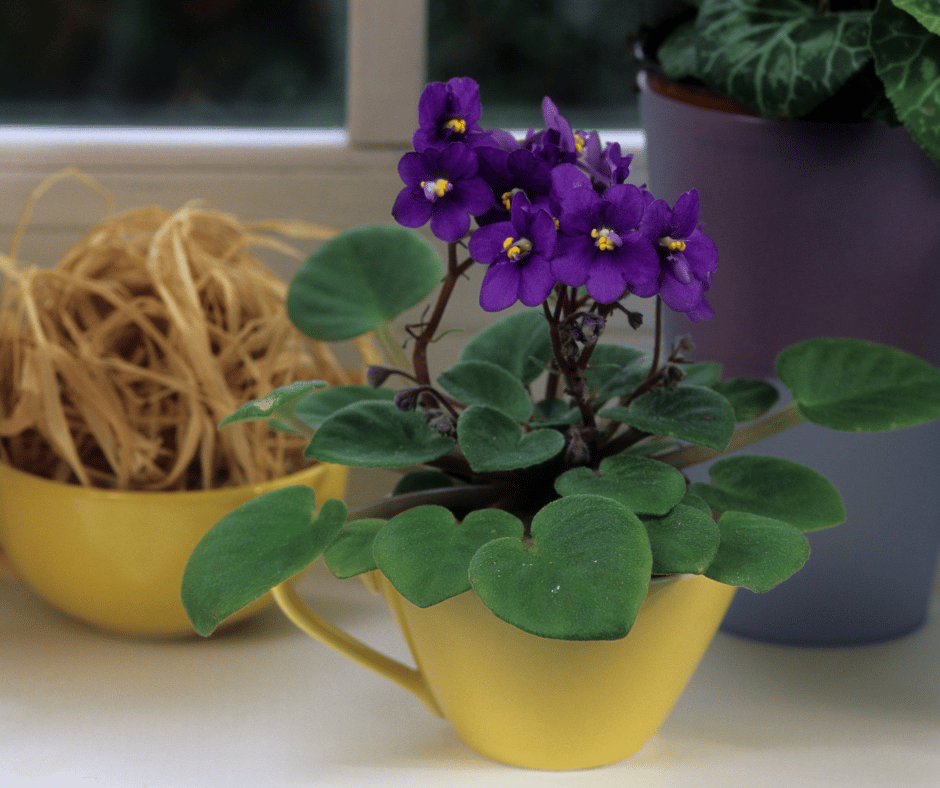
- African violets have dark green, hairy leaves, typically oval-shaped.
- Flowers come in a range of colors including violet, pink, blue, white, and cream.
- Blooms can measure up to an inch in size, while miniature varieties remain smaller.
- Compact growth makes them ideal for windowsills and tabletops.
How to Care for African Violets Indoors
1. Temperature and Humidity
African violets thrive in temperatures of 70–75°F (21–24°C) during the day and 60°F (16°C) at night.
Tips:
- Keep them away from drafts and direct airflow from heaters or air conditioners.
- Maintain a humidity level of 50-60%.
- Use a humidity tray or place a dish of water near the plants to increase moisture in dry climates.
2. Best Light Conditions
Proper lighting is essential for continuous blooming.
- Ideal Placement: A south-facing or west-facing window is best.
- Alternative Light Sources: If natural light is insufficient, use fluorescent grow lights placed 12 inches above the plant.
- Avoid Direct Sunlight: Too much exposure can cause leaf scorch.
- Rotate Plants Regularly: This ensures even light distribution and symmetrical growth.
3. Watering African Violets
Watering is one of the most crucial aspects of African violet care.
Best Practices:
- Use room-temperature water to prevent cold damage.
- Water from the bottom to avoid leaf spotting and fungal infections.
- Self-watering pots or a wick system help regulate moisture levels.
- Keep the soil evenly moist but not waterlogged.
Common Watering Mistakes:
- Overwatering leads to root rot.
- Wetting leaves causes white spots and fungal infections.
4. Choosing the Right Soil
African violets require light, well-draining soil. A standard houseplant mix is too dense, so opt for a specialized African violet potting mix or create your own.
DIY Soil Mix:
- 1 part peat moss or humus-based compost
- 1 part vermiculite
- 1 part perlite
This mix ensures proper aeration and moisture retention while preventing soil compaction.
5. Fertilizing African Violets
Like any plant, African violets require nutrients for healthy growth and flowering.
Best Fertilizers:
- Specialized African violet fertilizers (e.g., Miracle-Gro, Schultz, Dyna-Gro).
- Use a balanced fertilizer (20-20-20) diluted to half strength.
- Fertilize every 2-4 weeks, reducing frequency in winter months.
Avoid Over-Fertilizing:
- Too much fertilizer can lead to salt buildup, which damages roots.
- Flush soil occasionally by watering thoroughly to remove excess salts.
6. Propagating African Violets
African violets can be propagated easily through leaf cuttings.
How to Propagate African Violets from Leaf Cuttings:
- Choose a healthy leaf from the parent plant.
- Cut the leaf at a 45-degree angle, leaving about 1-2 inches of stem.
- Insert the stem into moist African violet potting mix.
- Cover with a plastic dome or bag to maintain humidity.
- Place in bright, indirect light and wait 6-8 weeks for new growth.
Common African Violet Problems and Solutions
1. Pests and Diseases
African violets are susceptible to mealybugs, spider mites, and fungal infections.
Solution:
- Use Neem oil or insecticidal soap to treat infestations.
- Keep plants well-ventilated to prevent powdery mildew.
2. Yellowing Leaves
Caused by overwatering, poor drainage, or lack of nutrients.
Solution:
- Reduce watering and ensure proper drainage.
- Use a balanced fertilizer.
- Avoid placing the plant in direct sun.
3. Brown Spots on Leaves
Cold water splashes or fungal diseases can cause spots on leaves.
Solution:
- Always water with room-temperature water.
- Water from the bottom.
- Remove affected leaves to prevent further spread.
4. Lack of Flowering
If your African violet isn’t blooming, it could be due to insufficient light, improper watering, or nutrient deficiency.
Solution:
- Move to brighter, indirect light.
- Ensure the temperature stays above 60°F at night.
- Fertilize regularly using a phosphorus-rich formula.
Miniature African Violets: Small Plants with Big Appeal
Miniature African violets are compact versions of the standard variety, measuring less than six inches across.
Why Grow Miniature African Violets?
- Require less space but produce just as many flowers.
- Perfect for windowsills, desks, and small apartments.
- Available in various colors and forms, including frilled and trailing varieties.
Miniature African Violet Care Tips:
- Use small pots (2 to 3 inches in diameter).
- Water sparingly to prevent root rot.
- Provide at least 4 hours of indirect sunlight daily.
African violets are delicate yet resilient houseplants that reward proper care with continuous blooms.
By maintaining optimal temperature, light, humidity, and soil conditions, you can enjoy their vibrant flowers year-round.
Whether you grow standard or miniature varieties, these plants make a stunning addition to any indoor garden.