Most plants release oxygen during the day through photosynthesis. But did you know that a select group of plants continue releasing oxygen at night?
These nighttime oxygen-producers are invaluable for improving indoor air quality, supporting sleep, reducing stress, and creating a healthier living space – all while adding natural beauty to your home.
Why Some Plants Release Oxygen at Night
Most plants follow a photosynthesis cycle known as C3 photosynthesis, which means they release oxygen only when exposed to sunlight.
However, certain plants use an alternative pathway referred to as CAM (Crassulacean Acid Metabolism) photosynthesis.
CAM plants absorb carbon dioxide at night and release oxygen through specialized water-saving adaptations.
In nature, these plants typically grow in dry or desert-like climates, where opening their stomata during the day would cause excessive water loss.
This unique trait makes them ideal for indoor environments, especially bedrooms where fresh oxygen is beneficial during sleep.
Benefits of Keeping Nighttime Oxygen-Producing Plants Indoors
Bringing these plants into your home offers a wide range of benefits:
- They help maintain oxygen levels during the night
- They support lung and respiratory health
- Many filter harmful indoor pollutants like formaldehyde, benzene, xylene, and VOCs
- They create a calming atmosphere that improves sleep quality
- They add humidity, which soothes dry airways and the skin
- They naturally help people with asthma, allergies, or sinus issues
- They reduce stress and enhance emotional well-being
Even a single plant can make a noticeable difference to your air quality over time. But when combined thoughtfully, these plants create a powerful indoor ecosystem that works 24 hours a day.
8 Best Indoor Plants That Release Oxygen at Night
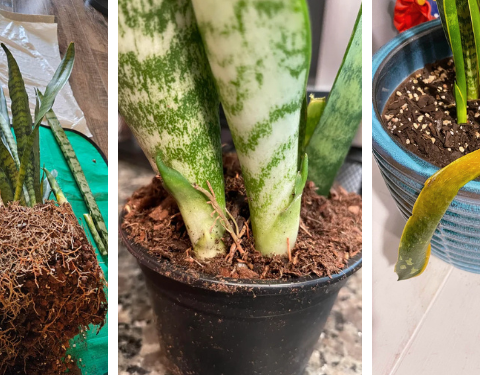
1. Snake Plant (Sansevieria trifasciata)
Often called Mother-in-Law’s Tongue, the snake plant is one of the most reliable oxygen-producing plants on Earth.
It is famous for converting carbon dioxide into oxygen at night and filtering toxins such as:
- Formaldehyde
- Xylene
- Benzene
- Trichloroethylene
It thrives on neglect and handles low light, inconsistent watering, and dry air with ease.
Why it matters: Snake plants are ideal for bedrooms because they release oxygen continuously and are nearly impossible to kill.
They also act as silent air purifiers, making them one of NASA’s top recommended plants for improving indoor air quality.
2. Aloe Vera
Aloe vera is a CAM plant that releases oxygen at night and is revered for its medicinal gel, used for burns, skin irritation, and inflammation.
Aside from its therapeutic benefits, aloe vera helps remove volatile chemicals often found in household products.
It thrives in bright light and needs very little water, making it a low-maintenance addition to bedrooms or sunny window sills.
Why it matters: Aloe not only improves air quality while you sleep but doubles as an instant home remedy plant.
3. Areca Palm
The Areca palm is a tropical plant known for releasing high levels of oxygen while improving air humidity. It can remove xylene, toluene, and other pollutants from the air, while maintaining moisture in dry rooms.
Unlike some palms, it performs well indoors if given moderate light and regular watering.
Why it matters: This plant is excellent for people with respiratory issues, dry throat, and skin sensitivities, and its lush appearance instantly transforms indoor spaces into a serene environment.
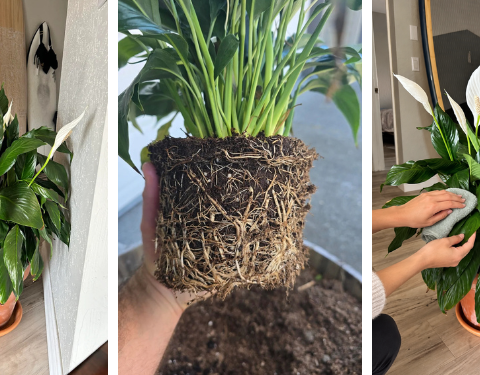
4. Peace Lily (Spathiphyllum)
While peace lilies do most of their oxygen production during the day, they continue low-level oxygen release at night and are known for purifying air pollutants better than most houseplants.
They are especially good at removing mold spores, making them perfect for damp areas such as bathrooms and bedrooms.
Why it matters: The peace lily’s elegant flowers and powerful air-cleansing abilities create a cleaner breathing environment and a calmer emotional atmosphere.
5. Gerbera Daisy (Gerbera jamesonii)
This colorful flowering plant isn’t just beautiful—it’s one of the few flowering plants that produces oxygen at night.
Gerberas are highly effective at removing benzene and trichloroethylene, common in synthetic fabrics, paints, and chemical cleaners.
They prefer bright, direct light and need regular watering, but they reward you with vivid blooms and purified bedroom air.
Why it matters: Gerbera daisies are one of the best air-cleaning plants for people who need extra oxygen at night—especially those with sleep apnea or seasonal breathing issues.
6. Christmas Cactus (Schlumbergera bridgesii)
This popular winter-blooming plant is a CAM succulent that absorbs carbon dioxide at night and releases oxygen. It is non-toxic to pets, easy to grow, and adds bright color to indoor spaces during winter months.
It likes indirect light, humidity, and moderate watering.
Why it matters: The Christmas cactus combines beauty, safe indoor growing, and nighttime oxygen release—making it one of the most beneficial houseplants for bedrooms and small apartments.
7. Orchid (Phalaenopsis and other varieties)
Orchids use CAM photosynthesis, meaning they produce oxygen at night. They also absorb xylene from pollution and give off a delicate scent that can help create a relaxing, luxurious atmosphere.
They prefer indirect light and moderate humidity and can rebloom every year with proper care.
Why it matters: Orchids not only purify air and release oxygen while you sleep – they also elevate the mood of any room with their stunning appearance and calming fragrance.
8. Tulsi / Holy Basil (Ocimum sanctum)
Holy basil is highly regarded in Ayurvedic medicine and is considered a sacred plant in many cultures. Unlike common basil, Tulsi releases oxygen at night and contains powerful antibacterial and antioxidant compounds.
It can improve immunity, reduce stress, support the respiratory system, and release a clean, refreshing scent.
Why it matters: Tulsi is both an oxygen-producing houseplant and a medicinal herb – making it one of the most valuable plants you can keep indoors.
Best Places in the Home for Nighttime Oxygen Plants
These plants are especially beneficial in:
- Bedrooms – to boost nighttime oxygen and support restful sleep
- Home offices – for mental focus and clean air
- Living rooms – to remove VOCs and pollutants
- Bathrooms – where humidity helps tropical plants thrive
- Nurseries or kids’ rooms – for cleaner air and healthier breathing
Using a combination of these plants creates a round-the-clock air purification system that continues working even while you rest.
Care Tips for Success
Although these plants are generally easy to maintain, they do best when:
- They have good drainage and are not overwatered
- They receive indirect sunlight or filtered light
- They have proper airflow in the room
- Leaves are wiped occasionally to keep pores from clogging
- They are not exposed to extreme cold or drafts
Snake plants, aloe vera, and Christmas cactus are especially low-maintenance for beginners, while orchids and gerberas may require slightly more care and attention.
Plants that release oxygen at night are more than décor – they support deep, restorative sleep, purify indoor air, reduce toxins, and help restore the natural balance that modern indoor living often disrupts.