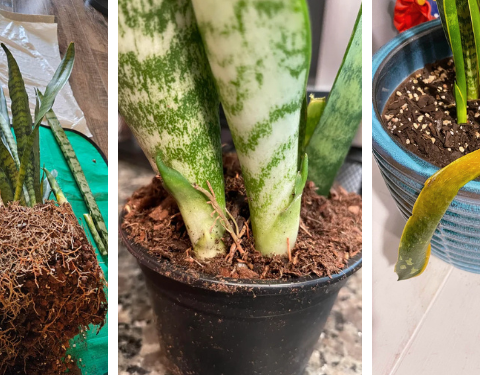
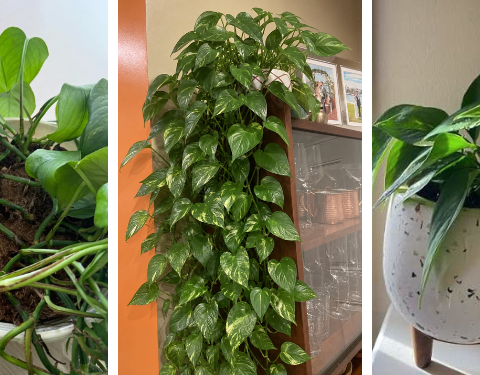
When bringing houseplants into your home, it’s essential not only to consider their aesthetics and ease of care but also their safety – especially if you have pets. Many common indoor plants are toxic to cats and dogs, causing anything from mild irritation to serious health problems if ingested.
Fortunately, there are plenty of beautiful, low-maintenance houseplants that are non-toxic to pets and can coexist peacefully with your furry friends.
Here’s a list of 15 pet-friendly houseplants that are safe to grow indoors and will add beauty, greenery, and even air-purifying benefits to your home – without endangering your beloved pets.
1. Ponytail Palm (Beaucarnea recurvata)
Despite its name, the ponytail palm is technically a succulent. It features a bulbous trunk and long, cascading, hair-like leaves that resemble a ponytail.
This drought-tolerant plant is incredibly easy to care for – it requires minimal watering and thrives in bright, indirect light.
- Pet-safe? Yes
- Care level: Very easy
- Light needs: Bright, indirect light
- Watering: Every 2–3 weeks; allow soil to dry out between waterings
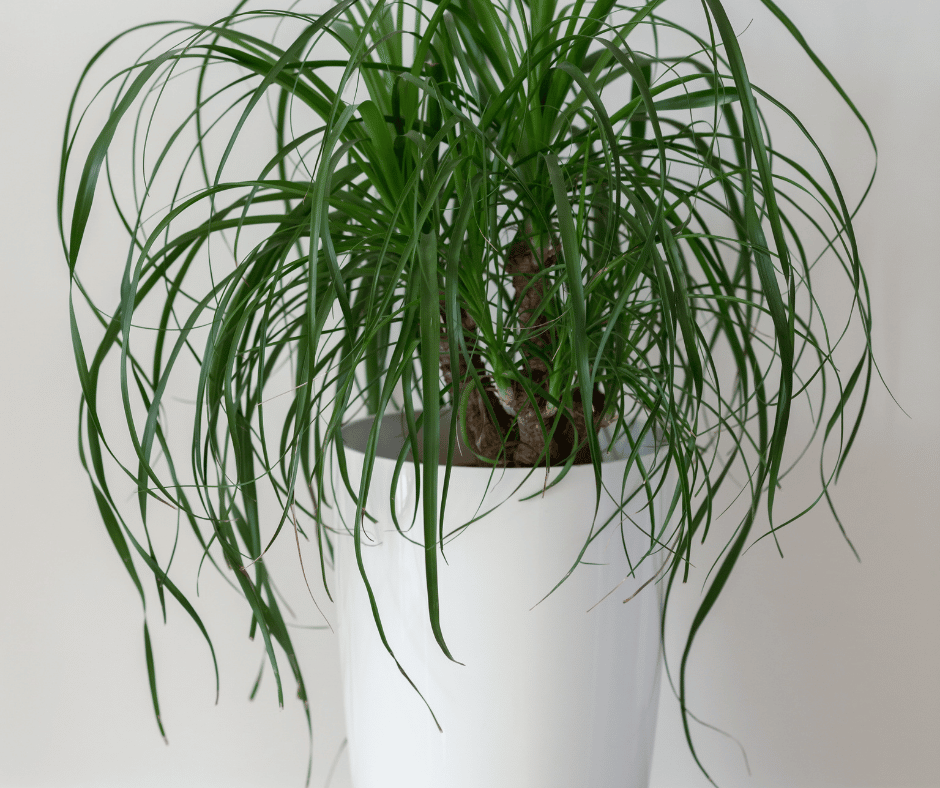
Ponytail palm’s botanical name is Beaucarnea recurvata. It is a plant that requires little effort, and it is beautiful with its palm tree looks.
2. Prayer Plant (Maranta leuconeura)
The prayer plant gets its name from the way its leaves fold up at night, resembling praying hands. It has striking, colorful foliage with patterns of green, red, and purple.
- Pet-safe? Yes
- Care level: Moderate
- Light needs: Low to bright indirect light
- Watering: Keep soil consistently moist but not soggy
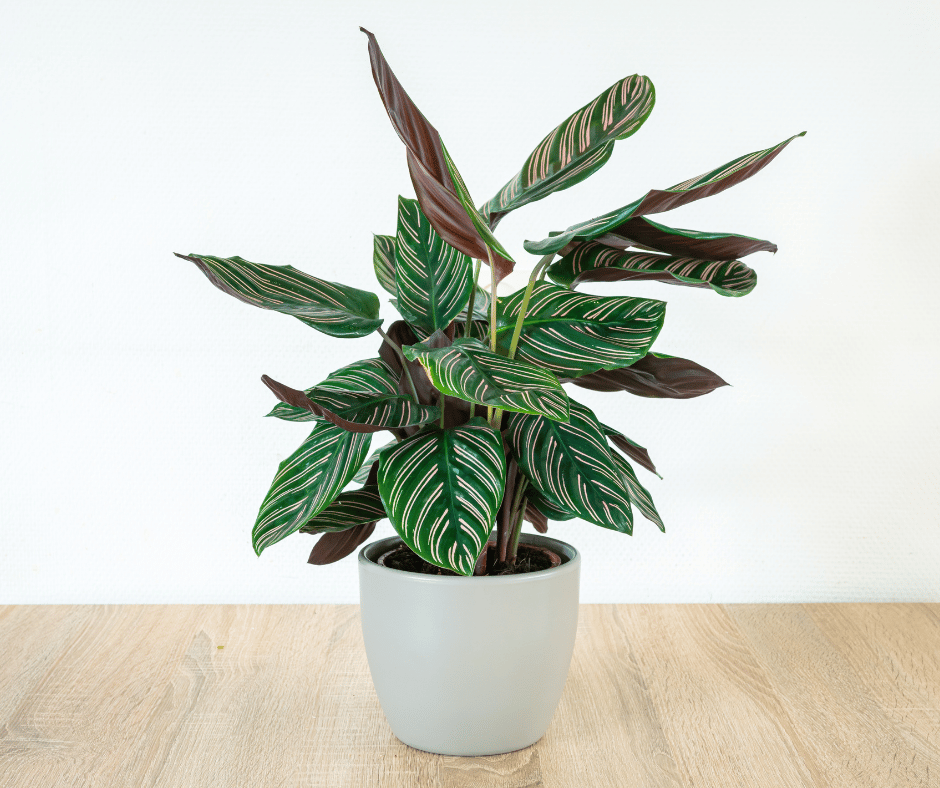
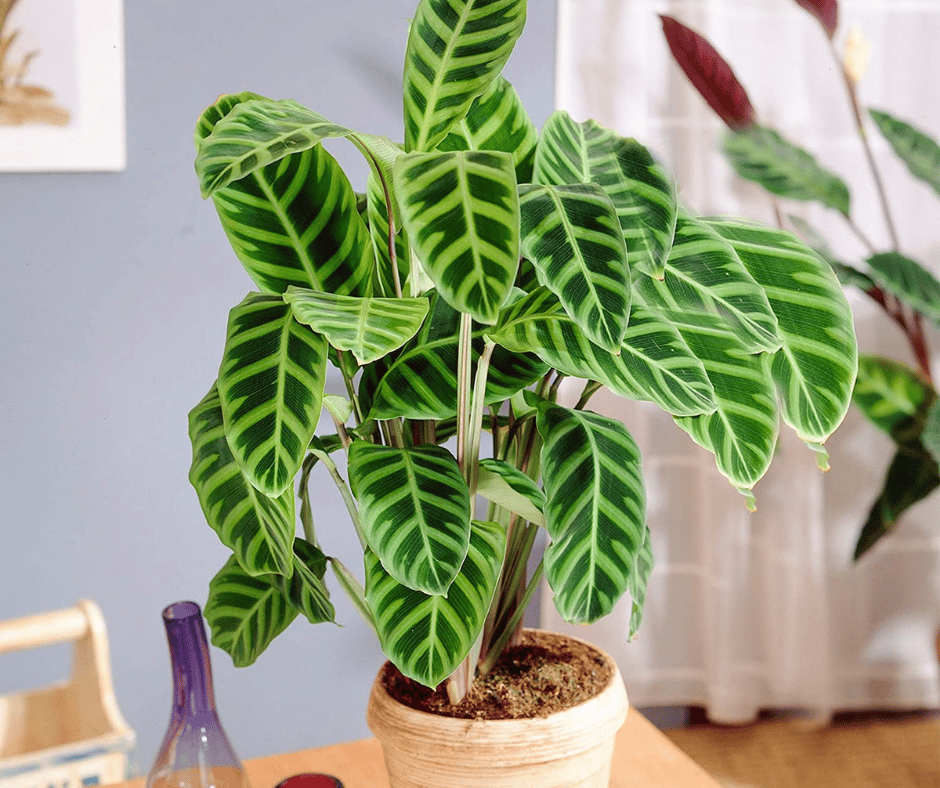
3. Zebra Calathea (Calathea zebrina)
Known for its velvety leaves with dark green zebra-like stripes, this plant makes an eye-catching addition to any room. Calatheas are known for being sensitive but rewarding if properly cared for.
- Pet-safe? Yes
- Care level: Moderate
- Light needs: Medium to low indirect light
- Watering: Keep the soil consistently damp; prefers high humidity
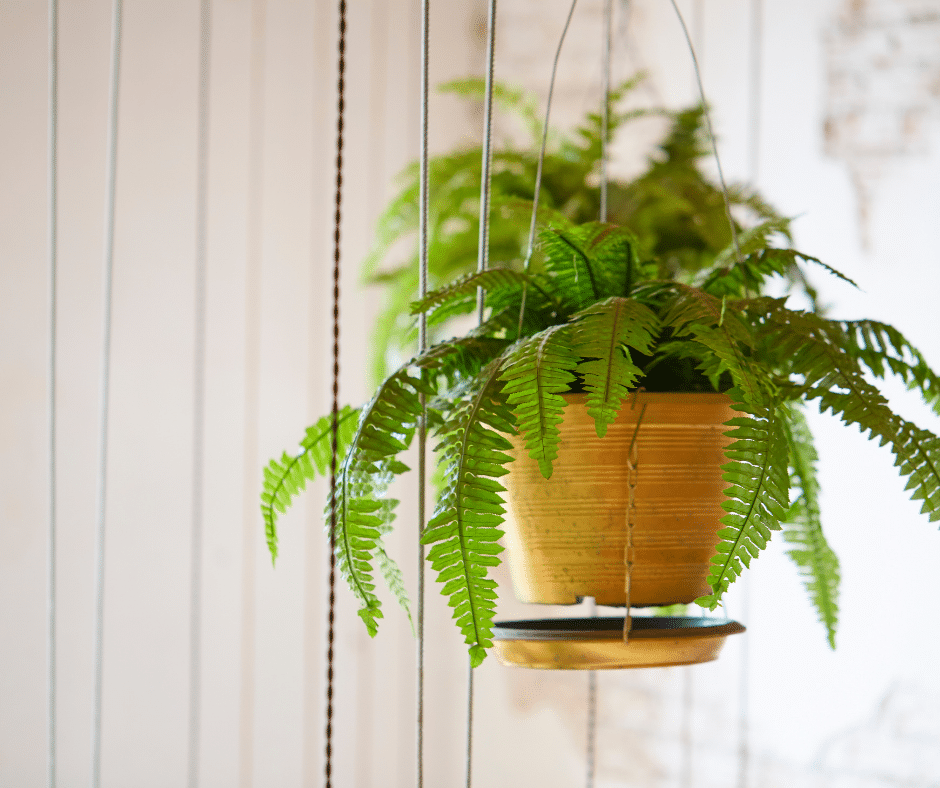
4. Boston Fern (Nephrolepis exaltata)
Boston ferns bring a lush, tropical feel to any space. Their long, feathery fronds do well in hanging baskets or elevated planters and they’re excellent for humid environments.
- Pet-safe? Yes
- Care level: Moderate
- Light needs: Bright, indirect light
- Watering: Keep soil consistently moist; loves high humidity
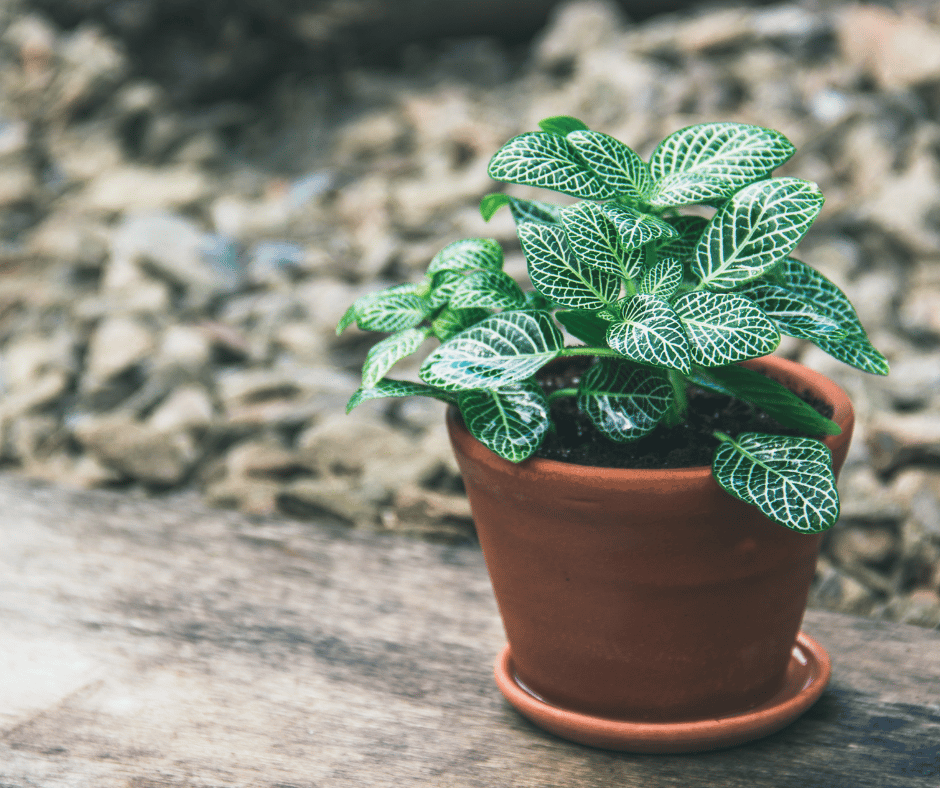
5. Fittonia (Fittonia albivenis)
Also called the nerve plant due to its intricate white or pink veins, Fittonia is a compact, trailing plant ideal for terrariums or small pots.
- Pet-safe? Yes
- Care level: Moderate
- Light needs: Low to medium indirect light
- Watering: Keep soil consistently moist; mist regularly for humidity
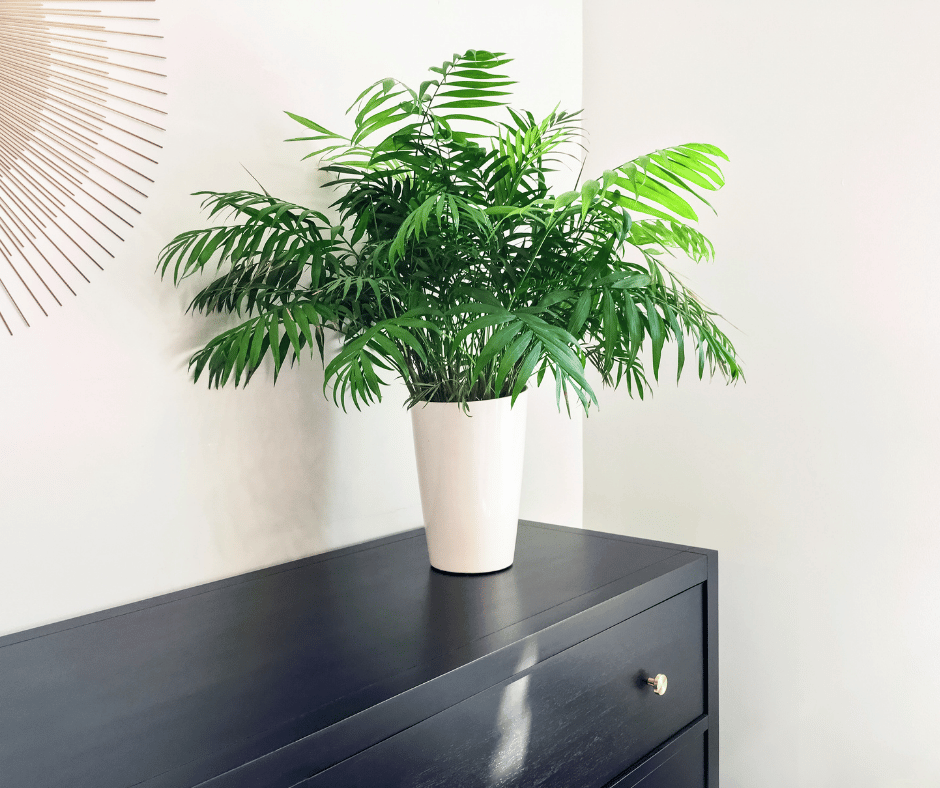
6. Parlor Palm (Chamaedorea elegans)
An elegant palm that tolerates low light and is widely loved for its air-purifying properties. It grows slowly and is well-suited to indoor conditions.
- Pet-safe? Yes
- Care level: Easy
- Light needs: Low to moderate indirect light
- Watering: Allow topsoil to dry out slightly between waterings
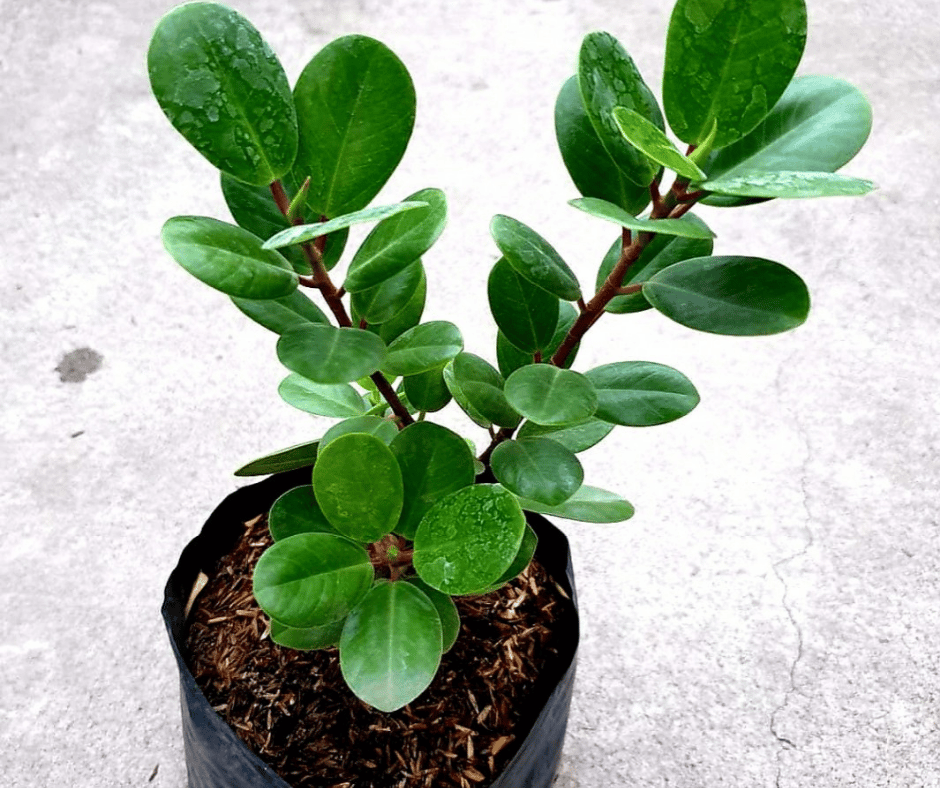
7. Baby Rubber Plant (Peperomia obtusifolia)
Often mistaken for rubber trees (which are toxic), this peperomia is perfectly safe for pets. It has thick, glossy leaves and a compact growth habit, making it a great tabletop plant.
- Pet-safe? Yes
- Care level: Easy
- Light needs: Bright, indirect light
- Watering: Allow soil to dry out slightly between waterings
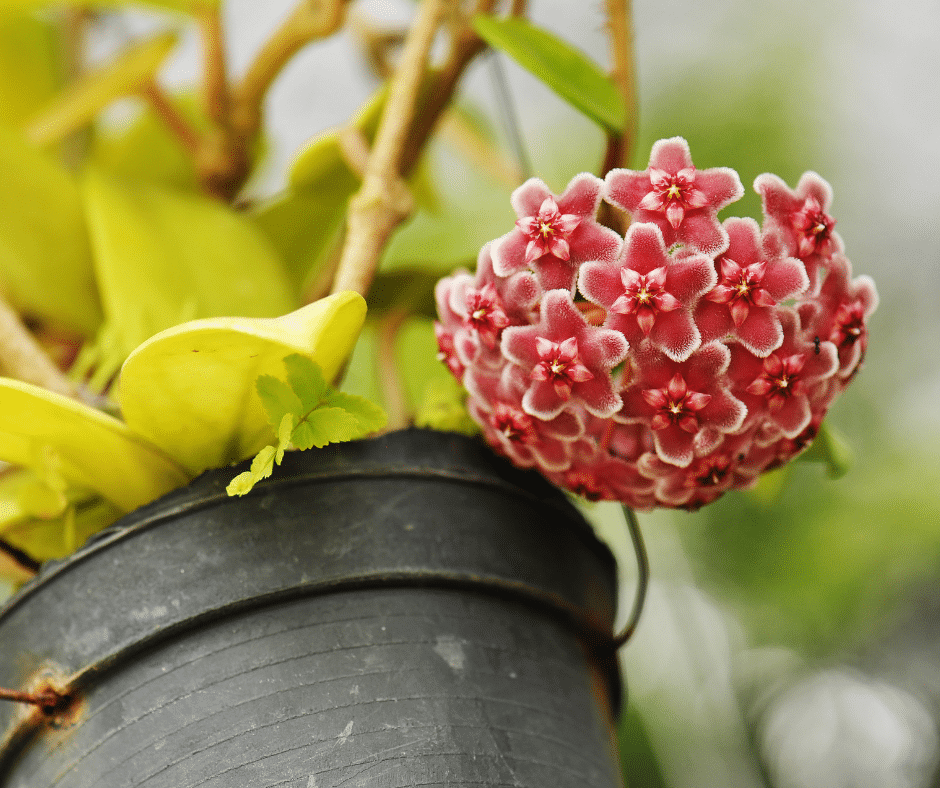
8. Wax Plant (Hoya carnosa)
Hoyas are semi-succulent tropical vines with thick, waxy leaves and clusters of fragrant, star-shaped flowers. They’re excellent hanging plants and require very little maintenance.
- Pet-safe? Yes
- Care level: Easy
- Light needs: Bright, indirect light
- Watering: Let soil dry out between waterings
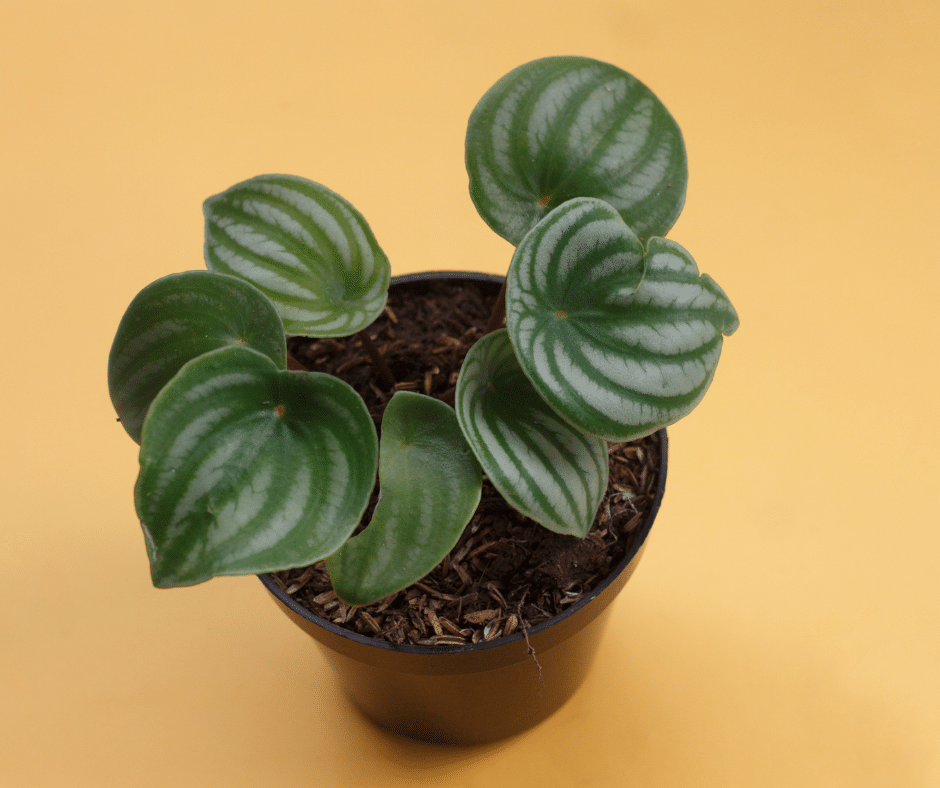
9. Watermelon Peperomia (Peperomia argyreia)
Named for its leaves that resemble watermelon rinds, this charming houseplant adds a touch of whimsy to any plant collection. It’s compact, easy to grow, and safe for pets.
- Pet-safe? Yes
- Care level: Easy
- Light needs: Medium to bright indirect light
- Watering: Water when top 1–2 inches of soil is dry
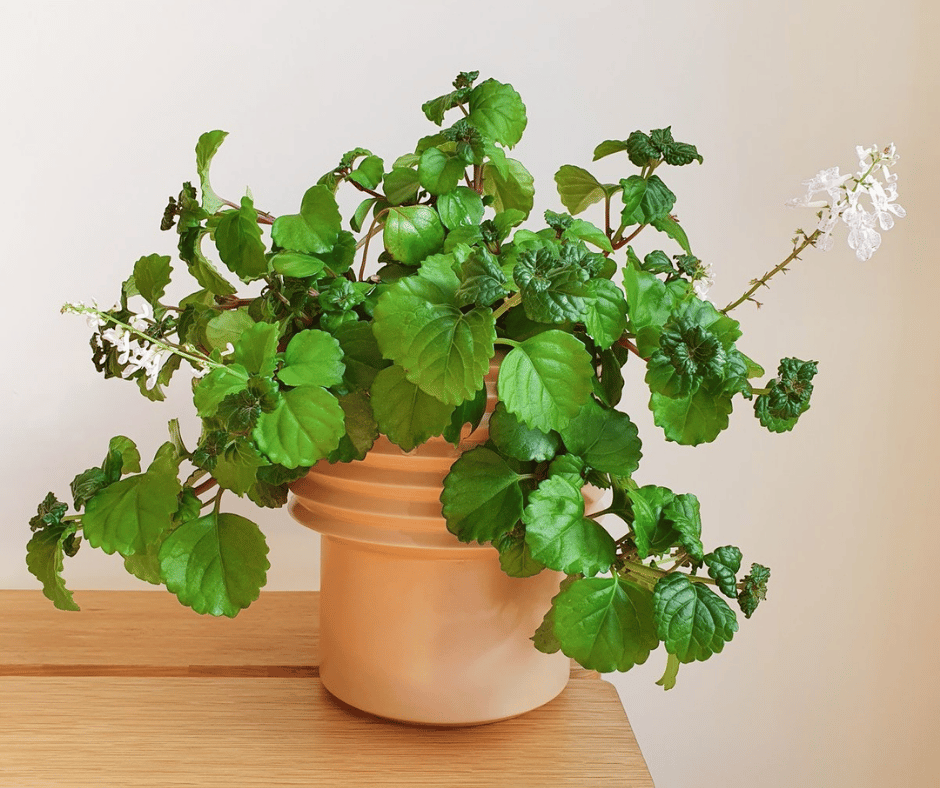
10. Swedish Ivy (Plectranthus verticillatus)
Swedish ivy is a trailing plant with soft, scalloped-edge leaves and delicate purple flowers. It grows quickly, is easy to propagate, and looks beautiful in hanging baskets.
- Pet-safe? Yes
- Care level: Easy
- Light needs: Bright, indirect light
- Watering: Water thoroughly when soil feels dry to the touch
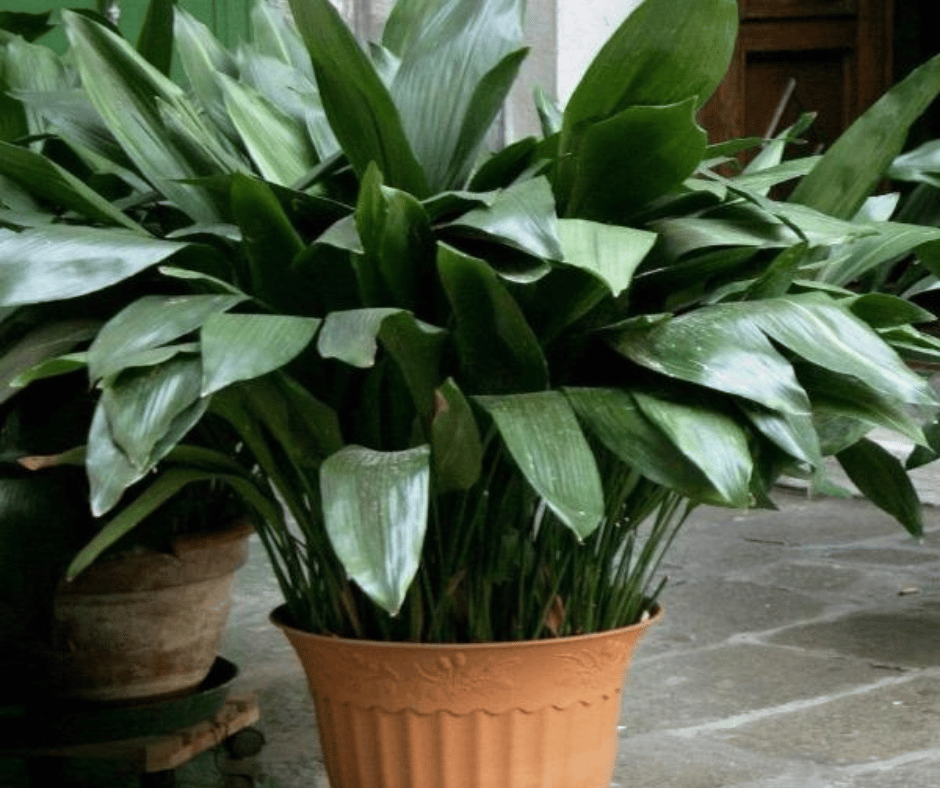
11. Cast Iron Plant (Aspidistra elatior)
True to its name, this plant is nearly indestructible. It tolerates neglect, low light, and infrequent watering. Perfect for dark corners and busy households.
- Pet-safe? Yes
- Care level: Very easy
- Light needs: Low to medium light
- Watering: Water when the top inch of soil is dry
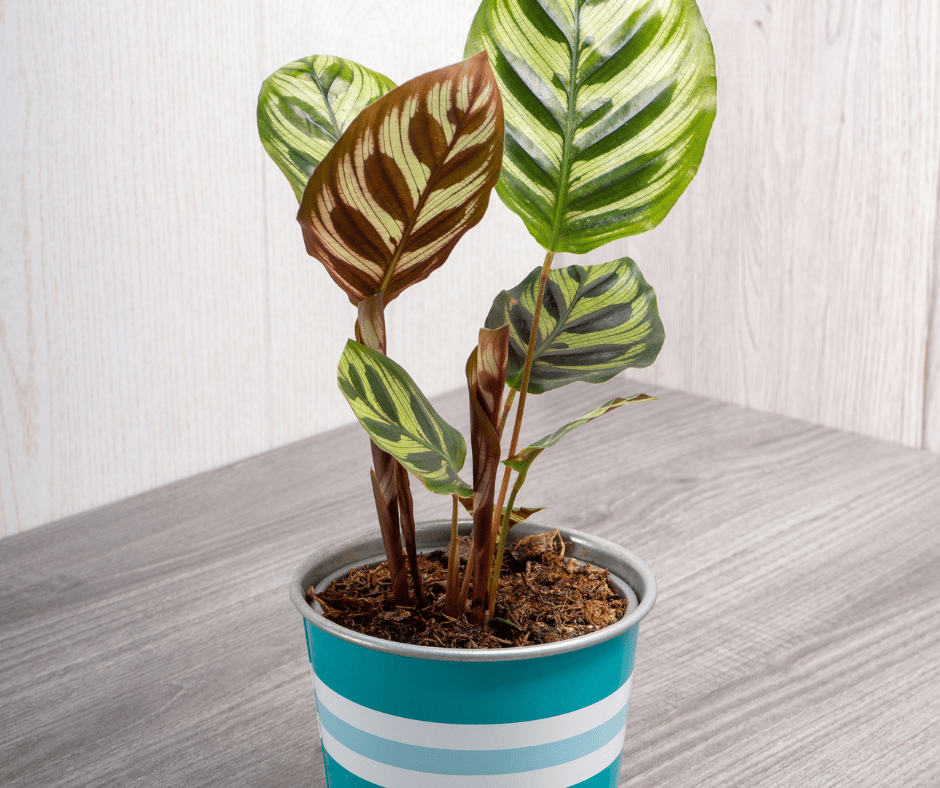
12. Peacock Plant (Calathea makoyana)
With bold, eye-catching foliage that resembles a peacock’s tail feathers, this plant is both pet-friendly and stunning. It prefers consistent care but will thrive with attention.
- Pet-safe? Yes
- Care level: Moderate
- Light needs: Bright, filtered light
- Watering: Keep soil lightly moist at all times
13. Spider Plant (Chlorophytum comosum)
Spider plants are incredibly easy to grow and propagate. They’re known for their long, arching leaves and small plantlets (or “babies”) that develop on hanging stems.
- Pet-safe? Yes
- Care level: Very easy
- Light needs: Bright, indirect light
- Watering: Let soil dry out between waterings
14. Areca Palm (Dypsis lutescens)
Also known as the butterfly palm, this plant brings tropical flair into your home. Its feathery fronds help filter toxins from the air.
- Pet-safe? Yes
- Care level: Moderate
- Light needs: Bright, indirect light
- Watering: Keep the soil lightly moist; avoid overwatering
15. African Violet (Saintpaulia)
With its soft, fuzzy leaves and delicate blooms, the African violet is a delightful tabletop plant that flowers multiple times a year. It’s safe for pets and adds a splash of color to any room.
- Pet-safe? Yes
- Care level: Moderate
- Light needs: Medium to bright indirect light
- Watering: Keep soil moist, but don’t let water touch the leaves
Bonus Safe Houseplants:
In addition to the above, here are some more pet-safe houseplants to consider:
- Polka Dot Plant (Hypoestes phyllostachya)
- Friendship Plant (Pilea involucrata)
- Moth Orchid (Phalaenopsis spp.)
- Staghorn Fern (Platycerium bifurcatum)
- Bromeliads (various genera)
Bringing greenery into your home shouldn’t come at the cost of your pet’s safety. Fortunately, with so many beautiful and non-toxic houseplants available, you don’t have to compromise.
From tropical palms to colorful flowering plants, these 15 pet-friendly options will enhance your home while giving you peace of mind.
When introducing any new plant, monitor your pets to ensure they don’t show excessive interest in chewing the leaves. Even non-toxic plants can cause mild tummy upset if consumed in large amounts.