While most plants thrive with ample sunlight and consistent moisture, gardeners in dry, shaded areas often face unique challenges.
Fortunately, there are numerous plant species specifically adapted to thrive under these conditions.
Whether you’re working with a shaded backyard, a dry woodland edge, or a north-facing garden wall, there’s a wide range of hardy and beautiful plants that will flourish with minimal water and limited sun.
Below is a comprehensive list of some of the best plants for dry shade, including flowering perennials, groundcovers, and foliage favorites that bring life to low-light, drought-prone environments.
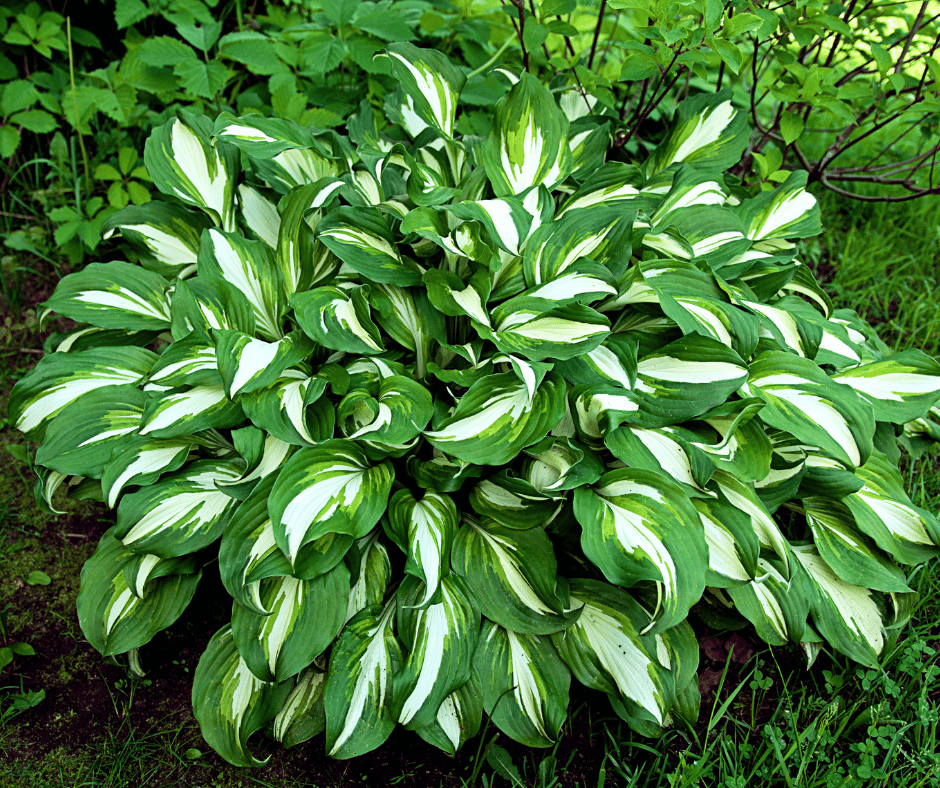
1. Hosta (Hosta spp.)
Hostas are popular for their lush foliage and adaptability. These hardy perennials come in a wide array of sizes, shapes, and shades – from deep green to blue and variegated white or yellow.
While hostas prefer moist soil, many varieties can tolerate periods of dryness once established. Ideal for USDA zones 3–9, they add texture and form to shaded beds and borders.
Bonus: Slugs love hostas, so apply mulch and copper tape if needed.
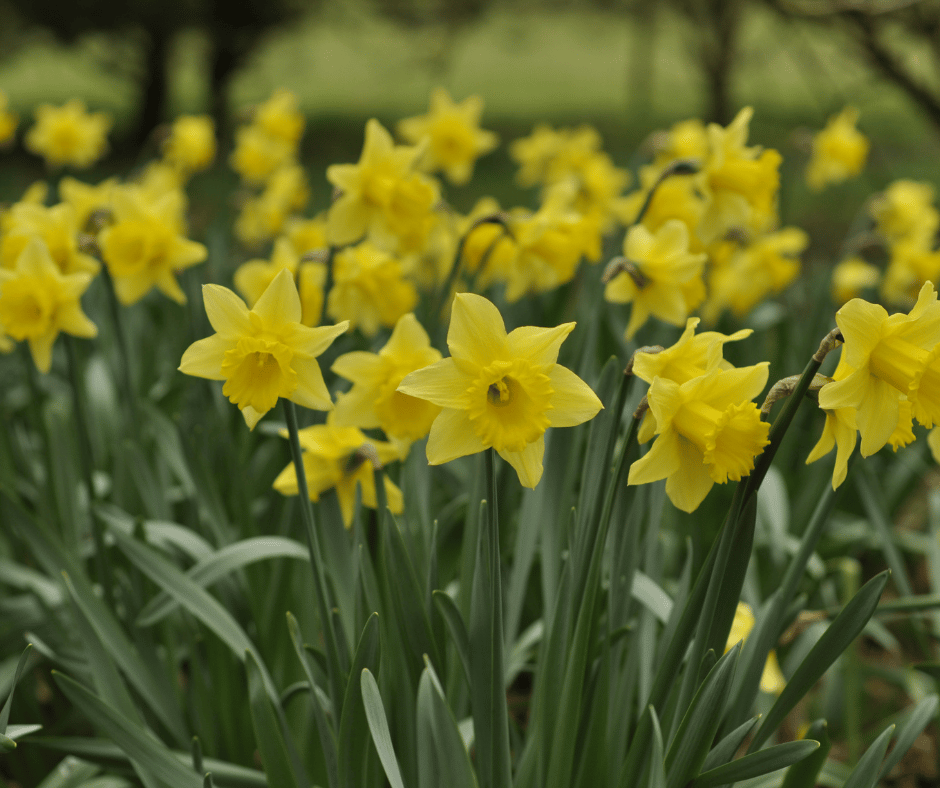
2. Daffodil (Narcissus spp.)
Daffodils are renowned for their reliability and bright spring blooms. Several cultivars such as the ‘Carlton Large Cup’, ‘Goblet Trumpet’, and ‘Quail Jonquilla’ daffodils tolerate dry conditions better than others.
Once bulbs are established, they can naturalize well in partially shaded areas and return year after year. Best grown in zones 3–9.
Bonus: Daffodils are deer- and rodent-resistant.
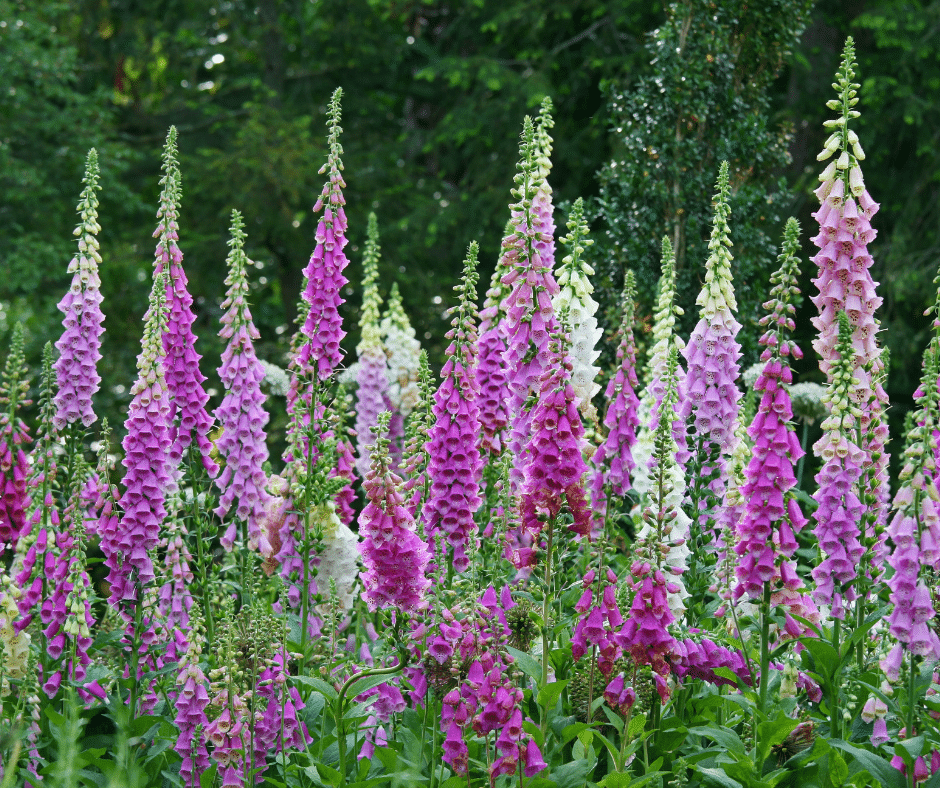
3. Foxglove (Digitalis purpurea)
Foxgloves are dramatic, tall perennials with tubular bell-shaped flowers that bloom in late spring to early summer.
They come in shades of purple, pink, cream, and white. Ideal for part shade and well-drained soils, they thrive in woodland or cottage gardens.
Hardy in zones 4–9, foxgloves are also biennial or short-lived perennials that reseed easily.
Caution: All parts of the plant are toxic if ingested.
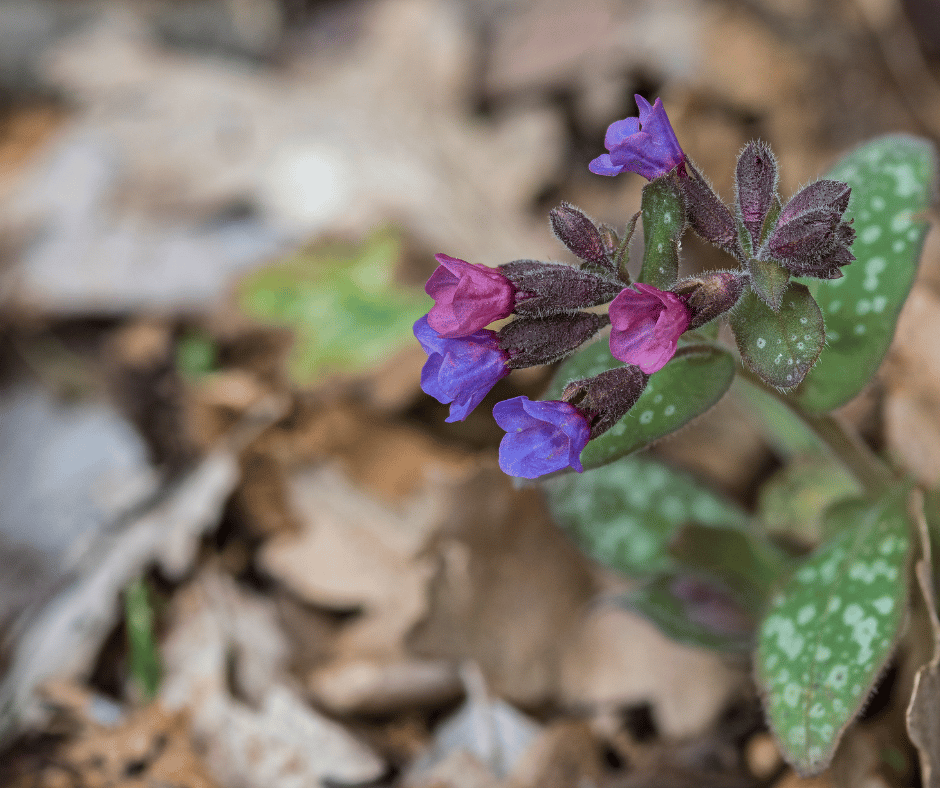
4. Lungwort (Pulmonaria spp.)
A classic dry shade plant, lungwort is grown for its attractive spotted leaves and early-spring blooms in blue, pink, purple, or white.
It thrives in woodland settings, tolerating drought once established. Hardy in zones 3–9, lungwort adds a soft, ground-hugging element to shaded beds.
Bonus: Lungwort is a great nectar source for early pollinators.
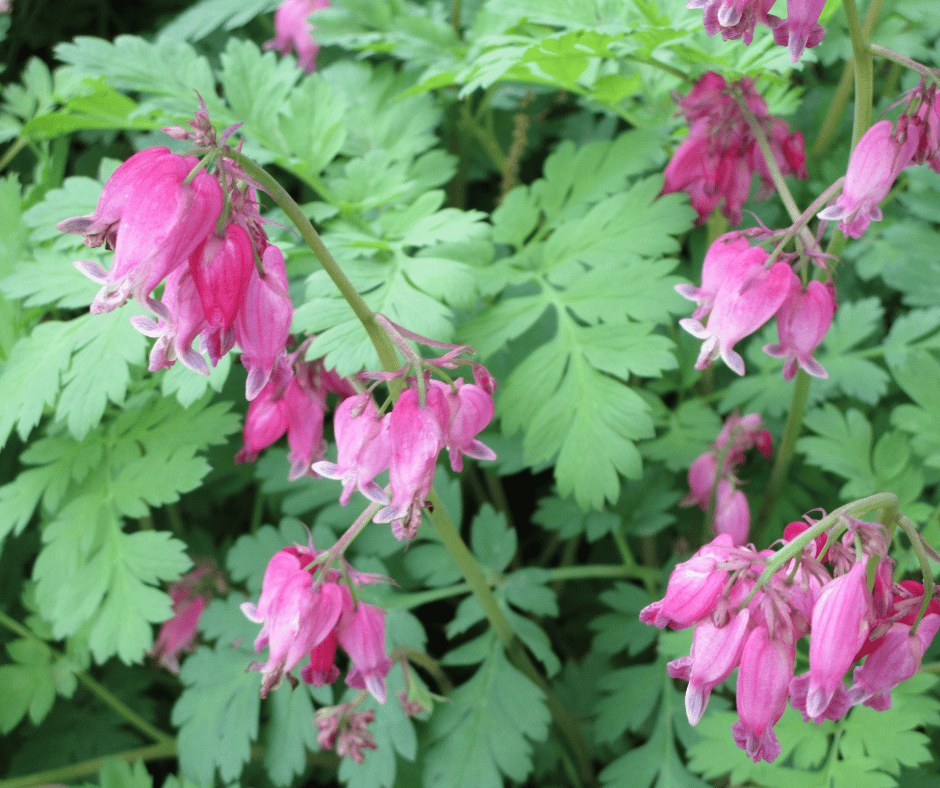
5. Bleeding Heart (Dicentra spectabilis)
Known for its heart-shaped, dangling flowers, bleeding heart is a spring favorite. Available in pink, red, or white, its delicate appearance belies its toughness.
These perennials thrive in partial to full shade and prefer cooler, moist climates but tolerate some dryness once mature. Best for zones 3–9.
Tip: Mulch helps retain soil moisture and reduce stress.
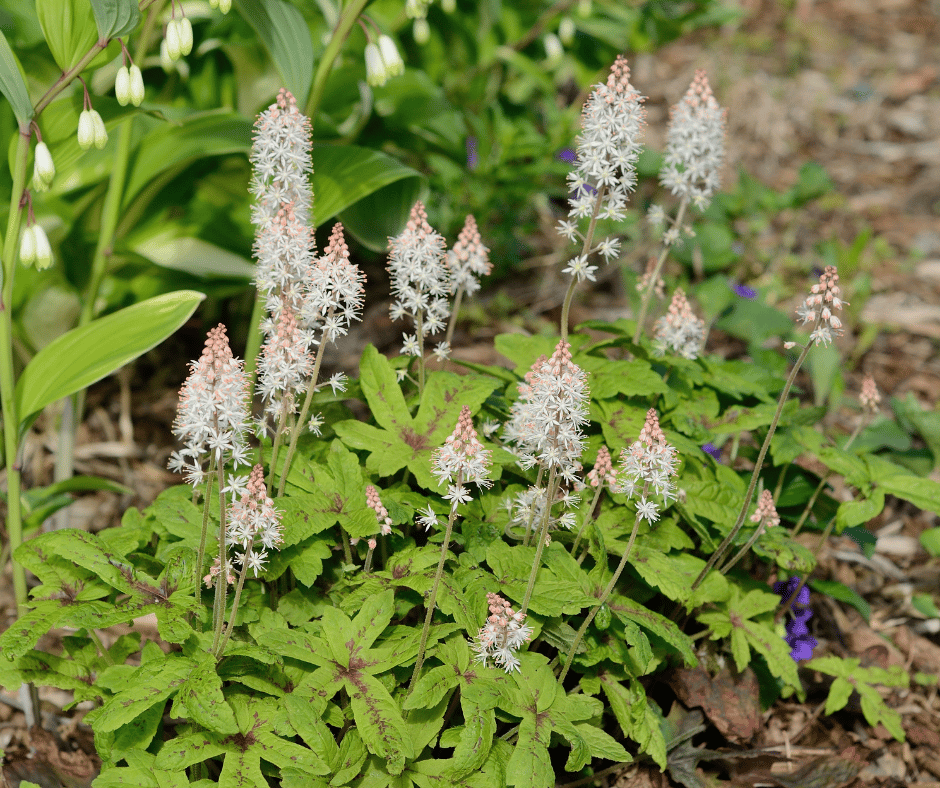
6. Foamflower (Tiarella cordifolia)
Foamflowers produce dainty, foamy blooms atop slender stems and are a reliable groundcover in shade gardens.
With their clumping, low-spreading nature and attractive foliage, they are ideal for dry woodland gardens. Grow in zones 3–9 for best results.
Bonus: Tiarella is deer-resistant and pollinator-friendly.
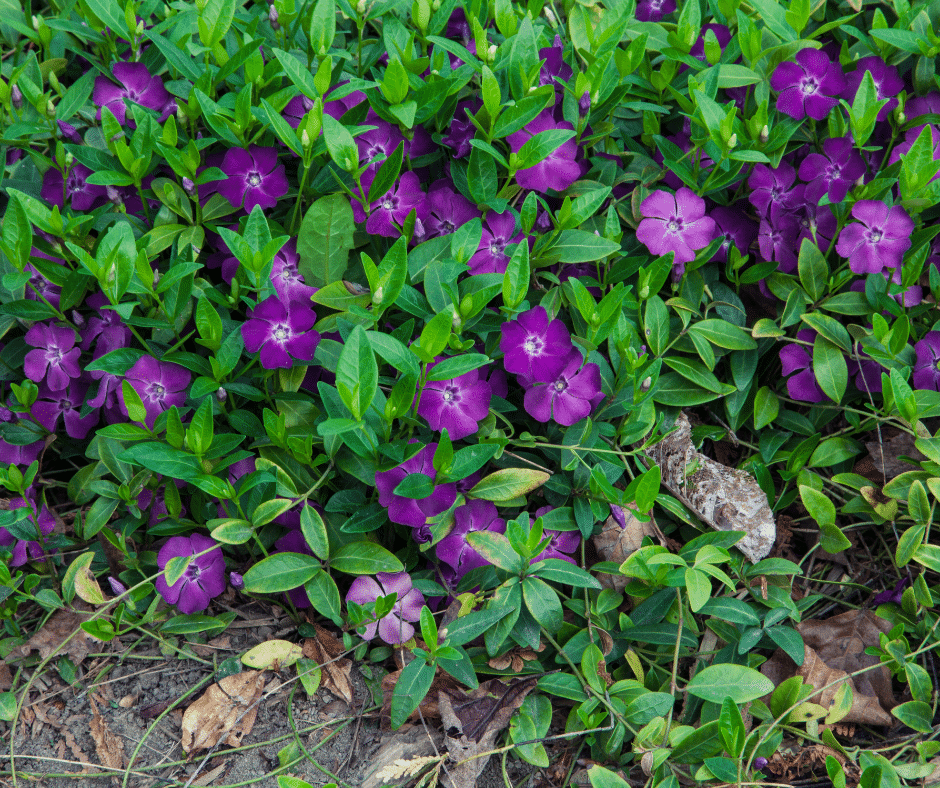
7. Vinca (Vinca minor)
Also known as periwinkle, vinca is a tough, evergreen groundcover with glossy leaves and star-like blooms in purple, white, pink, or red.
It spreads quickly and is excellent for erosion control on shady slopes. It tolerates dry soil and thrives in zones 4–9.
Caution: Vinca can be invasive in some areas – check local regulations.
8. Coral Bells (Heuchera spp.)
Coral bells are known for their vibrant foliage in shades ranging from lime green to deep burgundy. While they do bloom, the leaves are the main attraction.
These perennials are drought-tolerant once established and grow well in part to full shade. Perfect for borders, containers, and woodland gardens in zones 4–9.
Bonus: Their nectar-rich blooms attract hummingbirds.
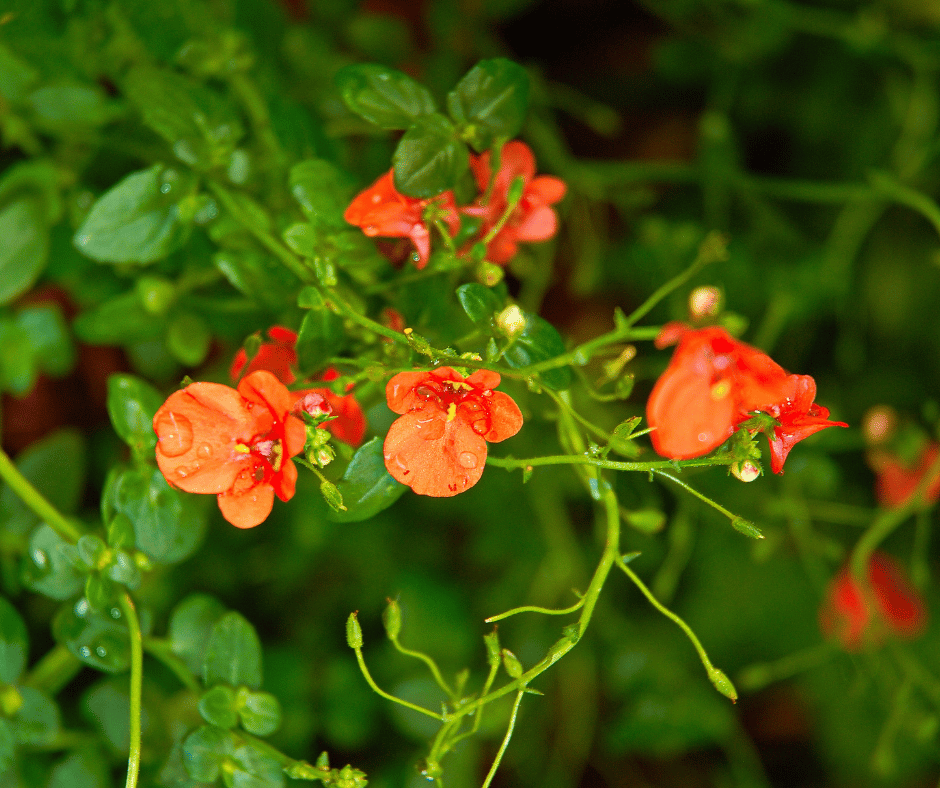
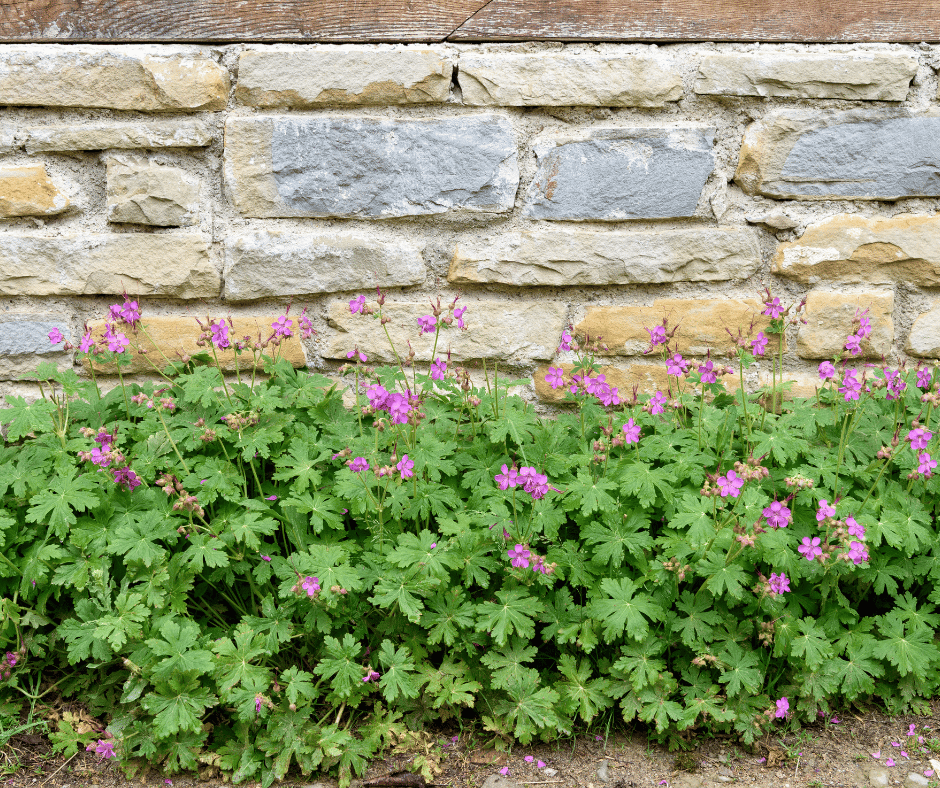
9. Bigroot Geranium (Geranium macrorrhizum)
This hardy perennial is prized for its fragrant foliage and late-spring blooms in shades of pink to magenta.
It’s an excellent low-maintenance groundcover for dry shade areas and is one of the few true geraniums that tolerate drought well. Grows best in zones 3–8.
Bonus: Foliage turns fiery red and orange in fall.
10. Ferns (Various species)
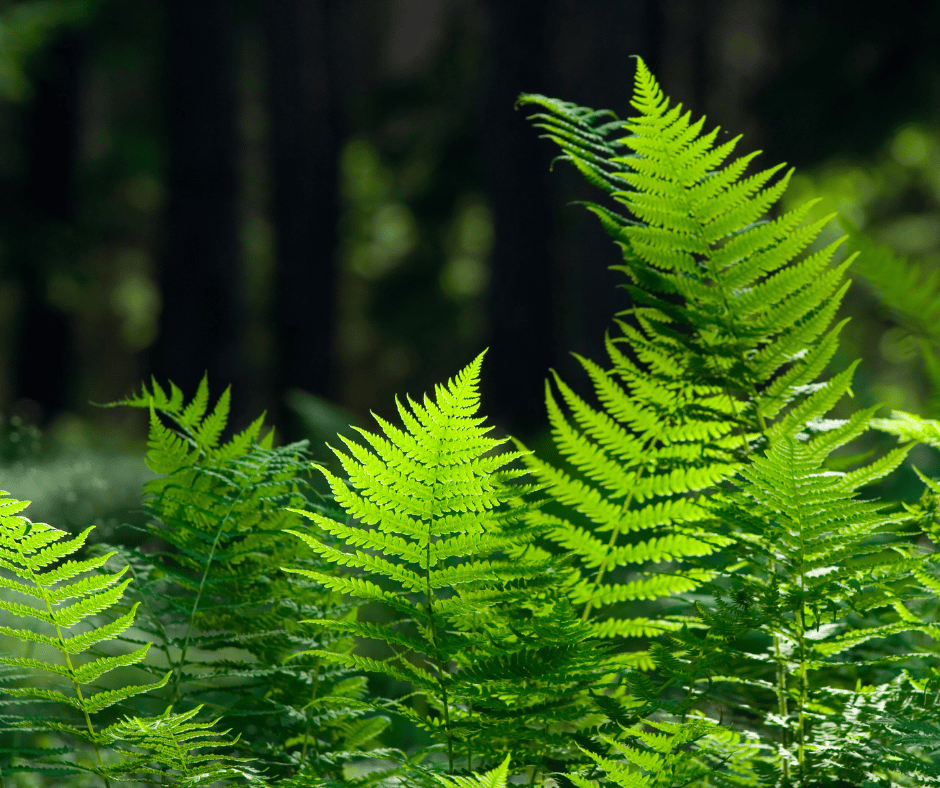
Ferns are an iconic choice for shady gardens. Many types, such as the lady fern, Christmas fern, and Japanese painted fern, are well-suited to drier, shaded locations once established.
They provide feathery texture and a cooling, woodland vibe. Depending on the species, ferns thrive in zones 3–10.
Tip: Mix different fern varieties for height and texture contrast.
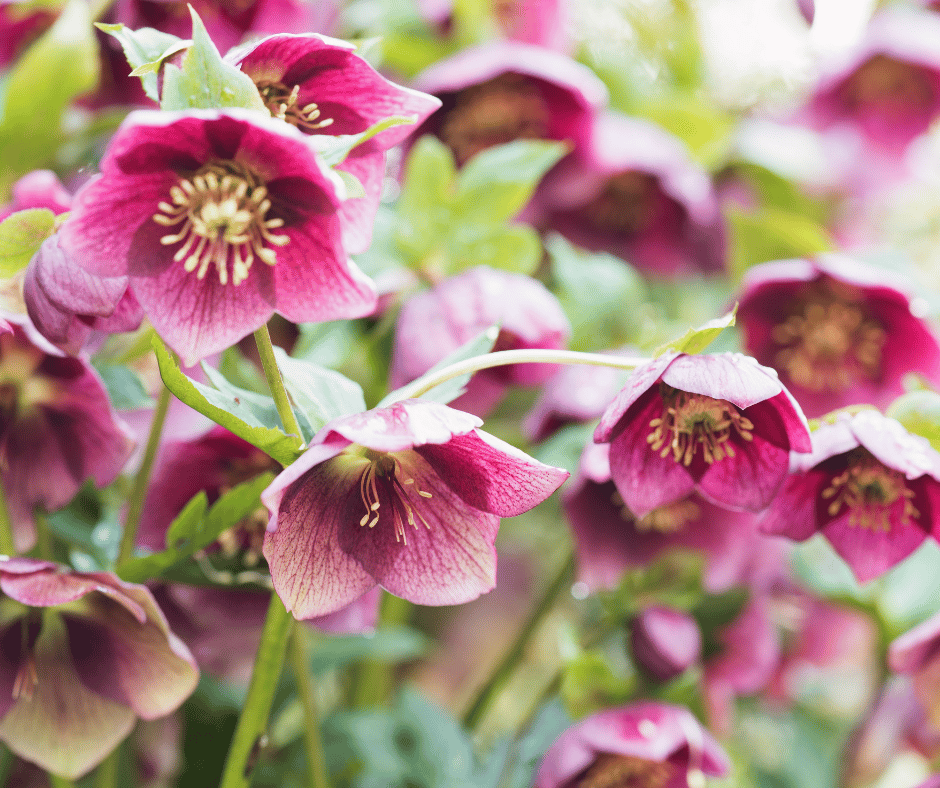
11. Hellebore (Helleborus spp.)
Often referred to as Lenten or Christmas roses, hellebores bloom in late winter or early spring, adding color when little else is flowering.
Their thick, leathery leaves and drought tolerance make them ideal for dry shade. They grow best in zones 4–9.
Caution: Hellebores are toxic to pets and humans if ingested. Handle with gloves.
Bonus: Their long-lasting blooms are resistant to deer and rabbits.
Gardening in dry, shaded conditions doesn’t mean sacrificing color, texture, or beauty.
With thoughtful plant selection, you can build a thriving landscape that enhances even the most challenging corners of your yard.
From the bold foliage of hostas and coral bells to the delicate blooms of hellebores and foxglove, these hardy plants will reward you with minimal care and maximum visual impact.