As summer fades and the days grow shorter, many gardens begin to lose their color and vibrancy. But fall doesn’t have to mean the end of beautiful blooms.
In fact, some of the most dazzling displays of color arrive just as other plants begin to fade.
Fall-blooming perennials are prized for their rich jewel-toned flowers—think scarlet reds, deep purples, sunny yellows, and vibrant oranges—that create an enchanting display in late-season gardens.
These hardy plants not only extend the flowering season but also attract pollinators like bees, butterflies, and even hummingbirds before winter sets in.
Many of them are low-maintenance, deer-resistant, and thrive in a variety of soil types, making them excellent choices for gardeners of all skill levels.
Below are 10 of the best fall-blooming perennials to add bold color and interest to your landscape right when you need it most.
1. Aster (Symphyotrichum spp.)
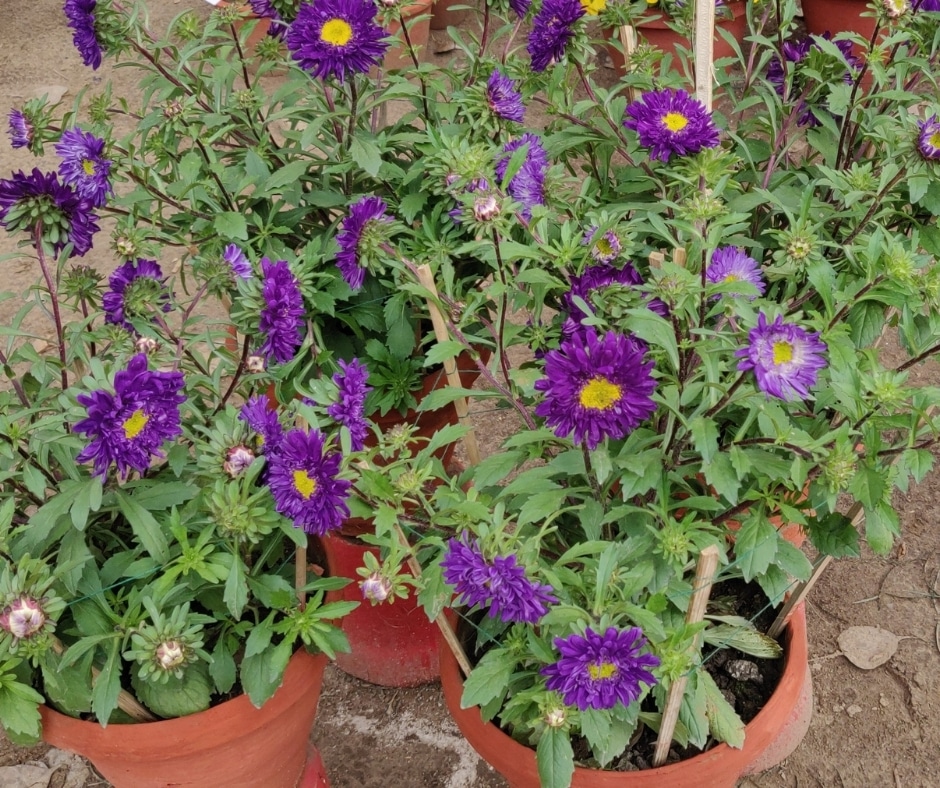
Asters are a fall garden staple, producing masses of small, daisy-like blooms in shades of lavender, purple, blue, pink, and white.
Their long-lasting flowers provide critical late-season nectar for pollinators and bring bursts of cool-toned color to borders, containers, and wildflower gardens.
Asters thrive in full sun to partial shade and prefer moist, well-draining soil. They’re fairly easy to grow and make excellent cut flowers.
Look for varieties like ‘Purple Dome’ or New England aster for a bold autumn display.
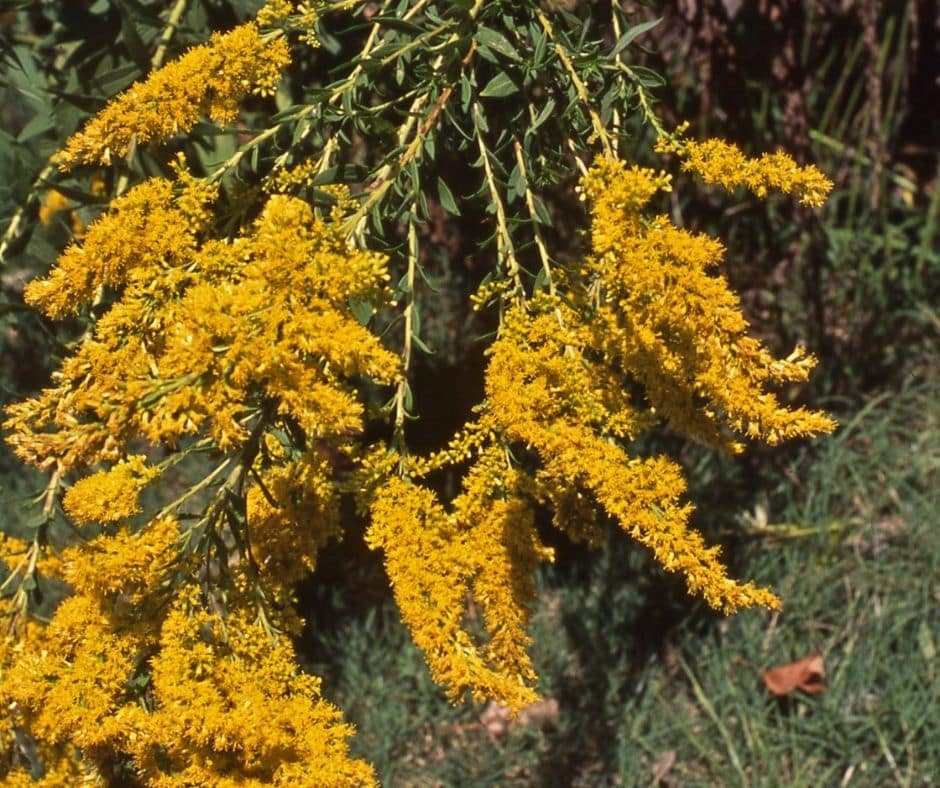
2. Goldenrod (Solidago spp.)
Often unfairly blamed for allergies (which are more likely caused by ragweed), Goldenrod is a tough, cheerful perennial that adds a golden glow to fall gardens.
Its clusters of bright yellow flowers bloom on tall, upright stems that stand out against the reds and purples of other fall flowers.
Goldenrod is drought-tolerant and grows best in full sun and poor to average soil. It spreads by rhizomes, so select clump-forming varieties like ‘Fireworks’ if you want to manage its size.
Plant it alongside asters or ornamental grasses for a classic prairie look.
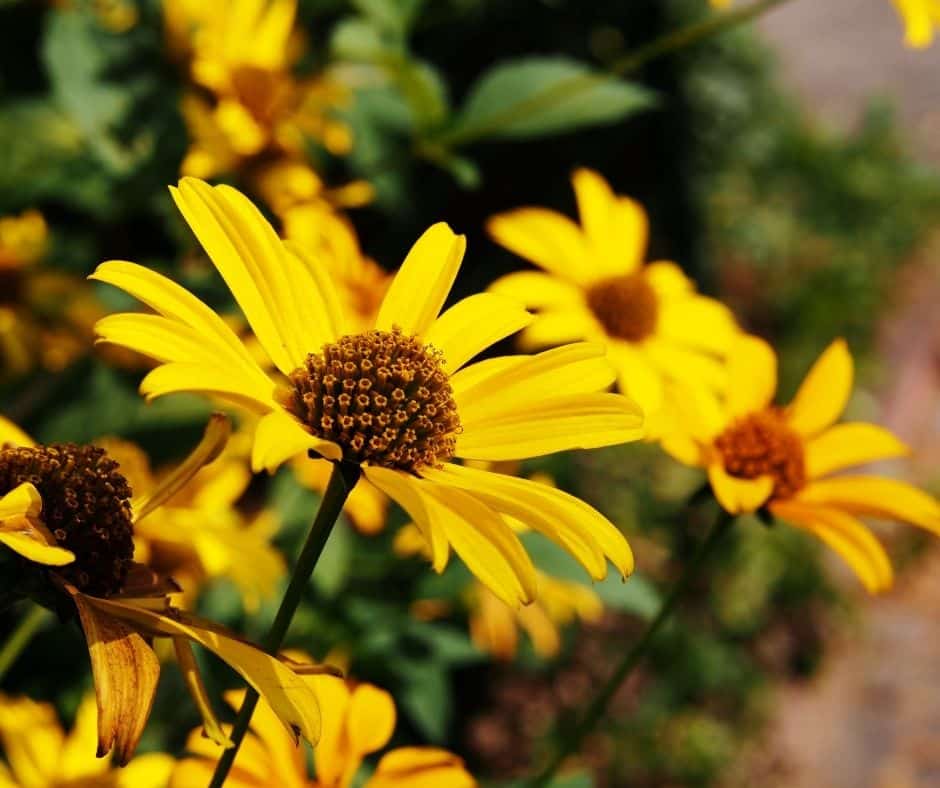
3. Oxeye Sunflower (Heliopsis helianthoides)
This vibrant perennial is often called false sunflower due to its resemblance to traditional sunflowers.
It produces bright yellow or gold daisy-like blooms from mid-summer through fall, with many cultivars blooming well into September and October.
Oxeye sunflowers are ideal for sunny spots with well-drained soil and require minimal care once established.
The plants grow 3 to 5 feet tall and bring a sunny cheerfulness to borders or wildflower meadows. Try varieties like ‘Summer Sun’ for an extended bloom period.
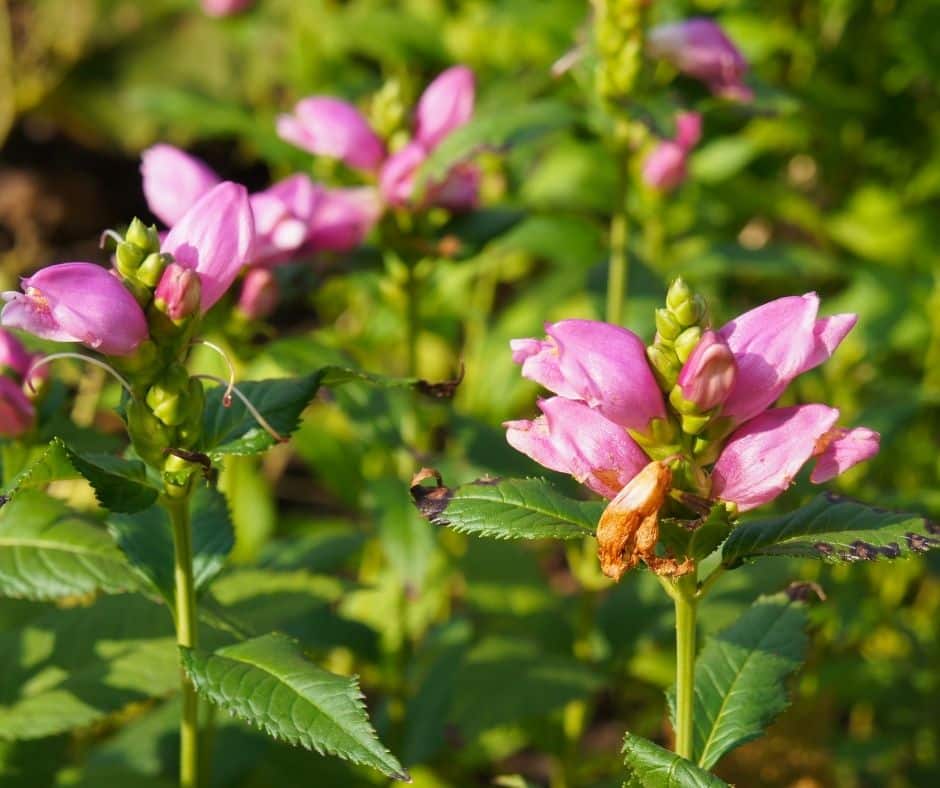
4. Turtlehead (Chelone obliqua)
Turtlehead is a unique and moisture-loving perennial that blooms in late summer to early fall with unusual, snapdragon-like flowers in shades of pink, white, or purple.
The blooms resemble turtle heads, giving the plant its name.
Turtlehead is an excellent choice for partially shaded gardens, pond edges, or rain gardens, where its need for consistent moisture can be met.
Its late-season blooms also attract hummingbirds and butterflies. Plants typically grow 2 to 3 feet tall and form upright, clumping mounds.
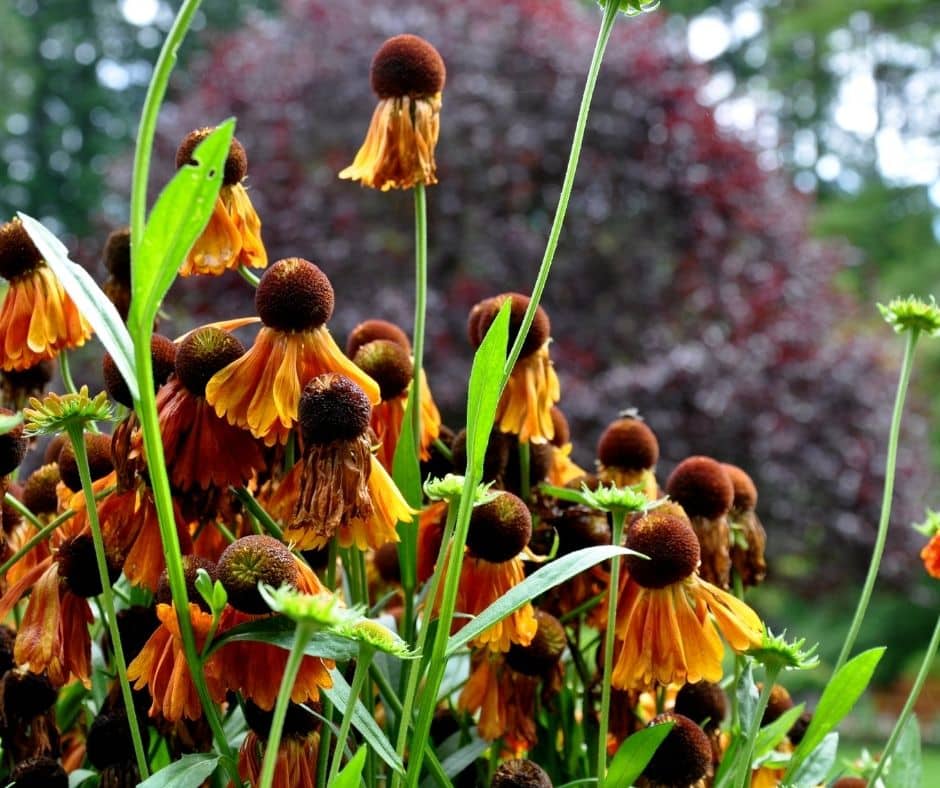
5. Helenium (Helenium autumnale)
Also known as sneezeweed, helenium is a fall-flowering powerhouse that offers a profusion of bright yellow, orange, or red blooms on tall, sturdy stems.
Despite the name, it doesn’t trigger allergies. The “sneeze” part comes from its traditional use in snuff-making.
Helenium thrives in full sun and moist, well-drained soil. It makes a striking addition to borders and mixed perennial beds, and its nectar-rich flowers support pollinators.
Look for cultivars like ‘Moerheim Beauty’ or ‘Sahin’s Early Flowerer’ for extended blooming.
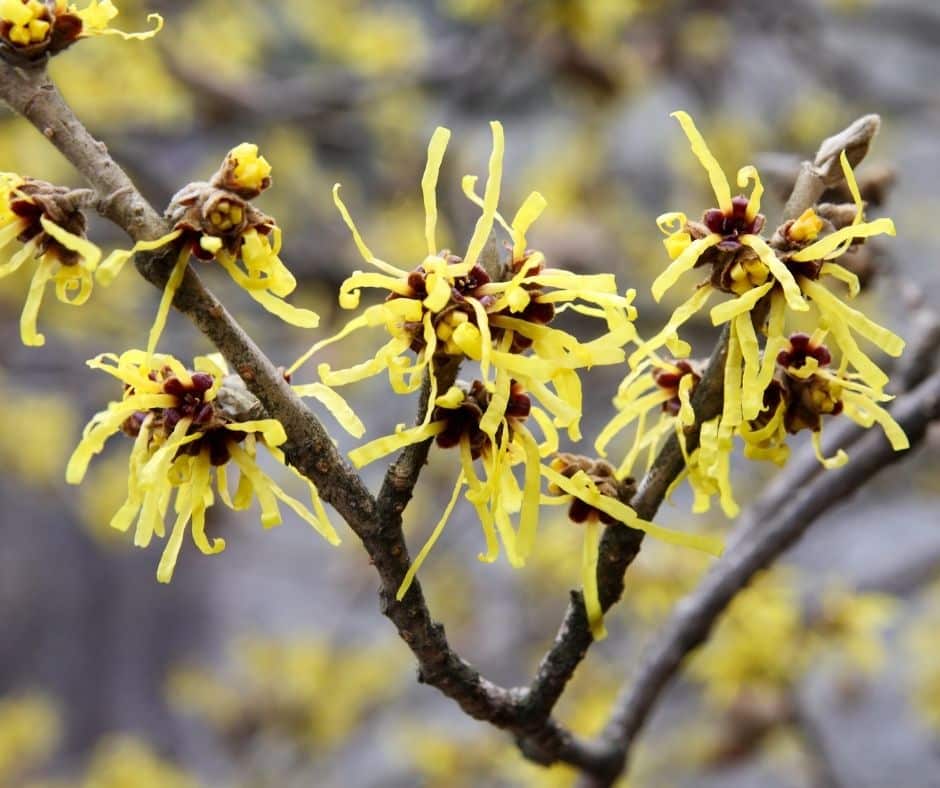
6. Witch Hazel (Hamamelis spp.)
Witch hazel is one of the rare shrubs that blooms in late fall and even into winter, producing spidery, fragrant yellow to orange-red flowers on bare branches.
It’s a wonderful addition to any fall landscape, especially when paired with evergreen shrubs or ornamental grasses.
This deciduous shrub thrives in full sun to partial shade and prefers moist, acidic, well-drained soil.
Witch hazel adds visual interest long after other flowering plants have gone dormant and also offers stunning yellow-orange fall foliage.
7. Sneezeweed (Helenium spp.)
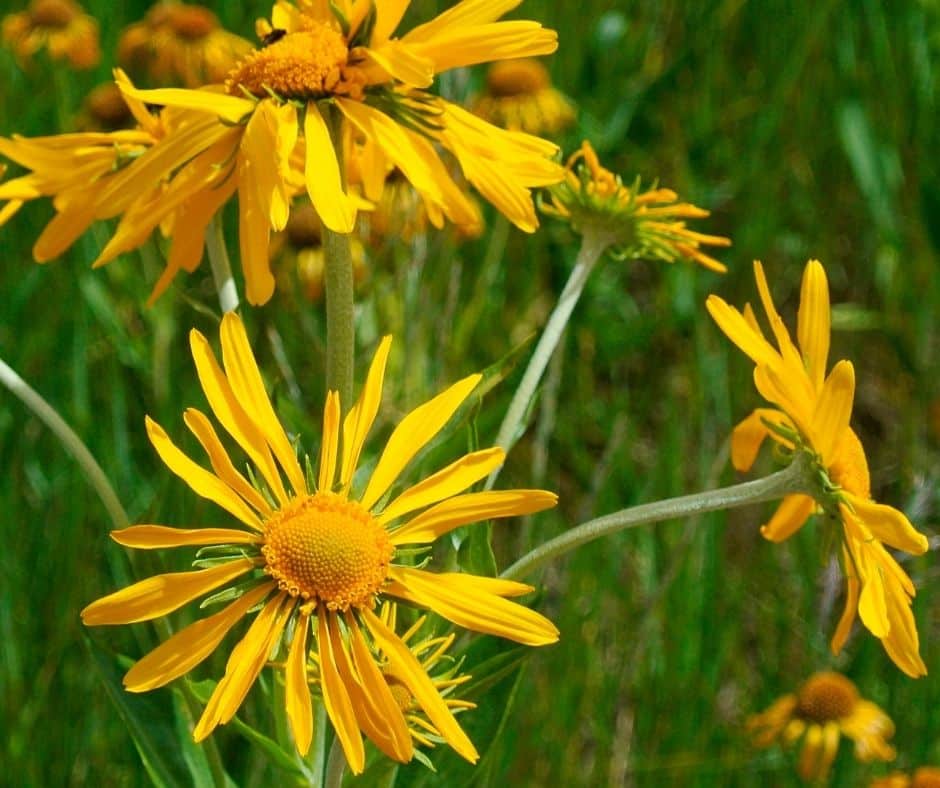
Another variety of helenium, this sneezeweed is a native perennial that shines in late summer and fall.
Its daisy-like flowers in shades of gold, red, and bronze add fiery color to autumn borders. It’s an excellent nectar plant for late-season pollinators.
Plant sneezeweed in full sun and moist soil, and it will reward you with a dazzling display of blooms that can grow up to 5 feet tall.
To encourage bushier growth and avoid flopping, pinch back early in the season or support taller varieties.
8. Heather (Calluna vulgaris)
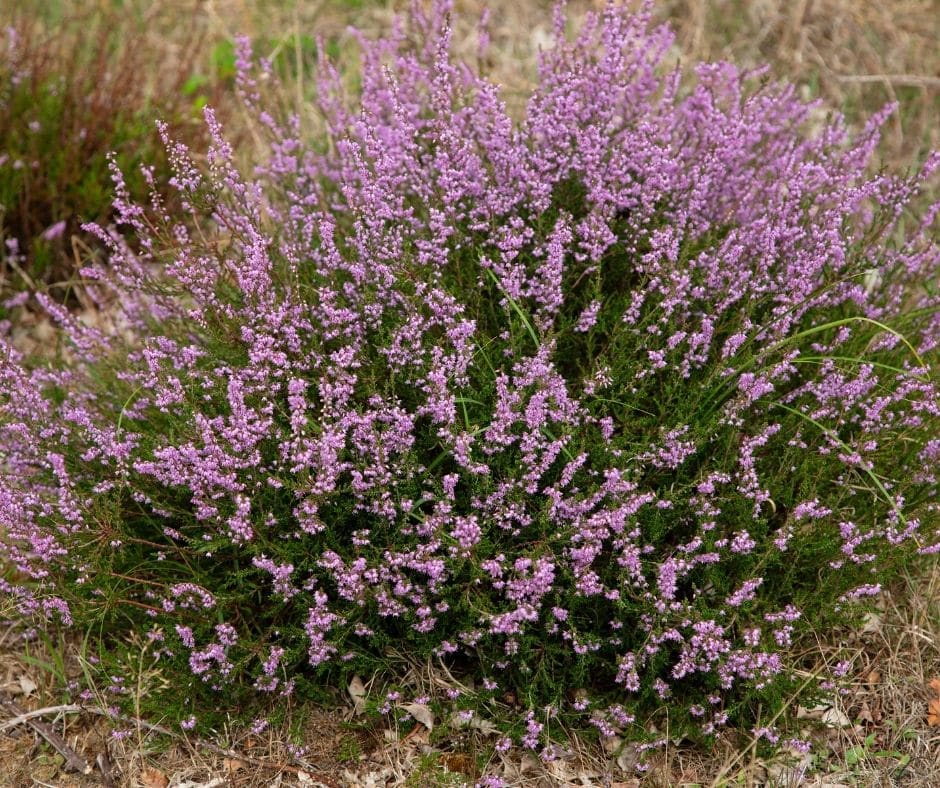
Heather is a low-growing perennial shrub that offers brilliant fall color in hues of magenta, purple, amethyst, and rose. It’s a great option for adding texture and color to rock gardens, borders, or containers.
Heather prefers full sun and slightly acidic, well-drained soil. Its small, scale-like leaves and tiny bell-shaped flowers create a dense mat of color.
Choose autumn-blooming cultivars like ‘Firefly’ or ‘Red Favorit’ to brighten your garden in cooler months.
9. Chrysanthemums (Chrysanthemum morifolium)
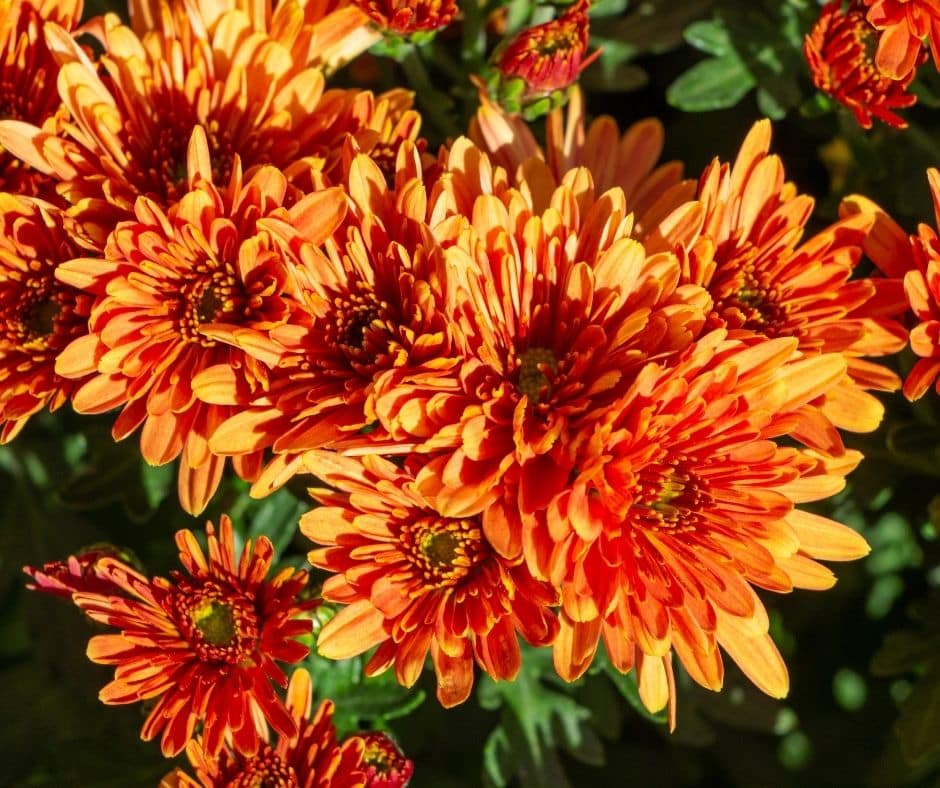
Commonly known as mums, chrysanthemums are iconic fall flowers that bloom in a rainbow of colors.
From rich burgundies and fiery oranges to buttery yellows and soft pastels, they offer incredible variety in bloom form and color.
Hardy mums grow best in full sun with well-drained soil, and they require regular watering. For reliable blooms year after year, choose garden (hardy) mums and plant them in spring, allowing them time to establish before fall.
Pinching back the tips in early summer encourages fuller, bushier growth.
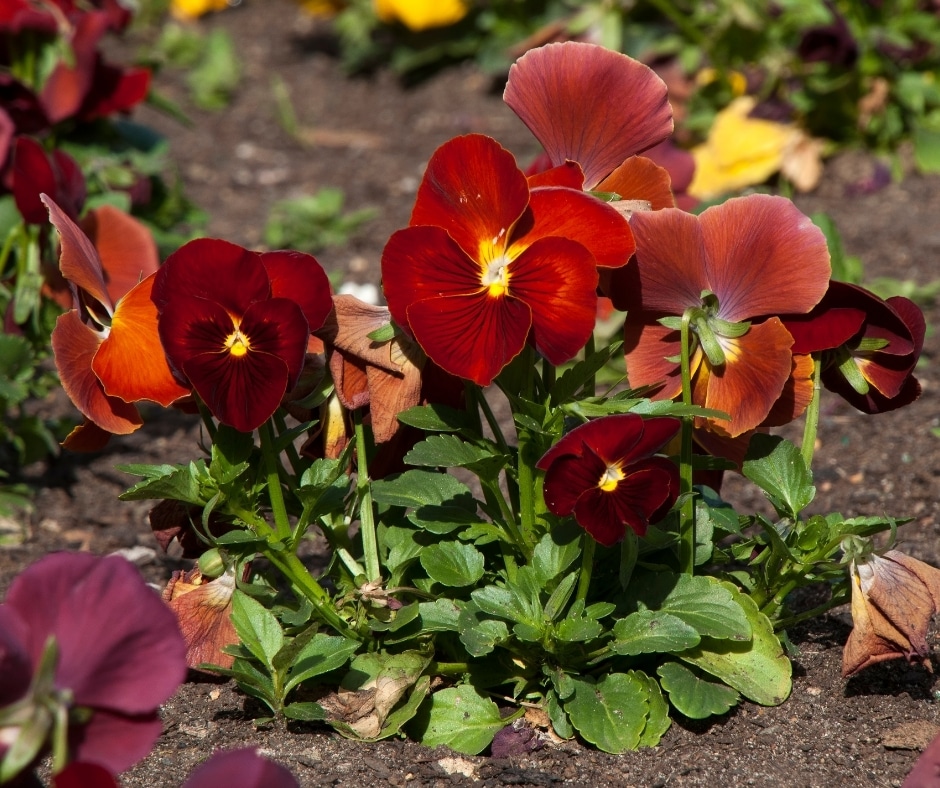
10. Pansy (Viola × wittrockiana)
Pansies are cool-weather favorites that begin blooming in early fall and can continue well into winter in milder climates.
These compact, cheerful flowers come in a stunning array of colors and often feature unique face-like markings.
Plant pansies in full sun to partial shade with rich, well-drained, slightly acidic soil.
They’re ideal for garden beds, borders, containers, and window boxes. In colder zones, mulching around the plants can help them survive frost and bounce back in early spring.
Just because summer is ending doesn’t mean your garden has to fade with it. These fall-blooming perennials provide vibrant, long-lasting color just when your landscape needs it most.
From the golden spires of goldenrod to the dainty purple petals of asters, these plants bring texture, fragrance, and beauty to your autumn garden.