Gardening in dry regions, such as the southwestern United States, may seem like a challenge, but with the right drought-tolerant plants, you can create a lush, colorful landscape that requires minimal watering and maintenance.
Many of these plants are adapted to thrive in poor soil and can withstand long dry spells without losing their vibrancy.
Here are 15 of the best drought-resistant flowers that will help you save time, money, and resources, all while keeping your garden beautiful year-round.
1. Portulaca (Portulaca grandiflora)
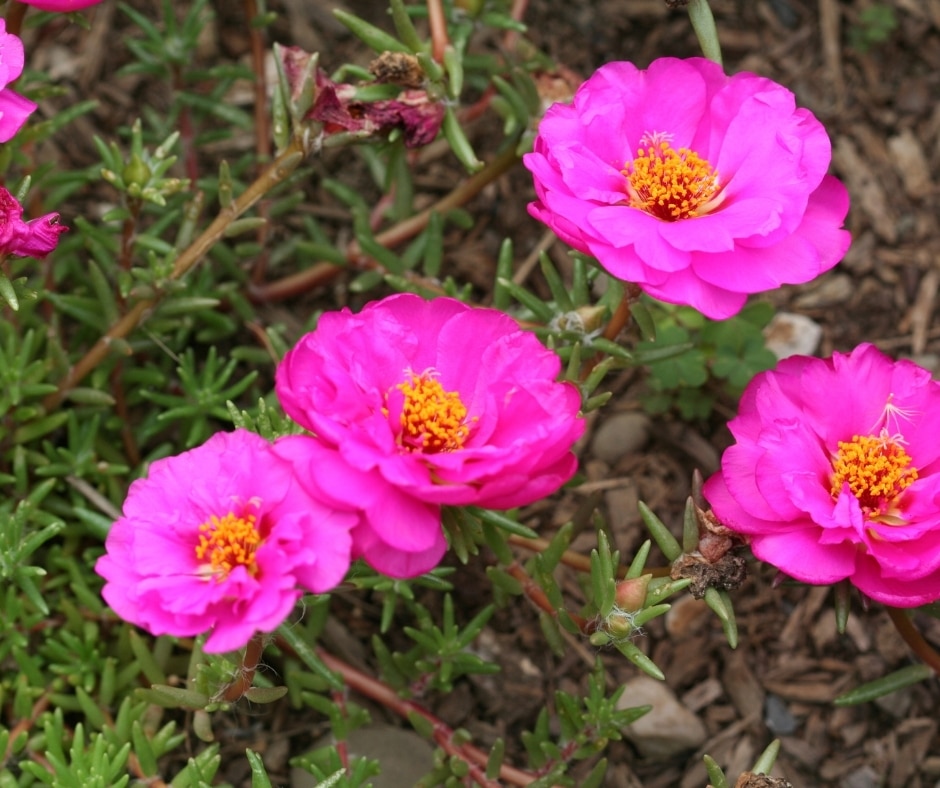
Also known as Moss Rose, portulaca is a succulent flowering plant that stores water in its thick, fleshy leaves, making it highly resistant to drought conditions.
Why Grow Portulaca?
- Tolerates poor soil and drought exceptionally well.
- Blooms in bright, vibrant colors such as red, pink, yellow, and orange.
- Prefers full sun and thrives in hot, arid climates.
Care Tips:
- Needs well-drained soil.
- Requires minimal watering once established.
- Grows well in containers, hanging baskets, or as ground cover.
2. Geranium
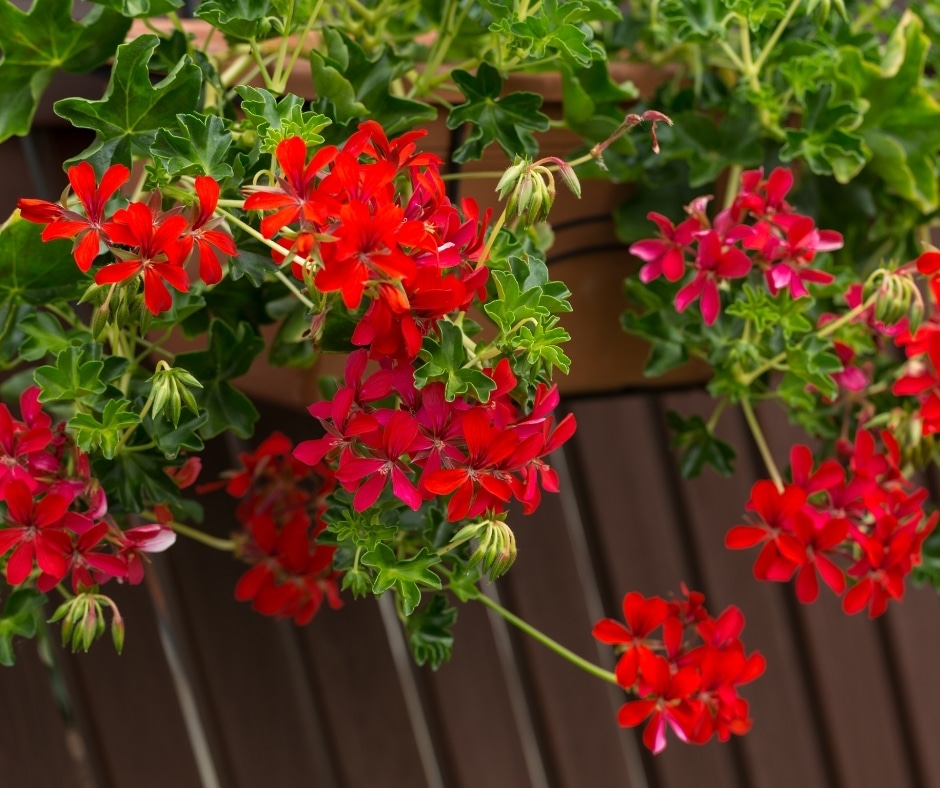
Geraniums are popular container plants known for their bright clusters of flowers and ability to withstand heat and dry conditions.
Why Grow Geraniums?
- Low maintenance and easy to grow.
- Available in various colors, including pink, red, and white.
- Attracts pollinators like butterflies and bees.
Care Tips:
- Water at the base of the plant to prevent fungal diseases.
- Prefers full sun but benefits from afternoon shade in extreme heat.
- Not frost-tolerant; bring indoors before the first frost.
3. Lavender (Lavendula)
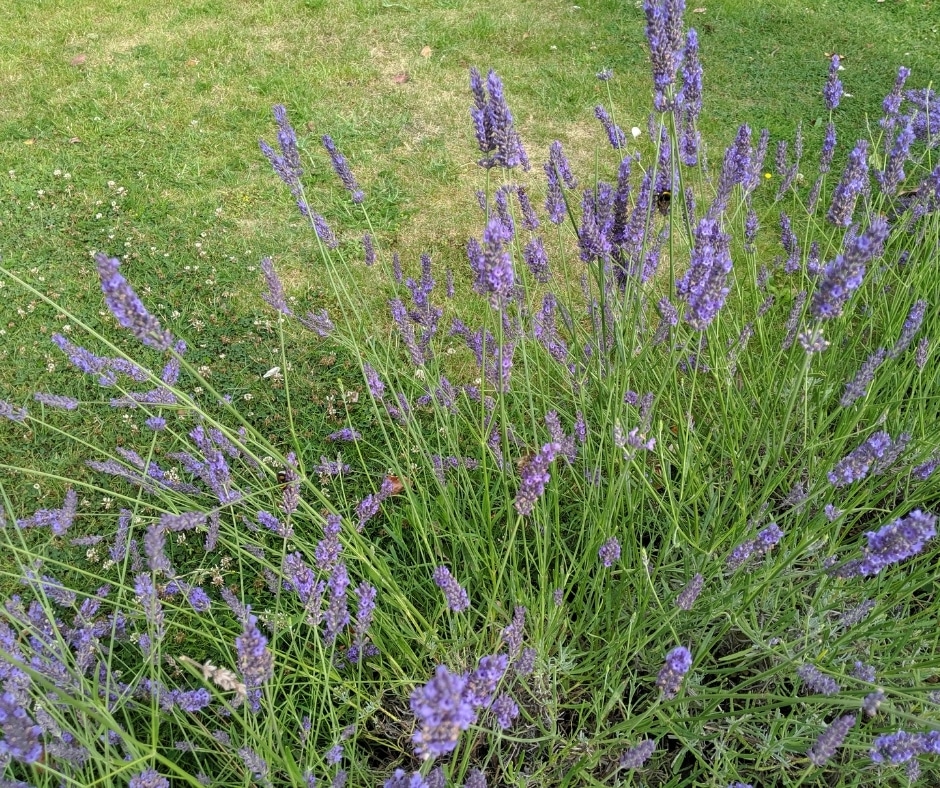
Lavender is a fragrant, perennial herb that thrives in hot, dry climates with minimal care.
Why Grow Lavender?
- Produces beautiful purple flower spikes.
- Naturally resistant to pests and deer.
- Highly drought-tolerant once established.
Care Tips:
- Requires well-draining, sandy soil.
- Needs full sun and good air circulation.
- Water sparingly after the first year of establishment.
4. Bougainvillea
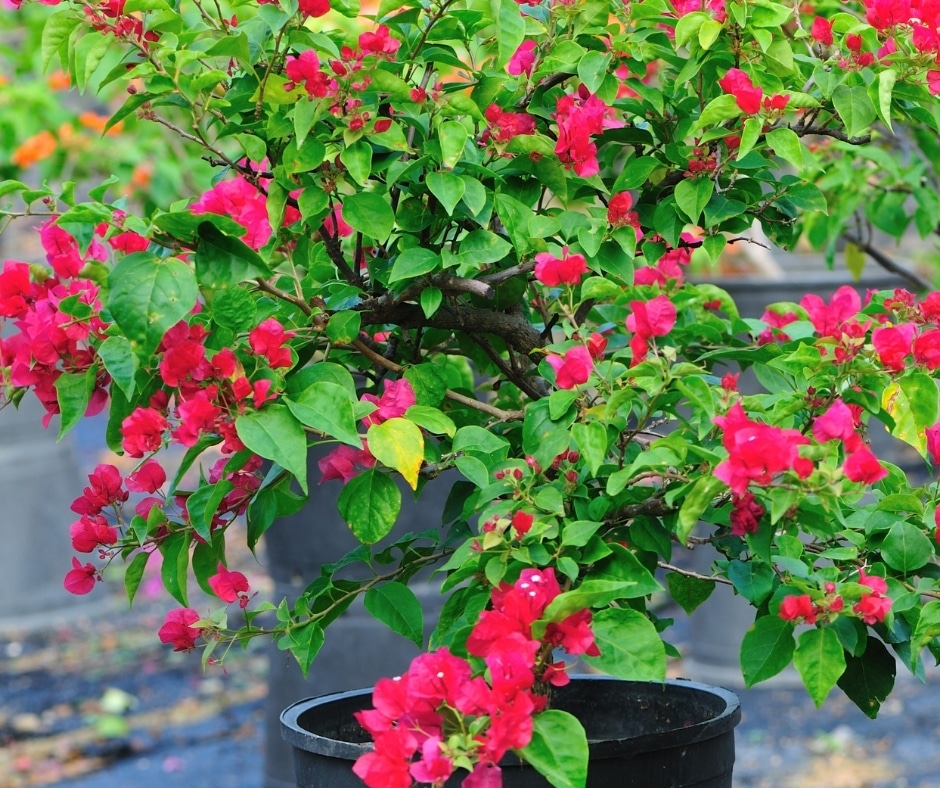
Bougainvillea is a hardy, fast-growing vine that thrives in hot, dry climates.
Why Grow Bougainvillea?
- Produces stunning bracts in shades of pink, purple, red, orange, and white.
- Can be trained to grow as a vine, shrub, or small tree.
- Flourishes in neglected, dry conditions.
Care Tips:
- Prefers full sun for maximum blooms.
- Needs well-drained soil and minimal watering.
- Can be grown in pots, along fences, or trellises.
5. Coreopsis (Coreopsis spp.)
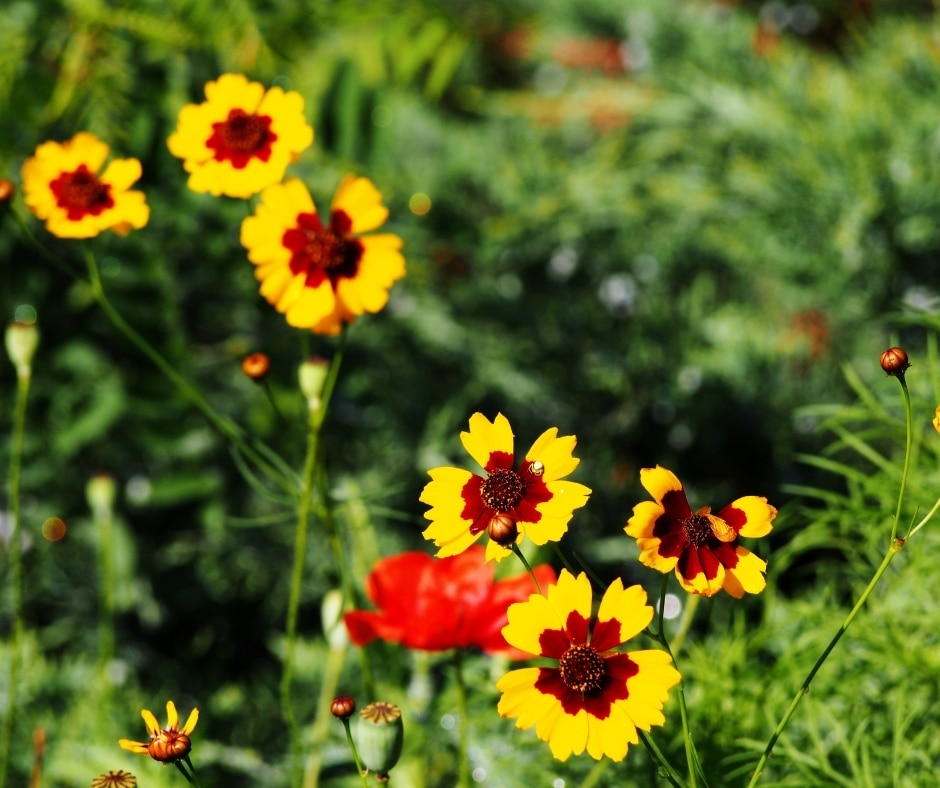
Also known as Tickseed, coreopsis is a hardy, drought-resistant flowering plant that attracts birds, bees, and butterflies.
Why Grow Coreopsis?
- Produces cheerful yellow, white, pink, or red flowers.
- Requires minimal watering and fertilization.
- Blooms continuously throughout summer.
Care Tips:
- Deadhead spent flowers for continuous blooms.
- Grows best in full sun.
- Prefers well-drained, sandy, or rocky soil.
6. Alliums (Allium Millenium)
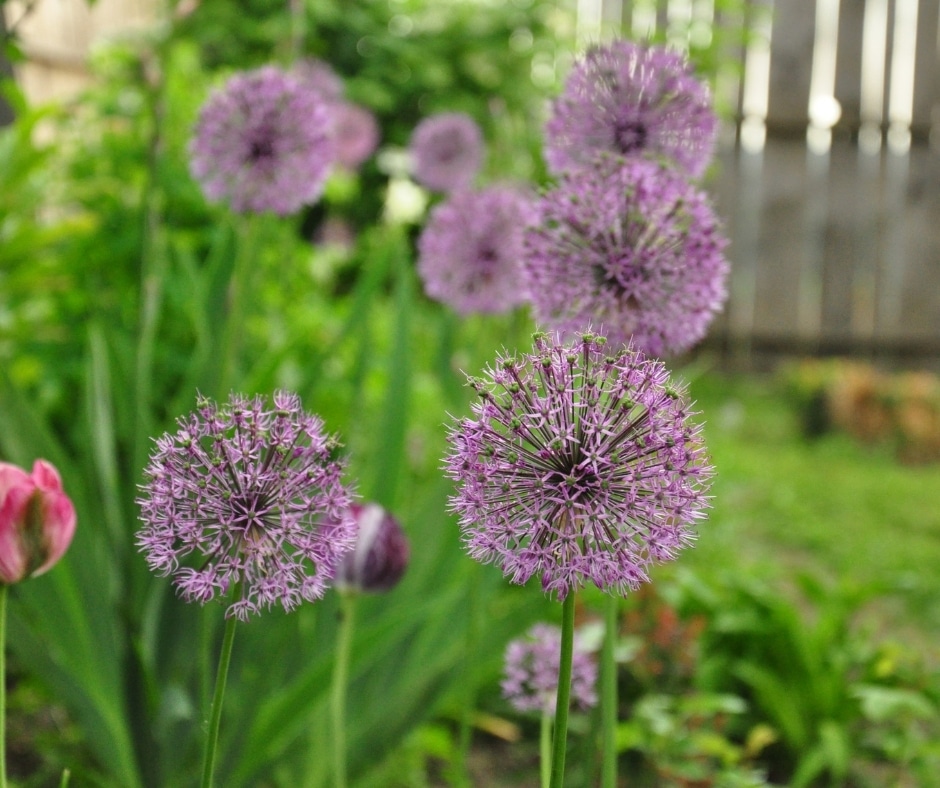
Alliums are drought-resistant perennials that add bold, globe-shaped flowers to garden landscapes.
Why Grow Alliums?
- Thrives in poor soil and dry conditions.
- Produces unique, spherical purple blooms.
- Attracts pollinators and repels deer and rodents.
Care Tips:
- Needs full sun and well-draining soil.
- Blooms in mid to late summer.
7. Echinacea (Echinacea purpurea)
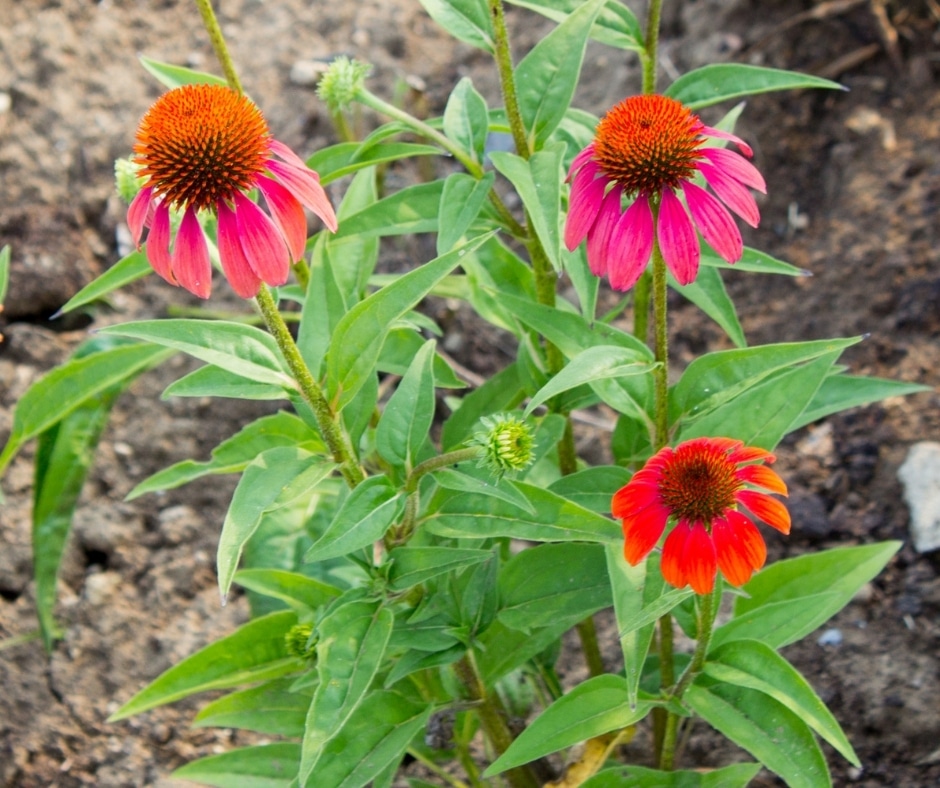
Commonly known as Purple Coneflower, echinacea is a hardy perennial that thrives in low-water conditions.
Why Grow Echinacea?
- Long bloom time from summer through early fall.
- Low-maintenance and highly resistant to pests.
- Great for attracting bees and butterflies.
Care Tips:
- Prefers full sun and well-drained soil.
- Deadhead for extended blooming.
8. Trumpet Vine (Campsis)
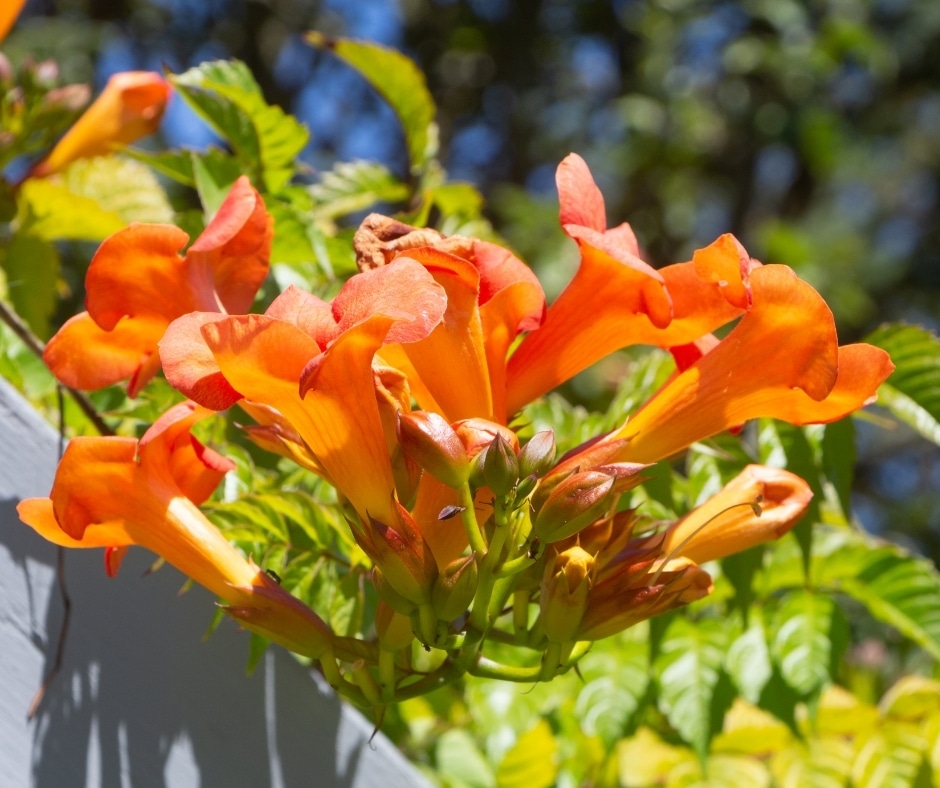
This drought-tolerant climbing vine produces vibrant trumpet-shaped flowers that attract hummingbirds.
Why Grow Trumpet Vine?
- Fast-growing with minimal care requirements.
- Grows well in warm and cool climates.
- Can be used to cover fences, trellises, and arbors.
Care Tips:
- Prune regularly to prevent overgrowth.
- Tolerates poor soil and full sun.
9. Gazania
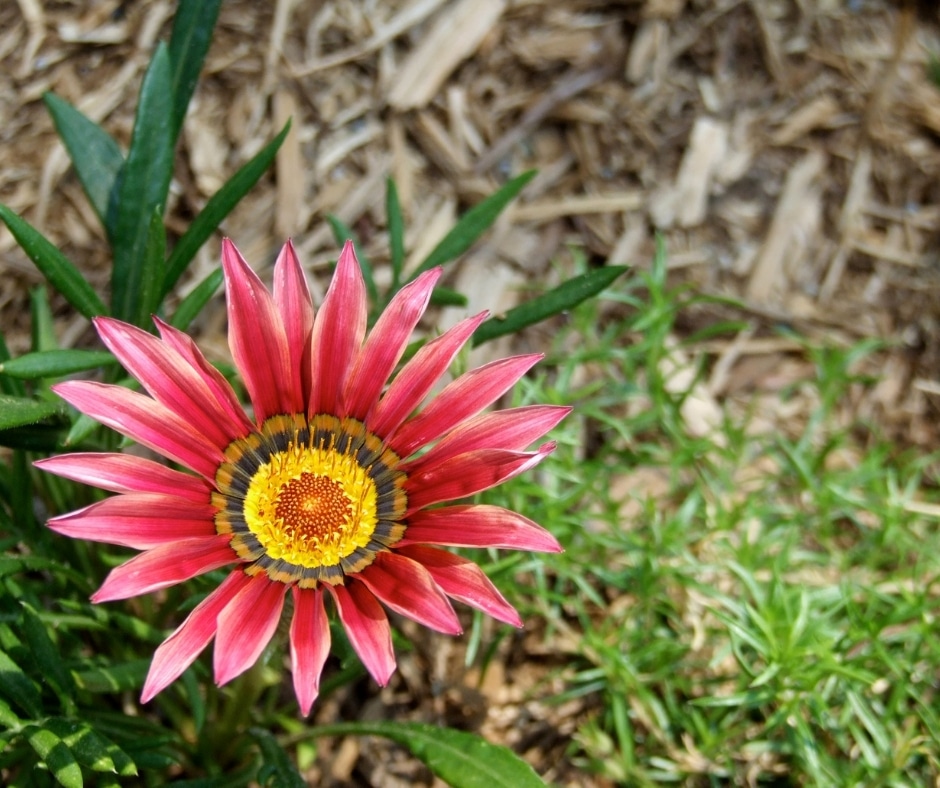
Gazania, often called Treasure Flower, is a drought-tolerant perennial (grown as an annual in cooler climates) that thrives in hot, dry environments. Native to South Africa, gazanias are known for their large, daisy-like blooms that come in vibrant shades of yellow, orange, pink, and red.
Why Grow Gazania?
- Requires minimal watering once established.
- Blooms continuously from summer to fall.
- Attracts pollinators like bees and butterflies.
- Excellent for rock gardens, borders, and containers.
Care Tips:
- Prefers full sun for best flowering.
- Needs well-drained, sandy soil.
- Deadhead spent flowers to encourage prolonged blooming.
10. Yarrow (Achillea millefolium)
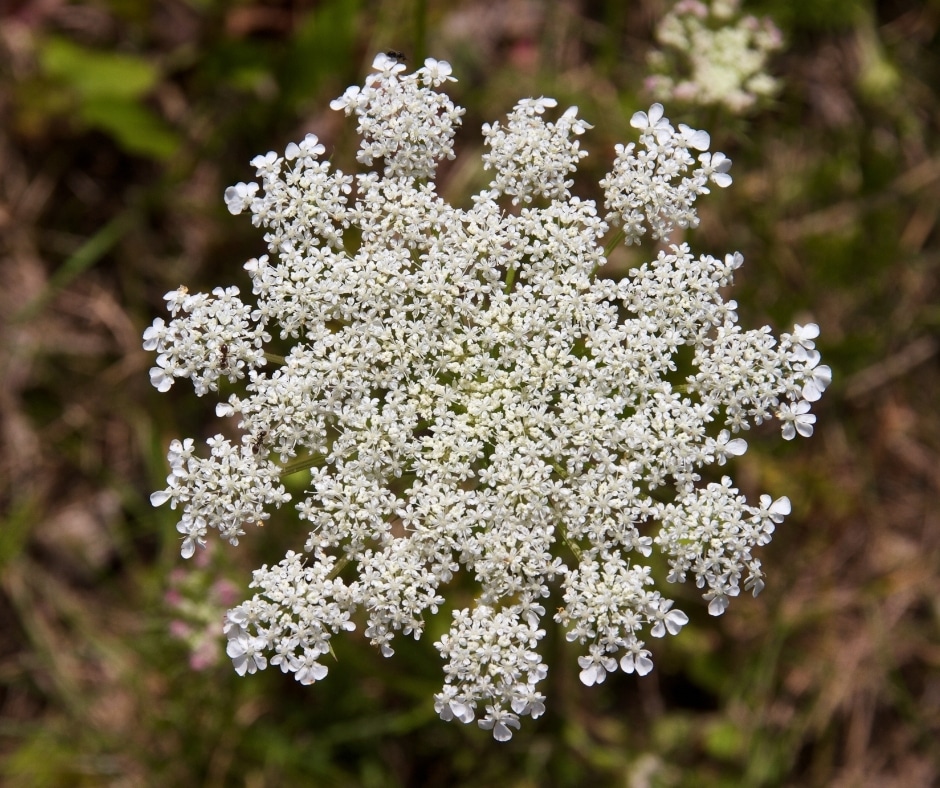
Yarrow is a hardy perennial that produces clusters of tiny flowers in shades of yellow, pink, red, or white. It is well-known for its medicinal properties and fern-like foliage.
Why Grow Yarrow?
- Long blooming period from early summer to fall.
- Attracts butterflies and beneficial insects.
- Drought-tolerant once established.
- Excellent for cut flowers and dried floral arrangements.
Care Tips:
- Prefers full sun.
- Grows best in well-drained soil but can tolerate poor conditions.
- Trim spent flowers to prevent self-seeding
11. Red Hot Poker (Kniphofia uvaria)
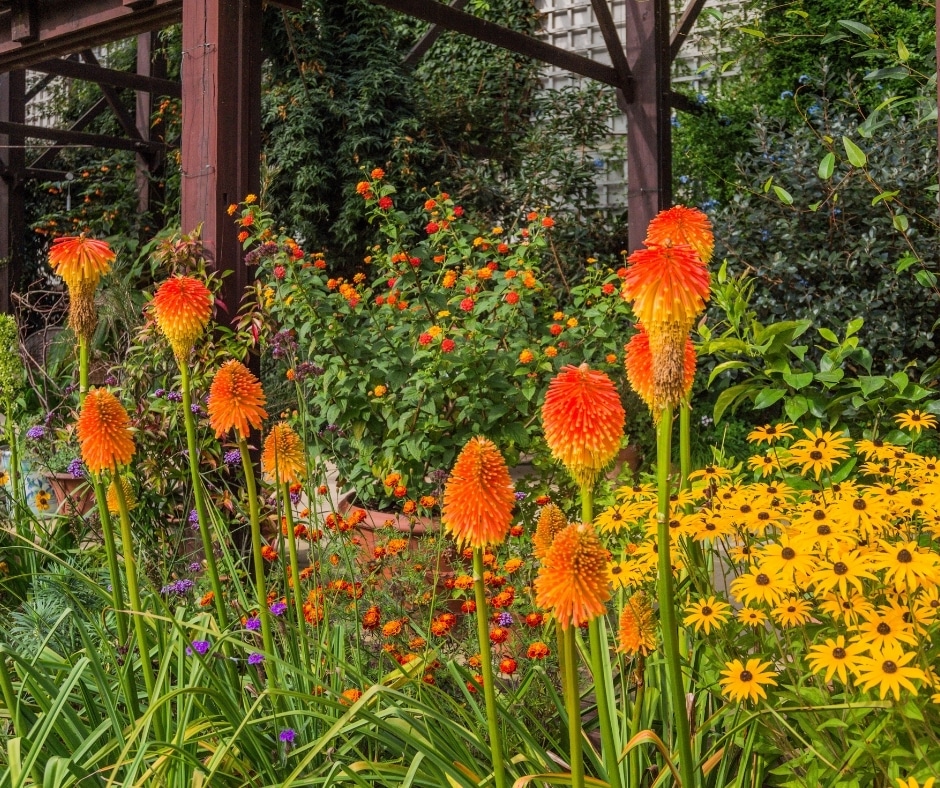
Red Hot Poker, also known as Torch Lily, is a striking drought-tolerant perennial with tall spikes of red, orange, and yellow flowers.
Why Grow Red Hot Poker?
- Low maintenance and deer-resistant.
- Produces vibrant torch-like blooms that attract hummingbirds and butterflies.
- Thrives in hot, sunny locations with minimal water needs.
Care Tips:
- Requires full sun.
- Needs well-draining soil.
- Space plants apart to allow airflow and prevent fungal diseases.
12. Butterfly Bush (Buddleia davidii)
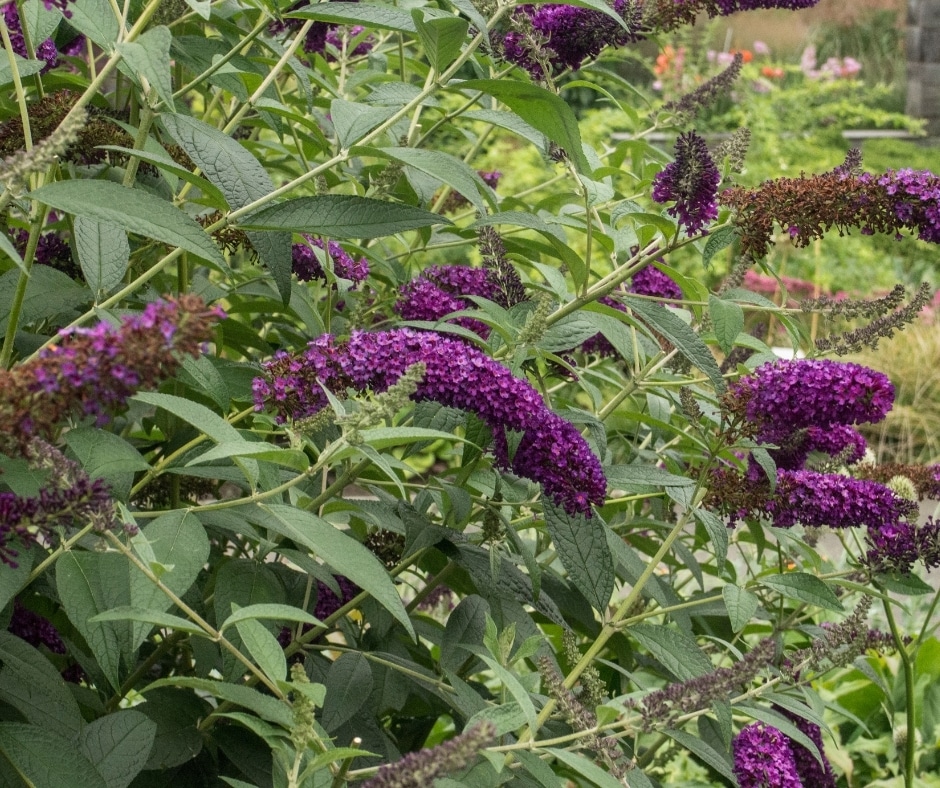
The Butterfly Bush is a fast-growing, drought-tolerant deciduous shrub that attracts pollinators with its long, fragrant flower spikes in shades of purple, pink, white, and orange.
Why Grow Butterfly Bush?
- Blooms continuously from summer to fall.
- Drought-tolerant and requires minimal maintenance.
- Attracts butterflies, bees, and hummingbirds.
Care Tips:
- Prefers full sun.
- Remove spent flowers to prevent excessive spreading.
- Grows well in borders, butterfly gardens, and containers.
13. Lantana (Lantana camara)
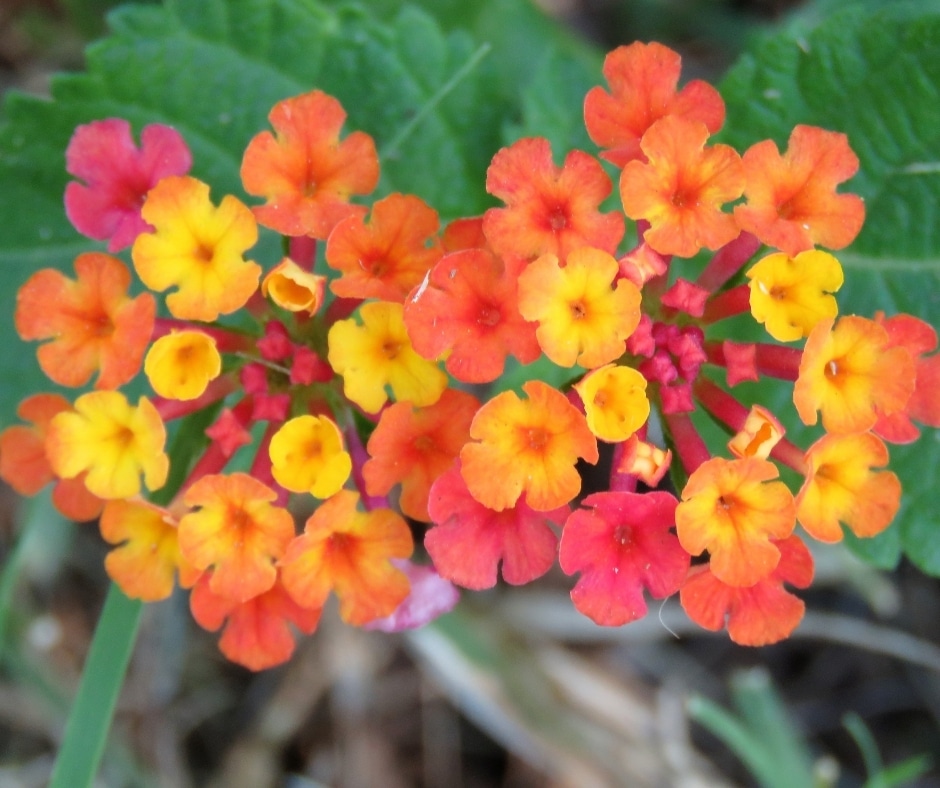
Lantana is a hardy, tropical flowering plant that blooms year-round in warm climates. It is well-known for its clusters of colorful flowers and ability to thrive in poor soil and dry conditions.
Why Grow Lantana?
- Heat and drought-tolerant, making it ideal for hot, arid regions.
- Attracts butterflies, hummingbirds, and bees.
- Low-maintenance and resistant to pests and deer.
Care Tips:
- Prefers full sun.
- Requires well-draining soil.
- Trim back in early spring to encourage bushy growth.
14. Euphorbia (Euphorbia spp.)
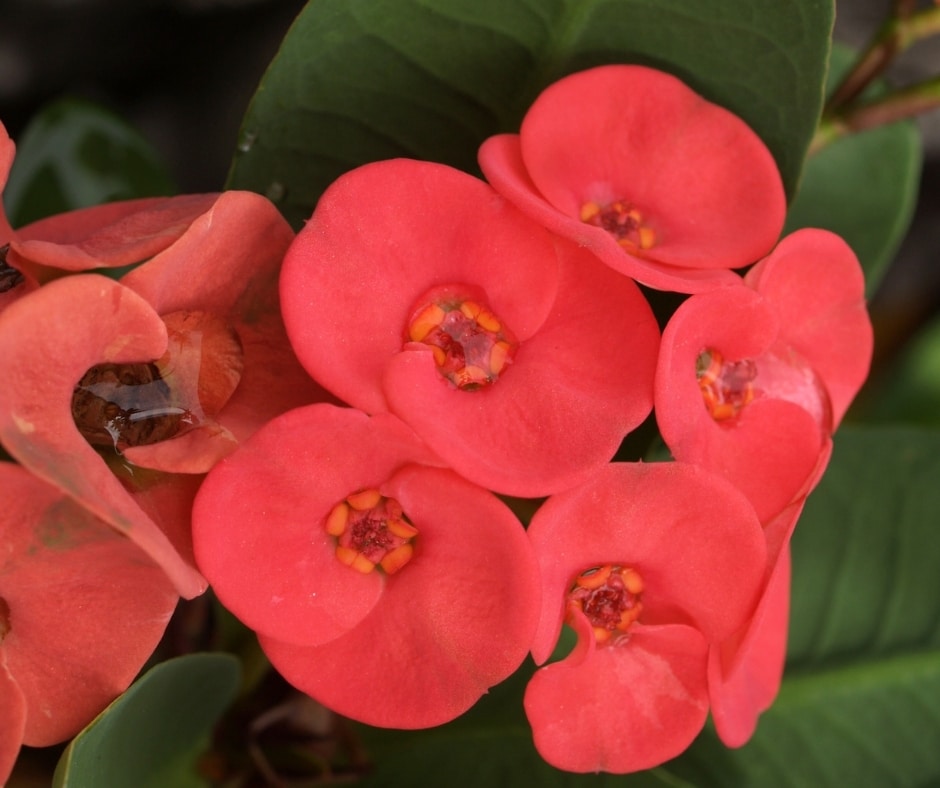
Euphorbia, commonly known as Spurge, includes a diverse group of drought-resistant perennials and succulents that thrive in harsh, dry conditions.
Why Grow Euphorbia?
- Highly adaptable to various soil types, including poor and sandy soils.
- Requires minimal watering and is resistant to pests and diseases.
- Produces unique, architectural foliage and long-lasting blooms.
Care Tips:
- Prefers full sun to partial shade.
- Needs well-draining soil.
- Wear gloves when handling, as some varieties contain irritating sap.
15. Valerian (Valeriana officinalis)
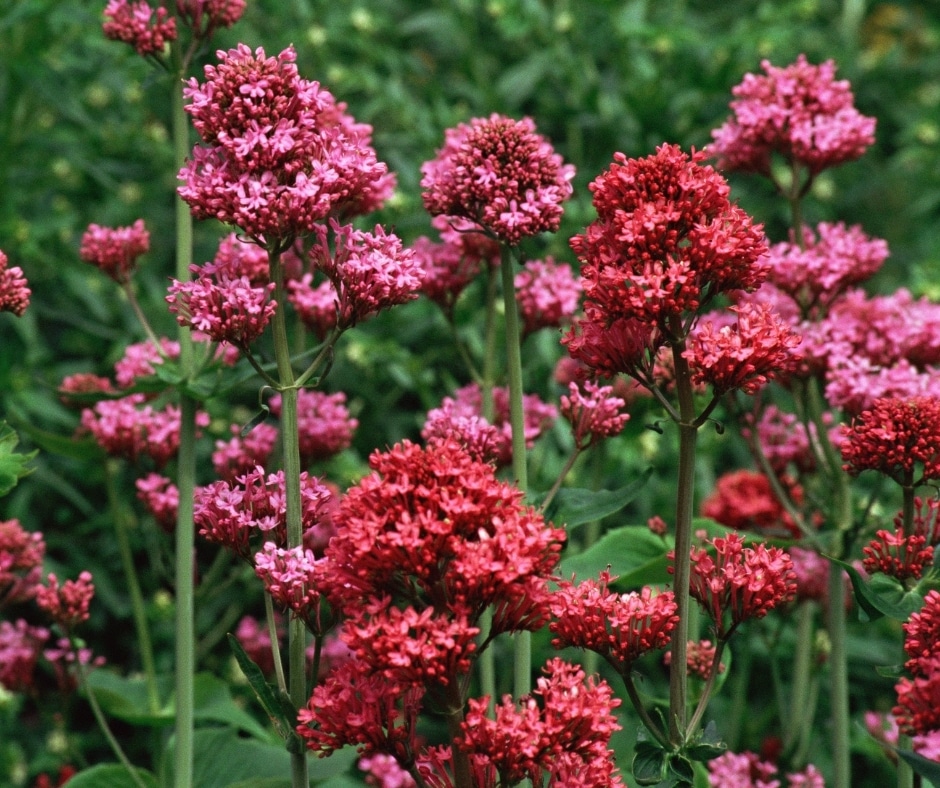
Valerian is a low-maintenance, drought-tolerant herbaceous perennial known for its fragrant flowers and medicinal properties.
Why Grow Valerian?
- Produces clusters of white or pink flowers that attract pollinators.
- Drought-resistant once established.
- The roots are used in herbal remedies for relaxation and sleep aid.
Care Tips:
- Prefers full sun to partial shade.
- Thrives in well-drained soil.
- Cut back spent flowers to prevent excessive self-seeding.
With these drought-tolerant plants, you can create a stunning, water-wise garden that thrives even in hot, dry conditions.
Whether you’re looking for low-maintenance perennials, pollinator-friendly blooms, or vibrant annuals, these plants will add beauty and resilience to your landscape.