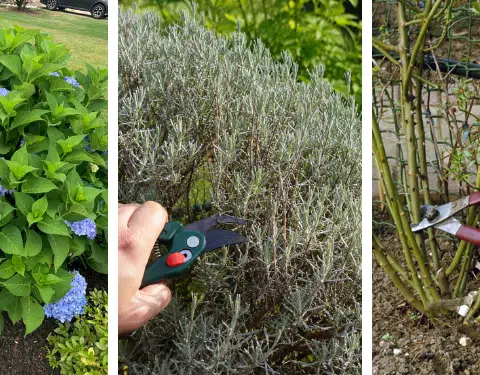
In this article, we’ll explore nine impressive reasons to use soap in your garden and how it can transform your gardening routine.
From keeping pests at bay to protecting your plants and soil, you’ll discover why soap should be a go-to solution for any gardener.
1. Natural Insect Repellent
One of the most common uses of soap in the garden is as a natural insect repellent.
Soap can effectively eliminate small, soft-bodied insects like aphids, spider mites, and whiteflies without harming your plants or the environment.
The soap works by breaking down the insects’ protective outer coating, causing them to dehydrate and die.
How to Use It:
- Mix 1 tablespoon of liquid dish soap (without degreaser or antibacterial agents) with 1 quart of water.
- Pour the solution into a spray bottle and apply directly to infested plants, making sure to cover both the tops and undersides of the leaves.
- Repeat every 5-7 days until the pest problem is under control.
Tip: Test the solution on a small section of the plant first to ensure there’s no adverse reaction.
2. Prevent Fungal Diseases
Soap solutions can help prevent the growth and spread of fungal diseases like powdery mildew, black spot, and rust.
The soap works by altering the surface tension of water on the leaves, making it harder for fungi to establish and spread.
How to Use It:
- Mix 1 tablespoon of liquid soap with 1 gallon of water.
- Add 1 teaspoon of baking soda to enhance the antifungal properties.
- Spray the mixture on affected plants once a week, especially during humid conditions when fungi thrive.
Tip: Avoid applying the solution during the hottest part of the day to prevent leaf burn.
3. Keep Animals Away
If animals like deer, rabbits, or squirrels are frequent visitors to your garden, soap can help keep them away.
The strong scent of soap can act as a deterrent, preventing these animals from nibbling on your plants.
How to Use It:
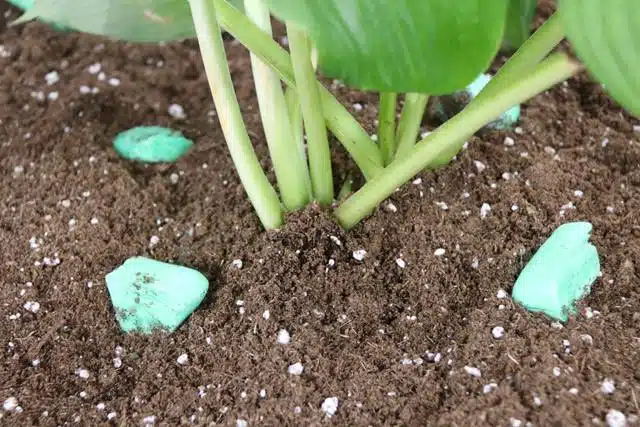
- Hang small pieces of scented bar soap around the garden, particularly near plants that are often targeted by animals.
- Place shavings of bar soap or grated soap around the base of plants to create a barrier.
Tip: Choose a highly scented soap, like lavender or Irish Spring, for maximum effectiveness.
4. Improve Soil Health and Water Retention
Soap can also be used to improve soil health by breaking up compacted soil and increasing water absorption.
The surfactants in soap reduce the surface tension of water, allowing it to penetrate the soil more effectively. This can be especially useful in sandy or clay-heavy soils that struggle with water retention.
How to Use It:
- Mix 1 teaspoon of liquid dish soap with 1 gallon of water.
- Water your garden beds with the solution to help the soil absorb moisture more evenly.
Tip: Use this solution sparingly, as overuse can disrupt the balance of soil nutrients.
5. Homemade Weed Killer
Soap can enhance the effectiveness of homemade weed killers. When combined with ingredients like vinegar and salt, soap helps the solution stick to the weeds, increasing its effectiveness.
How to Use It:
- Mix 1 gallon of white vinegar, 1 cup of salt, and 1 tablespoon of liquid dish soap.
- Spray the solution directly on weeds, making sure to cover the leaves and stems.
Tip: Apply the solution on a sunny day for best results, as the heat helps dry out the weeds faster.
6. Clean and Disinfect Garden Tools
Dirty garden tools can harbor harmful bacteria, fungi, and pests that can spread to your plants. Using soap to clean and disinfect your tools helps keep your garden healthy and prevents the spread of diseases.
How to Use It:
- Soak garden tools in a bucket of warm water mixed with a few drops of dish soap.
- Scrub the tools with a brush to remove dirt and debris.
- Rinse and let the tools dry before storing.
Tip: For a deeper clean, add a bit of white vinegar to the soapy water.
7. Repel Slugs and Snails
Slugs and snails can wreak havoc in your garden, chewing through leaves and damaging plants. Soap can be used as a natural repellent to deter these slimy pests.
How to Use It:
- Mix 1 tablespoon of liquid dish soap with 1 quart of water.
- Spray the solution around the base of plants and on the soil where slugs and snails are active.
- Reapply after rain or heavy watering.
Tip: Combine with diatomaceous earth for even greater effectiveness against slugs and snails.
8. Shine Plant Leaves
Soap can help give your plant leaves a healthy shine by removing dust, grime, and residues. Clean leaves not only look better but also help the plant photosynthesize more efficiently.
How to Use It:
- Mix a few drops of mild liquid soap with 1 quart of water.
- Dampen a soft cloth with the solution and gently wipe the leaves of your plants.
- Use a second cloth dampened with plain water to remove any soap residue.
Tip: Avoid using this solution on plants with hairy or fuzzy leaves, as it can trap soap in the hairs and cause irritation.
9. Prevent Ants and Other Crawling Insects
Soap can be used to deter ants and other crawling insects from invading your garden. The soapy solution disrupts their pheromone trails, making it difficult for them to find their way.
How to Use It:
- Mix 1 tablespoon of liquid dish soap with 1 cup of water.
- Pour the solution around ant trails or the base of plants where ants are active.
- Repeat as needed until the ants are gone.
Tip: Combine the soap solution with a bit of cayenne pepper or cinnamon for a stronger deterrent.
Soap is a versatile and powerful tool that every gardener should consider adding to their gardening toolkit.