If you’re a new houseplant parent, choosing your first indoor plants can be both exciting and overwhelming.
While many people focus on low-maintenance or aesthetically pleasing greenery, there’s far more to houseplants than just good looks.
Many indoor plants offer surprising health benefits—from purifying the air and improving sleep to reducing anxiety and even treating minor skin irritations.
The best part? These beneficial houseplants are often easy to grow, making them perfect for beginners.
Whether you’re looking to boost your wellness, detox your home, or simply enjoy a touch of green in your space, here are 11 beginner-friendly houseplants with powerful health benefits—plus tips on how to care for them.
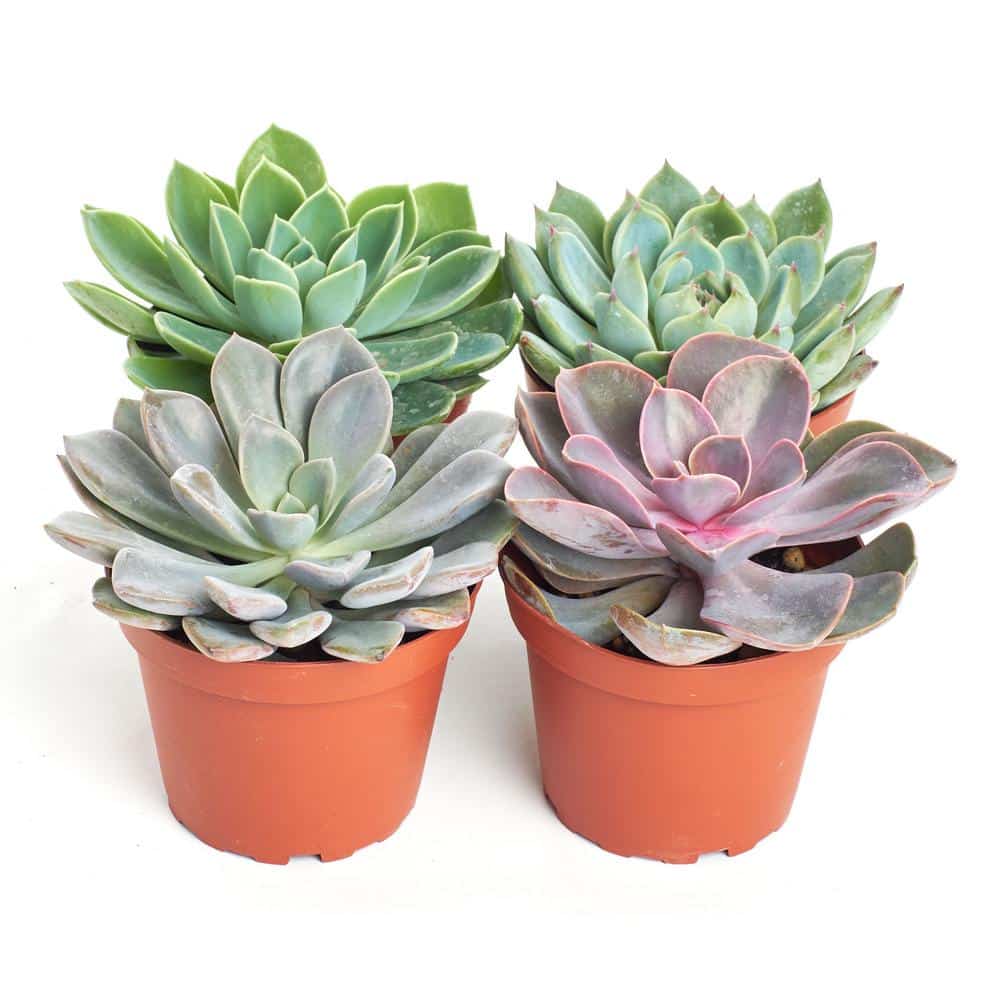
1. Succulents
Health Benefit: Air purification and oxygen enrichment
Succulents are the go-to plants for new gardeners because they require very little care. But they’re not just trendy—these compact plants also help remove toxins and pump out fresh oxygen, even at night, depending on the variety.
Why They’re Great for Beginners:
-
Require minimal watering (about once every 2–3 weeks)
-
Thrive in bright, indirect light
-
Come in countless shapes, colors, and sizes
Best Place: Office desks, sunny windowsills, or dorm rooms.
2. Aloe Vera
Health Benefit: Soothes burns, acne, and improves air quality
Aloe Vera is a natural remedy powerhouse. Its gel can be used to treat sunburns, heal acne, and soften skin and hair. The plant also helps remove indoor air pollutants like formaldehyde and benzene.
Care Tips:
-
Loves bright, direct sunlight
-
Water only when the soil is dry
-
Avoid cold drafts
Bonus Use: Keep a cutting in the fridge and apply the gel to minor burns or skin irritations.
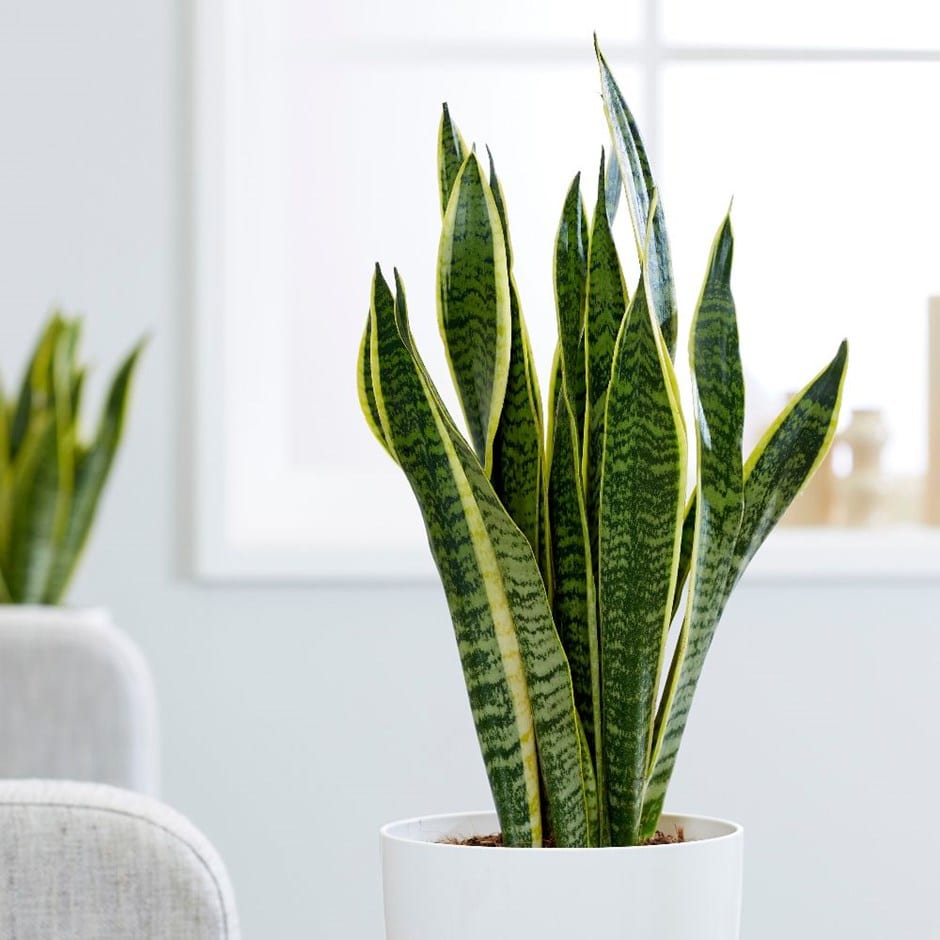
3. Snake Plant (Sansevieria or Mother-in-Law’s Tongue)
Health Benefit: Removes toxins and boosts indoor oxygen
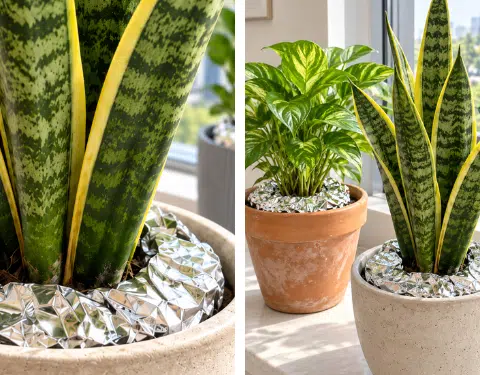
The Snake Plant is one of the best air-purifying houseplants. It filters toxins like formaldehyde, xylene, and nitrogen oxides, making it especially helpful in enclosed spaces.
Why Experts Love It:
-
Survives in low light and with minimal water
-
Continues to convert CO₂ into oxygen at night
-
Nearly indestructible
Best Place: Bedroom or bathroom (great for improving indoor air at night)
4. Bamboo Palm (Chamaedorea seifrizii)
Health Benefit: Filters airborne carcinogens
Also known as the Reed Palm, this tropical beauty is excellent for removing benzene and trichloroethylene, both of which are commonly found in household cleaners and paint.
Care Tips:
-
Prefers indirect sunlight and consistently moist soil
-
Benefits from occasional misting in dry environments
Best Place: Living room or study area
5. Boston Fern (Nephrolepis exaltata)
Health Benefit: Natural humidifier and air detoxifier
Boston Ferns excel at releasing moisture into the air and absorbing common toxins. They help relieve symptoms related to dry air, such as itchy skin, coughs, and sinus issues.
Ideal for:
-
Adding humidity to dry indoor environments
-
Hanging baskets or shelves
Care Tip: Keep the soil consistently moist and provide indirect light.

6. Peace Lily (Spathiphyllum)
Health Benefit: Reduces mold spores and cleanses air
Peace Lilies are not only elegant but highly functional. They help remove mold spores from the air, making them perfect for bathrooms or humid areas.
Care Tips:
-
Thrives in low to medium light
-
Water when the soil feels dry to the touch
-
Avoid direct sunlight to prevent leaf burn
Warning: Toxic to pets if ingested—keep out of reach of cats and dogs.
7. Lavender (Lavandula spp.)
Health Benefit: Reduces stress, promotes better sleep, and supports skin healing
Lavender is widely known for its calming scent. The plant’s aroma has been proven to reduce anxiety, ease headaches, and improve sleep. Its essential oils also help soothe skin conditions and burns.
Growing Tips:
-
Needs full sunlight (6+ hours/day)
-
Water when soil is almost dry
-
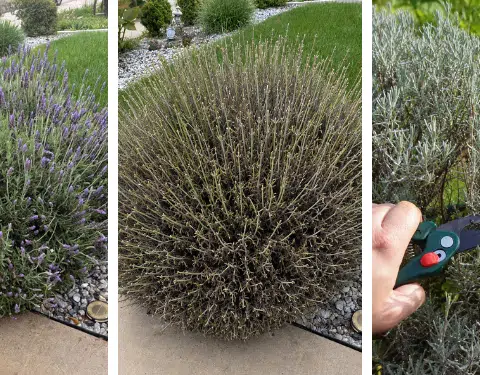
Prune regularly to encourage new growth
Best Place: Bedroom or windowsill
8. Orchids (Orchidaceae family)
Health Benefit: Enhances sleep and boosts immunity
Orchids aren’t just ornamental—they also release oxygen at night and can promote better sleep. Dried orchid petals are used in traditional medicine to boost immunity and energy levels.
Caring for Orchids:
-
Bright, indirect sunlight
-
Water once a week (don’t overwater!)
-
Use well-draining orchid potting mix
Health Tip: Dried orchids can be used to make soothing herbal tea for fatigue and headaches.
9. Pothos (Epipremnum aureum)
Health Benefit: Purifies air and reduces eye strain
Pothos is one of the easiest plants to grow and maintain. It purifies indoor air by removing toxins like formaldehyde, carbon monoxide, and benzene, and is believed to help alleviate eye irritation caused by extended screen time.
Why It’s Beginner-Friendly:
-
Grows well in low light
-
Tolerates neglect and irregular watering
-
Can be grown in water or soil
Best Place: Bookshelves, desks, or hanging planters
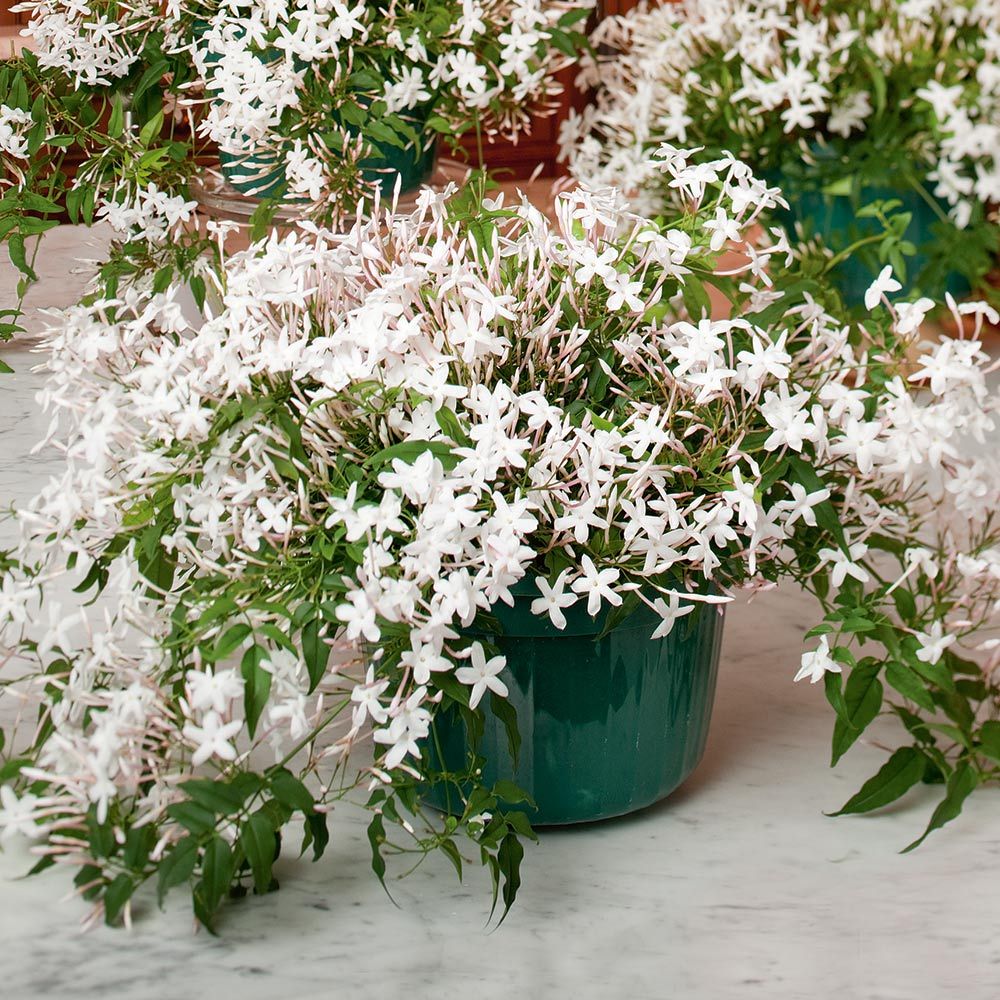
10. Jasmine (Jasminum spp.)
Health Benefit: Enhances mood, promotes sleep, and fights headaches
Jasmine plants are not only beautiful and fragrant, but their scent is shown to have mood-boosting and sedative effects. Jasmine oil is used to reduce acne and anxiety, and dried jasmine makes an excellent herbal tea.
Care Tips:
-
Prefers bright, filtered light
-
Keep soil moist, but not soggy
-
Provide good airflow
Bonus: The scent of blooming jasmine can reduce cortisol levels and help you sleep better.
11. Rosemary (Rosmarinus officinalis)
Health Benefit: Improves concentration and has antimicrobial properties
Rosemary is not only a culinary herb—it also acts as a natural air purifier thanks to its antimicrobial properties. Inhaling its aroma has been linked to improved memory and alertness.
How to Grow:
-
Requires full sun (at least 6 hours daily)
-
Water thoroughly when the topsoil dries out
-
Use well-drained soil or clay pots
Pro Tip: Keep a rosemary plant near your workspace to stay focused and refreshed.
Adding houseplants to your space isn’t just about aesthetics—it’s about creating a healthy, stress-free environment.
From improving air quality to offering sleep and skin benefits, these 11 beginner-friendly houseplants combine beauty with wellness.
Whether you’re new to indoor gardening or just want to feel better in your own space, these healing houseplants make a perfect addition to any room—and to your daily well-being.