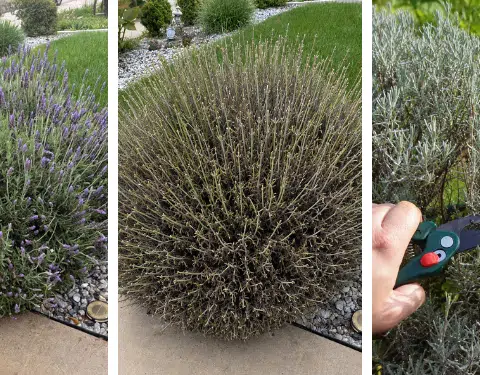
Gardening can be one of the most rewarding hobbies, offering fresh produce, beautiful landscapes, and a relaxing environment.
However, without proper knowledge and preparation, your gardening efforts can quickly turn into a disaster.
From poor soil conditions to pest infestations, many gardeners encounter challenges that can hinder plant growth and lead to frustration.
Here are the top five gardening disasters and expert tips on how to avoid them.
1. Overwatering or Underwatering
The Problem:
One of the most common mistakes gardeners make is improper watering.
Overwatering can lead to root rot, fungal diseases, and suffocated plants, while underwatering can cause wilting, stunted growth, and plant death.
How to Avoid It:
- Understand Your Plants’ Needs: Different plants require different amounts of water. Research specific watering needs for each type of plant in your garden.
- Use the Finger Test: Stick your finger about an inch into the soil. If it’s dry, it’s time to water; if it’s moist, wait a bit longer.
- Water Deeply but Less Frequently: Watering deeply encourages roots to grow downwards, making plants more drought-resistant.
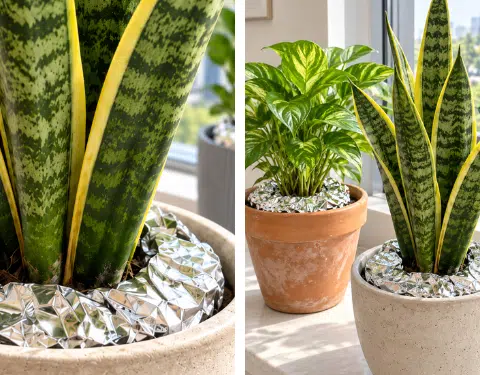
- Use Mulch: Mulching helps retain soil moisture and prevents rapid evaporation.
- Install Drip Irrigation: A drip irrigation system ensures consistent and efficient watering, reducing water waste and plant stress.
2. Poor Soil Quality
The Problem:
Unhealthy soil leads to weak plants, poor yields, and nutrient deficiencies. Soil that is too sandy won’t hold enough water, while clay-heavy soil can suffocate roots.
How to Avoid It:
- Test Your Soil: Use a soil test kit to determine pH levels and nutrient content before planting.
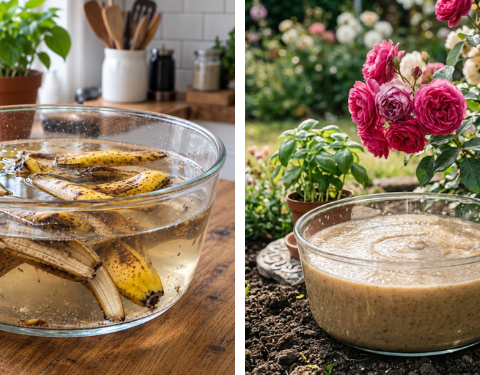
- Amend the Soil Accordingly: Add compost, aged manure, or organic matter to improve soil structure and fertility.
- Rotate Crops: Change plant locations each season to prevent soil depletion and reduce disease buildup.
- Avoid Over-Tilling: Excessive tilling can disrupt beneficial microorganisms and compact the soil.
- Use Raised Beds: If your native soil is poor, raised garden beds filled with high-quality soil can be a great alternative.
3. Pest Infestations
The Problem:
Uncontrolled pests can destroy plants, reduce yields, and spread diseases. Common garden pests include aphids, caterpillars, slugs, and beetles.
How to Avoid It:
- Encourage Beneficial Insects: Ladybugs, praying mantises, and lacewings naturally control pest populations.
- Use Row Covers: Cover plants with netting to protect them from insects and birds.
- Apply Natural Remedies: Neem oil, insecticidal soap, and homemade garlic spray can deter pests without harming plants.
- Practice Companion Planting: Certain plants, like marigolds and basil, repel pests when grown alongside vegetables and flowers.
- Regularly Inspect Plants: Check the undersides of leaves for eggs and larvae, and remove pests manually when necessary.
4. Planting in the Wrong Location
The Problem:
Placing plants in an unsuitable location can lead to poor growth, reduced flowering, and increased susceptibility to disease.
How to Avoid It:
- Know Your Plant’s Sun Requirements: Some plants thrive in full sun (6+ hours of direct sunlight), while others prefer shade.
- Consider Air Circulation: Poor airflow can encourage fungal diseases. Space plants appropriately and avoid overcrowding.
- Account for Growth Size: Ensure plants have enough room to grow without competing for nutrients and sunlight.
- Observe Wind Patterns: Strong winds can damage delicate plants, so use windbreaks or plant near a fence for protection.
- Improve Drainage: If your garden has poor drainage, consider raised beds or amending the soil with sand and compost.
5. Failing to Plan for Seasonal Changes
The Problem:
Not preparing for seasonal changes can result in frost damage, heat stress, or plants dying during extreme weather.
How to Avoid It:
- Know Your Planting Zone: Research the best planting times for your region to avoid unexpected frosts.
- Use Season Extenders: Cloches, row covers, and greenhouses can protect plants from early frosts or excessive heat.
- Mulch in Winter: A thick layer of mulch insulates plant roots and prevents temperature fluctuations.
- Choose Hardy Plants: Select plants that can withstand your local climate conditions.
- Be Ready to Adjust: Keep an eye on weather forecasts and cover or move plants when extreme temperatures are expected.
Gardening is an ongoing learning experience, and mistakes are a natural part of the process.
By being aware of these common gardening disasters and taking proactive steps to prevent them, you’ll be on your way to a thriving and successful garden.
Proper watering, soil management, pest control, strategic planting, and seasonal preparation are key factors in maintaining a healthy and productive garden.