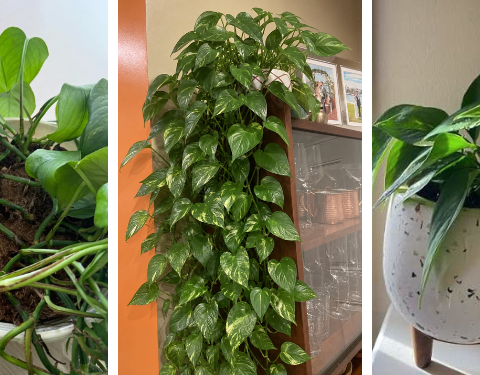
In today’s world, we’re spending more time indoors than ever before — which means the quality of the air inside our homes is more important than ever.
From household cleaners and paint fumes to synthetic furniture materials and everyday dust, indoor air can carry a variety of harmful pollutants. Fortunately, nature has a solution: air-purifying houseplants.
NASA’s Clean Air Study and other research have shown that certain plants can filter indoor air, absorbing toxins like benzene, formaldehyde, trichloroethylene, xylene, and carbon monoxide.
These natural air purifiers are not only beautiful but also help create a healthier living environment.
If you’re looking to clean the air in your home while adding a touch of green, here are 11 of the best indoor plants for air purification.
1. Snake Plant (Sansevieria trifasciata)
Also known as Mother-in-Law’s Tongue, the snake plant is a hardy and stylish plant that’s excellent at removing toxins such as benzene, formaldehyde, and xylene.
It’s also one of the few plants that continue to release oxygen at night, making it a great bedroom companion.
Benefits:
-
Filters air 24/7
-
Extremely low maintenance
-
Tolerates low light and infrequent watering
Ideal Placement: Bedroom, office, or living room
2. Peace Lily (Spathiphyllum wallisii)
The Peace Lily is a lush, flowering plant that’s not only beautiful but highly efficient at removing indoor air pollutants, including ammonia and formaldehyde.
It also helps increase indoor humidity, which can ease dry skin and respiratory issues.
Benefits:
-
Natural humidifier
-
Blooms with elegant white flowers
-
Excellent for filtering VOCs (volatile organic compounds)
Note: Toxic to pets if ingested.
3. Spider Plant (Chlorophytum comosum)
The Spider Plant is one of the easiest houseplants to grow and is especially good at absorbing carbon monoxide, formaldehyde, and xylene. It also produces baby “spiderettes” that can be replanted.
Benefits:
-
Kid- and pet-friendly
-
Excellent for hanging baskets or small pots
-
Improves air quality in just a few days
Ideal For: Kitchens, bathrooms, and sunny windowsills
4. Aloe Vera (Aloe barbadensis)
Aloe vera is well-known for its soothing gel used on burns and skin irritations, but it also acts as a natural air filter.
It helps remove formaldehyde and benzene — chemicals often found in paints and cleaning products.
Benefits:
-
Has medicinal uses
-
Purifies air in small spaces
-
Adds natural decor to desks and countertops
Bonus: Shows brown spots when air quality is poor — acting as a natural air quality monitor.
5. Boston Fern (Nephrolepis exaltata)
The Boston Fern is a lush, feathery plant known for its ability to remove formaldehyde and xylene from the air.
It also adds humidity, which can be helpful during winter months when indoor air gets dry.
Benefits:
-
Adds visual interest with its cascading fronds
-
Acts as a natural humidifier
-
Effective at removing indoor pollutants
Care Tip: Keep soil moist and place in indirect light.
6. Areca Palm (Dypsis lutescens)
Also known as the Butterfly Palm, the Areca Palm is one of the best air-purifying plants, especially in large indoor spaces.
It’s effective at humidifying the air and removing benzene, carbon monoxide, and formaldehyde.
Benefits:
-
Elegant and tropical appearance
-
Safe for pets
-
Purifies and adds moisture to the air
Best Location: Living rooms or corners with bright, indirect light
7. Rubber Plant (Ficus elastica)
The Rubber Plant is a powerful air cleaner, especially effective at removing formaldehyde from indoor air. With its large, glossy leaves, it also adds a bold statement to your interior decor.
Benefits:
-
Absorbs airborne chemicals
-
Helps control mold spores and bacteria
-
Easy to maintain with moderate care
Note: Keep out of reach of pets and children.
8. English Ivy (Hedera helix)
This classic trailing plant is not only attractive in hanging baskets but is also highly effective at removing airborne mold and formaldehyde.
It’s an excellent choice for allergy sufferers and people with asthma.
Benefits:
-
Filters allergens from the air
-
Great for bathrooms and bedrooms
-
Can be trained to climb or trail
Care Tip: Prefers cooler rooms and indirect light.
9. Bamboo Palm (Chamaedorea seifrizii)
Bamboo palms are compact, graceful indoor palms that filter toxins such as benzene and formaldehyde.
They also add humidity to dry indoor spaces, making them a good choice during colder months.
Benefits:
-
Safe for pets
-
Grows well in partial shade
-
Adds tropical charm to interiors
Maintenance Tip: Water when the topsoil feels dry and avoid overwatering.
10. Gerbera Daisy (Gerbera jamesonii)
While not often thought of as an indoor plant, the Gerbera Daisy is one of the few flowering plants shown to remove benzene and trichloroethylene effectively — both of which are common in dry-cleaned clothes and industrial cleaners.
Benefits:
-
Brightens your space with colorful blooms
-
Filters out harmful chemicals
-
Can boost mood and emotional well-being
Light Requirements: Needs lots of sunlight to thrive indoors.
11. Chinese Evergreen (Aglaonema spp.)
The Chinese Evergreen is a stylish, variegated houseplant that’s great for beginners.
It purifies air by removing pollutants like benzene and formaldehyde and can thrive in low-light conditions.
Benefits:
-
Low maintenance and tolerant of low light
-
Filters indoor toxins effectively
-
Adds elegant greenery to any room
Care Tip: Water when the top 1–2 inches of soil feel dry.
Tips for Using Houseplants to Purify Indoor Air
To get the most out of your air-purifying plants, consider these expert tips:
1. Use Multiple Plants
NASA recommends having one plant per 100 square feet for effective air purification. Mix different types for maximum benefits.
2. Keep Leaves Dust-Free
Dust can block pores in leaves and reduce a plant’s air-purifying ability. Wipe leaves gently every couple of weeks.
3. Don’t Overwater
Overwatering can lead to root rot and mold growth, which defeats the purpose of improving air quality.
4. Ensure Good Light Conditions
Plants need adequate light to photosynthesize and perform air-purifying functions. Place them in appropriate lighting according to their needs.
5. Rotate Plants Seasonally
If a plant is thriving in one spot during summer, it might need to be moved in winter to receive more light and warmth.
With indoor air pollution becoming a growing concern, natural solutions like air-purifying plants offer a simple, eco-friendly way to improve the air you breathe.
Whether you’re looking for a low-maintenance option like the snake plant, a humidity booster like the peace lily, or a pet-friendly plant like the Areca palm, there’s a houseplant that fits your space and lifestyle.