Transplanting seedlings is a crucial step in gardening that can determine the success of your plants.
Done correctly, it strengthens root systems, reduces transplant shock, and ensures a thriving garden.
However, improper transplanting can stunt growth or even kill your young plants.
In this guide, we’ll reveal the secrets to successful seedling transplanting, helping you achieve a lush and productive garden.
1. Start with Strong, Healthy Seedlings
Why It Matters:
Healthy seedlings with well-developed roots have a much higher survival rate after transplanting.
How to Do It:
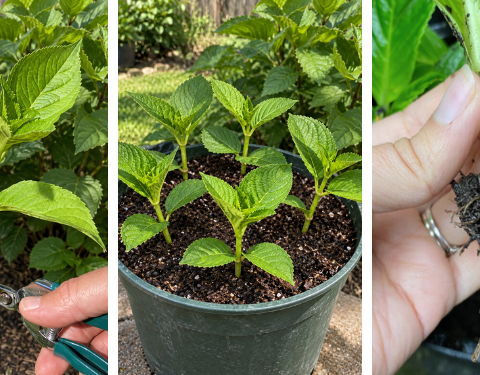
- Choose seedlings that have at least two sets of true leaves and a strong stem.
- Avoid leggy, weak, or diseased seedlings.
- Harden off your seedlings before transplanting (explained in the next step).
2. Harden Off Seedlings Before Transplanting
Why It Matters:
Seedlings grown indoors or in greenhouses need time to adjust to outdoor conditions.
How to Do It:
- Start 7-10 days before transplanting.
- Place seedlings outside for a few hours daily, gradually increasing their time outdoors.
- Reduce watering slightly to toughen them up.
- Avoid strong sunlight and wind during the initial days of hardening off.
3. Choose the Right Time for Transplanting
Why It Matters:
Timing affects how well your plants recover and grow.
How to Do It:
- Transplant on a cloudy day or in the late afternoon to reduce stress.
- Avoid transplanting during extreme heat or cold conditions.
- Check the forecast and ensure no frost is expected.
4. Prepare the Planting Site Properly
Why It Matters:
A well-prepared planting site provides the necessary nutrients and moisture for growth.
How to Do It:
- Loosen the soil to improve drainage and aeration.
- Add compost or organic matter for nutrient-rich soil.
- Water the site before transplanting to prevent root desiccation.
- Space seedlings according to their specific needs to allow proper growth.
5. Handle Seedlings with Care
Why It Matters:
Rough handling can damage delicate roots and stems, leading to transplant shock.
How to Do It:
- Gently remove seedlings from their trays or pots by holding their leaves, not stems.
- If using peat pots, tear off the bottom to allow roots to grow freely.
- Keep the root ball intact to minimize disturbance.
6. Transplant at the Right Depth
Why It Matters:
Planting seedlings too deep or too shallow can hinder growth.
How to Do It:
- For most plants, plant at the same depth as they were in their containers.
- Tomatoes are an exception; they should be planted deeper to encourage root growth.
- Firm the soil gently around the base to eliminate air pockets.
7. Water Immediately After Transplanting
Why It Matters:
Proper watering reduces transplant shock and helps roots establish quickly.
How to Do It:
- Water immediately after planting to settle the soil and provide hydration.
- Use lukewarm water to avoid temperature shock.
- Water at the base rather than overhead to prevent fungal diseases.
8. Use Mulch to Retain Moisture and Suppress Weeds
Why It Matters:
Mulching helps retain soil moisture and protects young seedlings from temperature fluctuations.
How to Do It:
- Apply a 2-inch layer of organic mulch (straw, wood chips, or compost) around plants.
- Keep mulch away from stems to prevent rot.
- Mulching also discourages weed growth, reducing competition for nutrients.
9. Protect Seedlings from Pests and Harsh Weather
Why It Matters:
Young seedlings are vulnerable to pests and harsh conditions.
How to Do It:
- Use row covers or cloches to protect from extreme weather.
- Install netting or physical barriers to keep pests away.
- Companion planting (e.g., marigolds near vegetables) can help deter insects naturally.
10. Monitor and Maintain Proper Care After Transplanting
Why It Matters:
Ongoing care ensures seedlings establish strong roots and continue growing.
How to Do It:
- Water consistently but avoid overwatering.
- Observe plants for signs of stress (wilting, yellowing leaves) and adjust care accordingly.
- Fertilize lightly after two weeks with an organic or balanced fertilizer.
Mastering the art of successful seedling transplanting requires attention to detail, patience, and care.
By following these 10 expert tips, you can ensure your seedlings thrive and develop into healthy, productive plants.
🌱 Have you tried any of these transplanting techniques? Share your experiences in the comments below!