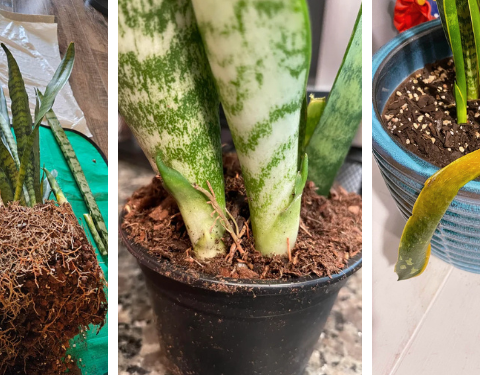
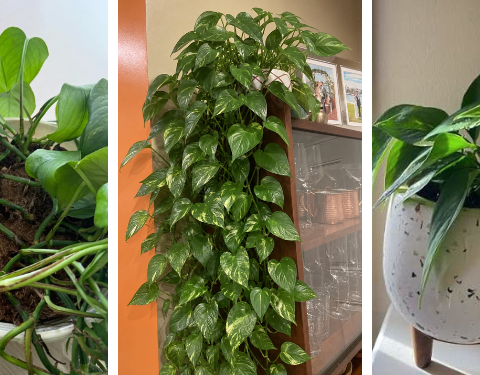
Houseplants are more than just pretty decor—they’re natural air purifiers, mood boosters, and sleep enhancers. If you’re looking to create a healthier living space, one of the best places to start is your bedroom.
Why? Because we spend nearly one-third of our lives sleeping, and the air quality, humidity, and energy in your room can greatly impact your rest and overall health.
Adding a few well-chosen houseplants can transform your bedroom into a tranquil, wellness-boosting sanctuary.
In this article, we’ll explore 6 of the best houseplants to grow in your bedroom, backed by research and known for their powerful health benefits.
Why You Should Grow Houseplants in the Bedroom
Many people associate indoor plants with living rooms or offices, but keeping them in the bedroom offers unique advantages.
Here’s what houseplants can do for your sleeping space:
- Improve air quality by removing toxins and increasing oxygen
- Promote better sleep by releasing oxygen at night (in specific plants)
- Reduce stress and anxiety
- Enhance humidity, which helps with dry skin and sinuses
- Boost mood and mental clarity
- Naturally filter dust and allergens
The key is choosing the right plants—ones that are low-maintenance, non-toxic (especially if you have pets), and well-suited for indoor, low-light environments.
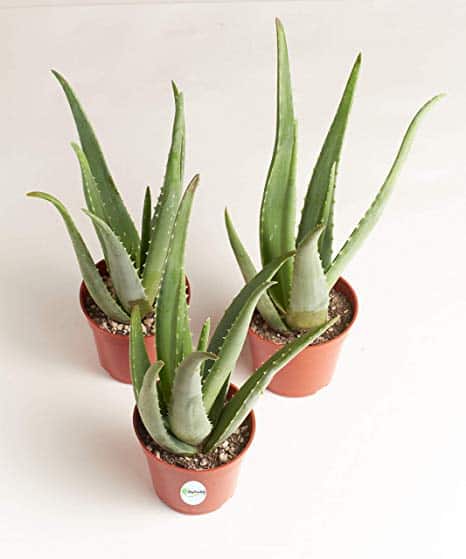
1. Aloe Vera
Why It’s Great for the Bedroom:
Aloe vera is well-known for its healing and anti-inflammatory gel, but it also functions as an effective air purifier.
Like the snake plant, aloe vera also releases oxygen at night, helping you breathe easier while you sleep. Additionally, having aloe on hand gives you access to fresh gel for cuts, burns, or skin irritations.
Health Benefits:
- Natural air purifier
- Promotes deeper sleep
- Provides fresh aloe gel for skincare and first aid
Care Tips:
- Light: Bright, indirect sunlight
- Water: Allow soil to dry out between waterings
- Toxicity: Mildly toxic to pets
2. Lavender (Lavandula)
Why It’s Great for the Bedroom:
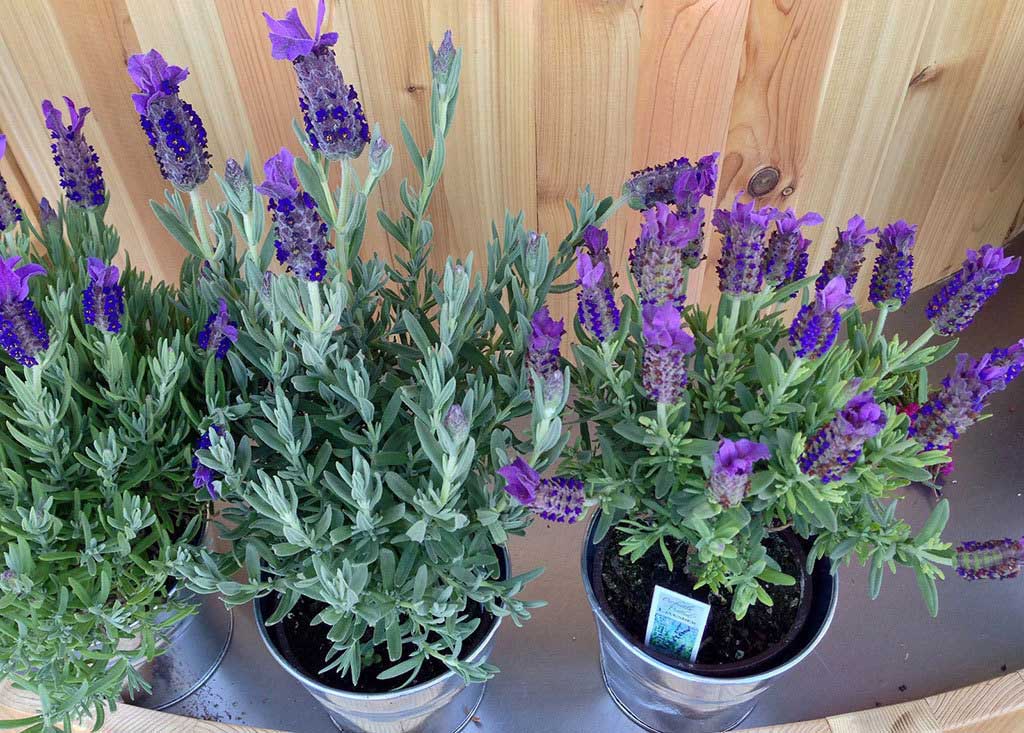
Lavender isn’t just a fragrant herb—it’s a powerful natural relaxant.
Studies have shown that the scent of lavender reduces heart rate, blood pressure, and stress levels, making it perfect for improving sleep quality and reducing anxiety.
While more commonly grown outdoors, potted lavender can thrive indoors with the right conditions.
Health Benefits:
- Reduces stress and anxiety
- Improves sleep quality and relaxation
- Eases headaches and muscle tension
Care Tips:
- Light: Full sun or bright indoor light
- Water: Keep soil lightly moist, but not soggy
- Toxicity: Non-toxic to humans; mildly toxic to pets
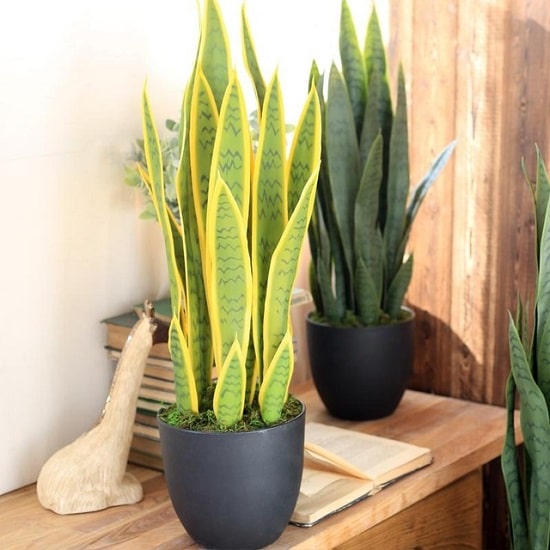
3. Snake Plant (Sansevieria trifasciata)
Also known as: Mother-in-law’s tongue
Why It’s Great for the Bedroom:
The snake plant is one of the best bedroom plants you can grow. It’s a rare plant that converts carbon dioxide into oxygen at night, making it ideal for improving nighttime air quality and promoting restful sleep.
It also filters out harmful toxins such as formaldehyde, benzene, and xylene.
Health Benefits:
- Improves respiratory function
- Enhances air quality while you sleep
- Increases oxygen levels indoors
Care Tips:
- Light: Low to bright indirect light
- Water: Let soil dry completely between waterings
- Toxicity: Mildly toxic to pets if ingested
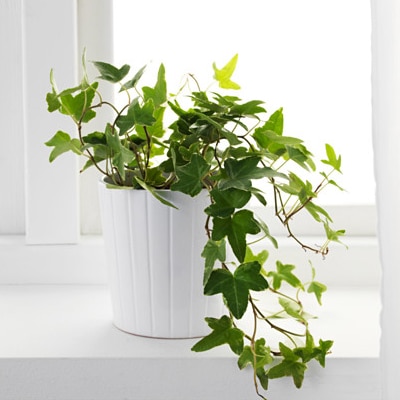
4. English Ivy (Hedera helix)
Why It’s Great for the Bedroom:
English ivy is a trailing plant that’s not only beautiful but also highly effective at removing mold spores and airborne allergens.
According to a NASA study, it’s one of the best houseplants for air purification. It’s especially helpful for people with asthma or allergies.
Health Benefits:
- Reduces airborne mold and allergens
- Improves respiratory health
- Adds greenery without taking up floor space
Care Tips:
- Light: Bright, indirect light
- Water: Keep soil moist but not soggy
- Toxicity: Toxic if ingested by pets or children
5. Peace Lily (Spathiphyllum)
Why It’s Great for the Bedroom:
The peace lily is not only elegant and calming, but it’s also a NASA-approved air purifier. It’s excellent at removing toxins like ammonia, formaldehyde, and trichloroethylene. Its large, glossy leaves help raise humidity in dry indoor air, which is great for preventing dry skin, sinuses, and irritated eyes.
Health Benefits:
- Removes indoor air pollutants
- Increases humidity for better skin and respiratory health
- Reduces airborne mold spores
Care Tips:
- Light: Low to medium indirect light
- Water: Keep soil slightly moist, but avoid overwatering
- Toxicity: Toxic to pets if ingested
6. Areca Palm (Dypsis lutescens)
Also known as: Butterfly palm or Golden cane palm
Why It’s Great for the Bedroom:
The Areca palm is a natural humidifier and top air-purifying plant. It adds tropical charm while filtering out indoor pollutants like carbon monoxide, formaldehyde, and benzene.
If you live in a dry climate or use indoor heating or cooling systems often, this plant will help maintain moisture in the air.
Health Benefits:
- Improves indoor air quality
- Helps reduce dry skin, eyes, and respiratory issues
- Adds soothing green energy to the space
Care Tips:
- Light: Bright, indirect sunlight
- Water: Water when topsoil feels dry
- Toxicity: Non-toxic to pets and humans
Bonus Tips for Growing Bedroom Plants Successfully
Adding houseplants to your bedroom is simple, but here are a few tips to help them thrive:
1. Don’t Overwater
Most bedroom plants prefer to dry out slightly between waterings. Overwatering is one of the most common causes of houseplant failure.
2. Rotate Plants Occasionally
To keep them growing evenly, turn pots every couple of weeks so all sides get light exposure.
3. Wipe Down Leaves
Dust buildup can block photosynthesis. Gently wipe leaves with a damp cloth every few weeks.
4. Choose the Right Pots
Use pots with drainage holes to prevent root rot and maintain healthy root systems.
Your bedroom should be a place of rest, relaxation, and restoration. By choosing the right houseplants, you can enhance not only the look of your space but also your overall well-being.
From purifying the air to calming your mind, these six bedroom-friendly houseplants are natural allies in creating a healthier home.
Whether you’re looking to sleep better, reduce anxiety, or simply breathe cleaner air, these indoor plants are a natural, low-maintenance way to boost your health.