Ground cover plants are far more than just a pretty face in the garden.
They serve critical functions, helping suppress weeds, reduce water evaporation from the soil, protect against erosion, and soften hardscape edges with vibrant textures and colors.
Whether you’re dealing with slopes prone to erosion, gaps between stepping stones, or simply seeking to create a low-maintenance, lush carpet under trees, the right ground cover can transform a landscape.
Below, discover ten exceptional ground cover plants, each offering unique advantages and aesthetic value for diverse garden settings.
1. Creeping Thyme (Thymus serpyllum)
Why It’s Great
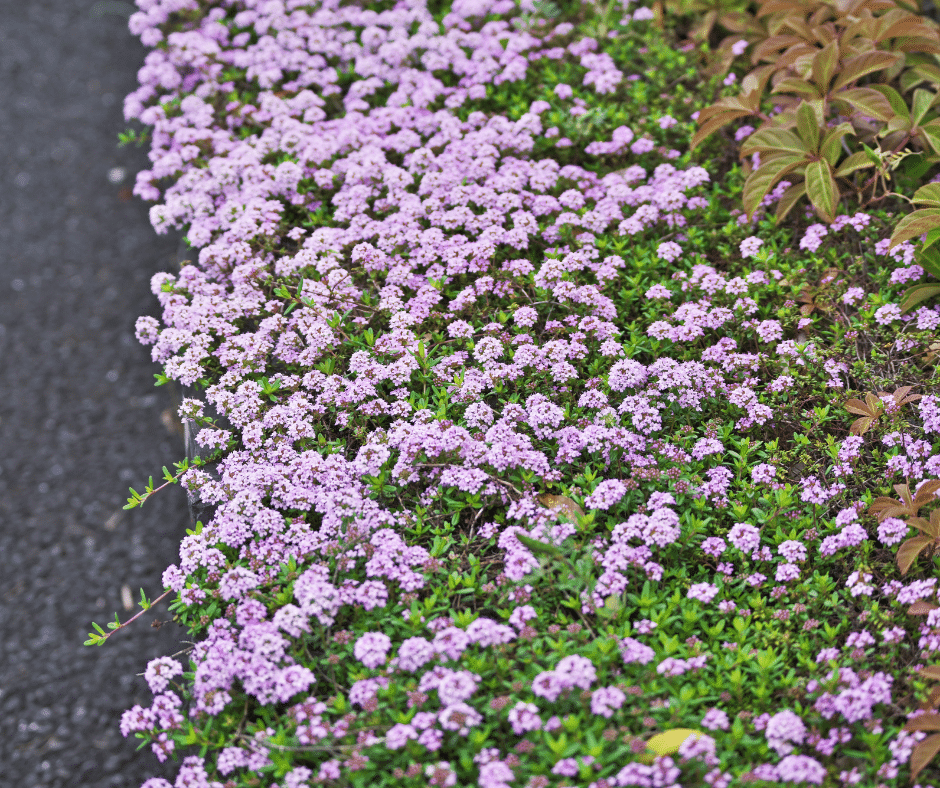
Creeping thyme is a low-growing, aromatic perennial that forms a fragrant, dense mat of foliage.
Tiny pink, lavender, or white flowers appear in summer, creating a picturesque carpet that’s also highly practical.
Best Uses:
- Plant between stepping stones or pavers where it can tolerate light foot traffic.
- Excellent for dry, sunny slopes where turf grass may fail.
- Adds culinary value as a mild herb for cooking.
Benefits:
- Releases a pleasant herbal fragrance when brushed or walked upon.
- Highly drought-tolerant once established, ideal for water-wise gardens.
- Attracts bees, butterflies, and other beneficial pollinators.
- Resilient in poor or rocky soils where other plants struggle.
Growing Tips:
- Prefers full sun for best flowering and density.
- Thrives in well-drained, sandy or gritty soils.
- Requires minimal watering once established.
- Prune lightly after flowering to maintain a tidy growth habit.
2. Periwinkle (Vinca minor)
Why It’s Great
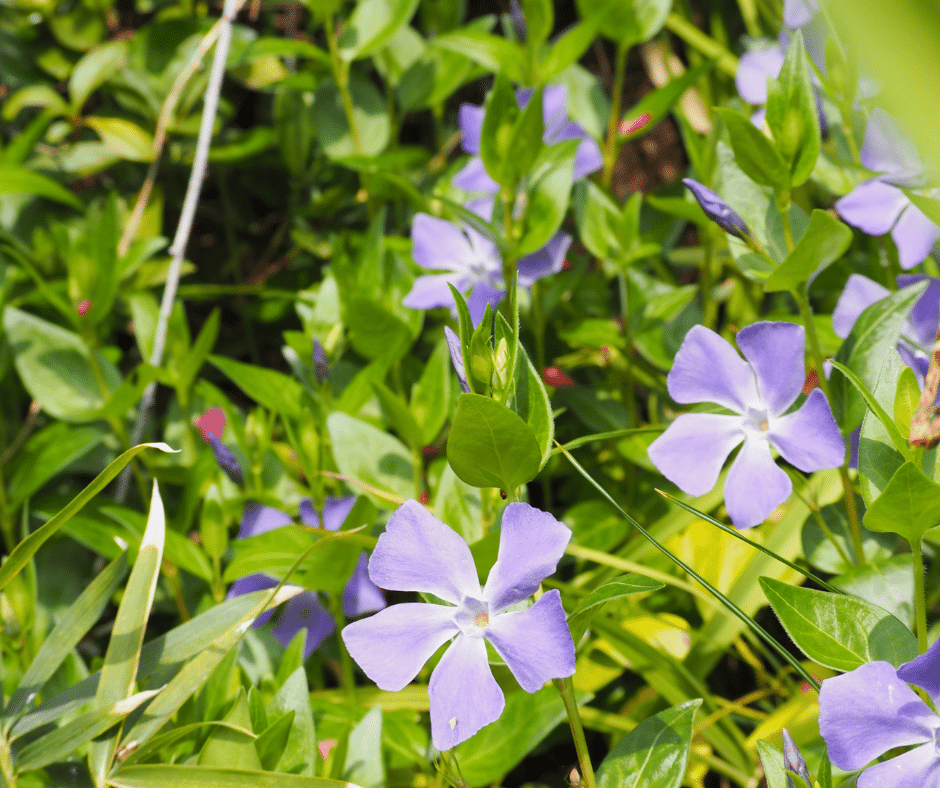
Periwinkle, or lesser periwinkle, is a tough evergreen ground cover with glossy green leaves and star-shaped blue, purple, or white flowers. It’s especially valuable for areas under trees where grass struggles to survive.
Best Uses:
- Covers large shaded areas efficiently.
- Ideal for planting on slopes for erosion control.
- Suppresses weeds with dense foliage.
Benefits:
- Retains attractive foliage year-round, even in colder climates.
- Tolerates a range of soil types and moisture levels.
- Requires minimal upkeep once established.
- Spreads quickly to fill bare patches.
Growing Tips:
- Thrives in partial to full shade.
- Prefers well-drained soils but adapts to clay or sandy soils.
- Keep moist until established, then reduce watering frequency.
- Can become invasive in some regions; monitor spread if necessary.
3. Creeping Jenny (Lysimachia nummularia)
Why It’s Great
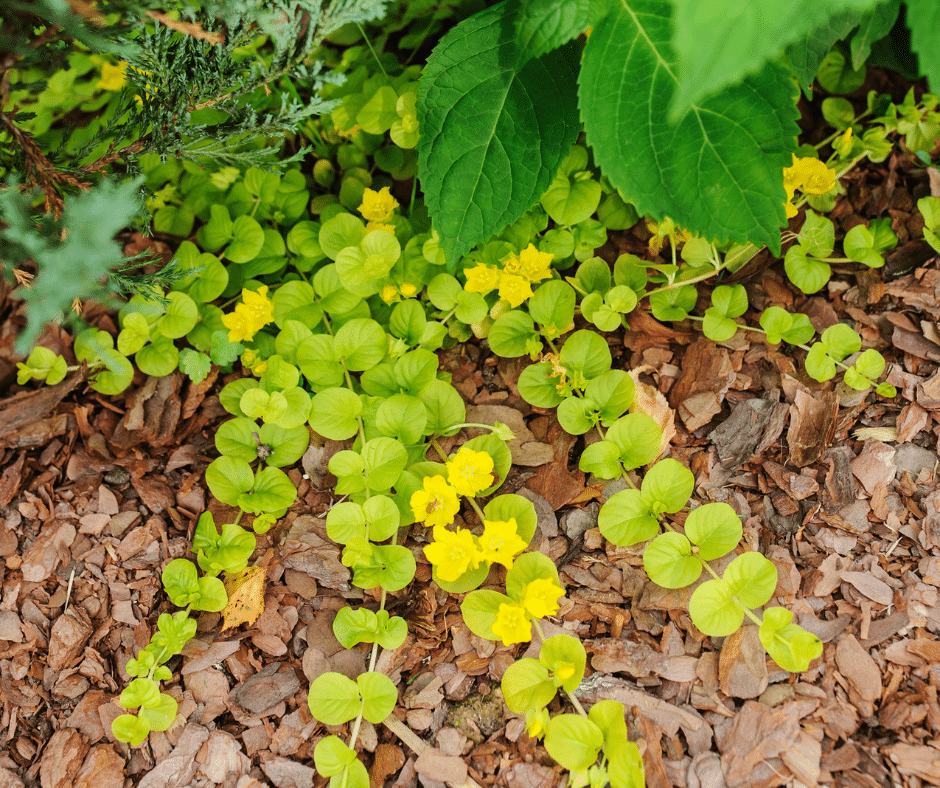
Creeping Jenny is a visually striking ground cover, thanks to its vibrant chartreuse to golden-yellow leaves.
Its low, trailing habit makes it perfect for spilling over walls, edging garden beds, or covering moist areas.
Best Uses:
- Adds bold color to shaded garden beds.
- Excellent trailing plant for containers and hanging baskets.
- Useful for stabilizing slopes and preventing soil erosion.
Benefits:
- Provides brilliant color contrast in shady spaces.
- Adaptable to sun or partial shade.
- Helps control soil erosion on embankments.
- Can tolerate occasional flooding in wetter spots.
Growing Tips:
- Thrives in moist, well-drained soils.
- Prefers full sun for brighter color but tolerates partial shade.
- Keep soil consistently moist for lush growth.
- Can spread aggressively; use barriers or regular trimming to contain.
4. Sedum (Sedum spp.)
Why It’s Great
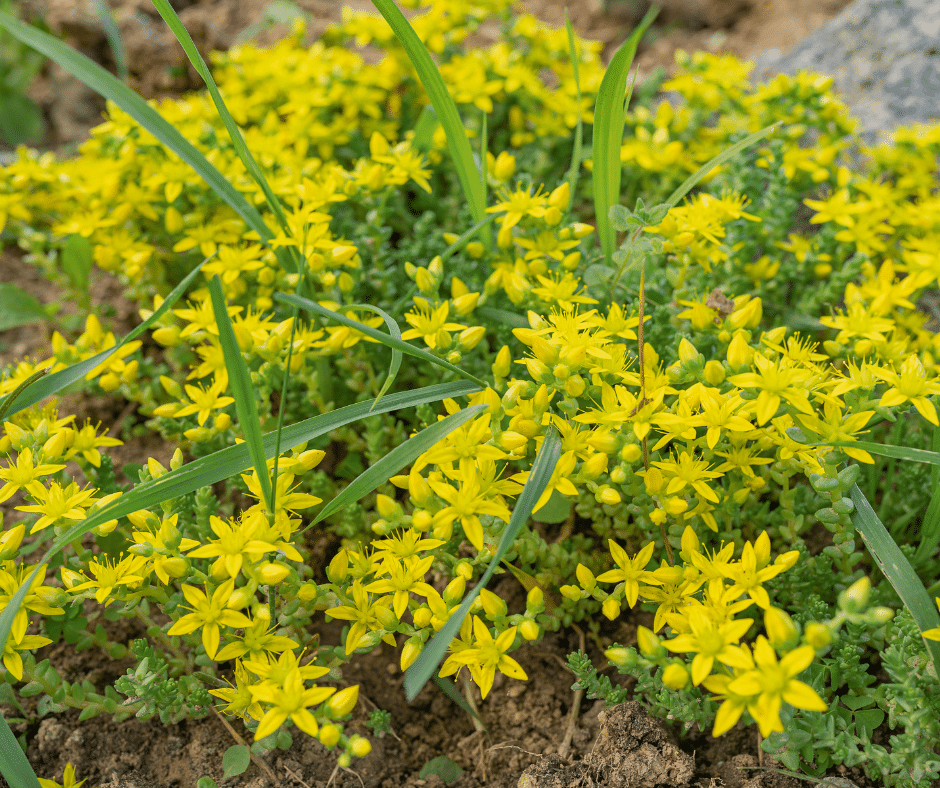
Sedums, often called stonecrops, encompass a wide variety of succulent ground covers.
Their fleshy leaves store water, making them champions of drought tolerance. Sedums come in myriad shapes, sizes, and colors, offering endless design options.
Best Uses:
- Perfect for rock gardens, green roofs, and dry, sunny slopes.
- Works well between stepping stones where minimal foot traffic occurs.
- Attractive in mixed succulent plantings.
Benefits:
- Exceptionally low-maintenance and drought-tolerant.
- Available in stunning colors ranging from green to deep burgundy.
- Resilient in poor, rocky soils.
- Excellent nectar source for pollinators.
Growing Tips:
- Prefers full sun for compact growth and vibrant colors.
- Grows best in sandy, well-drained soils.
- Water sparingly; overwatering can cause root rot.
- Prune in spring to remove winter dieback.
5. Ajuga (Ajuga reptans)
Why It’s Great
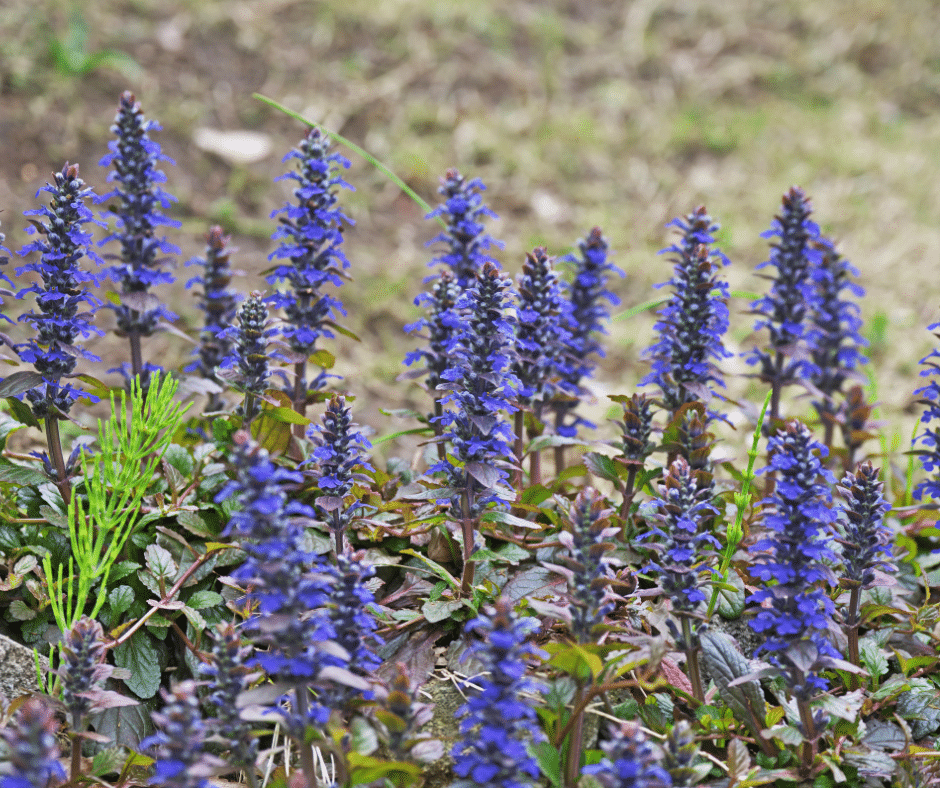
Ajuga, also known as bugleweed, offers eye-catching foliage in shades of green, bronze, burgundy, and even variegated forms. In spring, it sends up spikes of intense blue flowers that attract pollinators.
Best Uses:
- Ideal for shaded areas under trees or shrubs.
- Provides attractive ground cover between paving stones.
- Adds textural contrast to perennial borders.
Benefits:
- Grows in tough, shady conditions where grass fails.
- Forms dense mats that crowd out weeds.
- Attractive foliage color adds visual interest throughout the year.
- Loved by bees and butterflies.
Growing Tips:
- Prefers partial to full shade but tolerates morning sun.
- Thrives in moist, well-drained soils rich in organic matter.
- Keep soil consistently moist during hot weather.
- Spreads via runners, so divide every few years to manage growth.
6. Sweet Woodruff (Galium odoratum)
Why It’s Great
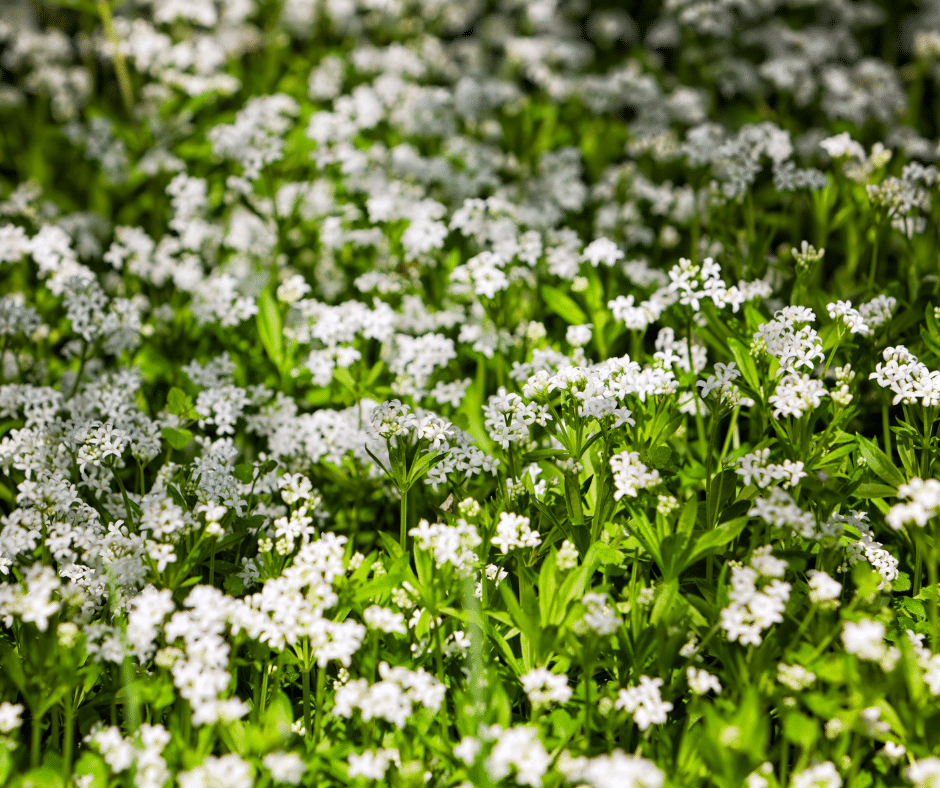
Sweet woodruff is a charming woodland ground cover prized for its delicate star-shaped leaves and clusters of tiny white flowers. When dried, its foliage exudes a sweet, hay-like fragrance.
Best Uses:
- Excellent under trees and shrubs in woodland gardens.
- Beautiful as a fragrant ground cover near pathways.
- Used historically to scent linens and potpourris.
Benefits:
- Emits a pleasant scent, especially when dried or crushed.
- Thrives in deep shade and helps control weeds.
- Generally avoided by deer and rabbits.
- Forms dense carpets that prevent soil erosion.
Growing Tips:
- Prefers partial to full shade.
- Enjoys moist, humus-rich soil.
- Water regularly, especially during dry spells.
- Can spread aggressively under ideal conditions; manage with edging.
7. Liriope (Liriope muscari)
Why It’s Great
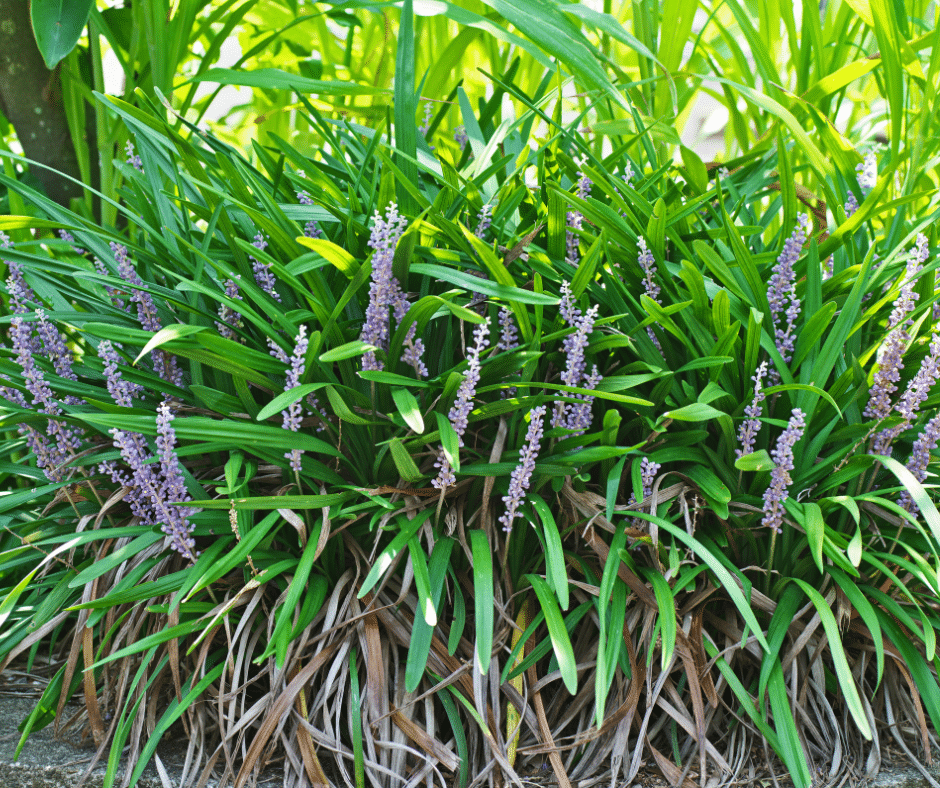
Liriope, commonly called lilyturf, offers arching, grass-like foliage and produces lavender or purple flower spikes followed by black berries.
It’s a robust ground cover tolerant of a wide range of conditions.
Best Uses:
- Effective edging plant along walkways and borders.
- Useful for mass plantings to suppress weeds.
- Handles erosion well on slopes and banks.
Benefits:
- Versatile for sun or shade.
- Stays attractive year-round in many climates.
- Withstands drought and heavy foot traffic once established.
- Requires little maintenance.
Growing Tips:
- Adapts to sun or partial shade, though flowering is best with some sun.
- Tolerates a wide range of soil types, preferring well-drained soil.
- Water regularly until established.
- Divide clumps every few years to maintain vigor.
8. Japanese Spurge (Pachysandra terminalis)
Why It’s Great
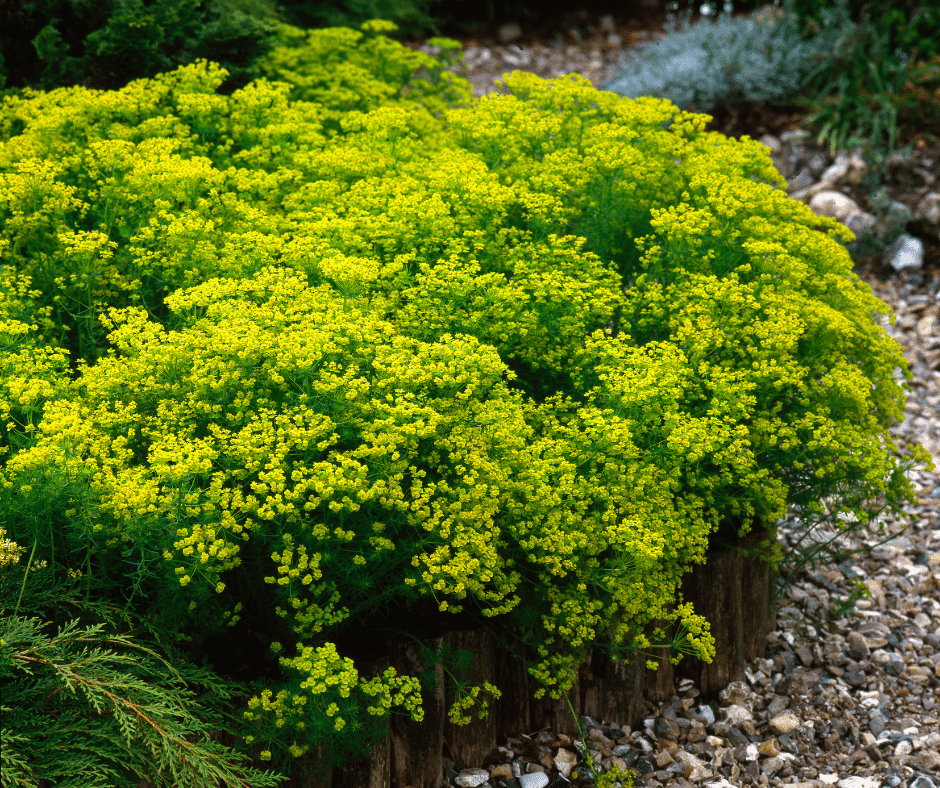
Japanese spurge is a dense evergreen ground cover with glossy green leaves and small, subtly fragrant white flower spikes in spring.
It’s excellent for creating a uniform, green carpet in shaded areas.
Best Uses:
- Perfect under mature trees where other plants struggle.
- Effective for covering large shady areas with uniform foliage.
- Ideal as a living mulch to retain soil moisture.
Benefits:
- Provides evergreen cover even through winter.
- Thrives in deep shade, outperforming many other ground covers.
- Forms a thick mat that prevents weed growth.
- Low maintenance once established.
Growing Tips:
- Prefers partial to full shade.
- Grows best in rich, well-drained, slightly acidic soil.
- Keep soil evenly moist, especially during establishment.
- Avoid planting in high-sun areas, which can cause leaf burn.
9. Irish Moss (Sagina subulata)
Why It’s Great
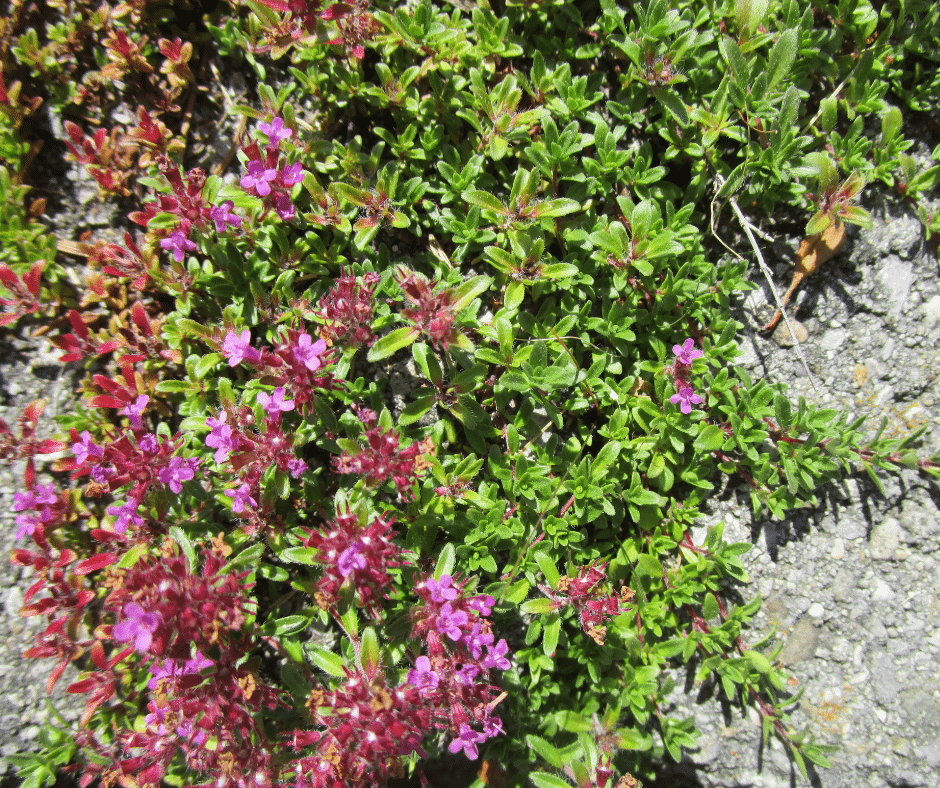
Irish moss forms an incredibly lush, soft, emerald-green carpet, adorned with tiny white flowers in spring and summer.
Despite its name, it’s not a true moss but shares the same low, cushiony growth.
Best Uses:
- Beautiful between stepping stones, as it tolerates light foot traffic.
- Excellent as a lawn alternative for small areas.
- Adds a lush, velvety texture to rock gardens.
Benefits:
- Soft underfoot, creating a luxurious green carpet.
- Very low growing, eliminating the need for mowing.
- Stays attractive year-round in cool climates.
- Provides delicate flowering interest.
Growing Tips:
- Prefers cool climates and partial shade.
- Thrives in moist, well-drained soils rich in organic matter.
- Keep soil consistently moist, especially during dry periods.
- Dislikes extreme heat and drought.
10. Hens and Chicks (Sempervivum spp.)
Why It’s Great
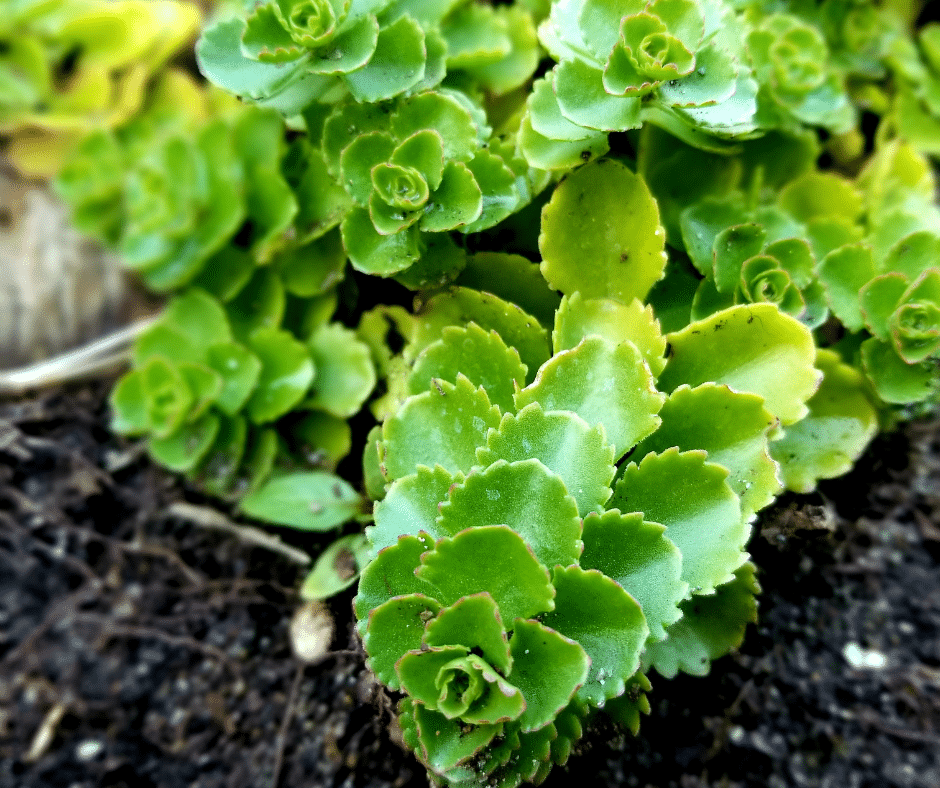
Hens and chicks are hardy succulents that grow as tight rosettes of fleshy leaves, producing smaller offsets (“chicks”) that cluster around the mother plant (“hen”).
Their architectural beauty makes them popular in rock gardens and containers.
Best Uses:
- Rock gardens or alpine gardens where soil is shallow and dry.
- Filling gaps in stone walls or between stepping stones.
- Thriving in containers on sunny patios.
Benefits:
- Extremely drought-tolerant and resilient.
- Thrives in poor, rocky soils where few other plants grow.
- Produces dramatic flower stalks, though flowering signals the end of life for that rosette.
- Almost entirely pest- and disease-free.
Growing Tips:
- Needs full sun for best color and compact growth.
- Requires sharply drained, sandy or gravelly soil.
- Water sparingly; overwatering leads to rot.
- Remove spent rosettes to allow space for new chicks to grow.
Ground cover plants serve both practical and aesthetic purposes, transforming gardens with rich color, texture, and ecological benefits.
Whether you’re looking to stabilize slopes, replace lawn grass, fill in shaded areas, or simply add visual interest, the right ground cover can simplify your gardening while enhancing the landscape.