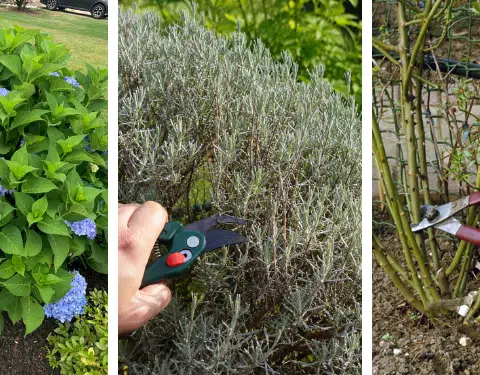
Container gardening is an excellent way to grow fresh produce, herbs, and flowers, even if you have limited space.
One of the biggest advantages of growing plants in pots is that they are portable, allowing you to move them indoors during extreme weather, place them in ideal sunlight, and even take them with you if you relocate.
For urban dwellers, container gardening is a game-changer, making it possible to cultivate a thriving garden on a balcony, rooftop, or even a small patio.
Whether you’re just getting started with container gardening or looking to refine your skills, these 12 essential tips will set you up for success. Let’s dive in!
1. Choose the Right Pot Size
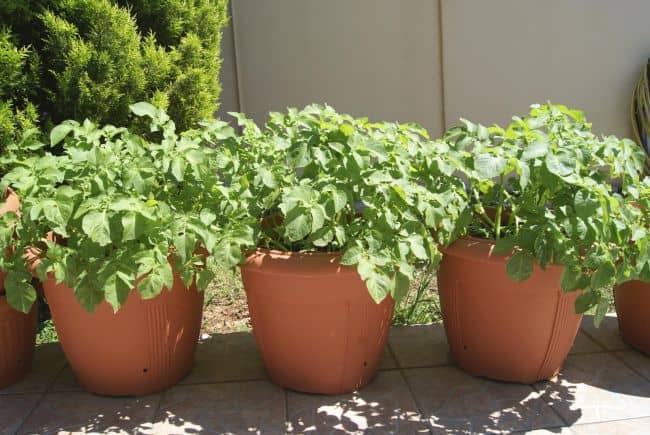
The size of your container directly impacts plant growth, water retention, and root expansion. Larger pots hold more soil, which helps with moisture regulation and nutrient availability.
Why It’s Important:
- Bigger pots prevent frequent watering since they retain moisture longer.
- Small pots dry out quickly, causing plants to struggle.
- Deep-rooted plants like tomatoes and peppers thrive in deeper containers.
Tip: When in doubt, always choose a larger container to give your plants more room to grow.
2. Ensure Proper Drainage to Prevent Root Rot
Without proper drainage, excess water can accumulate at the bottom of the pot, leading to root rot, fungal diseases, and plant suffocation.
How to Ensure Good Drainage:
- Choose pots with multiple drainage holes.
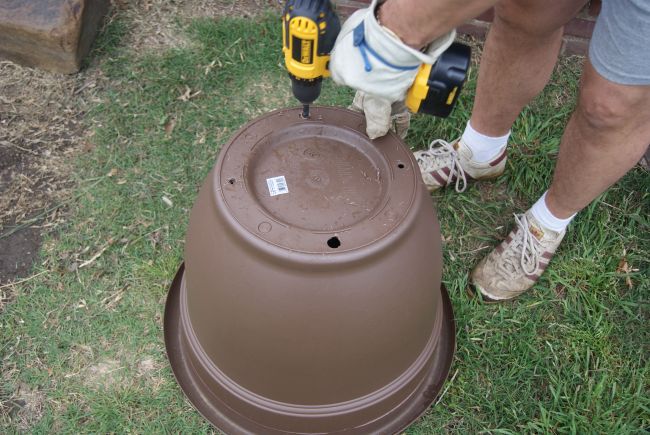
- If a pot lacks holes, drill some at the bottom before planting.
- Use a layer of gravel, pebbles, or broken pottery to improve drainage and prevent clogging.
Tip: Avoid placing saucers under pots where water can pool, as this encourages root rot.
3. Grow Dwarf & Compact Plant Varieties
Not all plants are suitable for container gardening. Dwarf or compact varieties are ideal because they thrive in confined spaces and require less maintenance.
Best Dwarf Plants for Containers:
- Vegetables: Cherry tomatoes, bush beans, baby carrots, and mini bell peppers.
- Fruits: Strawberries, dwarf lemon trees, and blueberries.
- Herbs: Basil, thyme, rosemary, and parsley.
Tip: Look for plant varieties labeled as “patio,” “bush,” or “compact” when purchasing seeds or seedlings.
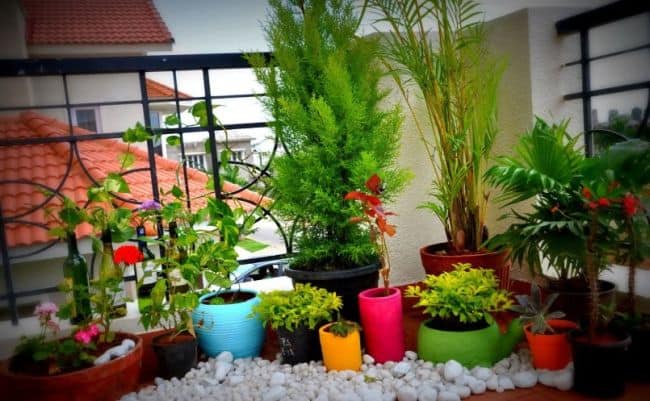
4. Use Light-Colored Containers to Reduce Heat Absorption
Dark-colored containers absorb more heat, which can overheat plant roots and dry out the soil quickly, especially in direct sunlight.
Why Light-Colored Pots Work Best:
- They reflect sunlight, keeping roots cooler.
- They reduce soil moisture evaporation, requiring less frequent watering.
Tip: If you already have dark-colored pots, wrap them with reflective materials or place them in shaded areas to minimize heat stress.
5. Invest in the Right Gardening Equipment
Having the right tools makes container gardening easier and more efficient.
Essential Equipment for Potted Plants:
- Well-draining potting mix (avoid using regular garden soil).
- A watering can with a fine spout for controlled watering.
- Fertilizers suitable for container plants.
- Organic pest solutions to protect your plants naturally.
Tip: Keep all your tools in a designated spot to make gardening easier and more enjoyable.
6. Save & Store Seeds for Future Planting
Saving seeds from your current harvest can reduce gardening costs and give you a continuous supply of plants.
How to Store Seeds Properly:
- Dry the seeds completely before storing them.
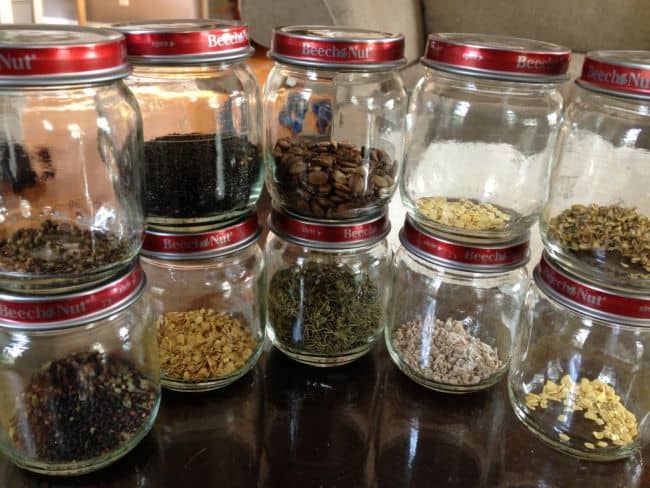
- Keep them in paper envelopes or airtight glass jars.
- Label them with the plant name and date to track viability.
Tip: Store seeds in a cool, dark place to extend their lifespan.
7. Use Mulch to Prevent Moisture Loss
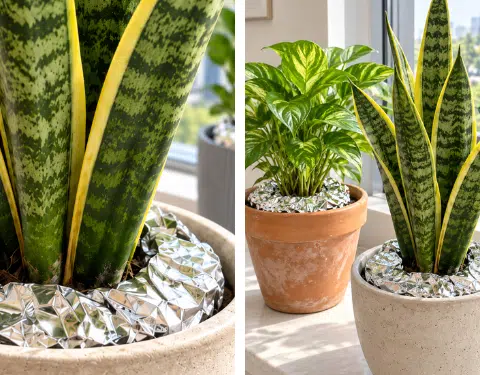
Container plants dry out faster than in-ground plants, especially in hot weather. Mulching helps retain moisture, regulate soil temperature, and suppress weeds.
Best Mulching Materials for Potted Plants:
- Coconut coir – Absorbs and retains moisture well.
- Shredded leaves or bark – Keeps soil cool and prevents evaporation.
- Pea gravel or straw – Protects roots and enhances moisture retention.
Tip: Keep mulch 1-2 inches deep and away from the plant stems to avoid rot.
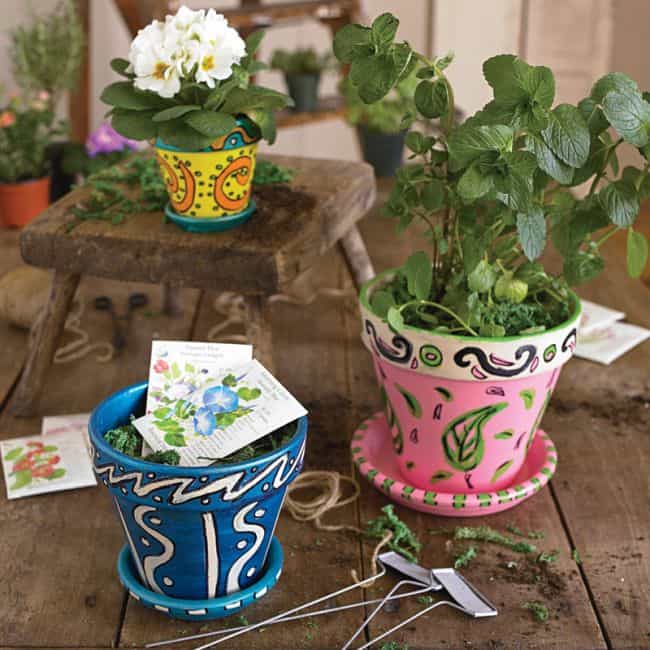
8. Get Creative – Paint & Decorate Your Pots
Gardening is not just about growing plants—it’s also about creating a beautiful space. Customize your pots with colors and patterns to add personality to your garden.
How to Paint Your Pots:
- Use non-toxic, waterproof paint that can withstand the sun.
- Get creative with stencils, designs, or personalized touches.
- Apply a sealer coat to protect your design from weather damage.
Tip: Painted pots not only look aesthetic but also help reflect excess heat if you use light colors.
9. Water Plants at the Right Time
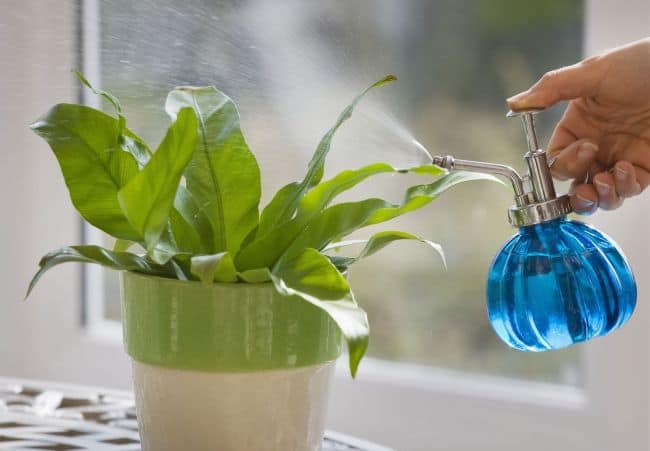
Watering at the wrong time can lead to rapid evaporation or fungal diseases.
Best Time to Water Plants:
- Early morning (before 9 AM) – Gives plants time to absorb moisture.
- Late afternoon or sunset – Reduces water loss through evaporation.
Tip: Avoid watering in direct sunlight, as it can cause leaf scorch and waste water.
10. Grow Low-Maintenance Plants for Beginners
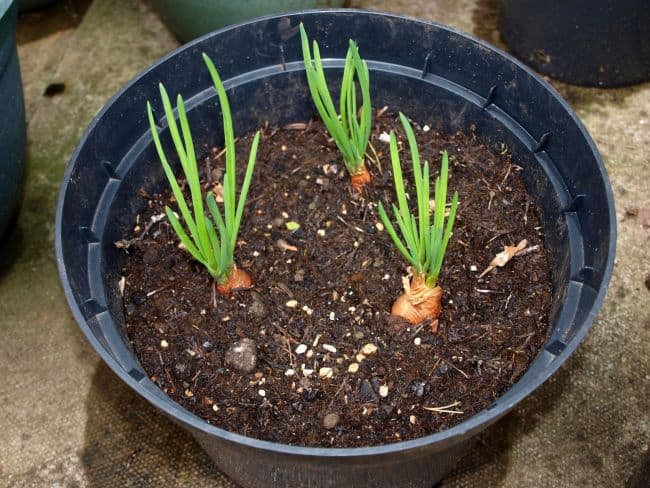
If you’re new to container gardening, start with easy-to-grow plants that require minimal care.
Best Low-Maintenance Container Plants:
- Vegetables: Leeks, shallots, and garlic (resistant to pests).
- Herbs: Mint, basil, oregano, and chives.
- Flowers: Marigolds, petunias, and pansies.
Tip: Choose disease-resistant varieties to minimize plant maintenance.
11. Make Heavy Pots Easier to Move
Large plant pots can be difficult to transport, especially if you need to move them indoors or reposition them.
How to Make Heavy Pots Portable:
- Place them on rolling plant stands or dolly carts.
- Use lightweight pot fillers like Styrofoam peanuts or plastic bottles at the bottom to reduce weight.
Tip: Elevating pots on a wheeled base makes it easier to adjust their position throughout the growing season.
12. DIY Container Gardening – Get Creative!
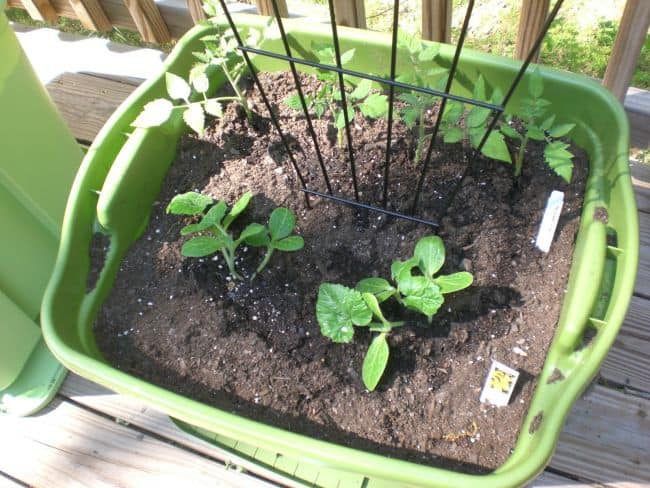
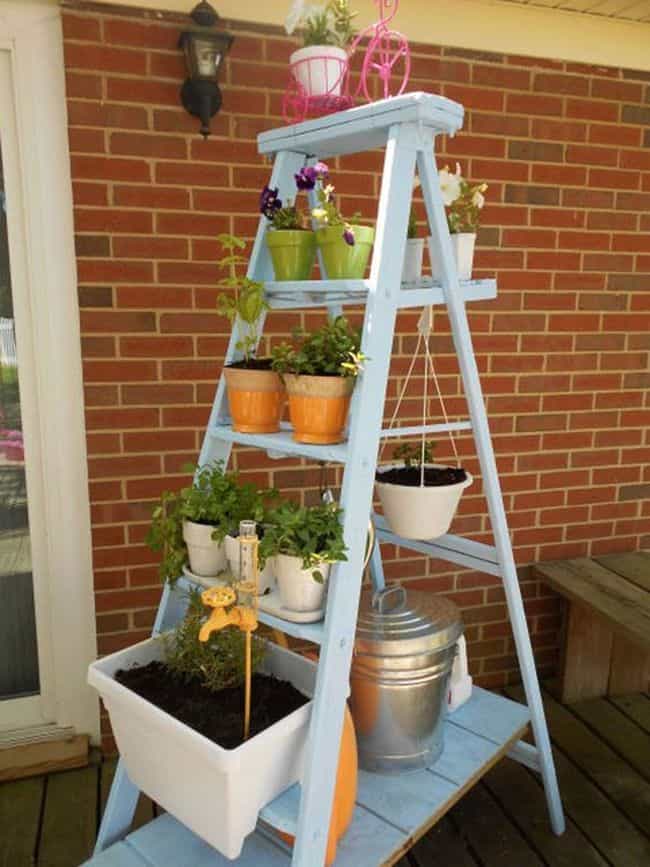
Don’t want to spend money on expensive pots? Repurpose household items into unique, functional planters.
DIY Container Ideas:
- Use old buckets, milk jugs, tin cans, or wooden crates.
- Convert broken mugs or teapots into succulent planters.
- Drill drainage holes in recycled plastic bottles for growing herbs.
Tip: As long as it holds soil and drains water, it can be a planter!
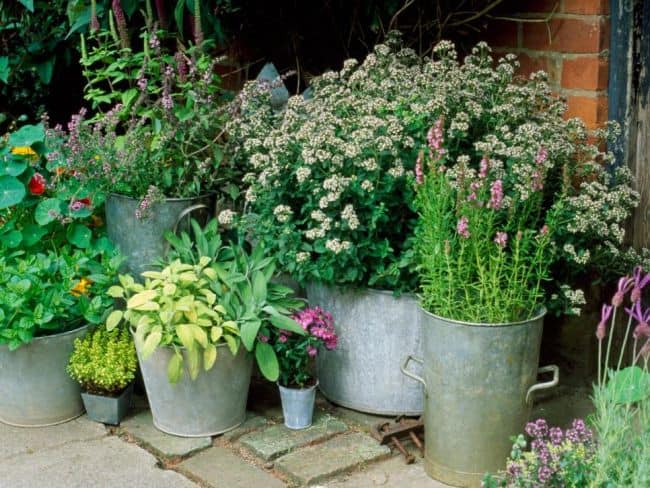
Container gardening is an efficient, space-saving, and budget-friendly way to grow plants, whether you live in an apartment or have a full backyard.
By following these 12 expert tips, you can create a thriving potted garden full of fresh vegetables, herbs, and flowers.