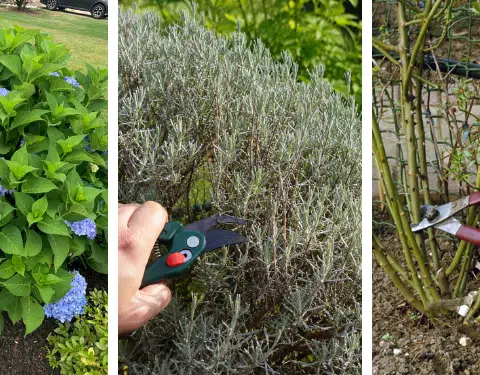
Every gardener knows the frustration of dealing with unwanted pests like aphids, ants, rats, cockroaches, and flies.
These pesky invaders can cause serious damage to your beloved flowers and vegetables. While chemical pesticides may offer a temporary solution, they often come with harmful side effects for your plants, soil, and environment.
A more natural, eco-friendly approach to pest control is to plant pest-repelling plants that deter insects and rodents naturally. These plants release strong scents, contain natural chemical compounds, and attract beneficial insects that keep harmful pests at bay.
Here’s a list of 15 powerful plants that will help protect your garden and create a pest-free paradise.
1. Lavender – A Fragrant Pest Fighter
Lavender is one of the most effective plants for repelling pests like flies, mosquitoes, fleas, and moths. While humans love its delightful aroma, most insects can’t tolerate it.
How to Use Lavender for Pest Control:
- Plant lavender in full sunlight in garden beds, along walkways, or near patios.
- Grow lavender in pots or containers for balconies and terrace gardens.
- Dry lavender flowers and hang them indoors to keep pests out of your home.
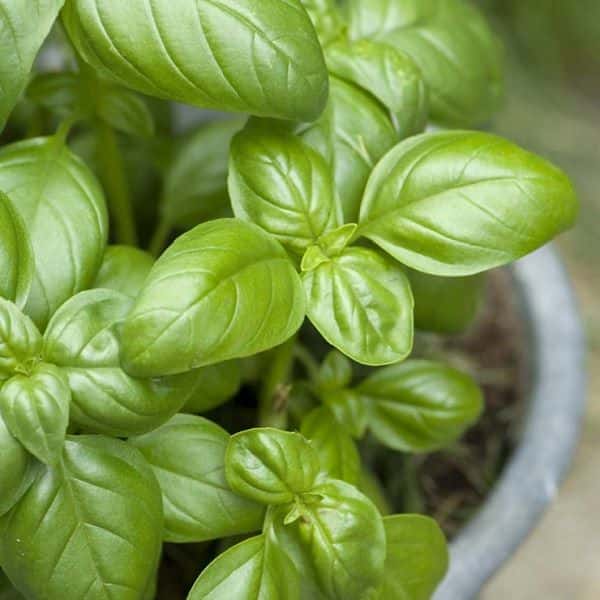
2. Basil – A Multi-Purpose Mosquito and Fly Repellent
Basil is not only a flavorful addition to your kitchen but also an excellent pest deterrent. The strong scent of basil repels flies and mosquitoes.
How to Use Basil for Pest Control:
- Plant basil near doorways and windows to keep flying insects out.
- Grow basil alongside tomato plants to improve their flavor and ward off pests.
- Cinnamon and lemon basil varieties are especially effective against mosquitoes.
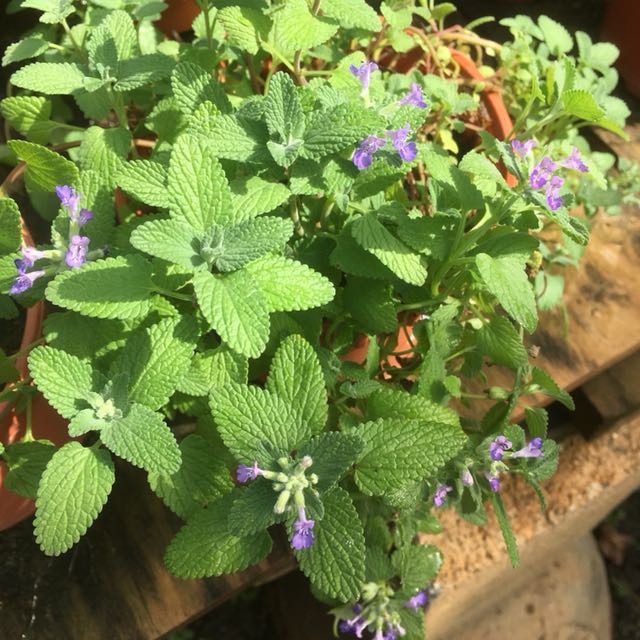
3. Catnip – A Cockroach’s Worst Enemy
Catnip is a powerful natural roach repellent. It also repels aphids, beetles, mosquitoes, and ants.
How to Use Catnip for Pest Control:
- Plant catnip near vegetable gardens to keep harmful insects away.
- Crush and sprinkle dried catnip around your garden beds.
- Place fresh catnip leaves in corners of your home to repel roaches indoors.
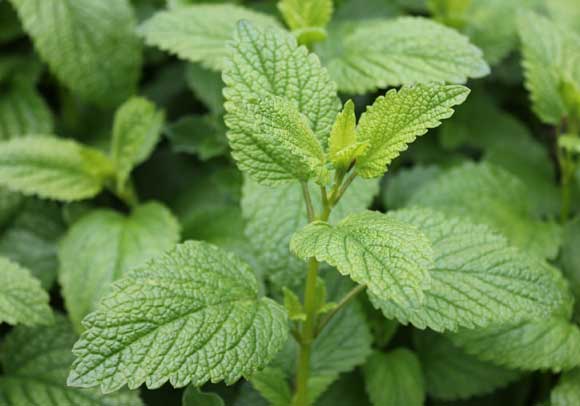
4. Lemon Balm – The Mosquito-Repelling Herb
Lemon Balm contains citronellal, a natural compound that repels mosquitoes and other pests.
How to Use Lemon Balm for Pest Control:
- Grow near patios, decks, and seating areas to keep mosquitoes at bay.
- Crush fresh leaves and rub them on exposed skin as a natural mosquito repellent.
- Plant in pots to control its fast-growing nature.
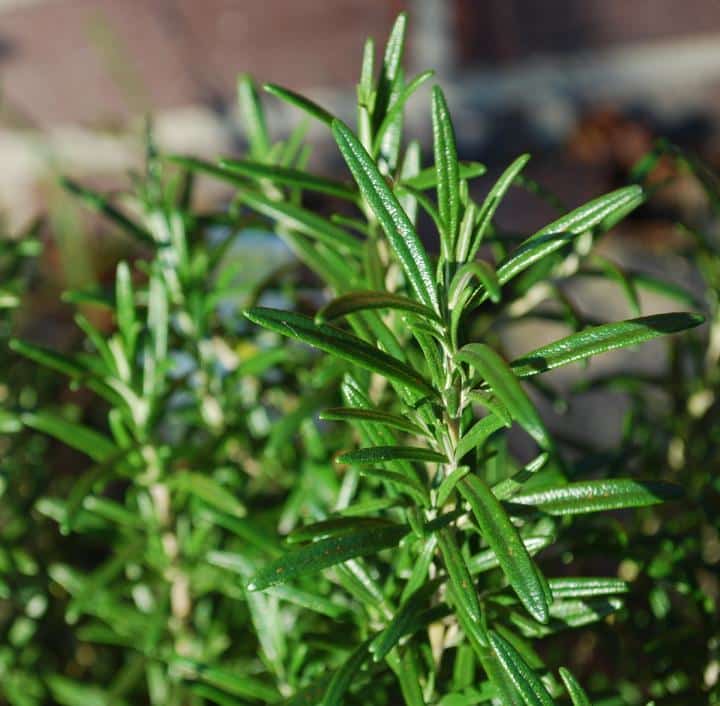
5. Rosemary – A Strong Defense Against Mosquitoes and Bugs
Rosemary’s woody scent repels mosquitoes, flies, and other insects.
How to Use Rosemary for Pest Control:
- Grow in herb gardens, raised beds, or containers.
- Burn dried rosemary sprigs to repel mosquitoes at outdoor gatherings.
- Use rosemary cuttings to deter insects in kitchen cupboards.
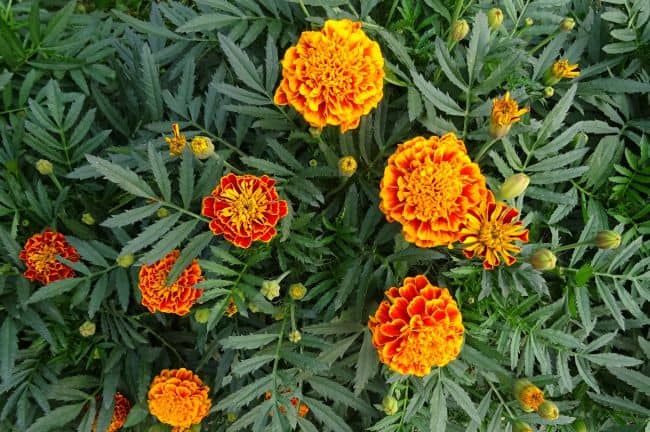
6. Marigold – The Ultimate Bug Barrier
Marigolds are well-known for repelling mosquitoes, slugs, and aphids. Their bright orange and yellow flowers contain pyrethrum, a natural insecticide.
How to Use Marigold for Pest Control:
- Plant in vegetable gardens to protect tomatoes and other crops.
- Use as a border plant to deter bugs from entering your garden.
- Grow in pots near windows and entryways to keep pests outside.
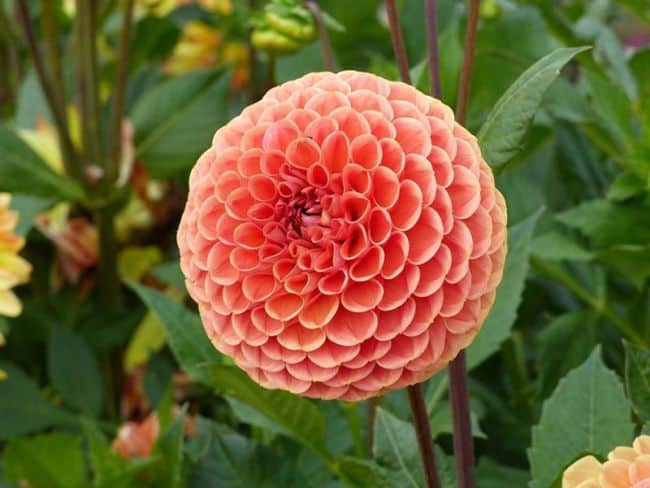
7. Chrysanthemums – A Natural Insecticide
Chrysanthemums contain pyrethrum, a compound used in many commercial insect repellents.
How to Use Chrysanthemums for Pest Control:
- Repels roaches, lice, mites, fleas, ticks, and Japanese beetles.
- Plant near entry points to keep insects from invading your home.
- Dry the flowers and use them in homemade insecticide sprays.
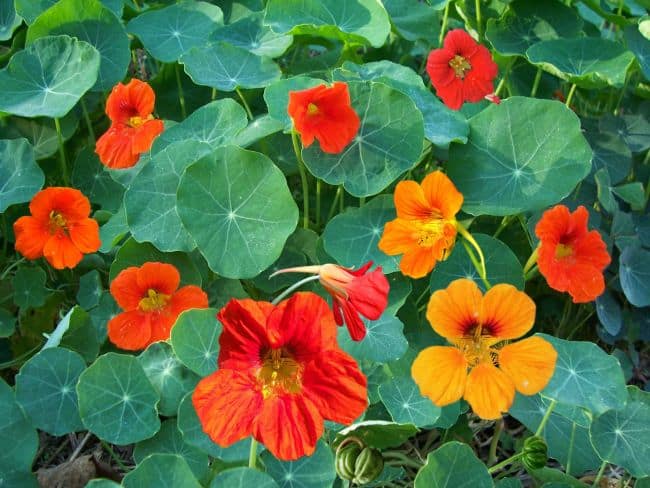
8. Nasturtiums – The Ultimate Companion Plant
Nasturtiums act as a trap crop, luring pests away from your valuable vegetables.
How to Use Nasturtiums for Pest Control:
- Plant near cabbage, tomatoes, cucumbers, and kale to protect them.
- Repels cabbage loopers, aphids, squash bugs, and whiteflies.
- Works as a natural barrier against harmful insects.
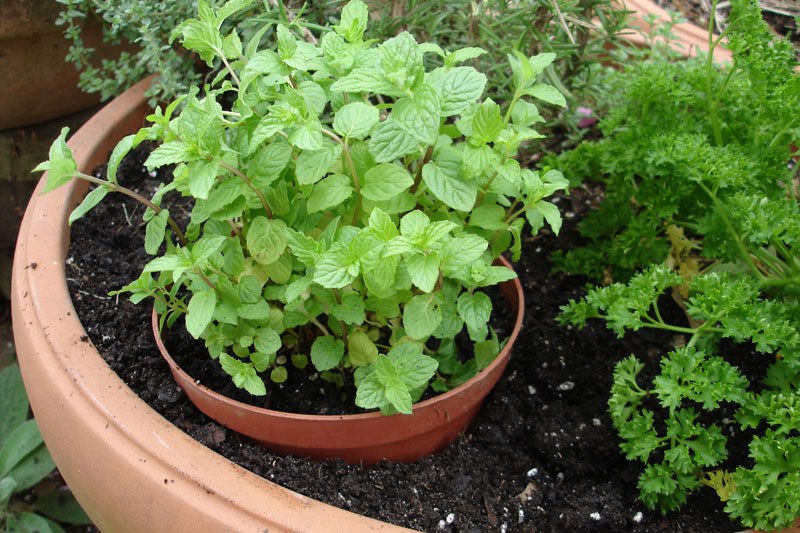
9. Mint – A Powerful Ant and Mosquito Repellent
Mint’s strong scent deters mosquitoes, ants, and rodents.
How to Use Mint for Pest Control:
- Plant in containers to prevent it from spreading uncontrollably.
- Scatter crushed leaves around the garden to deter ants.
- Grow near windows and doors to keep insects outside.
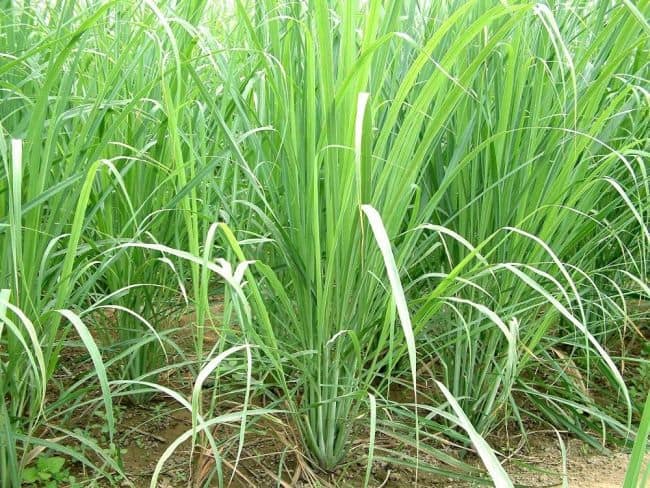
10. Lemongrass – Citronella’s Natural Source
Lemongrass contains high levels of citronella oil, which repels mosquitoes and flies.
How to Use Lemongrass for Pest Control:
- Plant in garden beds or pots near patios and seating areas.
- Crush leaves to release natural citronella oil.
- Grows up to 4 feet tall, adding beauty to landscapes.
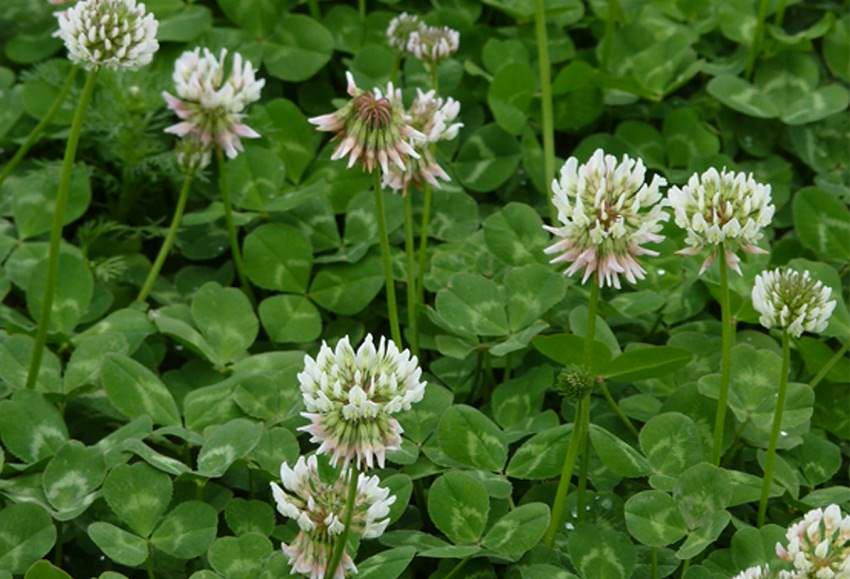
11. Clover – A Protective Ground Cover
Clover acts as a natural deterrent for wireworms and aphids.
How to Use Clover for Pest Control:
- Plant as a living mulch around vegetable gardens.
- Grows easily and prevents soil erosion.
- Works best around cabbage, carrots, and leafy greens.
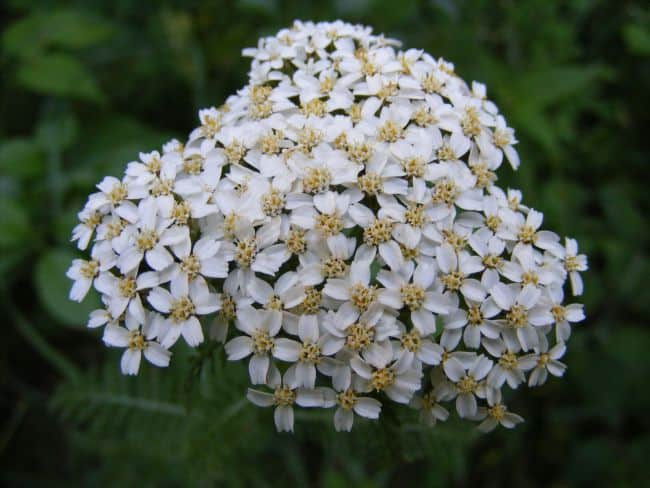
12. Common Yarrow – A Natural Ant Repellent
Yarrow’s strong aroma drives away ants and rodents while attracting beneficial insects.
How to Use Yarrow for Pest Control:
- Plant near pest-prone areas.
- Attracts ladybugs, lacewings, and hoverflies that eat garden pests.
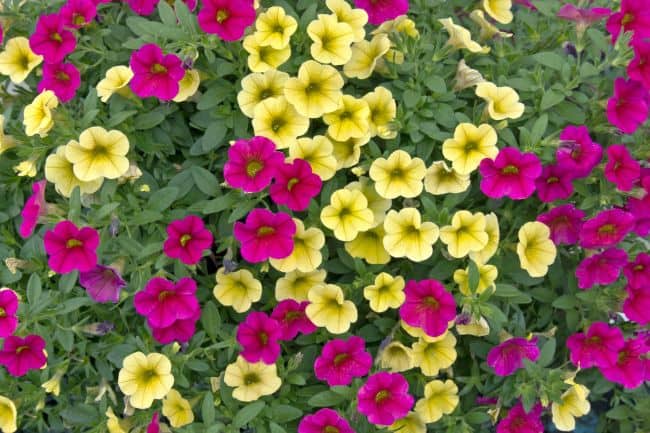
13. Petunias – A Natural Bug Shield
Petunias help deter asparagus beetles, leafhoppers, and tomato worms.
How to Use Petunias for Pest Control:
- Grow as companion plants for tomatoes, beans, and corn.
- Work as an ornamental pest barrier.
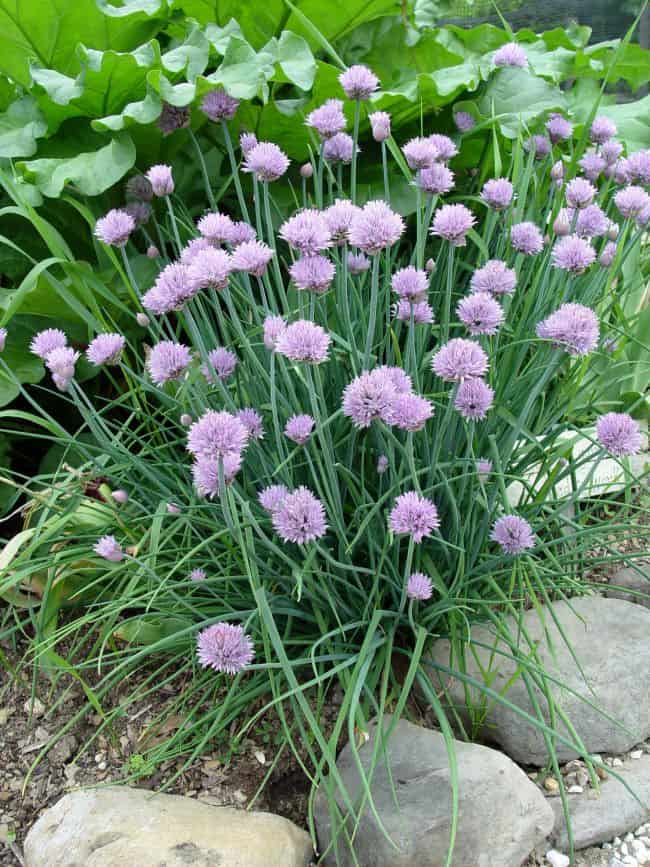
14. Chives – A Must-Have for Repelling Bugs
Chives repel aphids, Japanese beetles, and carrot flies.
How to Use Chives for Pest Control:
- Plant near roses and carrots to protect against harmful insects.
- Harvest frequently to encourage growth.
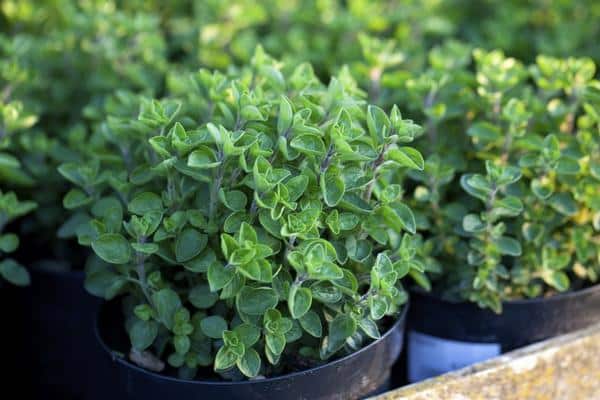
15. Oregano – The Versatile Pest Fighter
Oregano repels cabbage butterflies, mosquitoes, and beetles.
How to Use Oregano for Pest Control:
- Plant as a companion herb for onions, garlic, and peppers.
- Works best when planted in raised beds or pots.
By incorporating these pest-repelling plants, you can create a thriving, chemical-free garden that naturally keeps insects away.
Plant strategically around your garden, and enjoy a healthier, more sustainable way to keep pests at bay!