Rosemary is a versatile and aromatic herb that is widely used in cooking and has numerous health benefits.
Growing rosemary from cuttings is an efficient way to propagate this plant, ensuring a steady supply of fresh rosemary for your garden and kitchen.
Here’s a step-by-step guide on how to grow rosemary from cuttings.

1. Selecting and Preparing Cuttings
Choosing Healthy Cuttings
Start by selecting healthy, vigorous rosemary plants from which to take your cuttings.
Tips:
- Best Time: The ideal time to take rosemary cuttings is during late spring or early summer when the plant is actively growing.
- Cutting Length: Cuttings should be 4-6 inches long, taken from the soft, new growth rather than the woody stems.
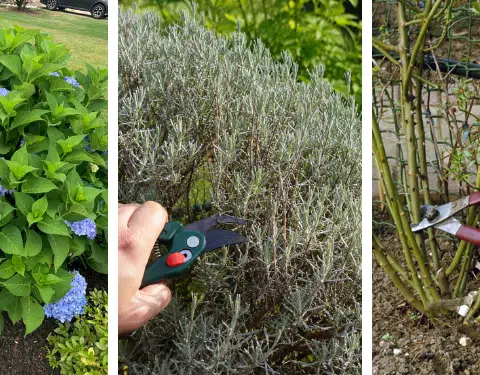
- Tools: Use clean, sharp scissors or pruning shears to make precise cuts and prevent damage to the plant.
Preparing the Cuttings
Proper preparation of the cuttings is crucial for successful rooting.
Steps:
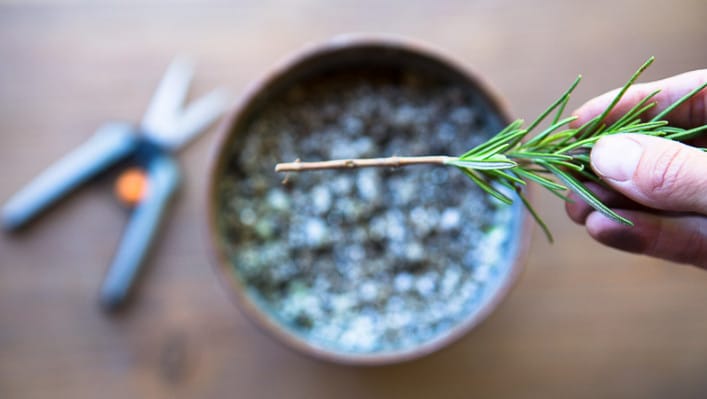
- Remove Lower Leaves: Strip the leaves from the lower half of the cutting, leaving a few at the top.
- Trim the Stem: Make a clean cut just below a node (the point where leaves attach to the stem).
- Optional: Dip the cut end in rooting hormone to encourage faster root development and increase the chances of successful rooting.
2. Rooting in Water
Water Propagation
Rooting rosemary cuttings in water is a simple and effective method.
Steps:
- Place in Water: Submerge the cut end of the cutting in a glass or jar of water, ensuring that the leaves are above the waterline to prevent rotting.
- Change Water Regularly: Replace the water every few days to keep it fresh and oxygenated, which promotes healthy root growth.
- Monitor Growth: Place the glass in a bright, indirect light location and wait for roots to develop. This usually takes 2-4 weeks.
3. Rooting in Soil
Soil Propagation
Some gardeners prefer to root rosemary cuttings directly in soil, which can be a more natural transition for the plant once roots develop.
Steps:
- Prepare Soil: Use a well-draining potting mix or a mixture of sand and peat moss.
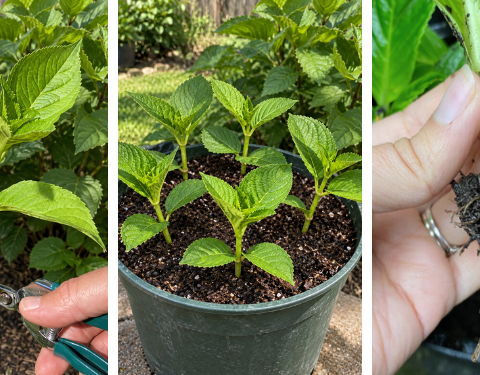
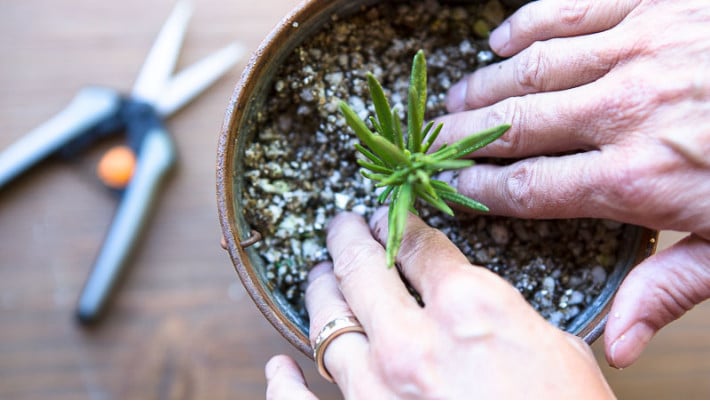
- Plant Cuttings: Insert the cuttings into the soil, burying the lower nodes. Firm the soil around the cuttings to hold them in place.
- Water: Water the cuttings thoroughly and place the pot in a warm, bright area with indirect sunlight.
- Cover: Optionally, cover the pot with a plastic bag to create a humid environment, which can help speed up rooting.
4. Transplanting the Rooted Cuttings
Transplanting to Pots
Once the cuttings have developed strong roots, they can be transplanted to individual pots.
Steps:
- Prepare Pots: Fill pots with high-quality potting mix.
- Transplant Cuttings: Gently remove the cuttings from the water or propagation tray, being careful not to damage the new roots.
- Plant: Plant the cuttings in the prepared pots, making sure the roots are well-covered with soil.
- Water: Water the newly transplanted rosemary thoroughly.
Transplanting to the Garden
If you prefer, you can transplant the rooted cuttings directly into your garden.
Steps:
- Choose a Location: Select a spot that meets the sunlight and soil requirements of rosemary.
- Prepare the Soil: Ensure the soil is well-drained and enriched with compost if necessary.
- Plant: Dig holes large enough to accommodate the roots and plant the cuttings at the same depth they were in the pots.
- Water: Water the plants thoroughly after planting.
5. Caring for Your New Rosemary Plants
Watering
Proper watering is crucial for the health of your new rosemary plants.
Tips:
- Consistent Moisture: Keep the soil consistently moist but not waterlogged.
- Deep Watering: Water deeply to encourage deep root growth.
Fertilizing
Fertilize your rosemary to promote healthy growth.
Tips:
- Balanced Fertilizer: Use a balanced, water-soluble fertilizer every 4-6 weeks during the growing season.
- Organic Options: Compost or fish emulsion can also be used for a natural fertilizer option.
Pruning and Harvesting
Regular pruning encourages bushy growth and prevents the plants from becoming leggy.
Tips:
- Pruning: Trim the plants regularly to encourage new growth and maintain shape.
- Harvesting: Harvest the rosemary as needed, taking care not to remove more than one-third of the plant at a time to avoid stressing it.

Growing rosemary from cuttings is a rewarding and practical way to expand your herb garden.
By following these steps, you can successfully propagate and care for rosemary, ensuring a fresh supply for your culinary and medicinal needs.
Whether you’re a seasoned gardener or a beginner, propagating rosemary from cuttings is a valuable skill that enhances your gardening experience.