Did you know that your morning coffee leftovers can double as a natural fertilizer for your houseplants?
Coffee grounds are an organic, nutrient-rich soil amendment that can boost plant health, improve soil quality, and even repel pests.
But before you start dumping coffee grounds into every houseplant pot, it’s important to understand which plants benefit from coffee grounds and how to use them correctly.
In this guide, you’ll learn:
- Why coffee grounds are beneficial for plants
- Which houseplants love coffee grounds
- The right way to use coffee grounds in plant care
- Common mistakes to avoid
By the end, you’ll be able to safely use coffee grounds to help your houseplants thrive!
Why Coffee Grounds Are Good for Houseplants
Coffee grounds contain key nutrients that support healthy plant growth.
These include:
- Nitrogen (N): Encourages lush, green foliage and leafy growth.
- Phosphorus (P): Essential for root development and flowering.
- Potassium (K): Strengthens plants, improves drought resistance, and supports overall health.
- Magnesium & Calcium: Supports photosynthesis and cellular function.
Other Benefits of Coffee Grounds for Houseplants:
- Improves soil texture – Helps retain moisture and aerate soil.
- Encourages beneficial microbes – Feeds beneficial bacteria that improve soil health.
- Repels pests – Natural deterrent against gnats, ants, and slugs.
- Mildly acidic – Helps acid-loving plants thrive.
Important: Coffee grounds are slightly acidic (pH 6.2-6.8). They work best for plants that prefer neutral to slightly acidic soil.
Houseplants That Thrive With Coffee Grounds
Not all plants like coffee grounds! Here are the best houseplants that benefit from them:
1. African Violets (Saintpaulia)
✔ Thrive in slightly acidic soil.
✔ Love organic matter from coffee grounds.
✔ Helps them produce more vibrant flowers.
How to Use:
- Mix a small amount of dried coffee grounds into the potting soil.
- Use coffee-diluted water (1 part coffee, 3 parts water) once a month.
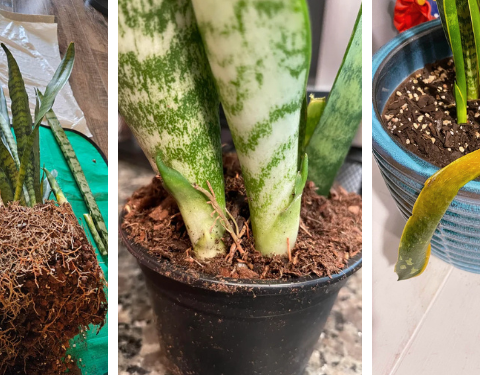
2. Snake Plant (Sansevieria)
✔ Loves the slow-release nitrogen from coffee grounds.
✔ Grows best in well-draining, organic-rich soil.
✔ Be cautious with moisture—coffee grounds hold water.
How to Use:
- Mix coffee grounds into cactus or succulent soil to improve nutrition.
- Apply a light layer of dried grounds on the soil’s surface.
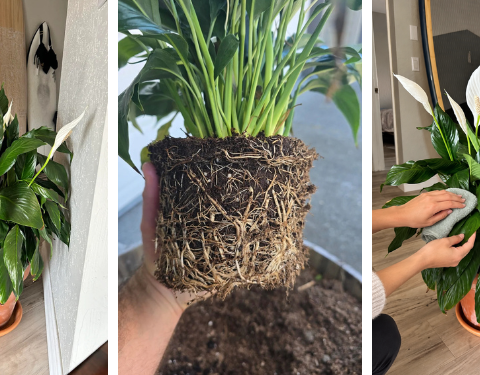
3. Peace Lily (Spathiphyllum)
✔ Prefers slightly acidic soil (pH 5.8-6.5).
✔ Coffee grounds provide nutrients for healthy blooms.
✔ Helps retain moisture in the soil.
How to Use:
- Sprinkle 1-2 tablespoons of dried coffee grounds per month.
- Mix into the top layer of soil—don’t let grounds sit on top.
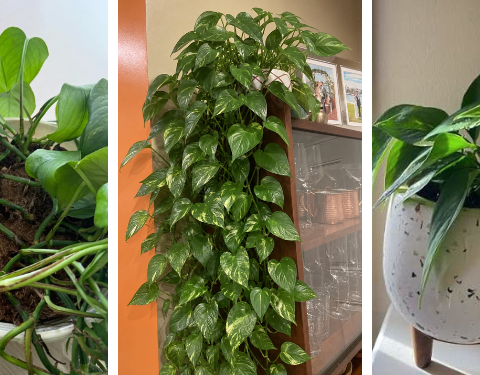
4. Pothos (Epipremnum aureum)
✔ Loves organic matter and slow-release nutrients.
✔ Nitrogen from coffee grounds boosts lush, trailing vines.
✔ Prevents soil compaction, improving root health.
How to Use:
- Add small amounts (1 tsp) of coffee grounds to potting mix.
- Use diluted coffee water once a month for extra nutrients.
5. Aloe Vera
✔ Prefers slightly acidic to neutral soil.
✔ Coffee grounds enrich the soil with slow-release nutrients.
✔ Improves soil aeration when mixed with sand/perlite.
How to Use:
- Mix dried coffee grounds into succulent potting mix.
- Apply sparingly to prevent over-retaining water.
6. Christmas Cactus (Schlumbergera)
✔ Naturally grows in slightly acidic, organic-rich soil.
✔ Coffee grounds improve flowering and plant strength.
✔ Helps the cactus absorb magnesium and potassium.
How to Use:
- Mix 1 tsp of coffee grounds into the soil monthly.
- Use coffee water instead of regular watering every 3-4 weeks.
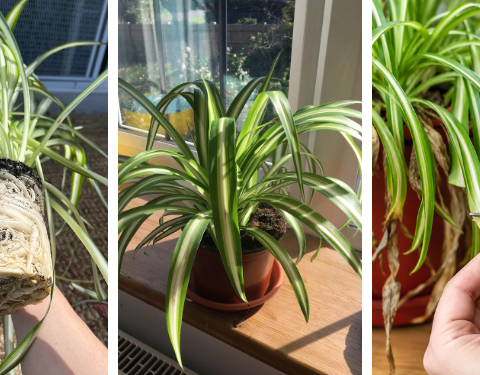
7. Spider Plant (Chlorophytum comosum)
✔ Loves nutrient-rich, well-draining soil.
✔ Coffee grounds encourage strong leaf growth.
✔ Helps prevent yellowing leaves from nitrogen deficiency.
How to Use:
- Dilute brewed coffee (1:3 ratio with water) and use once a month.
- Avoid excessive use—too much acidity can burn the plant’s roots.
8. Jade Plant (Crassula ovata)
✔ Prefers light, acidic, organic soil.
✔ Coffee grounds support root growth and leaf development.
✔ Adds slow-release nitrogen to the soil.
How to Use:
- Mix coffee grounds with sandy soil for better aeration.
- Apply once every 6-8 weeks to prevent excess moisture.
9. Orchids (Phalaenopsis, Cattleya, Dendrobium, etc.)
✔ Prefer slightly acidic, nutrient-rich soil.
✔ Coffee grounds provide phosphorus and magnesium for healthy blooms.
✔ Helps orchids retain moisture without overwatering.
How to Use:
- Mix coffee grounds with bark-based potting media.
- Use coffee water sparingly—once every 2 months.
How to Use Coffee Grounds Safely on Houseplants
Although coffee grounds are beneficial, using them incorrectly can harm your plants.
Do’s:
- Use coffee grounds in moderation—too much can make soil overly acidic.
- Always dry coffee grounds first to prevent mold and fungus.
- Mix grounds into soil rather than leaving them on the surface.
- Dilute coffee with water before using it as a liquid fertilizer.
Don’ts:
- Don’t overuse coffee grounds—too much can cause root rot and mold.
- Don’t apply wet coffee grounds directly—they compact and block air circulation.
- Avoid using coffee on alkaline-loving plants (e.g., succulents, cacti, snake plants in excess).
YES! When used correctly, coffee grounds can be an excellent organic fertilizer for certain houseplants.
They: Enrich the soil with nitrogen and essential minerals, Improve soil aeration and moisture retention, Encourage strong, healthy plant growth.
However, moderation is key—too much can cause soil compaction, acidity imbalances, and mold growth.
Which houseplant will you try coffee grounds on first? ☕