Mosquitoes can turn a beautiful summer evening outdoors into an itchy nightmare. While chemical repellents are effective, many people prefer natural solutions to keep these pesky insects at bay.
Fortunately, some plants not only add beauty and fragrance to your garden but also help repel mosquitoes.
These plants contain essential oils and compounds that mosquitoes find unpleasant, making them a great addition to your outdoor space.
Here’s a detailed guide to nine fragrant plants that can help keep mosquitoes away while enhancing your garden’s ambiance.
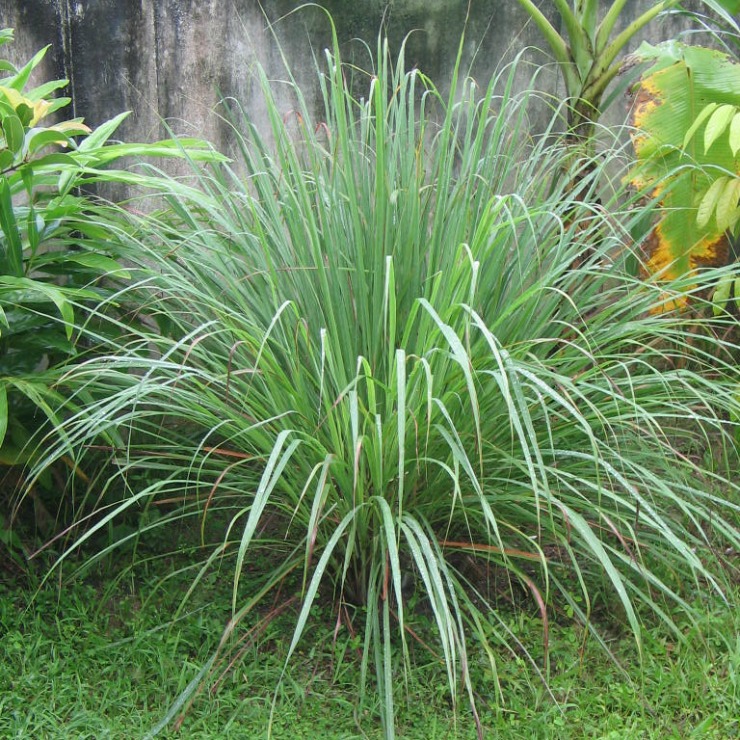
Citronella
Why It Works
Citronella grass is famous for its mosquito-repellent properties. The oil extracted from the leaves is a common ingredient in insect repellents.
Benefits:
- Effective Repellent: One of the most effective natural mosquito repellents.
- Pleasant Scent: Has a fresh, lemony fragrance.
Tips for Growing:
- Light: Needs full sun.
- Soil: Prefers well-drained soil.
- Water: Water regularly but do not overwater.
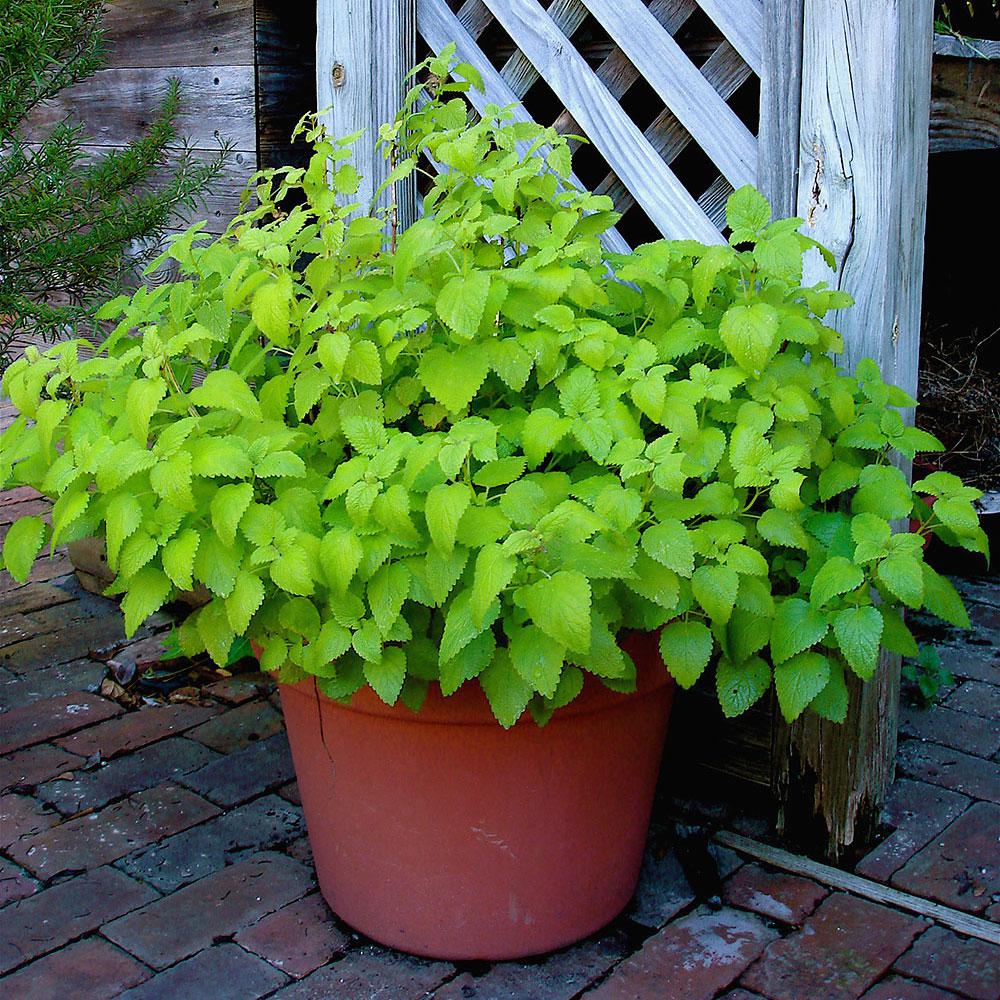
Lemon Balm
Why It Works
Lemon balm has a citrusy scent that mosquitoes dislike. Crushing the leaves releases more of its potent fragrance.
Benefits:
- Easy to Grow: Thrives in most gardens and can also be grown in pots.
- Culinary Uses: Leaves can be used in teas and salads.
Tips for Growing:
- Light: Prefers partial shade to full sun.
- Soil: Tolerates a range of soil types but prefers well-drained soil.
- Water: Keep the soil moist but not waterlogged.
Catnip

Why It Works
Catnip contains nepetalactone, which is highly effective at repelling mosquitoes. It’s even more effective than some chemical repellents.
Benefits:
- Attracts Cats: Cats love catnip, providing them with a natural treat.
- Easy to Grow: Hardy and can thrive in various conditions.
Tips for Growing:
- Light: Prefers full sun but can tolerate partial shade.
- Soil: Tolerates most soil types, including poor soil.
- Water: Water moderately, allowing the soil to dry out between waterings.
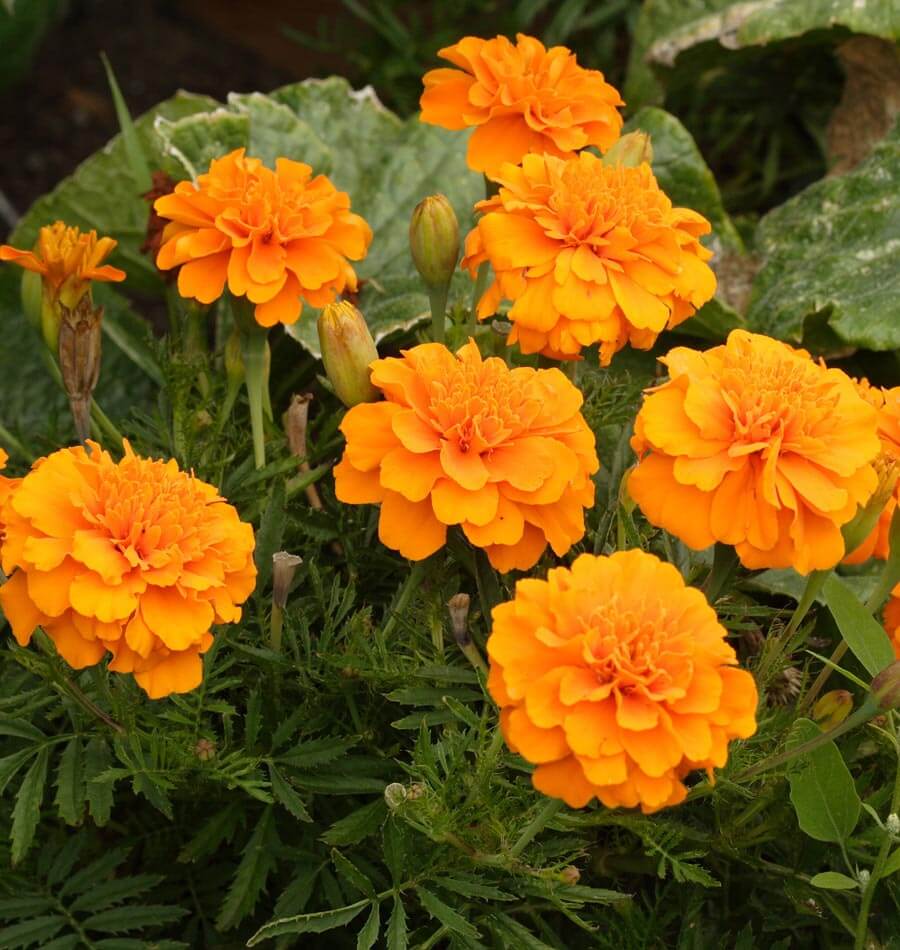
Marigolds
Why It Works
Marigolds contain pyrethrum, a compound used in many insect repellents. Their strong scent keeps mosquitoes at bay.
Benefits:
- Bright Flowers: Adds vibrant color to your garden.
- Companion Plant: Helps protect other plants from pests.
Tips for Growing:
- Light: Needs full sun.
- Soil: Tolerates most soil types but prefers well-drained soil.
- Water: Water regularly but allow the soil to dry out between waterings.
Basil
Why It Works
Basil is not just for cooking; its strong aroma deters mosquitoes. There are many varieties of basil, all of which are effective.
Benefits:
- Culinary Herb: Great for adding flavor to dishes.
- Easy to Grow: Suitable for gardens, pots, and window boxes.
Tips for Growing:
- Light: Needs full sun.
- Soil: Prefers well-drained, fertile soil.
- Water: Water regularly to keep the soil moist.
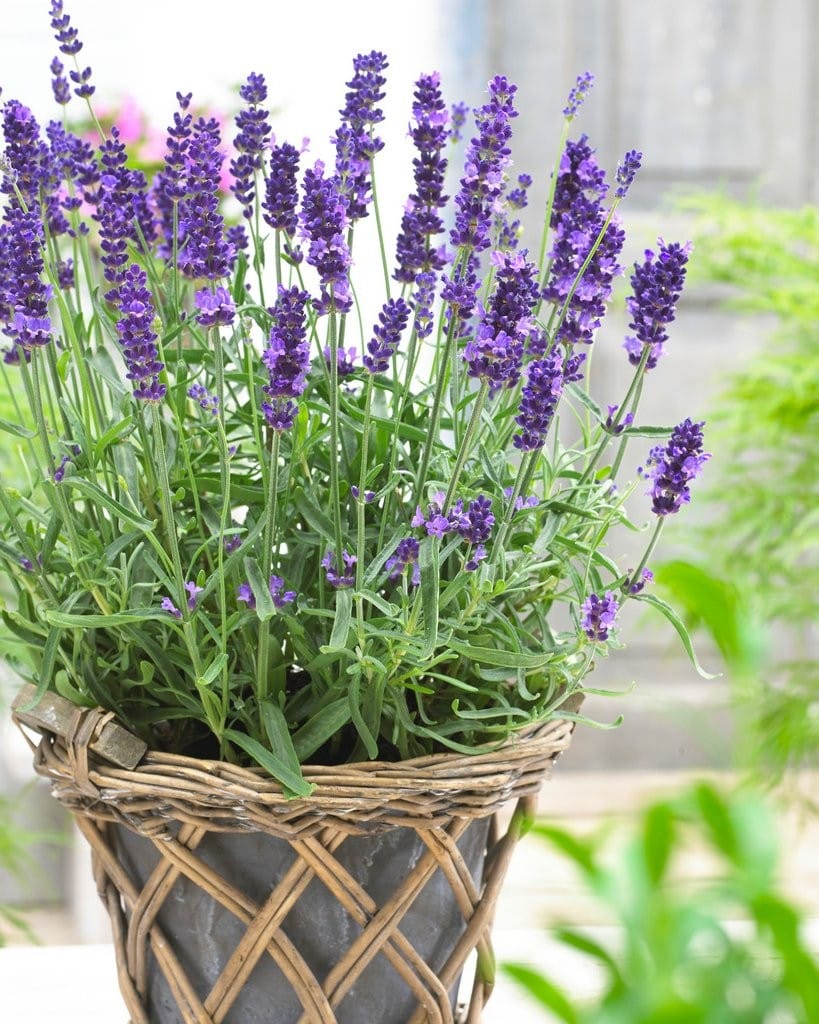
Lavender
Why It Works
Lavender is well-known for its soothing aroma and beautiful purple flowers. The strong scent of its essential oils repels mosquitoes and other insects.
Benefits:
- Fragrance: Adds a pleasant scent to your garden and home.
- Versatility: Can be grown in garden beds, pots, or as a border plant.
Tips for Growing:
- Light: Prefers full sun.
- Soil: Needs well-drained soil.
- Water: Water sparingly; lavender is drought-tolerant once established.
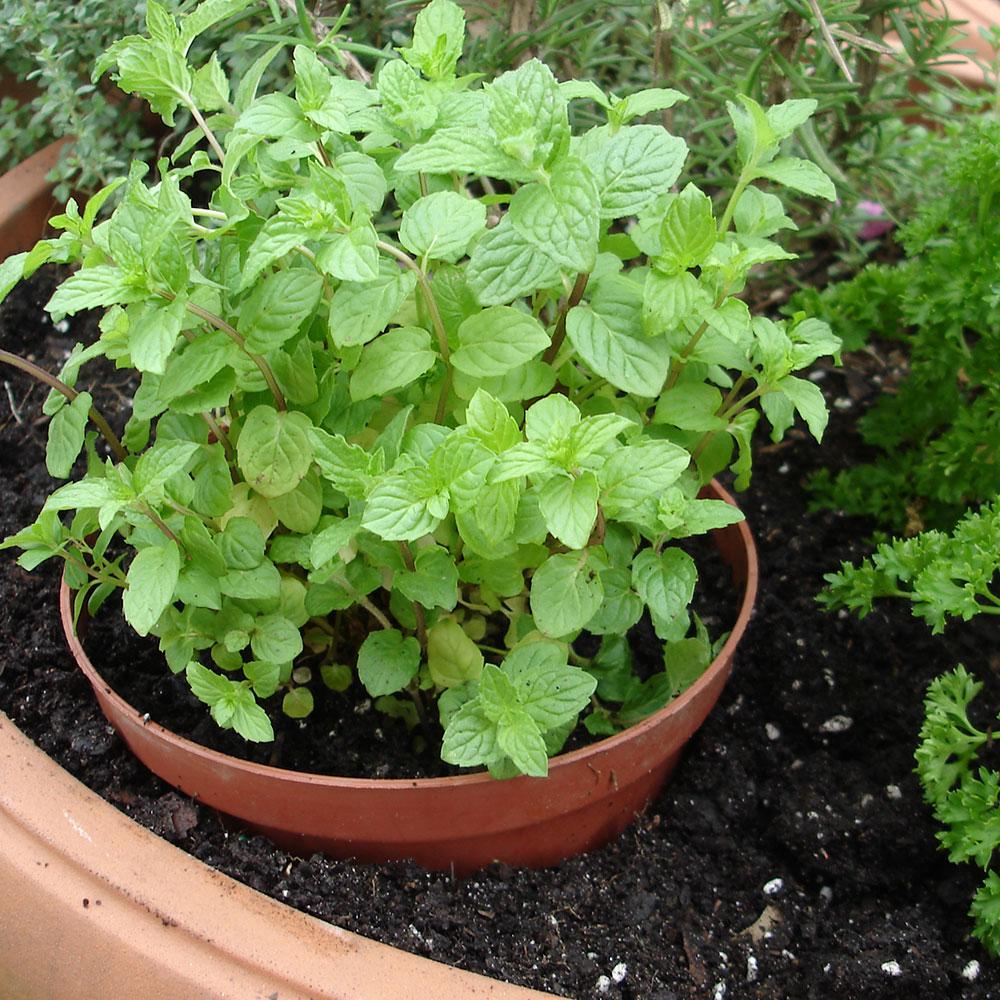
Peppermint
Why It Works
Peppermint’s strong scent deters mosquitoes and other insects. Crushing the leaves releases even more fragrance.
Benefits:
- Culinary Uses: Leaves can be used in teas, desserts, and savory dishes.
- Refreshing Scent: Adds a pleasant minty aroma to your garden.
Tips for Growing:
- Light: Prefers partial shade to full sun.
- Soil: Prefers moist, well-drained soil.
- Water: Keep the soil consistently moist.
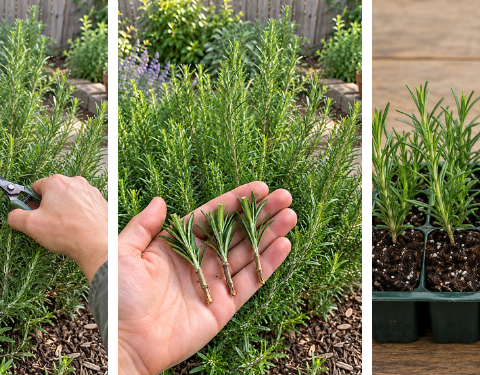
Rosemary
Why It Works
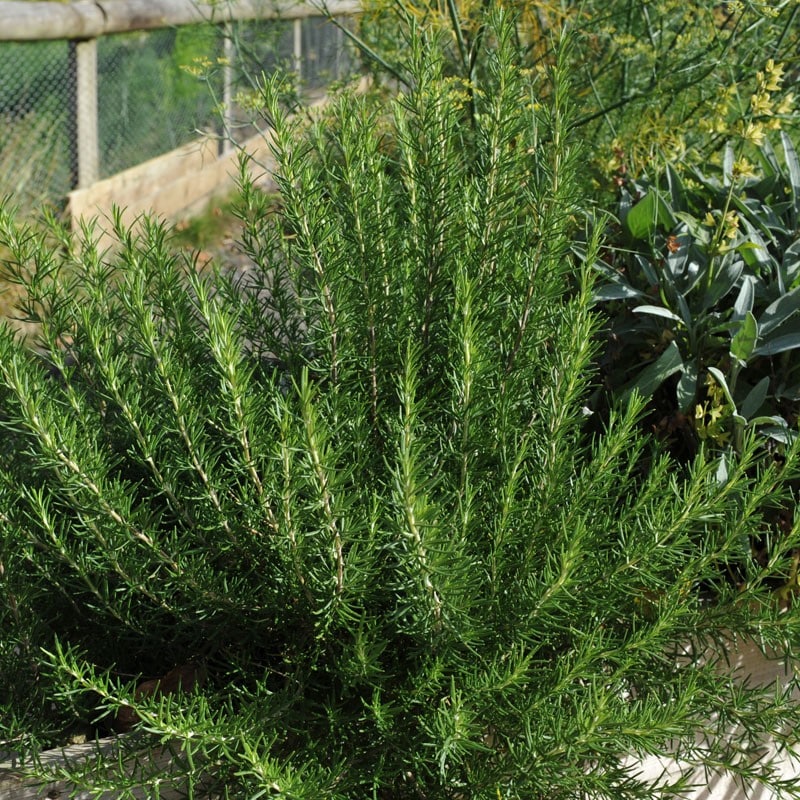
Rosemary’s strong aroma deters mosquitoes and other insects. It’s also a great herb for cooking.
Benefits:
- Culinary Herb: Adds flavor to many dishes.
- Aesthetic Appeal: Attractive foliage and flowers.
Tips for Growing:
- Light: Needs full sun.
- Soil: Prefers well-drained soil.
- Water: Water when the soil feels dry.
Geranium
Why It Works
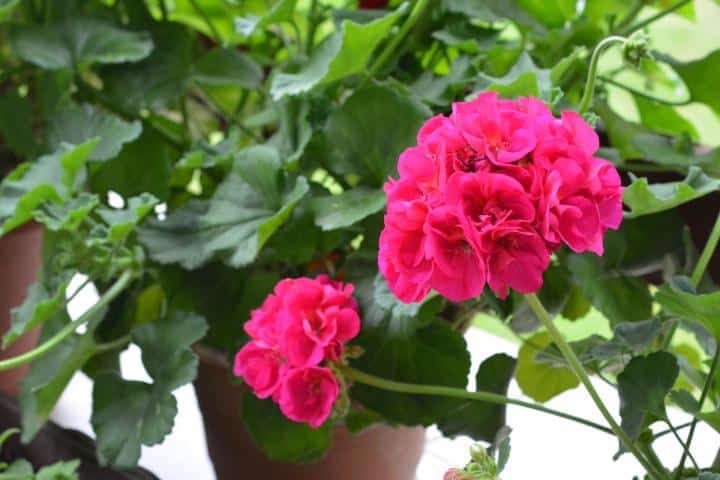
Scented geraniums, particularly those with lemon or rose scents, are effective mosquito repellents. The strong fragrance confuses and repels mosquitoes.
Benefits:
- Fragrant Leaves: Adds a pleasant aroma to your garden.
- Colorful Blooms: Produces attractive flowers in various colors.
Tips for Growing:
- Light: Needs full sun.
- Soil: Prefers well-drained soil.
- Water: Water when the top inch of soil is dry.
Tips for Maximizing the Effectiveness of Mosquito-Repelling Plants
- Strategic Plant Placement: Place mosquito-repelling plants around patios, decks, and other outdoor seating areas for maximum protection.
- Combine with Other Methods: Use these plants in conjunction with other natural methods, like citronella candles or fans, for added mosquito control.
- Regular Maintenance: Keep plants healthy by watering, fertilizing, and pruning as needed. Healthy plants produce more of the oils and compounds that repel mosquitoes.
- Crush Leaves: For immediate mosquito repellent, crush the leaves of these plants to release their essential oils.
- Use Indoors: Some of these plants, like lavender and rosemary, can be grown indoors near windows to keep mosquitoes out of your home.
Incorporating these fragrant plants into your garden can help keep mosquitoes at bay while adding beauty and pleasant aromas to your outdoor spaces.
Whether you have a small balcony garden or a large backyard, these plants are versatile and easy to grow.
Embrace natural mosquito control with these delightful, fragrant plants and enjoy a more pleasant, pest-free environment.