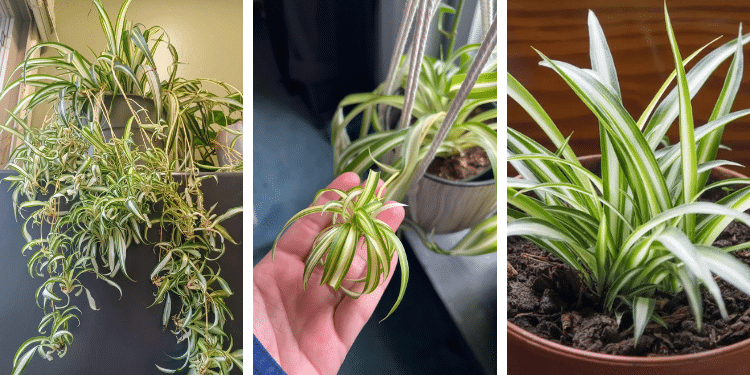
Spider plants (Chlorophytum comosum) are among the easiest and most forgiving houseplants, yet February often leaves them looking tired, pale, or completely stagnant.
Growth slows, leaves may fade or develop brown tips, and baby plantlets seem to stop forming. This is normal – but February is also the month when small adjustments make a big difference.
What you do with your spider plant in February determines how quickly it rebounds in spring, how many plantlets it produces, and how strong its overall growth will be.
February isn’t about forcing growth. It’s about resetting care after winter and preparing the plant for its active season.
Why February Matters for Spider Plants
Spider plants respond strongly to seasonal changes. Short winter days, cooler temperatures, and dry indoor air slow photosynthesis and root activity.
By February, many spider plants have been coasting in survival mode for weeks.
February is the turning point. Daylight increases, roots begin to wake up, and stored energy starts moving again.
Proper care now supports:
- Faster spring growth
- More vibrant leaf color
- Increased production of spiderettes
- Stronger root systems
Handled correctly, February sets the stage for months of healthy growth.
1. Move the Plant Into Brighter Indirect Light
Light is the main factor limiting spider plant growth in winter. While spider plants tolerate low light, they grow best in bright, indirect light.
In February, gradually move your spider plant closer to a window. East- or north-facing windows work well, as do south-facing windows with sheer curtains.
Avoid placing the plant in direct midday sun, which can scorch leaves that haven’t been acclimated.
Brighter light helps restart photosynthesis, improves leaf color, and encourages the formation of runners that will later produce baby plants.
2. Adjust Watering After Winter Slowdown
One of the most common February mistakes is watering too often.
Spider plants store water in their thick, fleshy roots. During winter, these roots use less moisture, and excess water stays in the soil longer.
Overwatering during this period often leads to weak growth, brown tips, or root stress.
In February, allow the top few centimeters of soil to dry before watering again. Water thoroughly, then let excess drain away completely. The soil should be slightly moist, never soggy.
Correct watering now helps roots recover and prepares them for heavier water use in spring.
3. Flush the Soil to Remove Salt Buildup
By February, many spider plants suffer from mineral and fertilizer salt buildup, especially if tap water or regular feeding was used during the year.
Salt buildup causes:
- Brown leaf tips
- Leaf edge burn
- Slower growth
Once a month in February, take the plant to a sink or shower and flush the soil with room-temperature water for several minutes. Let excess water drain fully before returning the plant to its spot.
This simple step refreshes the root zone and improves nutrient uptake as growth resumes.
4. Clean and Trim Leaves Carefully
February is a good time to tidy up your spider plant, but pruning should be gentle.
Remove:
- Completely brown or dead leaves
- Severely damaged tips (trim just the brown portion)
Use clean scissors and avoid cutting into healthy green tissue. Trimming doesn’t harm the plant – it improves appearance and reduces stress.
Avoid heavy pruning in February. The goal is to clean and refresh, not reduce the plant’s size.
5. Check the Roots and Decide If Repotting Is Needed
Spider plants grow quickly once active and can become root-bound without obvious warning.
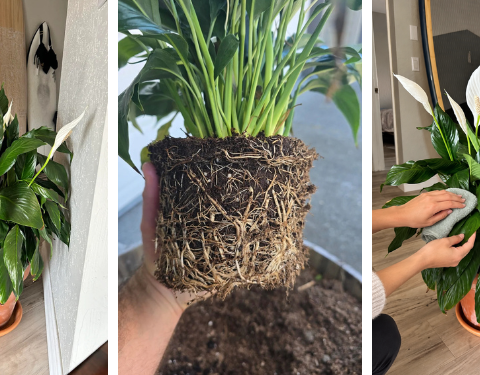
February is an ideal time to check root health. Gently lift the plant from its pot and look for:
- Thick, white, fleshy roots (healthy)
- Roots circling tightly around the pot
- Soil breaking down or draining poorly
If the plant is severely root-bound or unstable, late February is an acceptable time to repot, though early spring is often better.
If repotting:
- Choose a pot one size larger
- Use a light, well-draining potting mix
- Avoid burying the crown
A slightly root-bound spider plant grows better than one in an oversized pot, so repot only when necessary.
6. Hold Off on Fertilizer Until Growth Resumes
It’s tempting to fertilize in February, but spider plants typically aren’t ready yet.
Without active growth, fertilizer:
- Builds up in the soil
- Contributes to leaf tip burn
- Stresses roots
Wait until you see:
- Fresh leaf growth from the center
- Longer days and warmer temperatures
This usually happens in March. When you do fertilize, use a balanced houseplant fertilizer at half strength.
Feeding at the right time supports healthy growth and encourages spiderette production later.
7. Improve Humidity and Air Circulation
Spider plants tolerate average indoor humidity, but February’s dry air can still cause stress.
Low humidity contributes to:
- Brown tips
- Slower growth
- Dull leaf color
You don’t need tropical conditions. Grouping plants together, placing a shallow water tray nearby, or using a small humidifier can help.
At the same time, ensure good air circulation. Avoid placing spider plants directly near heating vents or cold drafts. Stable conditions allow the plant to transition smoothly into spring growth.
8. Prepare the Plant for Spring and Baby Production
February is not when spider plants produce baby plantlets – but it’s when the groundwork is laid.
Healthy spiderette production depends on:
- Strong roots
- Adequate light
- Balanced nutrition
- Minimal stress
In February, focus on creating those conditions. Avoid moving the plant frequently or making drastic changes. Consistency allows internal processes to restart naturally.
When spring arrives, spider plants that were cared for properly in February often respond with vigorous growth and long runners filled with baby plants.
Common February Mistakes With Spider Plants
Even though spider plants are forgiving, certain mistakes can delay growth for months.
Common problems include:
- Overwatering
- Fertilizing too early
- Ignoring salt buildup
- Placing plants in low light
- Repotting unnecessarily
February care should be simple and intentional.
What Healthy Spider Plants Look Like in February
Many gardeners worry because their spider plant appears unchanged in February. This is normal.
A healthy February spider plant:
- Shows little to no new growth
- Maintains firm, arching leaves
- Holds color without yellowing
Lack of growth does not mean poor health. It means the plant is transitioning.
Signs of real trouble include mushy roots, rapidly yellowing leaves, or persistent soggy soil.
How February Care Affects Growth Later in the Year
The impact of February care isn’t immediate, but it’s powerful.
Plants that receive proper light, water, and stability in February often:
- Grow faster in spring
- Produce more spiderettes
- Maintain better leaf color
- Recover more quickly from stress
Neglect or overcare in February often leads to weak growth, fewer babies, and cosmetic issues that persist all year.
Indoor vs Outdoor Planning
If you move your spider plant outdoors in warm months, February is the time to plan.
Choose a location with:
- Bright shade or filtered light
- Protection from wind and direct sun
Gradual acclimation later prevents leaf burn and shock.
February may seem uneventful for spider plants, but it’s a crucial reset period.
By improving light, adjusting watering, flushing the soil, checking roots, and resisting the urge to overdo fertilizer or repotting, you support the plant’s natural rhythm.