Baby powder, a staple in many households for its soothing properties on human skin, surprisingly holds a plethora of uses in the garden.
This common product, often composed of talc (a mineral composed of magnesium, silicon, and oxygen) or cornstarch, can be a gardener’s secret weapon against pests, moisture issues, and more.
Here are eight nifty uses for baby powder in the garden that can help you tackle common gardening challenges in an eco-friendly way.
1. Deter Garden Pests
Baby powder can be an effective deterrent against many types of garden pests, including aphids, beetles, and rabbits.
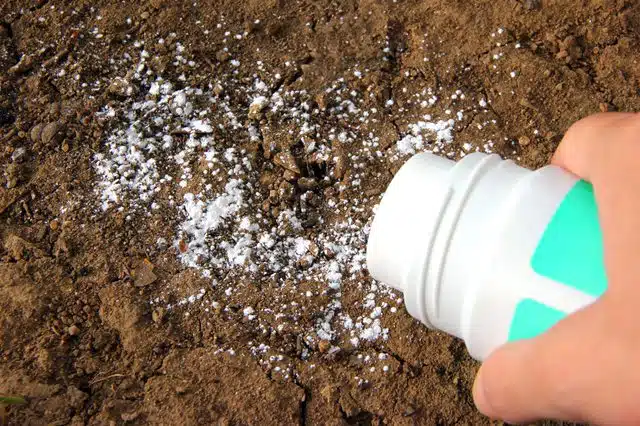
The powder’s fine texture and scent are unpleasant to these creatures. Lightly dusting your plants and the surrounding soil with baby powder can keep these unwanted visitors at bay.
However, it’s crucial to reapply after watering or rain.
2. Ease of Tool Maintenance
Garden tools can get sticky and hard to use after cutting sappy plants.
Coating your garden shears and other tools with baby powder before use can help prevent sap from adhering to the blades, making cleanup a breeze and keeping your tools in good condition.
3. Protect Bulbs from Rot and Rodents
Before planting bulbs, give them a gentle shake in a bag filled with baby powder. This coating can help reduce moisture retention, lowering the risk of rot.
Additionally, the scent of baby powder can deter rodents from digging up and feasting on your bulbs.
4. Prevent Transplant Shock
Dusting baby powder on the roots of seedlings before transplanting can help reduce transplant shock.
The powder can absorb excess moisture and reduce root damage, helping the plant to adjust more smoothly to its new location.
5. Improve Grip on Garden Gloves
On hot days, slipping on garden gloves can become a struggle due to moisture.
Dusting the inside of your gloves with baby powder absorbs sweat and improves grip, making your gardening tasks more comfortable and efficient.
6. Act as a Pollination Helper
For plants that require help with pollination, such as squash and cucumbers, baby powder can act as a carrier for pollen.
Dip a small paintbrush in baby powder, then gently brush the male flowers and transfer to female flowers. The powder helps to mimic the natural pollination process when bees are scarce.
7. Keep Ants at Bay
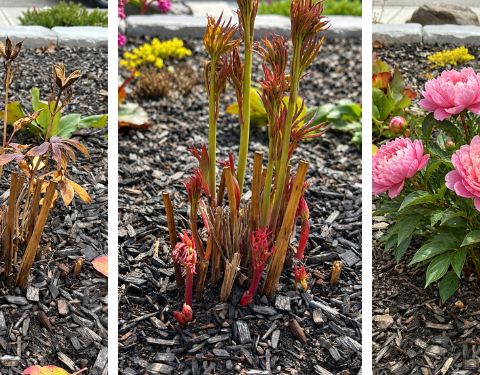
Ants can be a nuisance in the garden, especially around peony plants. Sprinkling baby powder around the base of susceptible plants can deter ants.
While ants aren’t harmful to peonies, their presence can be unwelcome, and baby powder is a gentle way to keep them away.
8. Soothe Skin After Gardening
After a day in the garden, your skin may feel irritated or chafed from gloves and tools.
Baby powder can soothe skin irritation, absorbing moisture and reducing friction. It’s a quick remedy to keep your skin feeling soft and comfortable after gardening activities.
Baby powder is more than just a nursery item; it’s a versatile tool that can address several gardening needs.
From pest control to tool maintenance and plant care, the uses of baby powder in the garden are both practical and innovative.
As with any product, use it judiciously and ensure it doesn’t interfere with the beneficial insects your garden needs to thrive.
With these tips, baby powder can become an essential part of your gardening toolkit, helping you maintain a healthy, flourishing garden.