The snake plant (Sansevieria), also known as mother-in-law’s tongue, is one of the hardiest and most beginner-friendly houseplants.
It thrives on neglect, filters indoor air, and brings a sculptural beauty to any room. But while it can survive on minimal care, June is the perfect month to give it the attention it needs to fuel lush, healthy summer growth.
With longer days, warmer temperatures, and increased light, your snake plant is ready to thrive – if you give it the right support.
Below are seven essential tasks you should focus on in June to ensure your snake plant reaches its full potential this summer.
1. Evaluate Sunlight Exposure and Adjust Placement
Snake plants love bright, indirect light. While they can tolerate low-light conditions, June is an ideal time to give them an upgrade.
During this month, the sun is more intense and daylight hours are longer – perfect for boosting growth.
What to do:
- Place your snake plant near an east-facing window where it can enjoy gentle morning light.
- If placing it in a south- or west-facing window, pull it back several feet to avoid scorching the leaves.
- Rotate the pot weekly so that all sides receive even light, preventing uneven leaning or stretching.
- Consider moving the plant outdoors to a shaded patio or balcony for a summer vacation – just be sure it’s protected from direct afternoon sun.
2. Repot If Root Bound
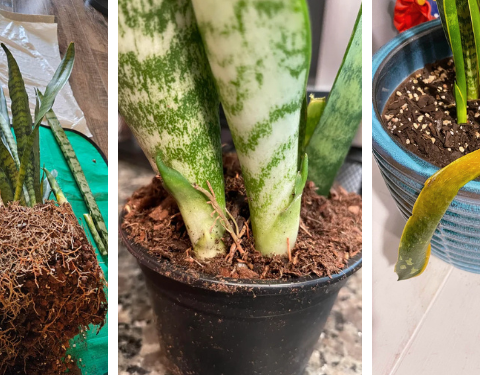
Snake plants have rhizomatous roots that spread horizontally and quickly fill containers. June is the perfect time to repot because the plant is entering a season of active growth.
Signs your snake plant needs repotting:
- Roots growing out of drainage holes
- Bulging or cracked containers
- Water runs straight through the pot
How to repot:
- Choose a pot 1–2 inches wider than the current one with drainage holes.
- Use a well-draining mix like cactus or succulent soil. Add perlite or coarse sand if needed.
- Gently tease apart root-bound rhizomes, and remove any mushy or rotten roots.
- After repotting, avoid watering for 2–3 days to allow roots to settle.
3. Trim Damaged or Dull Leaves
Pruning your snake plant in June not only improves appearance but also directs energy to healthier foliage. It’s also the ideal time to remove old, yellowing, or bug-damaged leaves.
How to prune properly:
- Use clean, sharp scissors or garden shears.
- Cut damaged leaves at the base, as close to the soil line as possible.
- Remove any leaves that are mushy, wrinkled, or have large brown spots.
- Always wear gloves – some people experience skin irritation from the sap.
After pruning, your plant will channel energy into producing new, upright shoots.
4. Propagate for More Plants
With warm soil and active growth, June is the perfect month to propagate snake plants. You can create new plants for yourself or share with friends.
Propagation methods:
- Leaf cuttings in water: Cut a healthy leaf into 3–4 inch segments. Place the bottom of each segment in a jar of clean water. Change the water weekly and wait 4–6 weeks for roots to form.
- Leaf cuttings in soil: Dip cut end in rooting hormone and place in a pot with moist, well-draining soil.Keep the soil lightly moist until roots form.
- Division: When repotting, gently separate clusters of leaves with their attached rhizomes and plant them in separate containers.
Each method gives you fresh plants, and June’s warm temperatures support quicker rooting.
5. Water Properly and Adjust for Summer
Snake plants are drought-tolerant, but warmer months call for more frequent monitoring. Overwatering is the most common killer of snake plants, especially when paired with high humidity.
June watering tips:
- Water only when the top 2–3 inches of soil are dry. Stick your finger in to test.
- Water thoroughly until it drains from the bottom. Discard excess water from the saucer.
- Reduce watering if your snake plant is outdoors and it’s raining frequently.
- If inside, slightly increase watering frequency – but only as the plant needs it.
Avoid misting, as excess moisture on leaves can encourage fungal issues.
6. Feed With a Balanced Fertilizer
To support summer growth, snake plants benefit from a boost of nutrients. June is an ideal time to begin a light fertilization routine.
How to feed your snake plant:
- Use a balanced liquid fertilizer (e.g., 10-10-10 or 20-20-20) diluted to half strength.
- Feed once a month from June through August.
- Avoid overfeeding, which can lead to burnt roots or excess salt buildup.
If your plant is recently repotted in nutrient-rich soil, delay fertilizing for 4–6 weeks.
7. Inspect for Pests and Clean the Leaves
As temperatures rise, pests like spider mites, mealybugs, and scale can become more active. June is the time to get ahead of infestations.
How to inspect and clean:
- Look for sticky residue, webbing, or tiny insects on leaves and soil surface.
- Wipe down leaves weekly with a damp cloth to remove dust and allow better light absorption.
- Use a spray bottle with a mixture of water and a few drops of neem oil to treat any pests.
- Isolate any infected plant to prevent spreading.
Healthy, clean leaves maximize photosynthesis and help your plant grow stronger all summer.
Bonus Tip: Consider Moving Your Snake Plant Outdoors
In USDA Zones 9–11, snake plants can be kept outdoors year-round. In cooler zones, they can still benefit from spending summer outside.
Just make sure they’re shielded from strong winds, heavy rains, and afternoon sun.
Outdoor care checklist:
- Acclimate gradually: Move it to a shaded spot for a few days before introducing more light.
- Elevate the pot for drainage.
- Check for insects like slugs or ants.
Bringing your snake plant outside during the summer can supercharge growth, but always bring it back indoors before nighttime temperatures drop below 50°F (10°C).
With just a little strategic care, your snake plant can thrive through the heat of summer and grow stronger than ever.
June is a month of transition – a time when this low-maintenance houseplant can be transformed into a lush, architectural beauty that turns heads.
Whether you’re pruning, propagating, or just adjusting its position for better light, each small effort helps your plant prepare for a season of healthy, robust growth.
By following these seven tips, you’ll not only enjoy a gorgeous summer display but also ensure your snake plant remains healthy and vibrant for many seasons to come.