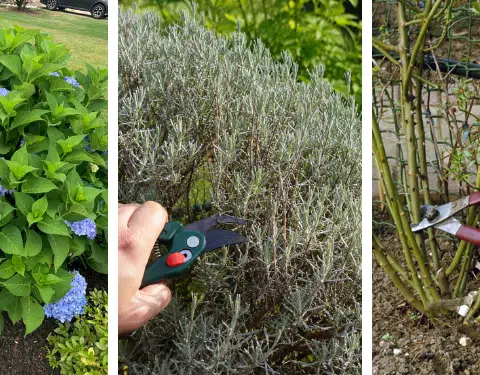
Growing healthy plants without synthetic fertilizers is easier than you think!
Whether you have a flower garden, vegetable patch, or indoor plants, using natural fertilizers can significantly improve soil health, enhance plant growth, and promote sustainable gardening.
Unlike chemical fertilizers that may harm beneficial microbes, pollute water sources, and degrade soil quality over time, natural fertilizers enrich the soil with essential nutrients while being eco-friendly, safe, and cost-effective.
If you’re looking for organic and DIY alternatives to boost your plants, here are 7 natural fertilizers that will help your garden thrive!
1. Compost: The Ultimate Organic Fertilizer ♻️🌱
Why It Works:
Compost is often called “black gold” for gardening because it contains a balanced mix of nitrogen, phosphorus, potassium (NPK), and essential micronutrients.
It also improves soil structure, water retention, and microbial activity.
How to Use It:
- Mix compost into garden beds before planting for nutrient-rich soil.
- Top-dress around plants every few weeks to provide a slow-release source of nutrients.
- Make compost tea by soaking compost in water for 24-48 hours and using the liquid as a foliar spray.
Best For:
✅ Vegetables, flowers, trees, and shrubs
✅ Improving sandy or clay-heavy soils
💡 Pro Tip: Compost everything from fruit and vegetable scraps to coffee grounds, eggshells, and shredded leaves to create a diverse, nutrient-rich mix.
2. Banana Peels: A Natural Source of Potassium & Phosphorus 🍌🌿
Why It Works:
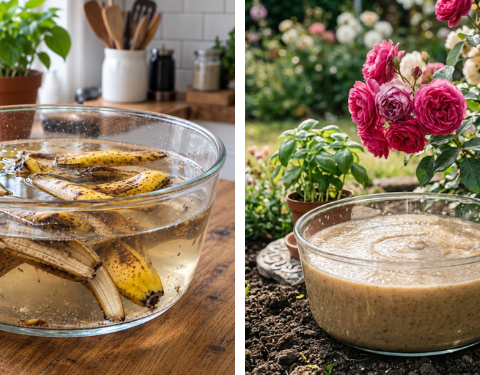
Banana peels are rich in potassium and phosphorus, which help strengthen plant roots, enhance flowering, and boost fruit production.
How to Use It:
- Bury banana peels near the roots of plants for slow decomposition.
- Chop peels into small pieces and mix them into the soil for quick breakdown.
- Blend banana peels with water to make a natural liquid fertilizer.
Best For:
✅ Flowering plants (roses, tomatoes, peppers, and fruit trees)
💡 Pro Tip: Dry banana peels and grind them into a powder for an easy-to-store, nutrient-rich fertilizer.
3. Coffee Grounds: A Great Nitrogen Boost ☕🌾
Why It Works:
Coffee grounds are high in nitrogen, which helps promote lush, green growth. They also improve soil aeration and water retention.
How to Use It:
- Sprinkle used coffee grounds around plants as a mulch or mix them into the soil.
- Make a liquid fertilizer by steeping used coffee grounds in water for 24 hours before using it for watering.
- Add coffee grounds to compost to enhance nitrogen levels.
Best For:
✅ Leafy greens (lettuce, spinach, kale, and herbs)
✅ Acid-loving plants (azaleas, blueberries, hydrangeas, and tomatoes)
💡 Pro Tip: Coffee grounds lower soil pH slightly, so avoid using them in alkaline soils unless you need more acidity.
4. Eggshells: Calcium for Stronger Plants 🥚🌸
Why It Works:
Eggshells are loaded with calcium, an essential nutrient that prevents blossom-end rot in tomatoes, peppers, and squash.
They also reduce soil acidity and provide a slow-release nutrient source.
How to Use It:
- Crush eggshells and mix them into the soil around plants.
- Make an eggshell tea by soaking crushed eggshells in water for 24 hours, then using the liquid as a fertilizer.
- Use eggshells as a natural pest deterrent—the sharp edges deter slugs and snails.
Best For:
✅ Tomatoes, peppers, squash, and fruit trees
✅ Plants needing a calcium boost (cabbage, broccoli, and beans)
💡 Pro Tip: Dry eggshells in the sun before crushing them for easier handling and storage.
5. Epsom Salt: Magnesium for Greener Leaves & More Blooms 🧂🌻
Why It Works:
Epsom salt is rich in magnesium and sulfur, two essential nutrients that enhance photosynthesis, improve seed germination, and increase flower production.
How to Use It:
- Dissolve 1-2 tablespoons of Epsom salt in a gallon of water and use it for watering plants every 2-4 weeks.
- Sprinkle dry Epsom salt around the base of plants and water well.
- Use as a foliar spray by mixing 1 tablespoon of Epsom salt per gallon of water and misting plant leaves.
Best For:
✅ Tomatoes, peppers, roses, and citrus trees
✅ Plants suffering from yellowing leaves (a sign of magnesium deficiency)
💡 Pro Tip: Don’t overuse Epsom salt—too much magnesium can interfere with nutrient uptake.
6. Fish Emulsion: A High-Nutrient Organic Fertilizer 🎣🌾
Why It Works:
Fish emulsion is a fast-acting, nutrient-rich liquid fertilizer packed with nitrogen, phosphorus, and potassium—all essential for plant growth.
How to Use It:
- Dilute 1-2 tablespoons of fish emulsion per gallon of water and use as a liquid feed.
- Apply every 2-3 weeks during the growing season for strong, vibrant plants.
- Use as a foliar spray to provide plants with an instant nutrient boost.
Best For:
✅ Vegetable gardens, fruit trees, and leafy greens
💡 Pro Tip: Fish emulsion has a strong odor, so apply it early in the morning or late in the evening to minimize the smell.
7. Seaweed Fertilizer: A Natural Plant Superfood 🌊🌱
Why It Works:
Seaweed is a nutrient powerhouse containing trace minerals, amino acids, and plant hormones that boost root development, strengthen plant immunity, and improve growth.
How to Use It:
- Use dried seaweed as a mulch or mix it into the soil.
- Make seaweed tea by soaking fresh or dried seaweed in water for a few days, then using the liquid as a fertilizer.
- Apply as a foliar spray for quick nutrient absorption.
Best For:
✅ All plants, especially young seedlings and transplants
💡 Pro Tip: Seaweed-based fertilizers help plants withstand drought and disease, making them an excellent all-purpose organic fertilizer.
Using natural fertilizers is one of the best ways to nurture your plants, enrich the soil, and promote long-term sustainability.
Unlike synthetic fertilizers, these organic solutions improve soil structure, increase microbial activity, and reduce environmental impact.