

Houseplants do more than just purify the air or fill empty corners—they add personality, texture, and charm to your home.
But if you only have room for a few, why not choose plants that are truly show-stopping? The kind of plants that spark curiosity, turn heads, and prompt the question, “What is that?”
Below are seven indoor plants with some of the most eye-catching and unique foliage you’ll find. These botanical beauties bring visual drama to your living space and are relatively easy to care for—even if you’re new to houseplants.
1. Prayer Plant (Maranta leuconeura)
The Prayer Plant is a true conversation starter thanks to its remarkable leaf movement and bold patterns.
Its velvety, deep green leaves feature arching yellow stripes and purplish undersides, and the leaves fold upwards like praying hands at night—a process called nyctinasty.
This plant thrives in medium to bright indirect light and high humidity. Keep the soil evenly moist, but avoid soggy conditions.
Bonus: it’s completely non-toxic to pets and children, making it a safe and stylish addition to any home.

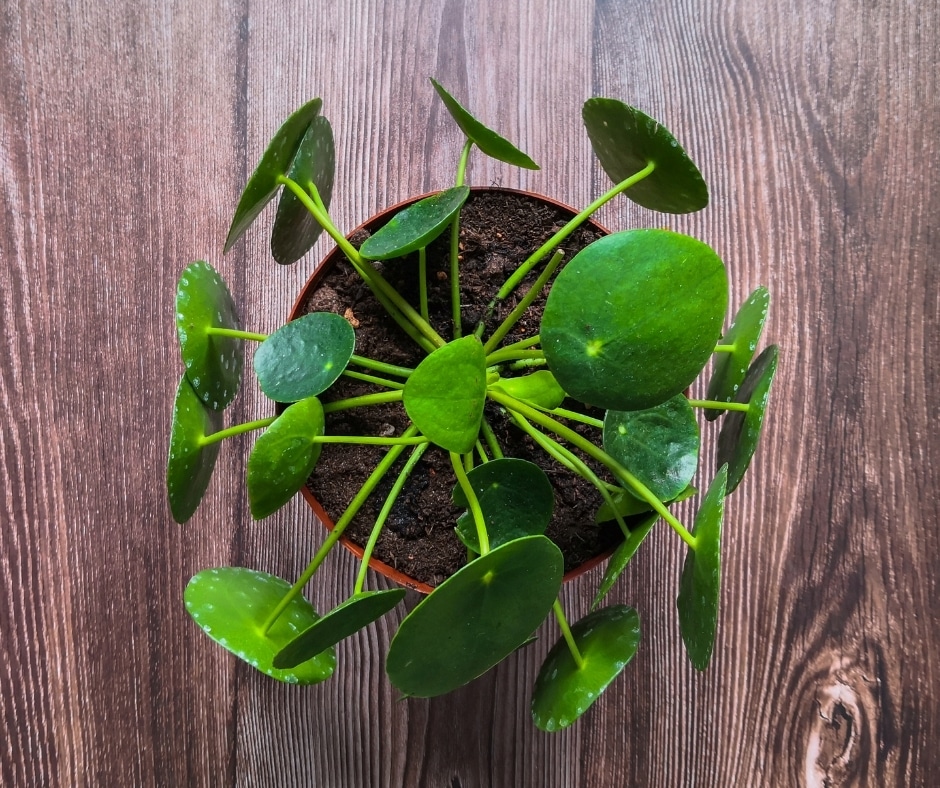
2. Chinese Money Plant (Pilea peperomioides)
Also known as the Pancake Plant or UFO Plant, this species is adored for its perfectly round, coin-shaped leaves perched on long, slender stems.
Its playful, symmetrical appearance gives it a modern vibe that complements minimalist interiors.
Place your Pilea in bright, indirect sunlight and let the top inch of soil dry out between waterings. During the growing season, feed it with a diluted, water-soluble fertilizer once a month.
It’s compact, quirky, and easy to propagate—making it a favorite for gifting or sharing with friends.
3. String of Pearls (Senecio rowleyanus)
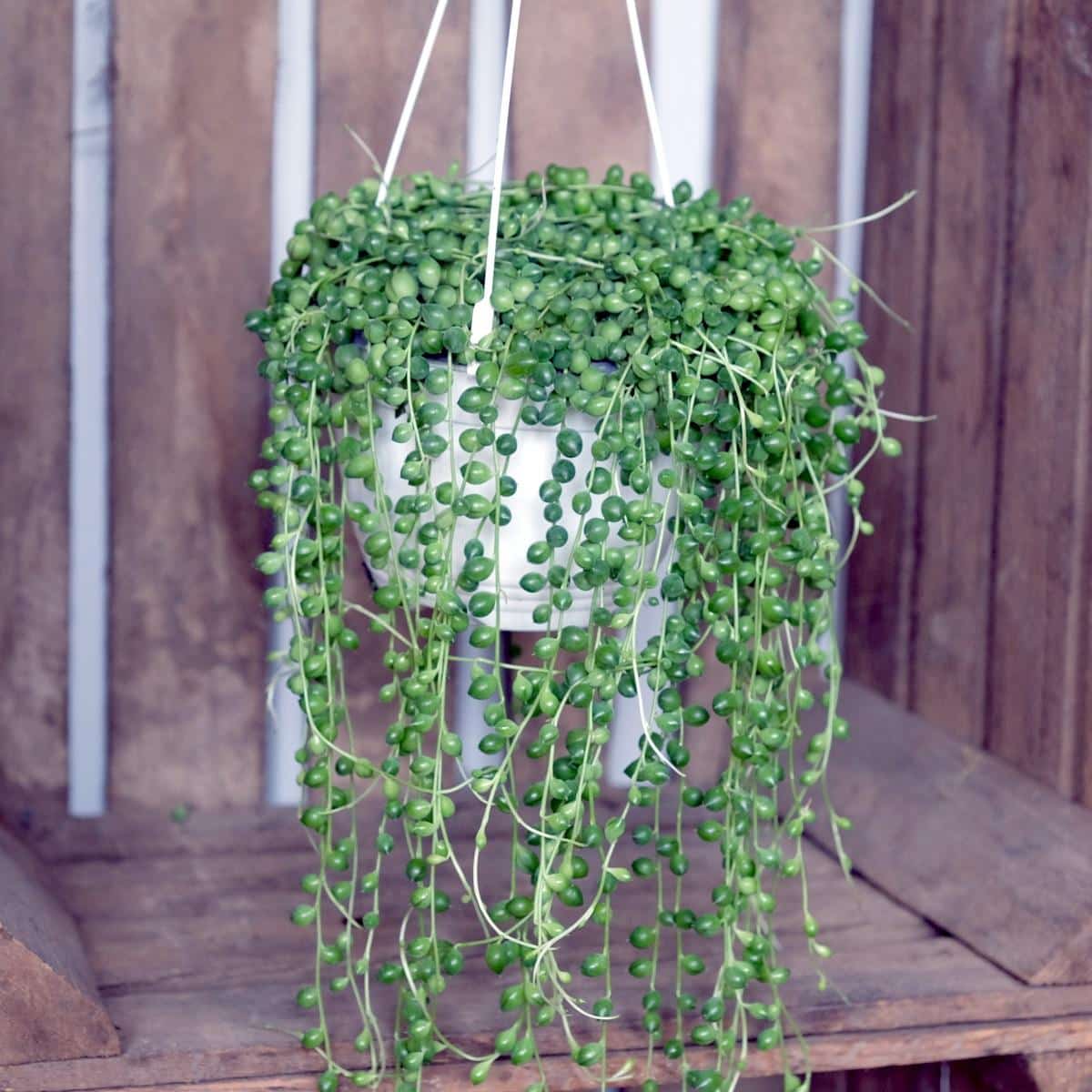
If you’re looking for something completely different, the String of Pearls is a cascading succulent that features round, bead-like leaves along long, delicate stems.
It looks like a living strand of green pearls and is perfect for hanging planters or shelf edges.
This plant thrives in bright, indirect light and prefers to dry out completely between waterings. Use a cactus or succulent soil mix for optimal drainage, and avoid overwatering.
It’s delicate but surprisingly easy to grow once it settles into its spot.
4. Watermelon Peperomia (Peperomia argyreia)
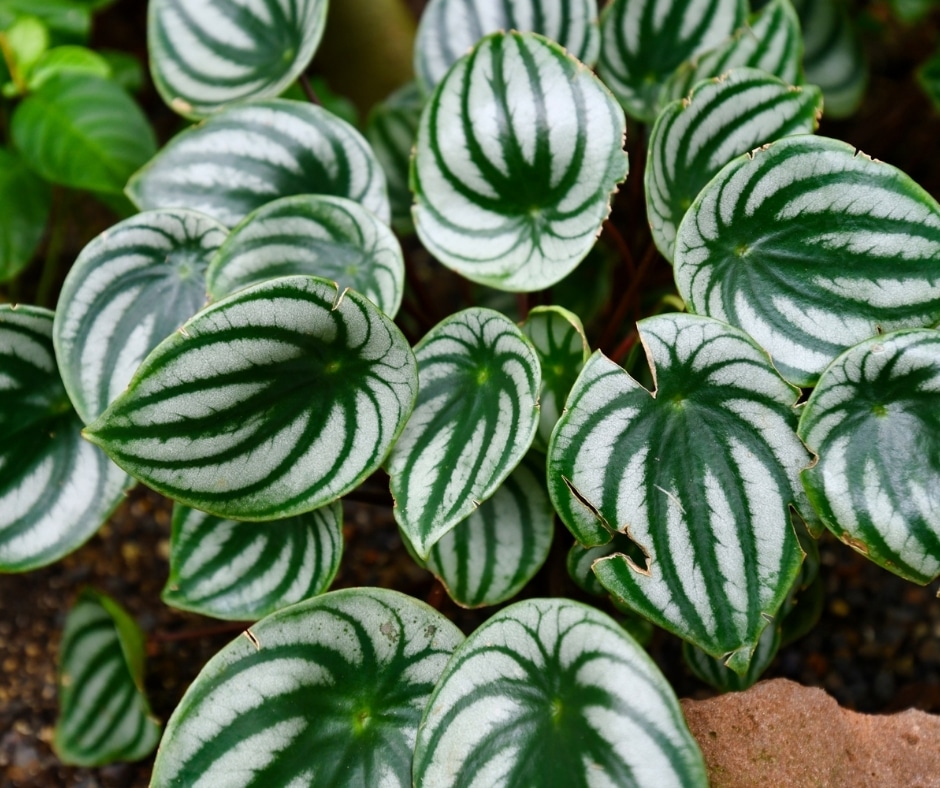
Named for its foliage that resembles the rind of a watermelon, this plant is a standout in any collection.
The silvery, striped leaves are slightly glossy and oval-shaped, growing close to the soil on short, fleshy stems.
It prefers well-draining soil, moderate watering, and bright but indirect light. This peperomia remains compact and tidy, making it ideal for desks, coffee tables, or plant shelves.
Despite its dramatic look, it’s a low-maintenance houseplant that can thrive for years indoors.
5. Bird’s Nest Fern (Asplenium nidus)
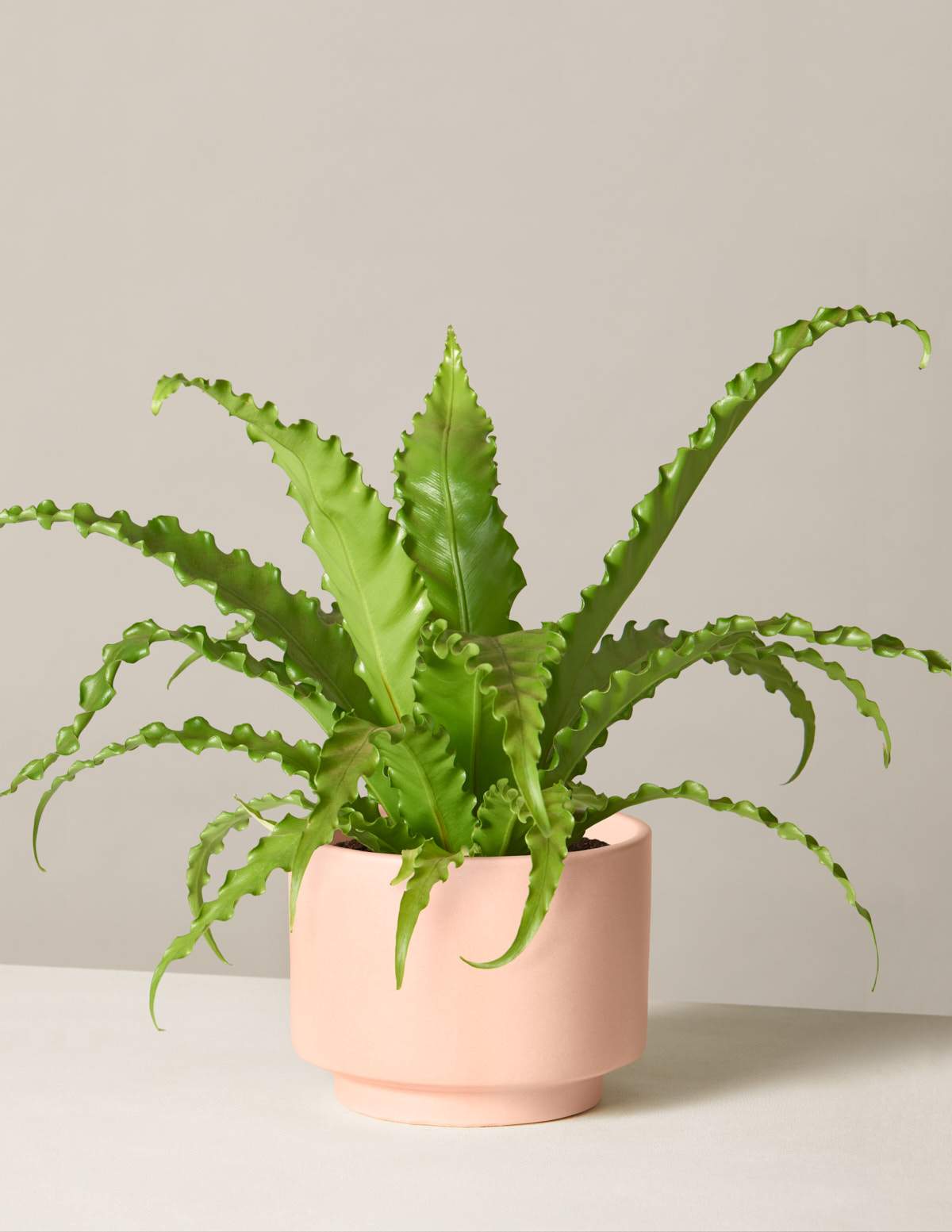
With its bright green, wavy-edged fronds emerging from a central rosette (or “nest”), the Bird’s Nest Fern adds a touch of the tropics to any room.
Unlike many other ferns, its leaves are solid, not feathery—giving it a modern, architectural look.
This Southeast Asian native loves warmth, humidity, and low to medium indirect light. Aim for room temperatures around 70°F (21°C), and mist it regularly or place it near a humidifier.
Water the soil when the top layer begins to dry out, but avoid watering directly into the central rosette.
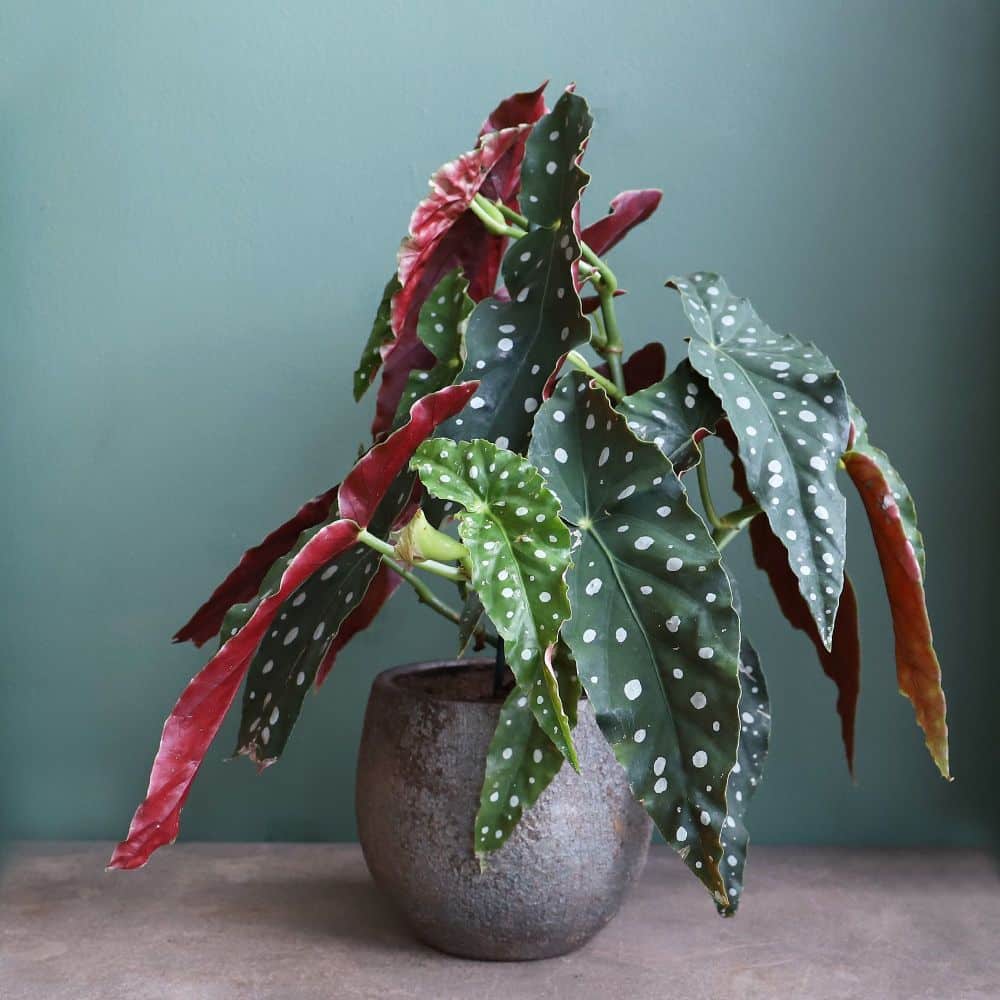
6. Begonia Maculata (Polka Dot Begonia)
With its striking white polka dots on deep green leaves and contrasting red undersides, the Begonia Maculata is practically a living piece of art.
The asymmetrical leaves have a dramatic, wing-like shape that only adds to their flair.
This plant enjoys bright, indirect sunlight and prefers evenly moist soil. Allow the top inch of soil to dry slightly between waterings.
It will reward your care with rapid growth and even blooms if it’s happy in its environment. A true showstopper.
7. Red Oxalis (Oxalis triangularis)
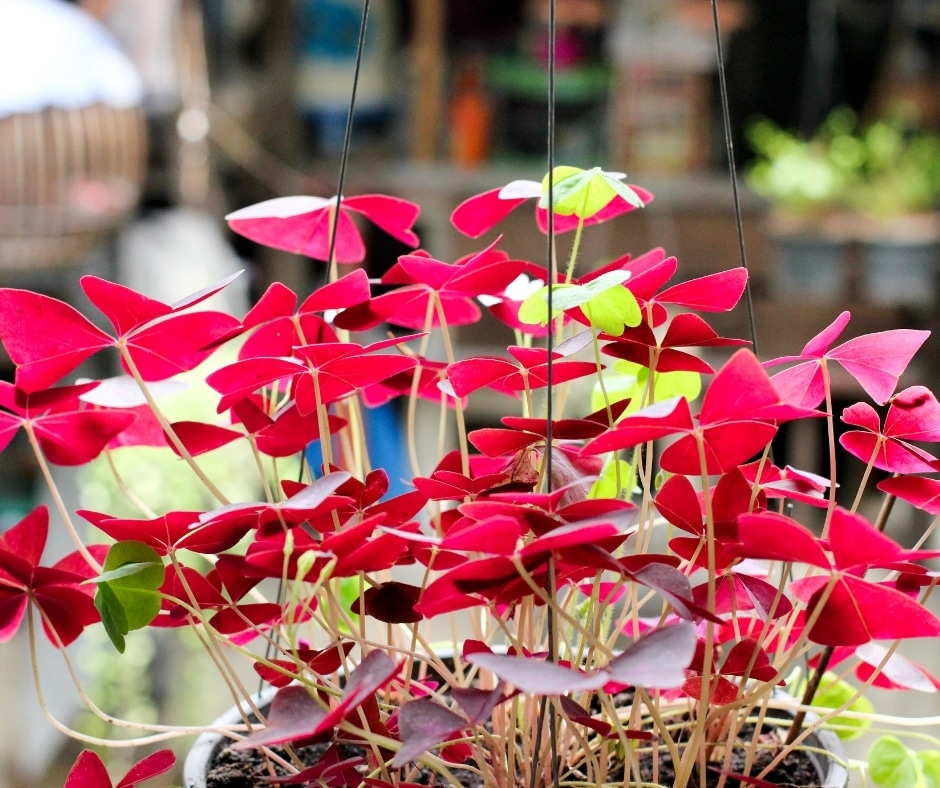
Also called Purple Shamrock, the Red Oxalis is loved for its deep burgundy, triangular leaves that resemble butterfly wings.
Each leaf is composed of three distinct leaflets, and the plant has a unique habit of opening during the day and folding shut at night.
This plant loves bright light and does best near a sunny window. Keep the soil slightly moist, and feed it every two to three weeks during the growing season with a balanced liquid fertilizer.
Its color and movement make it one of the most fascinating additions to your home.
If you’re working with limited space but want maximum impact, these seven houseplants are your best bet.
With their unique leaf shapes, colors, and patterns, they go beyond basic greenery to add art, interest, and life to any room.
Whether you’re a plant collector or just getting started, these botanical gems will make your home unforgettable.


