When shopping for houseplants, most people focus on two things: how the plant looks and how easy it is to care for.
While these are important factors, there’s another aspect that often gets overlooked—the health benefits that certain houseplants can offer.
Your environment plays a huge role in your overall well-being. The right indoor plants can help improve air quality, boost mental clarity, reduce stress, enhance sleep quality, and even support your immune system.
These benefits go far beyond aesthetics, making houseplants a smart addition to any home, especially in today’s fast-paced and often polluted world.
Whether you’re a seasoned plant lover or just starting out, here are seven houseplants that not only thrive indoors but also offer incredible health benefits backed by science and centuries of traditional use.
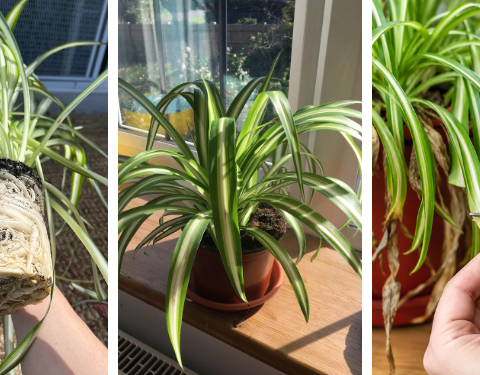
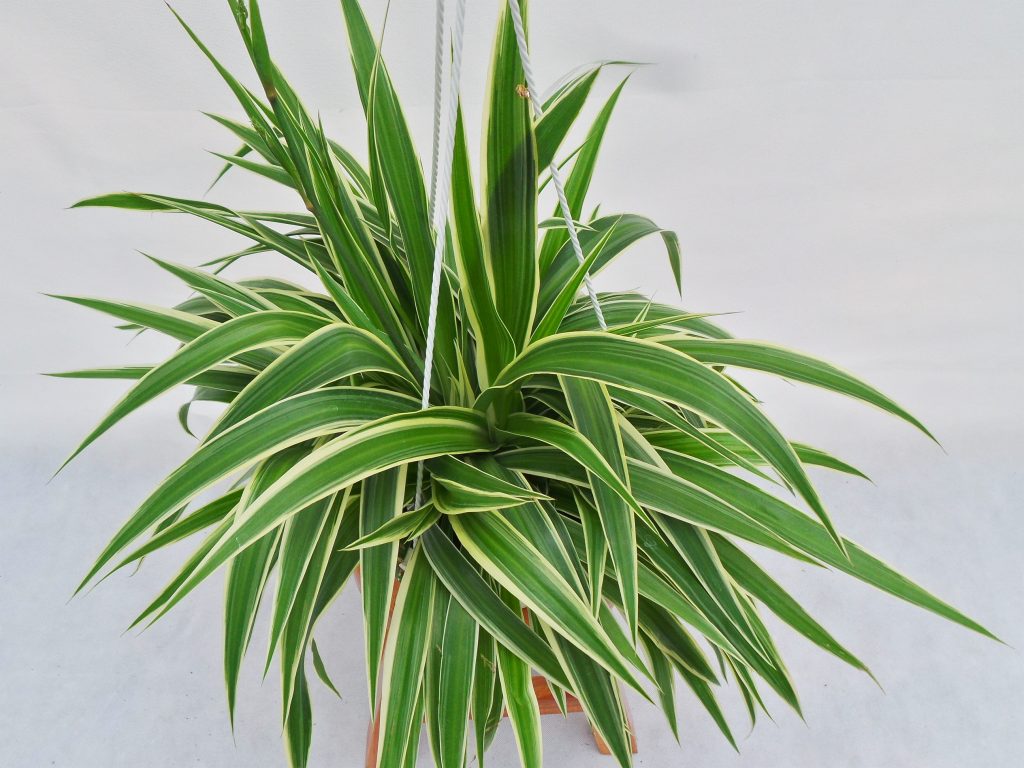
1. Spider Plant (Chlorophytum comosum)
Best for: Air purification and easy care
The Spider Plant is a top choice for anyone concerned about indoor air pollution. It’s especially effective at removing formaldehyde, a toxic chemical commonly found in paper products, synthetic fabrics, and household cleaning supplies.
Health Benefits:
-
Filters out formaldehyde, carbon monoxide, and other volatile organic compounds (VOCs)
-
Boosts oxygen levels in indoor spaces
-
Safe for homes with pets and children
Care Tips:
-
Thrives in indirect sunlight
-
Water moderately; allow the soil to dry out between waterings
-
Grows well in any standard potting mix
Why it’s great for beginners: Spider plants are nearly impossible to kill, making them perfect for first-time plant parents.
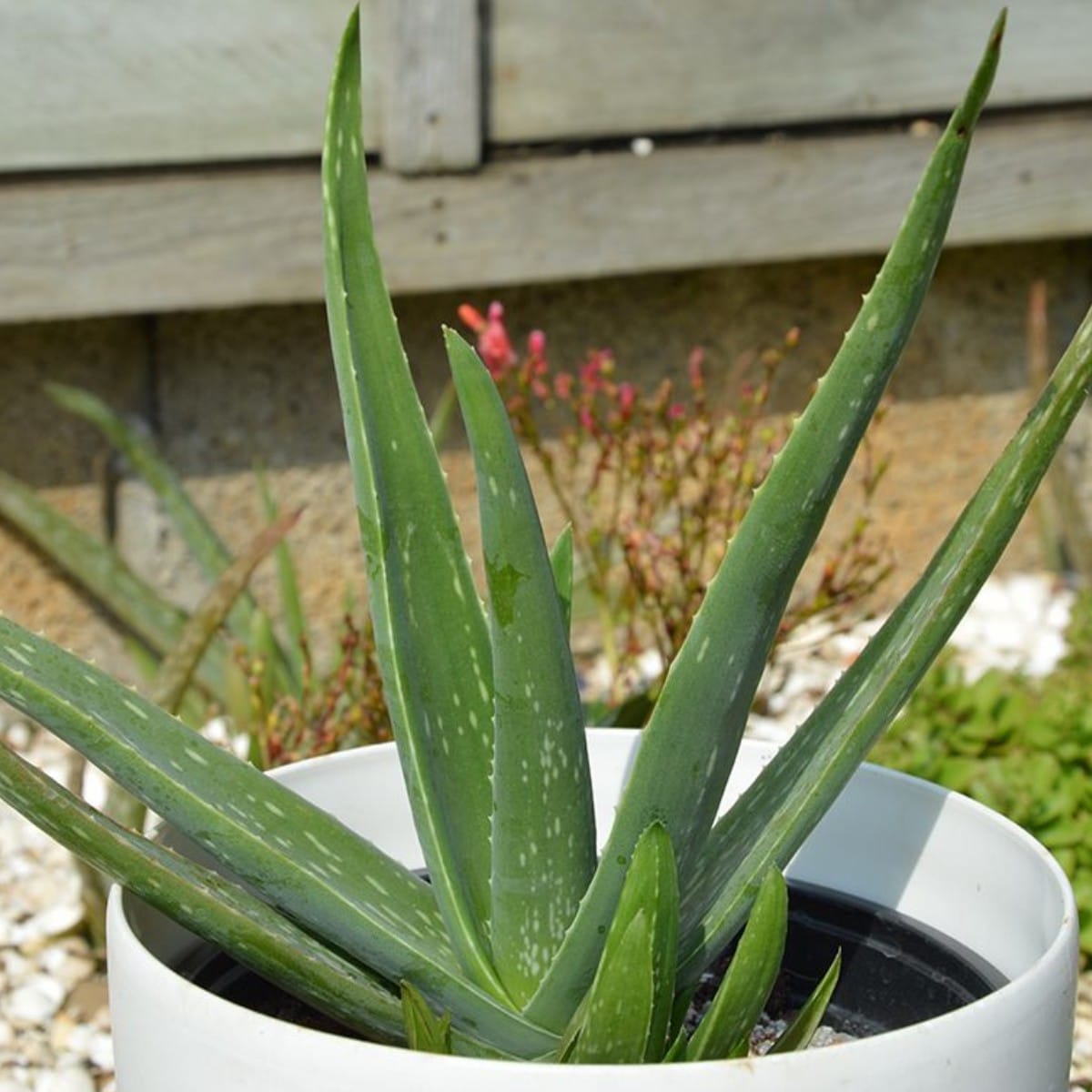
2. Aloe Vera (Aloe barbadensis miller)
Best for: Skin health and air detoxification
Aloe Vera is more than just a pretty succulent. It’s been used for thousands of years as a natural remedy for skin conditions, from sunburn to acne. The gel found inside its fleshy leaves contains anti-inflammatory compounds that soothe and heal damaged skin.
Health Benefits:
-
Eases burns, sunburn, rashes, and skin irritation
-
Improves air quality by absorbing toxins like formaldehyde and benzene
-
May reduce inflammation when applied topically
Care Tips:
-
Prefers bright, indirect sunlight
-
Allow the soil to dry at least 1–2 inches deep before watering
-
Requires well-drained soil (a cactus mix works well)
Caution: While aloe gel is generally safe on skin, ingestion can be harmful in large amounts—especially for pets.
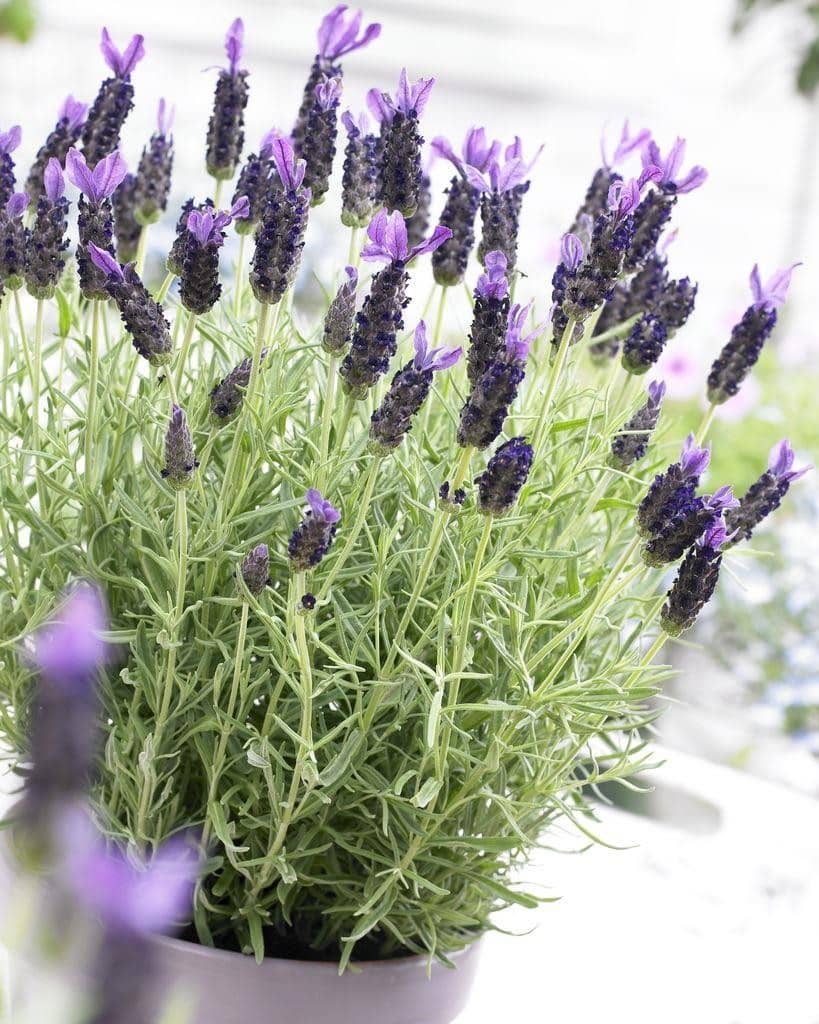
3. Lavender (Lavandula angustifolia)
Best for: Reducing anxiety, promoting better sleep, and natural fragrance
Lavender is renowned for its calming scent and therapeutic effects on stress, anxiety, and sleep quality. It’s a common ingredient in essential oils, bath products, and herbal teas—but the living plant offers benefits, too.
Health Benefits:
-
Naturally reduces cortisol levels (the stress hormone)
-
Promotes deeper sleep and helps with mild insomnia
-
May improve mood and reduce feelings of anxiety or depression
Care Tips:
-
Requires well-draining soil and lots of sunlight
-
Water deeply but infrequently (when the soil is nearly dry)
-
Best grown near sunny windows or under a grow light
Best placement: Bedroom or relaxation spaces where its scent can help promote calmness and rest.
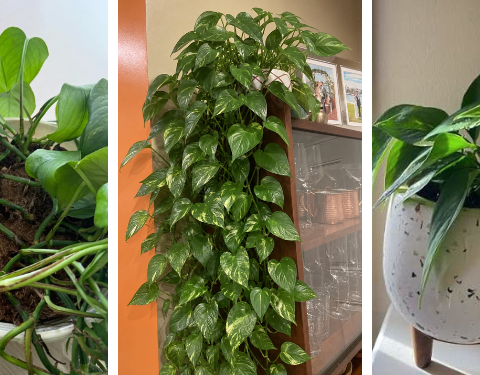
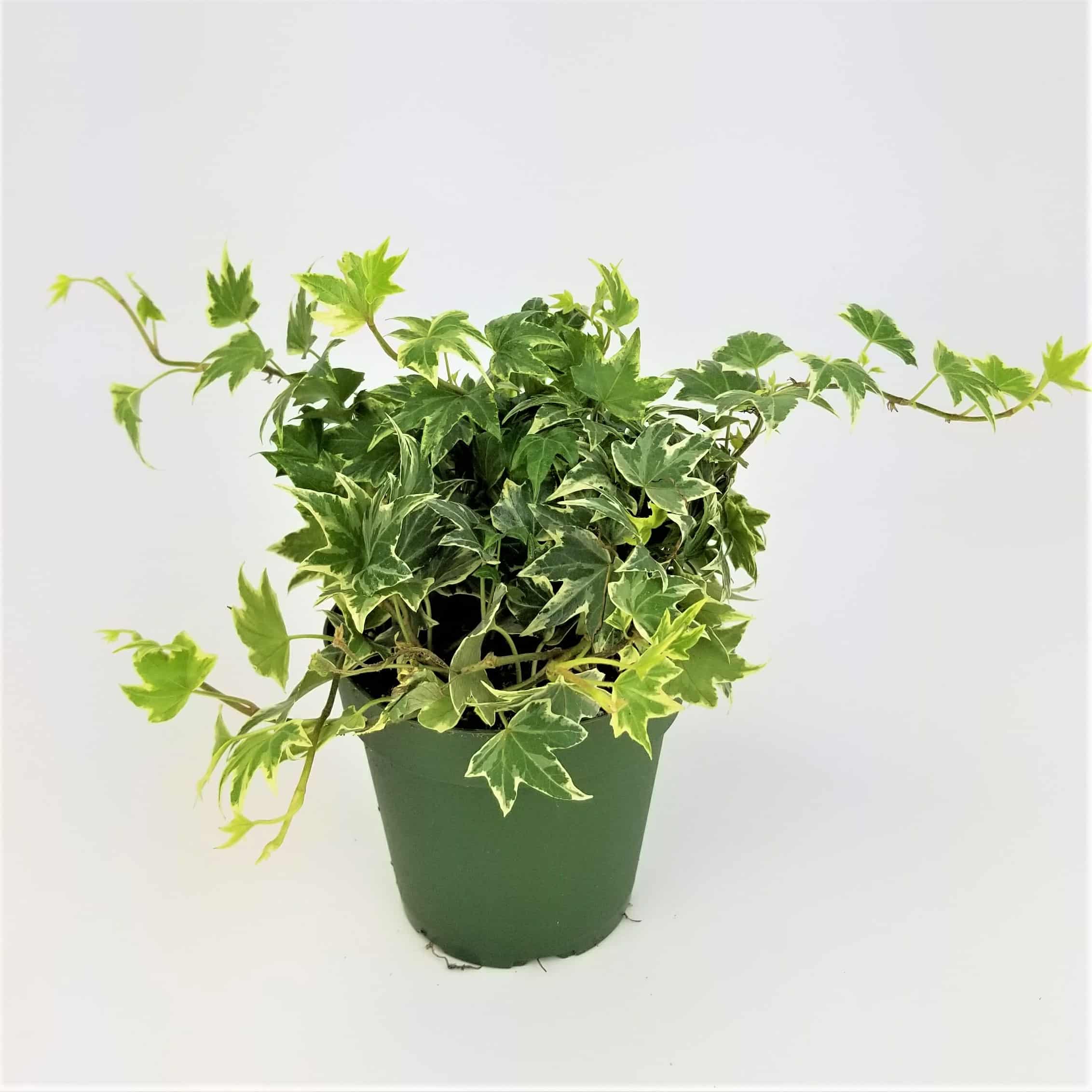
4. English Ivy (Hedera helix)
Best for: Reducing mold and airborne allergens
English Ivy is a natural air purifier that’s especially effective at reducing airborne mold spores—making it an ideal choice for those with asthma, allergies, or respiratory issues.
Health Benefits:
-
Removes up to 94% of airborne mold spores
-
Helps reduce formaldehyde and fecal particles from the air
-
Improves sleep quality and breathing when placed in bedrooms
Care Tips:
-
Grows well under fluorescent lighting; avoid direct sun
-
Keep soil consistently moist but not soggy
-
Can trail or climb, making it great for hanging baskets
Caution: Toxic if ingested—keep away from children and pets.
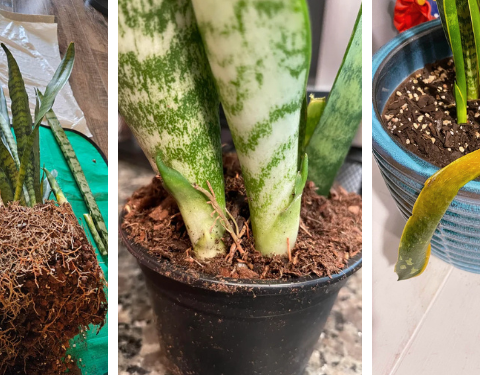
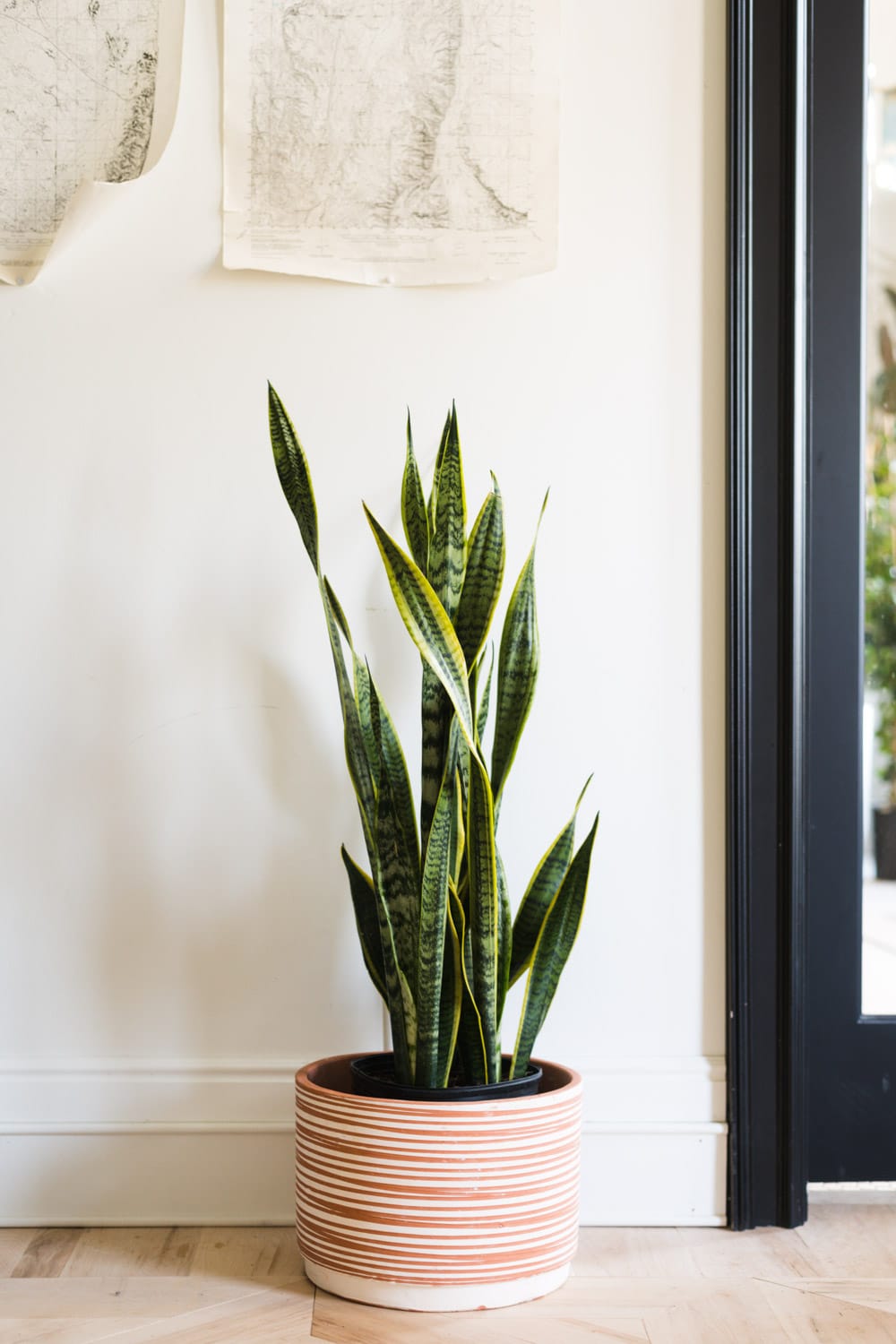
5. Snake Plant (Sansevieria trifasciata)
Best for: Nighttime oxygen boost and toxin removal
Also known as Mother-in-Law’s Tongue, the Snake Plant is one of the few houseplants that converts CO₂ into oxygen at night, making it a fantastic choice for bedrooms.
Health Benefits:
-
Filters indoor air by removing benzene, formaldehyde, toluene, xylene, and trichloroethylene
-
Enhances oxygen flow during sleep
-
Boosts humidity, helping alleviate dry skin and respiratory issues
Care Tips:
-
Tolerates low to bright indirect light
-
Let soil dry out completely between waterings
-
Extremely low maintenance and drought-tolerant
Expert Tip: For optimal air purification, keep 6–8 medium-to-large plants spread throughout the house.
6. Rosemary (Rosmarinus officinalis)
Best for: Cognitive performance and air quality
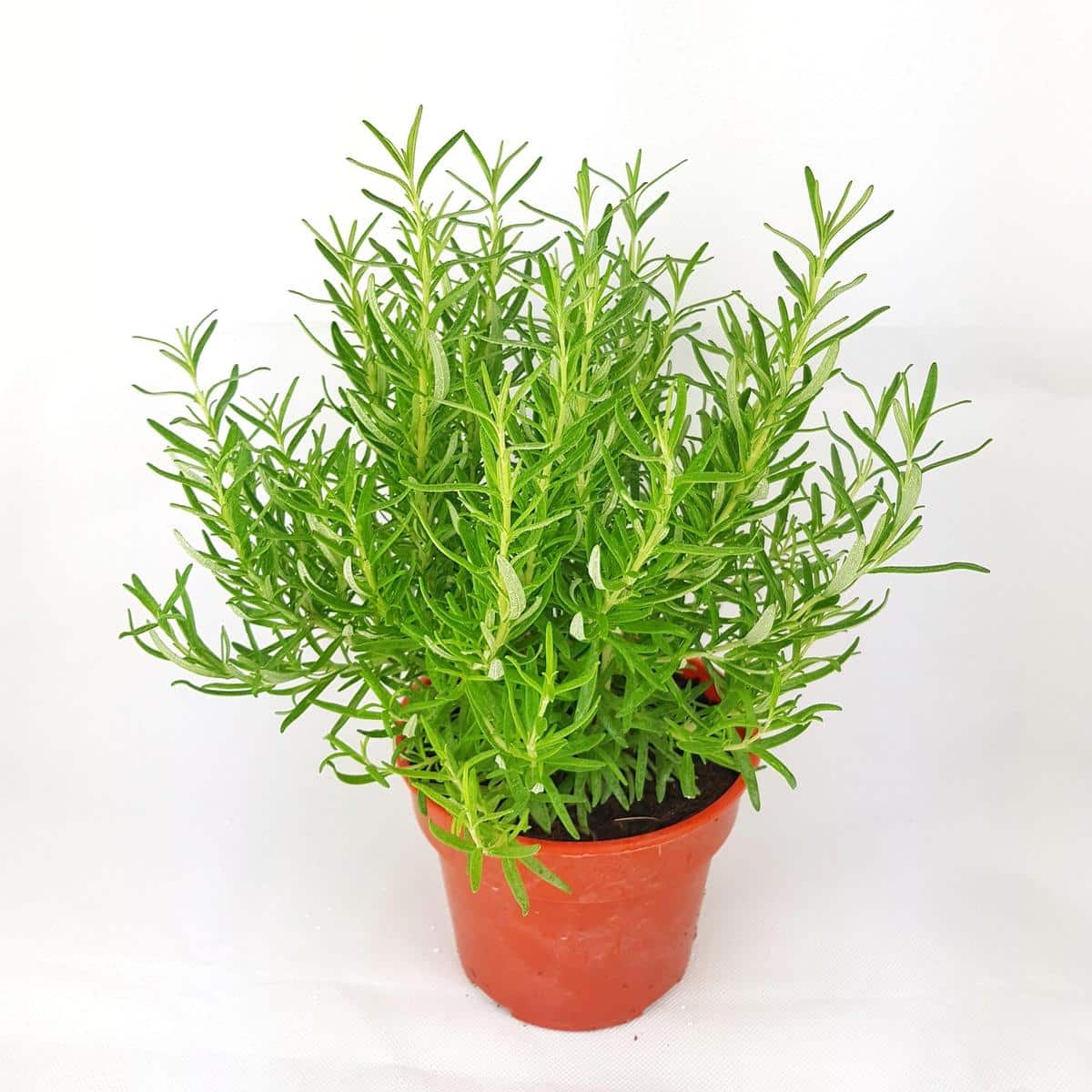
Rosemary isn’t just a culinary herb—it also acts as a mental stimulant. Studies suggest that its aroma can improve memory, alertness, and overall cognitive function.
Health Benefits:
-
Increases mental clarity and concentration
-
Acts as a natural air freshener with antimicrobial properties
-
Can be used in cooking for its nutritional and antioxidant properties
Care Tips:
-
Needs bright, direct sunlight
-
Water evenly, but allow the topsoil to dry slightly between watering
-
Prune regularly to encourage growth
Great for: Home offices, study spaces, or anywhere you need a mental boost.
7. Boston Fern (Nephrolepis exaltata)
Best for: Natural humidification and air detoxification
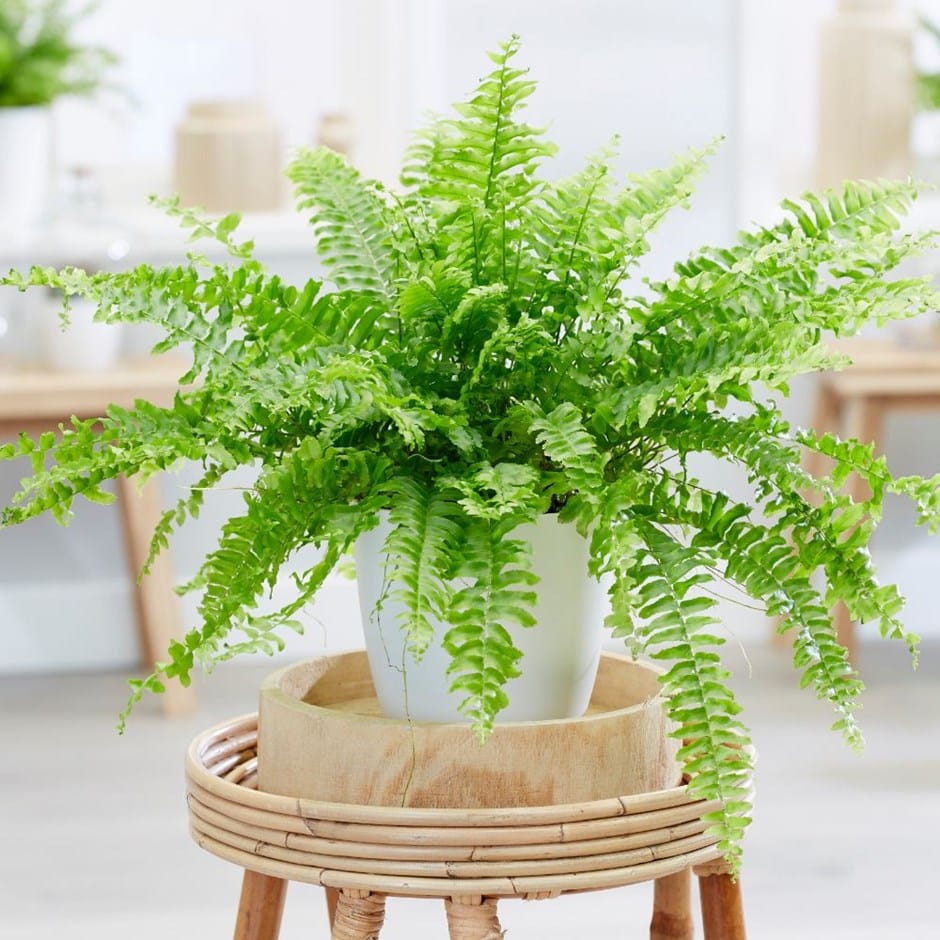
Boston Ferns are excellent natural humidifiers, making them perfect for people who suffer from dry skin, coughs, or allergies—especially in winter or in air-conditioned rooms.
Health Benefits:
-
Removes toxins like formaldehyde, xylene, and toluene
-
Increases indoor humidity, relieving respiratory discomfort
-
Helps maintain moisture in skin and sinuses
Care Tips:
-
Prefers indirect light and high humidity (50–80%)
-
Keep the soil moist, but not soggy
-
Mist daily or use a humidity tray
Best location: Bathrooms, bedrooms, or air-conditioned living rooms.
Houseplants are more than just decorative greenery—they’re natural air purifiers, stress relievers, and mood boosters.
By carefully selecting plants like Spider Plant, Lavender, and Snake Plant, you can create a healthier indoor environment while enjoying the aesthetic and therapeutic value they bring to your space.
From improving your air quality to enhancing your mental well-being, these houseplants are a small investment with big wellness returns.
So next time you’re plant shopping, think beyond beauty and ease—choose plants that help you feel better, breathe easier, and live healthier.