While most houseplants are admired for their lush green foliage and air-purifying qualities, African violets (Saintpaulia) are a bit different—their vibrant, velvety flowers are the true stars of the show.
These charming houseplants are known for their compact size, soft fuzzy leaves, and spectacular blooms that come in more than just the classic violet hue.
Although many people associate African violets with shades of purple, their delicate blossoms also appear in stunning shades of pink, white, blue, and even red.
Their ability to bloom year-round makes them a favorite for brightening up indoor spaces.
Though they’ve earned a reputation for being somewhat fussy, African violets are actually quite easy to grow once you understand their specific needs.
Here’s a detailed guide to help you grow and maintain happy, healthy, and flowering African violets indoors.
1. Use the Right Potting Soil
African violets don’t grow well in standard potting soil. Their roots are fine and delicate, and they thrive best in a light, airy, and well-draining soil mix that allows for good air circulation.
Recommended soil qualities:
-
Loamy and slightly acidic (pH between 6.0–6.5)
-
Loose texture that doesn’t compact around roots
-
Well-drained to prevent root rot
Best options:
-
Purchase a pre-made African violet potting mix
-
Or make your own: Mix equal parts peat moss, vermiculite, and perlite for a DIY blend
Avoid heavy garden soil or mixes that retain too much water.
2. Provide Ideal Light Conditions
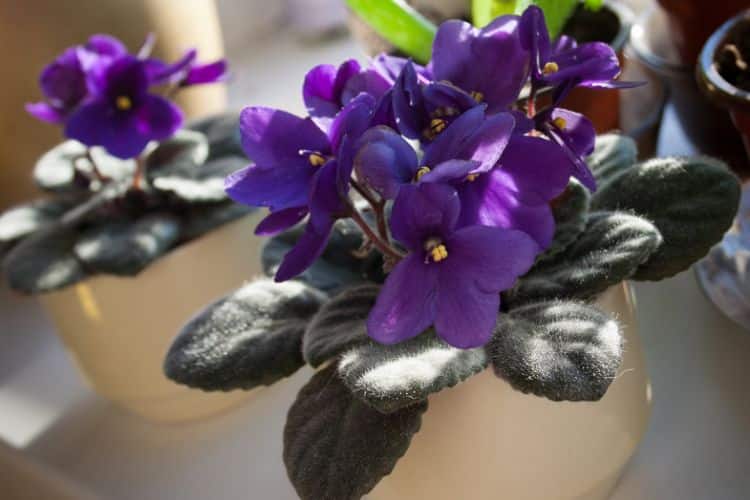
African violets love light—but not direct sunlight. Their soft, velvety leaves are prone to scorching when exposed to harsh rays, so the key is to give them bright, indirect light.
Light tips:
-
Place near an east- or north-facing window with filtered sunlight
-
In winter or low-light homes, use fluorescent or LED grow lights
-
Rotate the plant regularly for even growth
If your plant has dark green leaves and few or no blooms, it’s likely not getting enough light. Pale leaves can indicate too much exposure.
3. Water with Care (No Wet Leaves!)
Watering is where many growers go wrong. African violets prefer consistently moist soil, but they’re very sensitive to overwatering and cold water.
Watering tips:
-
Water when the top inch of soil feels dry
-
Always use room temperature or slightly warm water
-
Avoid getting water on the leaves—it can cause brown spots or leaf rot
-
Use bottom watering by placing the pot in a shallow dish of water for 20–30 minutes
-
Let excess water drain completely to prevent soggy roots
They also appreciate humidity, so if your home is dry, group your plants together or place them on a tray of moist pebbles to create a more humid microclimate.
4. Fertilize Frequently (But Gently)
African violets are heavy bloomers and need regular feeding to stay vibrant and full of flowers.
Fertilizing tips:
-
Use a low-nitrogen, high-phosphorus fertilizer (like 12-36-14 or similar)
-
Apply fertilizer lightly with each watering or every other week
-
Specialized African violet fertilizers are widely available, but a balanced houseplant fertilizer works fine when diluted
Avoid over-fertilizing—it can lead to salt buildup and harm the roots. If leaves appear brown at the tips, flush the soil with plain water to remove excess fertilizer salts.
5. Remove Spent Blooms to Encourage More Flowers
African violets can bloom nearly year-round with proper care. One of the best ways to keep them blooming continuously is to deadhead regularly.
How to remove old blooms:
-
Gently pinch or snip off fading flowers at the base of the stem
-
Remove any yellowing or wilted leaves as well
This redirects the plant’s energy to producing new buds, rather than maintaining dying flowers.
6. Re-Pot Once or Twice a Year
Even if your African violet seems happy in its pot, re-potting once or twice a year is essential to maintain healthy growth and prevent nutrient deficiencies.
Re-potting tips:
-
Replace the potting mix every 6–12 months
-
Choose a pot just slightly larger than the root ball (3–5 inches in diameter is usually enough)
-
Use fresh African violet mix each time to replenish nutrients
You don’t need to size up unless the plant is noticeably root-bound. Most African violets bloom best when slightly pot-bound, so don’t over-pot.
Bonus Tips for Thriving African Violets
Keep Them Warm—but Not Hot
-
Ideal temperature range: 65–75°F (18–24°C)
-
Avoid drafts and temperatures below 50°F (10°C), which can stunt growth or damage leaves
Provide Good Air Circulation
-
Keep air moving around the plant to prevent mold or fungal issues
-
Avoid placing them near air conditioning vents or heaters
Groom Your Plants
-
Remove damaged or excess leaves to improve airflow and keep the plant neat
-
African violets naturally grow in a rosette shape—maintain that structure for optimal blooming
African violets may seem finicky at first, but once you understand their basic needs—light, warmth, water, and gentle care—you’ll find they’re among the most rewarding flowering houseplants to grow.
With the right attention, these little beauties can brighten your windowsill with colorful, velvety blooms all year long.
Whether you’re a houseplant beginner or an experienced indoor gardener, African violets are a wonderful addition to your collection—and worth every bit of effort.