Growing herbs is one of the most satisfying ways to garden. Not only do fresh herbs elevate home cooking, but many are also beautiful, fragrant, and easy to grow even if you’re short on space.
Whether you’re planning a lush kitchen garden outdoors or a small herb pot on your windowsill, knowing a few key tips can help ensure your herbs thrive and deliver exceptional flavor.
Here are six essential secrets every gardener should know for growing delicious herbs all year long.
1. Grow the Herbs You Actually Use
Before buying seeds or plants, think about the herbs you cook with most often. Do you love Italian cuisine? Basil, oregano, and thyme might be must-haves. Prefer Asian flavors? Consider lemongrass, Thai basil, or cilantro.
Each herb has different growing requirements. For example, mint comes in hundreds of varieties, ranging from sweet spearmint to citrusy orange mint.
But remember: mint spreads aggressively in the garden, so it’s usually best grown in containers to keep it contained.
By choosing herbs you truly use in the kitchen, you’ll avoid wasted space and enjoy a fresh supply of your favorites right at your fingertips.
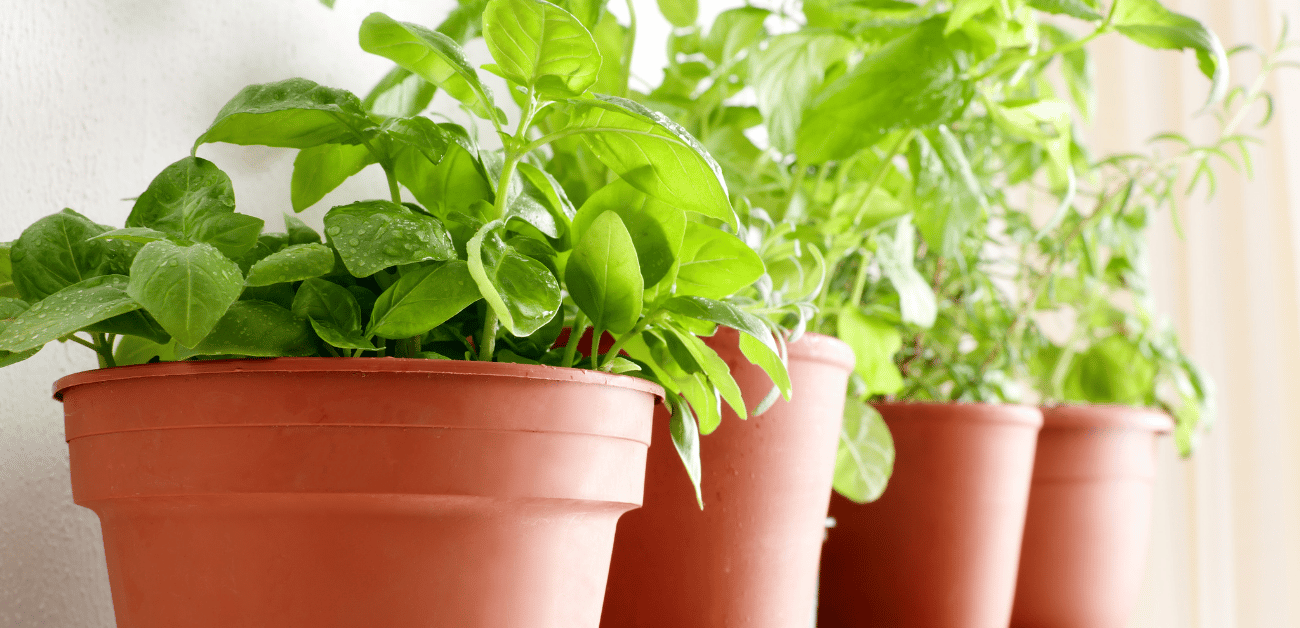
2. Avoid Overly Rich Soil for Better Flavor
Many gardeners assume that rich, nutrient-dense soil is the key to lush, healthy herbs. However, too much fertility can actually dull the essential oils that give herbs their aromatic flavors.
Most herbs prefer:
- Well-draining soil
- Moderate fertility rather than excessive nutrients
- Neutral to slightly alkaline pH (typically 6.0-7.5)
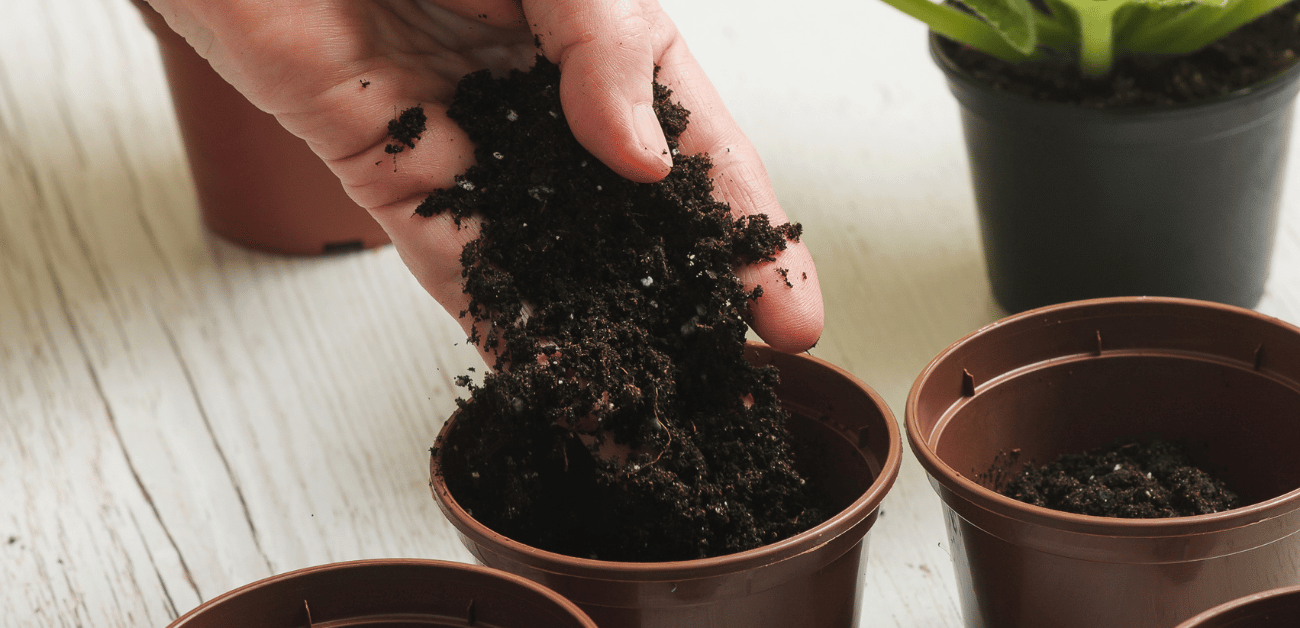
For container planting, use a quality potting mix containing peat moss or coconut coir for good drainage and aeration.
Avoid heavy garden soil or mixes rich in compost for most Mediterranean herbs like rosemary, thyme, and oregano, which thrive in leaner soil.
If you’re planting herbs in the ground, improve drainage by adding coarse sand or small gravel to your planting beds.
3. Start with Young Plants for a Faster Harvest
While growing herbs from seed is satisfying, it can be time-consuming, particularly for beginners. Many herbs, like rosemary, sage, or thyme, germinate slowly and take months to mature.
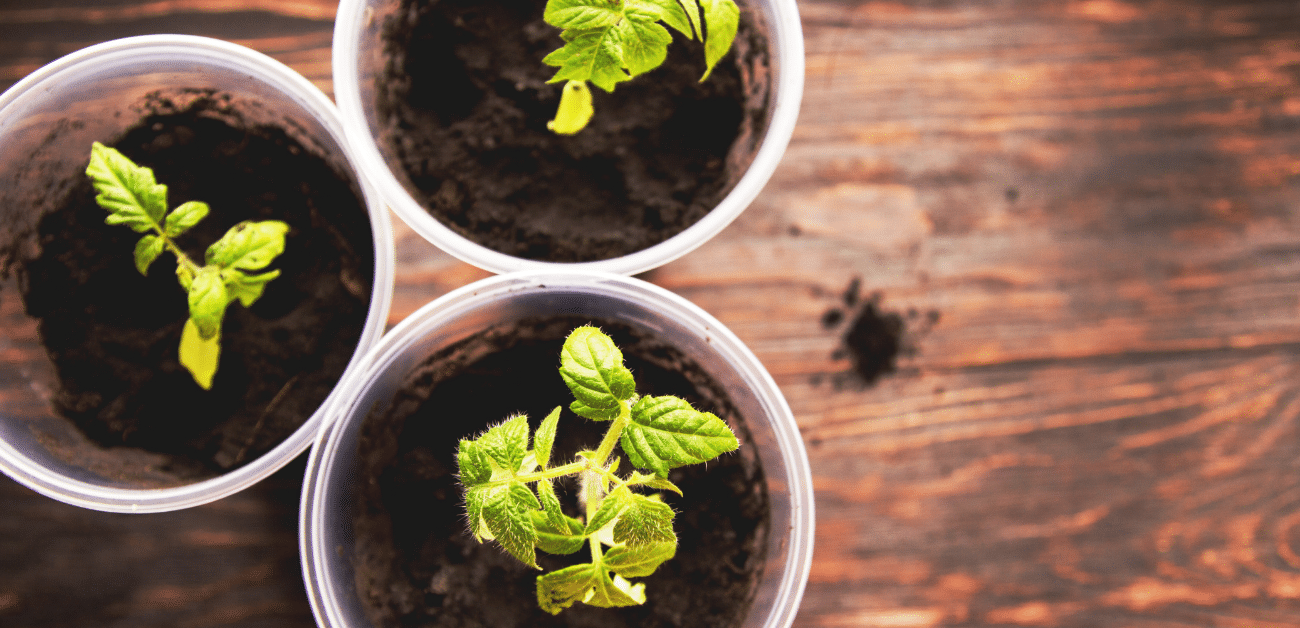
Buying small starter plants or nursery-grown seedlings can save weeks of waiting. They’re often inexpensive and give you a head start on the growing season.
If you’re feeling adventurous or want rare varieties, start seeds indoors about 6-8 weeks before the last frost. Use a seed-starting mix and keep seedlings under bright grow lights to encourage sturdy growth.
4. Pruning and Pinching Are Key to Abundant Harvests
Pruning herbs isn’t just for appearance – it’s essential for keeping plants productive and flavorful.
Regularly pinching back herb stems prevents flowering, which can make leaves bitter and reduce essential oil production.
- Basil: Pinch off flower buds and harvest the tops of stems to encourage bushy growth.
- Dill: Harvest leaves early, as letting it flower can reduce leaf production.
- Oregano and thyme: Trim stems often to maintain shape and stimulate new growth.
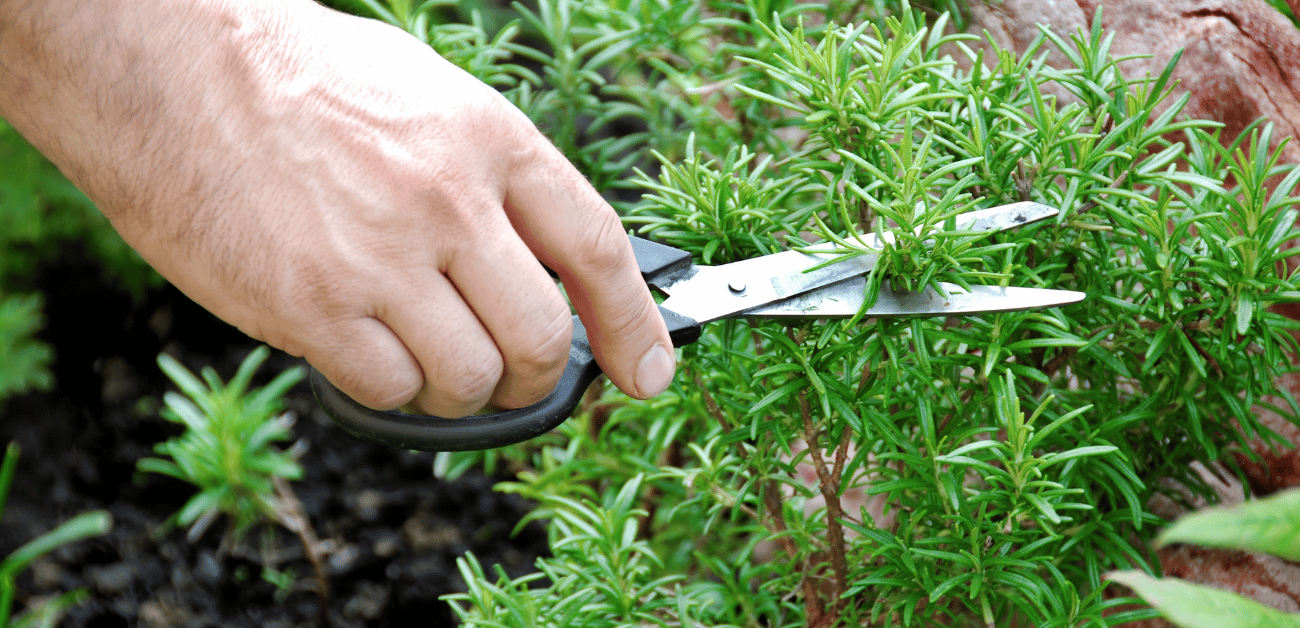
When harvesting, always cut stems just above a set of leaves. This encourages the plant to split into two new branches, doubling your harvest potential over time.
5. Propagate Herbs to Expand Your Garden
Many herbs can be easily multiplied through cuttings, saving you money and letting you share plants with friends.
To propagate:
- Choose healthy, non-flowering stems about 3-4 inches long.
- Remove lower leaves, leaving only a few at the top.
- Place the stem in a glass of water or directly into moist potting soil.
- Keep the cuttings in bright, indirect sunlight.
Roots typically develop within two weeks. Once well-rooted, transplant the new herb into its own pot or garden bed.
Some herbs, like chives and mint, can also be divided by digging up and separating clumps every few years.
6. Give Herbs Plenty of Sunlight
Sunlight is critical for growing flavorful herbs. Most herbs originate from sunny regions and need at least 4-6 hours of direct sun per day for optimal growth and strong essential oil production.
- Outdoor herbs thrive best in full sun locations.
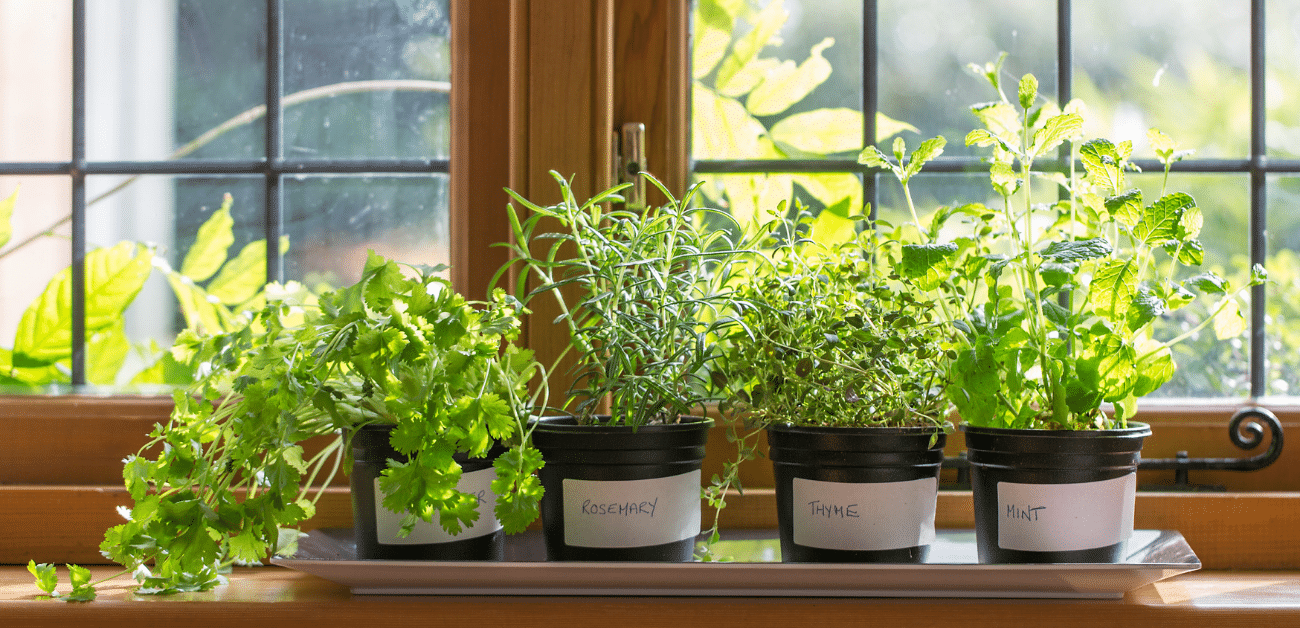
- If growing indoors, place pots near a bright, south- or east-facing window.
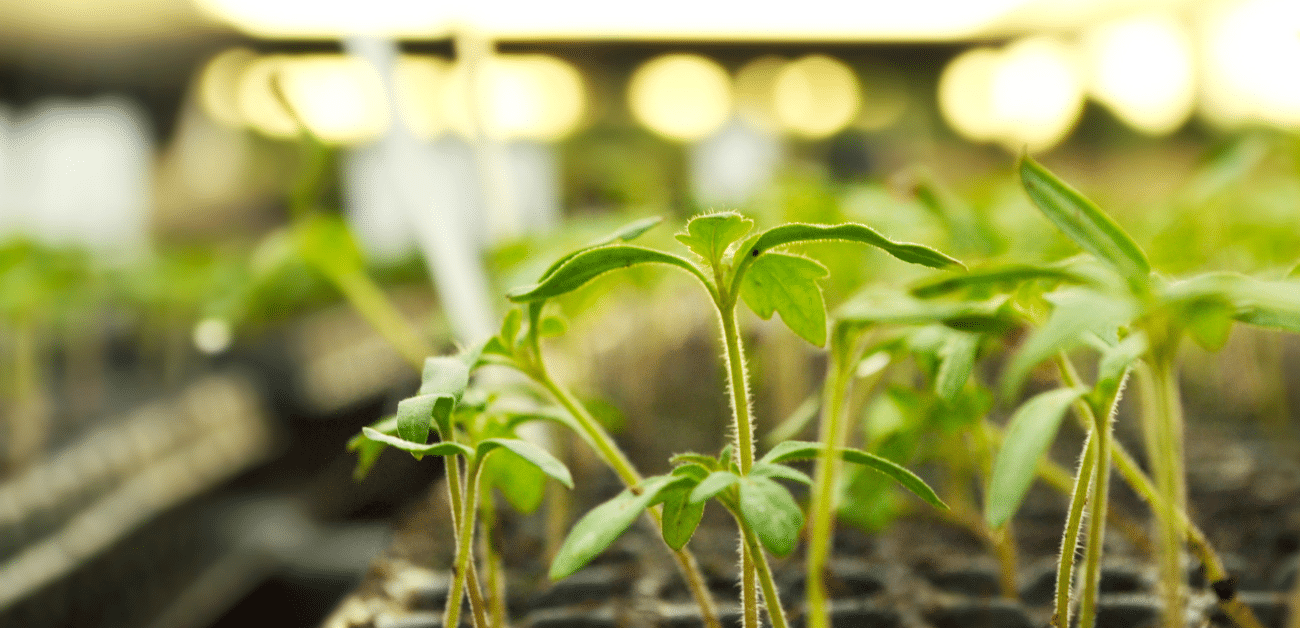
- Supplement with grow lights if natural light is insufficient, especially in winter.
Herbs grown in too much shade often become leggy, weak, and less aromatic.
Bonus Tips for Herb Gardening Success
Watering
- Most herbs prefer slightly dry soil over being waterlogged.
- Water deeply but less often to encourage strong roots.
- Check soil moisture before watering by sticking your finger an inch into the soil.
Fertilizing
- Feed lightly. Too much fertilizer reduces flavor.
- A monthly application of diluted, balanced fertilizer is usually enough for container-grown herbs.
Harvesting
- Harvest regularly to keep plants producing.
- Never remove more than one-third of the plant at a time to avoid stressing it.
Overwintering
- Many tender herbs like basil will not survive frost.
- Move potted herbs indoors before the first cold snap.
- Rosemary, oregano, and thyme can often overwinter outdoors in milder climates.
Growing herbs is one of the most rewarding parts of gardening. With these simple but powerful secrets, you’ll enjoy vibrant, aromatic herbs that elevate your cooking and bring beauty and fragrance to your home all year round.