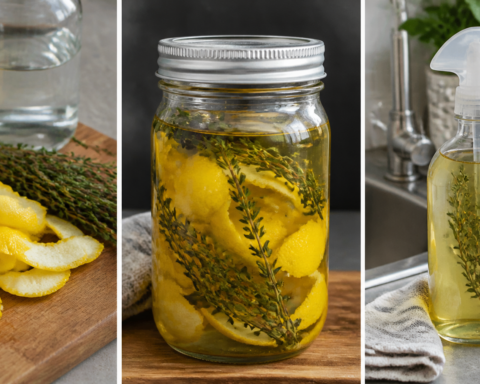
Lemons are an indispensable staple in kitchens worldwide, prized for their bright acidity, cleansing citrus aroma, and culinary versatility.
However, standard fresh lemons pose a common kitchen dilemma: they spoil surprisingly fast on the counter, dry out in the refrigerator crisper drawer, and yield only a fraction of their total potential when squeezed solely for juice.
Freezing lemons completely changes the game. When you freeze whole lemons, you preserve their peak freshness for months while unlocking the ability to use the entire fruit – peel, pith, and pulp – without generating a single gram of food waste.
Here is a detailed breakdown of 5 compelling reasons why freezing lemons belongs in your kitchen routine, the scientific benefits of doing so, and step-by-step instructions on how to freeze lemons effectively at home.
1. You Get 5 to 10 Times More Antioxidants from the Peel
When most people use a fresh lemon, they squeeze out the juice and discard the spent yellow rind into the trash or compost. In doing so, they throw away the most nutritionally dense part of the fruit.
-
Polyphenol Concentration: The outer skin (the flavedo) and inner white pith (albedo) contain significantly higher concentrations of antioxidant bioflavonoids than the juice alone.
-
D-Limonene & Salvestrols: Lemon peels are loaded with d-limonene, a powerful monoterpene compound studied for its anti-inflammatory and cellular protective properties, as well as salvestrol Q40 and limonoids.
-
Vitamin C Boost: The rind contains up to 5 to 10 times more Vitamin C and dietary fiber per gram than lemon juice. Freezing softens the cell walls of the peel, making it effortless to grate whole frozen lemons over meals, salads, and smoothies.
2. Zero Food Waste and Long-Term Money Savings
Fresh citrus fruits often fall victim to bulk grocery shopping. Buying a bag of lemons seems cost-effective, but if half of them turn soft or moldy before you can use them, the savings evaporate.
-
Extended Shelf Life: Whole frozen lemons stay fresh in the freezer for 6 to 9 months without losing their aromatic flavor or acidic potency.
-
On-Demand Portioning: Instead of cutting open a fresh lemon for a single recipe—leaving the remaining half to dry out in the fridge—you can simply grate or thaw exactly as much frozen lemon as you need, keeping the rest safely preserved.
3. Frozen Lemons Are Far Easier to Grate and Zest
Zesting a soft, room-temperature fresh lemon can be a slippery, frustrating chore that often results in clogged microplanes or scraped knuckles.
Freezing fundamentally transforms the physical structure of the fruit. Once fully frozen solid, the moisture inside the cellular matrix hardens, turning the entire lemon into a firm, easy-to-handle block.
You can grate whole frozen lemons – skin, seeds, and all – into fine, snow-like shavings that blend seamlessly into hot tea, morning oatmeal, salad dressings, pasta, and baked goods.
Fresh vs. Frozen Lemon Preservation Matrix
| Feature / Metric | Room Temperature Lemons | Refrigerated Lemons | Frozen Whole Lemons |
| Typical Shelf Life | 7–10 Days | 3–4 Weeks | 6–9 Months |
| Flavedo/Peel Utilization | Low (often discarded) | Moderate (if zested prior) | 100% Fully Usable |
| Ease of Grating | Moderate (soft/flexible skin) | Moderate | Exceptional (solid matrix) |
| Juice Extraction Yield | Standard | Standard | Higher (broken cell walls) |
| Nutrient Preservation | Degrades over time | Slow degradation | Locked at peak levels |
4. Unlocks Maximum Juice Yield Upon Thawing
If you prefer using pure liquid juice for cooking, baking, or morning lemon water, freezing lemons actually improves juice extraction.
When water freezes, it expands into ice crystals. These microscopic ice crystals puncture the dense internal plant cell walls (juice vesicles) inside the lemon pulp.
When a frozen lemon thaws back to room temperature, those ruptured cell walls release their liquid freely, yielding up to 20% to 30% more juice with minimal squeezing effort compared to a firm, un-frozen lemon.
5. Instant Culinary Elevation for Daily Meals
Having a supply of frozen lemons ready in your freezer provides a quick, convenient way to elevate everyday dishes with bright acidity and essential oils.
-
Savory Dishes: Grate frozen whole lemon directly over roasted vegetables, grilled fish, chicken piccata, or warm pasta dishes just before serving.
-
Beverages & Smoothies: Toss a small chunk of whole frozen lemon directly into your morning high-speed blender smoothie or drop frozen lemon slices into iced water to serve as flavor-infusing ice cubes.
-
Baking & Desserts: Fold grated frozen lemon shavings into muffin batters, cake frosting, or yogurt bowls for a vivid citrus kick without adding excess liquid.
How to Freeze Lemons: 4 Simple Methods
Depending on how you plan to use your lemons, choose one of these four straightforward methods:
How to Use Your Frozen Lemons
-
For Grating: Pull a whole frozen lemon directly from the freezer. Using a fine microplane or box grater, shave as much of the fruit as you need over your dish. Return the un-grated remainder back to the freezer immediately.
-
For Squeezing Juice: Place a frozen whole lemon in a bowl of warm water for 10 to 15 minutes, or microwave it on low power for 15 to 20 seconds to thaw. Squeeze as usual to extract maximum juice.
By adopting the simple habit of washing and freezing whole lemons, you eliminate food waste, save money, and gain effortless access to the most antioxidant-rich parts of the fruit whenever you cook.