One of the best ways to protect your garden from unwanted insects and pests is also the most natural—planting pest-repelling plants.
Unlike chemical sprays that can harm pollinators, contaminate soil, or pose risks to pets and children, certain plants offer an eco-friendly solution to pest control.
Some herbs and flowers produce natural compounds that deter common garden pests, making them powerful allies in any garden.
Whether you’re growing vegetables, herbs, or flowers, incorporating these plants can reduce infestations, promote biodiversity, and keep your garden healthy without synthetic pesticides.
In this article, we’ll explore five powerful pest-repelling plants and how to use them effectively in your garden layout for maximum benefit.
Why Use Pest-Repelling Plants in Your Garden?
Companion planting—growing plants together to enhance growth, protect against pests, or improve flavor—is a time-tested method used by gardeners for centuries.
Many plants emit natural oils or aromas that repel insects like aphids, mosquitoes, beetles, whiteflies, and even larger garden invaders like rabbits and deer.
Benefits of Pest-Repelling Plants:
- Natural, non-toxic protection for your crops and flowers
- Safe for pollinators like bees and butterflies
- Reduces reliance on chemical pesticides
- Often useful as culinary herbs or ornamental plants
- Improves garden biodiversity and soil health
Now let’s dive into the top five pest-repelling plants and how to grow and use them effectively.
1. Basil (Ocimum basilicum)
Repels: Mosquitoes, whiteflies, aphids, spider mites, flies
Best Grown With: Tomatoes, peppers, cabbage, beans
Basil is a culinary favorite and powerful pest deterrent. Its strong scent confuses and repels many harmful insects, especially mosquitoes. Basil also enhances the growth and flavor of certain vegetables like tomatoes and peppers.
How to Use It:
- Plant basil near tomato plants to deter whiteflies and hornworms.
- Use basil containers around outdoor dining areas to keep flies and mosquitoes away.
- Create a homemade insect repellent by steeping fresh basil leaves in hot water, straining, and mixing with a little rubbing alcohol in a spray bottle.
Growing Tips:
- Prefers full sun and well-drained soil.
- Pinch back leaves regularly to promote bushier growth.
- Avoid overwatering to prevent fungal diseases.
2. Marigold (Tagetes spp.)
Repels: Aphids, nematodes, whiteflies, cabbage moths, mosquitoes
Best Grown With: Tomatoes, potatoes, squash, beans, kale
Marigolds are easy-to-grow annuals known for their bright colors and ability to deter garden pests naturally.
Their strong scent repels many insects, and the roots of some varieties release compounds that kill harmful nematodes in the soil.
How to Use It:
- Plant marigolds around the borders of your vegetable garden to create a protective barrier.
- Use them in containers near entryways or patios to help deter mosquitoes.
- Choose French marigolds for nematode control in soil.
Growing Tips:
- Full sun and moderately fertile soil are ideal.
- Deadhead regularly to extend bloom time.
- Avoid overcrowding to reduce disease risk.
3. Lavender (Lavandula angustifolia)
Repels: Moths, fleas, flies, mosquitoes, ticks
Best Grown With: Cabbage, rosemary, thyme, roses
Lavender is prized for its aromatic scent and calming properties, but it’s also highly effective at repelling pests like mosquitoes and moths. Its oil contains linalool and camphor, both natural insect deterrents.
How to Use It:
- Plant lavender near seating areas or doorways to keep mosquitoes at bay.
- Place dried lavender sachets in drawers or closets to repel moths and fleas.
- Use lavender essential oil diluted in water as a natural insect spray for skin or garden use.
Growing Tips:
- Requires full sun and well-drained soil.
- Prefers dry conditions—avoid overwatering.
- Prune back after flowering to maintain shape and encourage growth.
4. Mint (Mentha spp.)
Repels: Ants, aphids, cabbage moths, beetles, fleas, rodents
Best Grown With: Broccoli, kale, cabbage, carrots, peas
Mint is a vigorous grower and a strong natural pest deterrent, especially effective against ants and aphids. Its pungent aroma masks the scent of nearby crops, confusing insect pests.
How to Use It:
- Plant mint in containers to control its invasive growth while benefiting nearby crops.
- Scatter mint leaves around vegetable beds or crush them and sprinkle near pest-prone plants.
- Make a mint spray by soaking chopped mint in water overnight and straining it into a spray bottle.
Growing Tips:
- Best grown in partial sun or shade.
- Contain roots with pots or grow in raised beds to prevent spreading.
- Harvest regularly to keep plants under control.
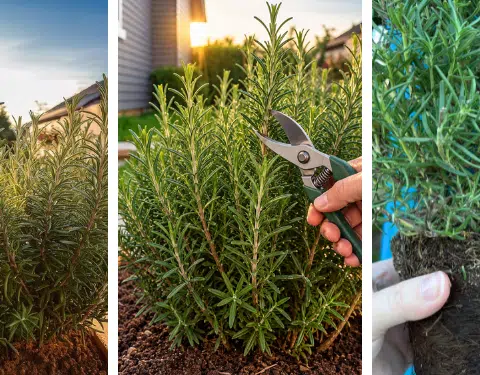
5. Rosemary (Salvia rosmarinus)
Repels: Cabbage moths, carrot flies, mosquitoes, slugs
Best Grown With: Beans, carrots, cabbage, sage
Rosemary is not just a delicious herb for cooking—it’s also an excellent pest repellent. Its woody fragrance wards off several common garden pests and is particularly helpful in protecting brassicas (like cabbage and broccoli) from moth infestations.
How to Use It:
- Plant rosemary around the perimeter of vegetable beds.
- Burn sprigs of rosemary in outdoor fire pits to repel mosquitoes during summer gatherings.
- Infuse rosemary in water to make a natural spray repellent for garden pests.
Growing Tips:
- Prefers full sun and well-drained, slightly alkaline soil.
- Allow the soil to dry out between waterings.
- Prune after flowering to maintain shape and encourage new growth.
Tips for Using Pest-Repelling Plants Effectively
To get the most out of these natural repellents, consider these best practices:
1. Practice Companion Planting
Place pest-repelling plants near the crops they help protect. For example, basil near tomatoes, rosemary near cabbage, and mint near kale or broccoli.
2. Diversify Your Garden
Interplant different herbs and flowers among vegetables to create confusion for pests and reduce large-scale infestations.
3. Use Containers Strategically
Plants like mint and basil are easy to grow in pots. Position these containers near entryways, patios, or problem areas to protect your home and outdoor spaces.
4. Keep Plants Healthy
A healthy plant is more resilient to pests. Ensure proper spacing, sunlight, soil drainage, and regular watering to keep your pest-repelling plants thriving.
5. Use the Plants in Multiple Forms
Dried herbs, essential oils, and even crushed leaves can all be used in DIY natural sprays or sachets for added pest protection inside the home or greenhouse.
Nature offers powerful tools to keep our gardens healthy and thriving.
By incorporating plants that naturally repel pests into your garden design, you not only reduce your reliance on harmful chemicals but also create a more balanced and beautiful growing environment.
Whether you’re fending off mosquitoes, protecting your vegetables from aphids, or keeping cabbage moths at bay, these five plants—basil, marigold, lavender, mint, and rosemary—are must-haves for any eco-conscious gardener.
With the right placement and a little care, you can enjoy a vibrant, pest-resistant garden all season long.