

Gardening is a labor of love. From prepping the soil to sowing seeds, pulling weeds, watering, and harvesting—it takes time, energy, and commitment.
And for many gardeners, it’s bittersweet when the growing season ends and everything you worked for is pulled up and tossed aside.
But what if you could reduce your workload and still enjoy delicious, homegrown food year after year?
That’s where perennial and self-sustaining crops come in. Unlike annuals, which must be replanted each season, these crops keep producing for multiple years with minimal upkeep—saving you time and increasing your garden’s long-term yield.
If you’re planning your spring garden, consider these five permanent crops that will reward your efforts with consistent, flavorful harvests.
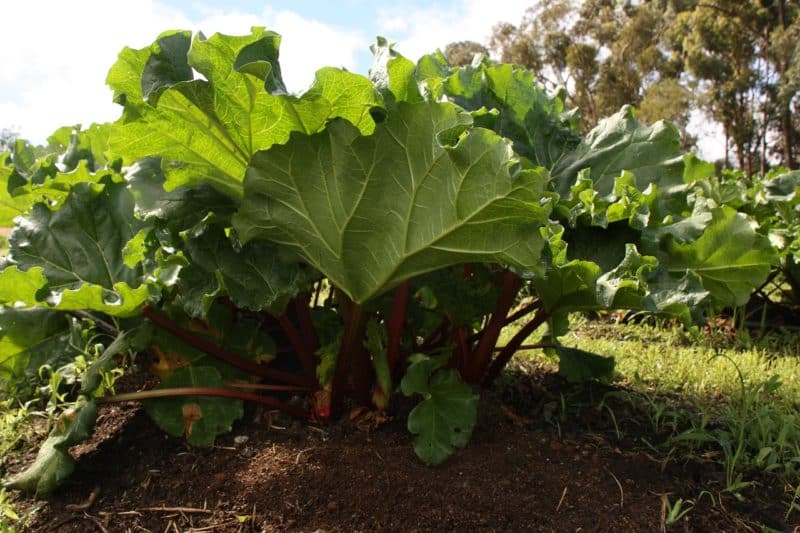
1. Rhubarb (Rheum rhabarbarum)
Why It’s Worth Planting:
Rhubarb is one of the first food plants to emerge in early spring, often ready for harvest when other crops are just getting started. Its tart stalks are prized in pies, sauces, jams, and preserves.
Growing Tips:
-
Zone: Best in USDA Zones 3–8
-
Sunlight: Full sun to partial shade
-
Soil: Well-draining, rich in organic matter
-
Spacing: 3–4 feet apart
Plant established crowns (roots that are 1–3 years old) in early spring, and you may be able to harvest by the next season.
Rhubarb can thrive for 15 years or more with proper care. Just remember: only the stalks are edible—the leaves are toxic and should be discarded.
Harvest Tip:
Don’t harvest the first year to let roots develop. By year two or three, you’ll be pulling thick, juicy stalks every spring.
2. Horseradish (Armoracia rusticana)
Why It’s Worth Planting:
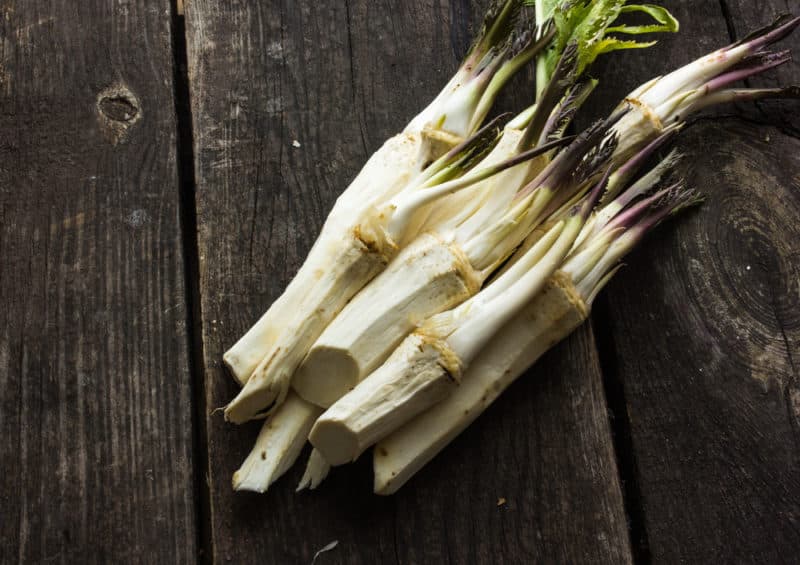
Horseradish is a hardy perennial root vegetable known for its pungent flavor. It adds a fiery kick to sauces, marinades, and roasts.
Once planted, horseradish grows quickly and can become a reliable crop for decades—but it needs to be contained!
Growing Tips:
-
Zone: USDA Zones 3–9
-
Sunlight: Full sun preferred, tolerates partial shade
-
Soil: Loamy and well-drained
-
Spacing: Plant root cuttings 18–24 inches apart
Because horseradish can spread aggressively, it’s best to plant it in containers or isolated garden beds.
Regular watering and weeding will help the roots grow deeper and thicker, which translates into more potent flavor when harvested.
Harvest Tip:
Harvest in late fall or early spring. Leave a few small roots in the soil to regrow for the next season.
3. Chives (Allium schoenoprasum)
Why It’s Worth Planting:
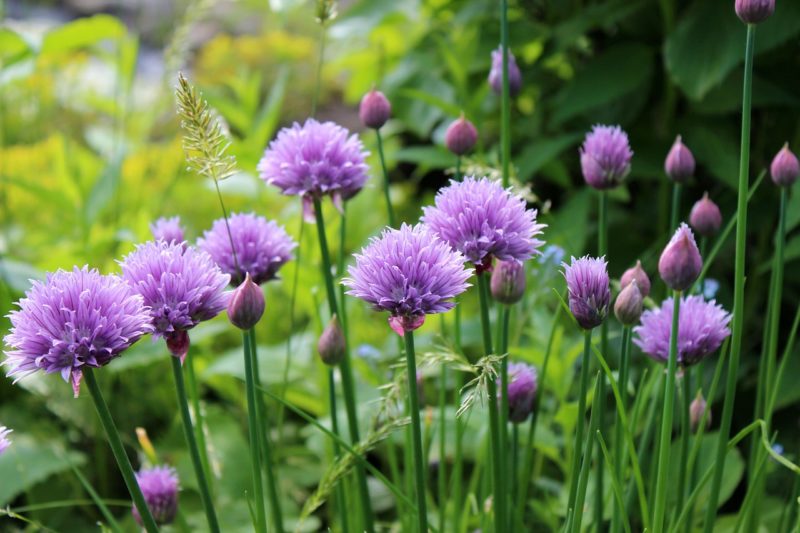
Chives are one of the easiest edible perennials to grow, and they’re incredibly versatile in the kitchen.
Their onion-like flavor enhances everything from soups and salads to eggs, dips, and baked potatoes. Plus, they produce attractive purple blooms that pollinators love.
Growing Tips:
-
Zone: USDA Zones 3–10
-
Sunlight: Full sun to light shade
-
Soil: Moist, well-draining, enriched with compost
-
Spacing: 8–12 inches apart
Chives grow well in pots, raised beds, or directly in garden soil. They also thrive indoors on a sunny windowsill, making them ideal for year-round growing in small spaces.
Bonus:
Chives repel pests like aphids and Japanese beetles, making them excellent companions for other crops like carrots, tomatoes, and strawberries.
Harvest Tip:
Cut leaves from the base as needed, and the plant will continue to grow back all season long.
4. Asparagus (Asparagus officinalis)
Why It’s Worth Planting:
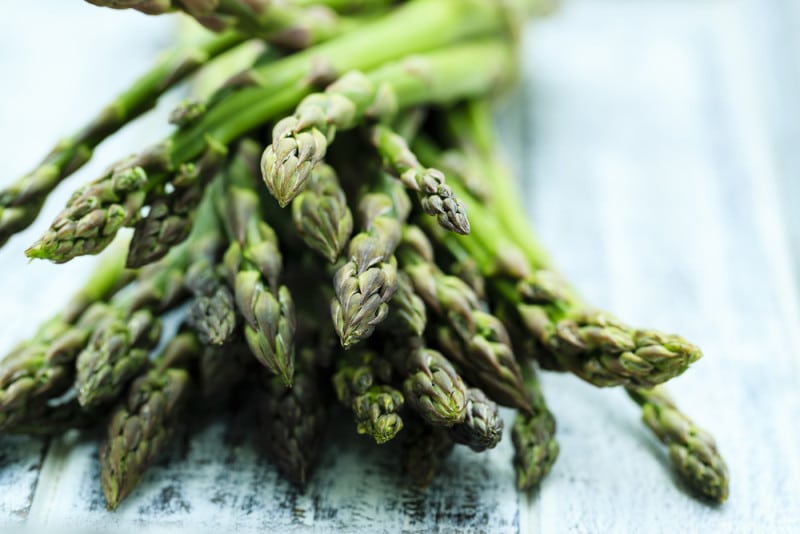
Asparagus is one of the best long-term crops you can grow. Though it requires some patience to get started, a well-cared-for asparagus bed can produce for 15–20 years or more.
The tender green spears are a springtime delicacy, packed with nutrients and flavor.
Growing Tips:
-
Zone: USDA Zones 3–8
-
Sunlight: Full sun
-
Soil: Deep, well-draining soil with lots of organic matter
-
Spacing: Rows should be 3 feet apart; plants 12–18 inches apart
Start with one- or two-year-old crowns for quicker harvests. Keep the bed well-weeded, especially during the first year. Mulching helps with moisture retention and weed control.
Harvest Tip:
Avoid harvesting the first two years to allow the plants to establish. From year three onward, enjoy tender shoots in early spring for 6–8 weeks.
Fun Fact: Asparagus can be canned, pickled, or frozen for year-round use.
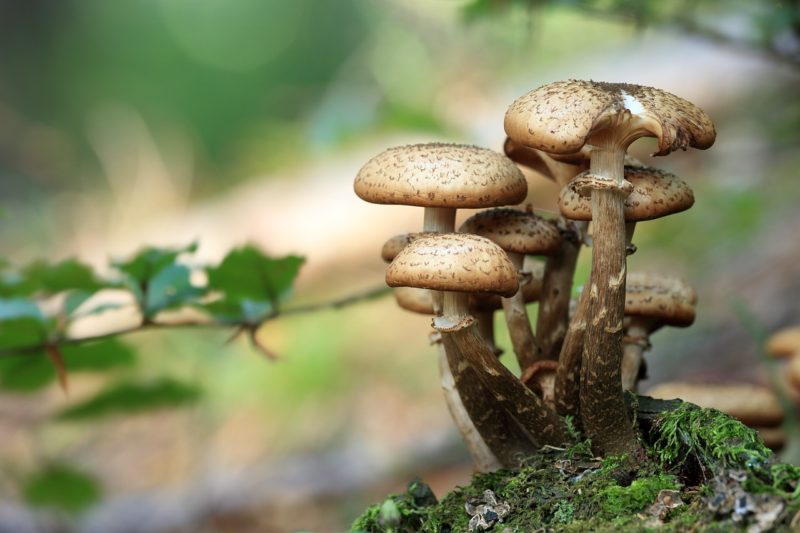
5. Mushrooms (Various Species)
Why It’s Worth Planting:
If you have a shady corner of your yard, a wooded area, or even some logs or stumps, you can grow mushrooms—one of the most underrated yet highly nutritious crops.
Shiitake, oyster, and portobello mushrooms are all excellent choices for home cultivation.
Growing Tips:
-
Environment: Cool, moist, shaded areas
-
Mediums: Hardwood logs, stumps, wood chips, or composted straw
-
Method: Inoculate with mushroom spawn or plugs
Shiitake and oyster mushrooms grow well on inoculated logs, while others (like wine cap) can be grown by scattering spawn over wood chips or compost. Once established, mushroom beds can yield for several years with little maintenance.
Harvest Tip:
Keep the area moist and shaded. Once mushrooms start growing, they’ll be ready to harvest in a matter of days. Replenish the substrate or re-inoculate every few years to keep the supply going.
While many crops require replanting every season, these permanent crops offer a reliable way to maximize your harvest and minimize your workload.
By integrating perennials like rhubarb, horseradish, chives, asparagus, and mushrooms into your garden plan, you’re building a more sustainable and productive growing space that pays off year after year.
Not only will these crops help you save money and time, but they’ll also provide fresh, healthy food for your family with very little effort once they’re established.


