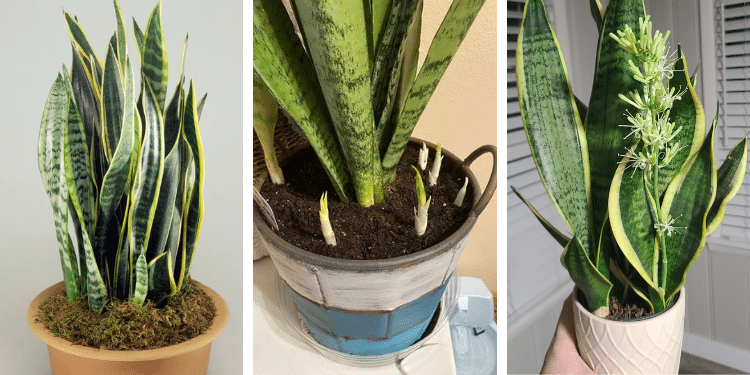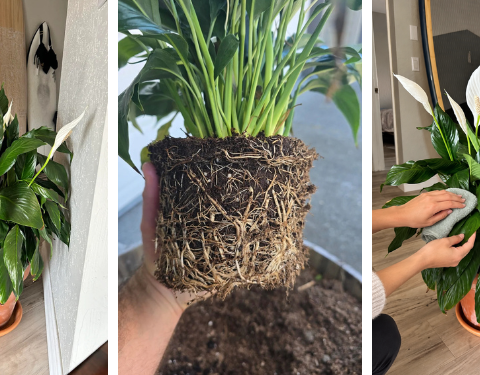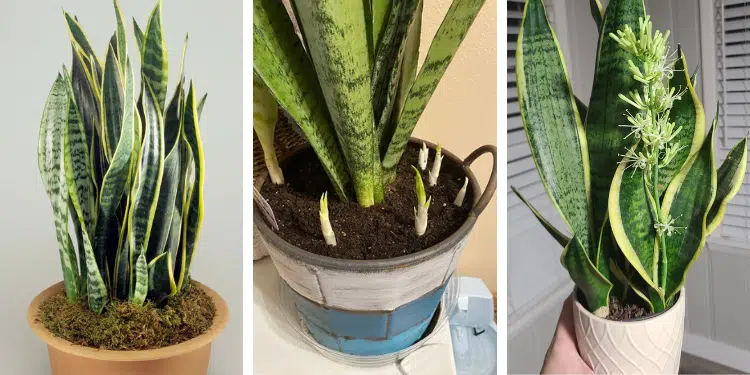
The snake plant (Sansevieria or Dracaena trifasciata) is one of the toughest and most forgiving houseplants you can grow. Known for its striking upright leaves, air-purifying abilities, and tolerance for neglect, it’s often called the “unkillable plant.”
But as the temperatures drop and winter approaches, even this hardy houseplant has its limits. November marks a key transition month when colder weather, shorter days, and drier air can silently stress your snake plant – leading to drooping leaves, root rot, or even death if not cared for properly.
To keep your plant healthy and beautiful through the colder months, here are five crucial mistakes to avoid this November, along with expert tips to help your snake plant thrive indoors all winter long.
1. Overwatering During Dormancy
If your snake plant starts looking a bit sluggish in November, don’t panic – it’s entering its dormant phase. Growth naturally slows as daylight decreases, meaning the plant uses less water.
Unfortunately, many plant owners make the mistake of watering on their summer schedule, which can be fatal in cooler months.
Why It’s a Problem:
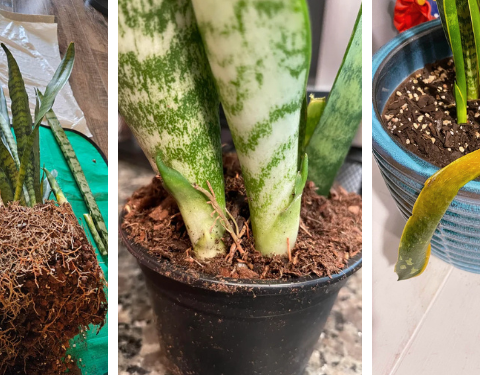
Snake plants store water in their thick, fleshy leaves and roots. When you overwater during cold, slow-growth months, excess moisture sits in the soil, leading to root rot – the number one killer of snake plants in winter.
Warning Signs:
- Mushy, yellowing, or drooping leaves
- A musty smell from the soil
-
Roots that appear brown or slimy when checked
How to Fix It:
- Water only when the soil is completely dry – often every 3 to 4 weeks in winter.
- Always use a pot with drainage holes and discard any excess water from the saucer.
-
If in doubt, wait another week before watering. Snake plants handle dryness far better than soggy roots.
Pro Tip: Use your finger or a moisture meter to test the soil. The top 2–3 inches should be bone-dry before watering again.
2. Letting It Sit in the Cold
Snake plants are tropical natives, which means they hate cold drafts and chilly air. While they can tolerate a range of indoor conditions, temperatures below 50°F (10°C) can damage their cells and cause irreversible leaf damage.
Why It’s a Problem:
Cold exposure leads to soft, mushy spots on leaves and can shock the roots, stunting growth or even killing the plant.
How to Fix It:
- Keep your snake plant away from cold windowsills, doors, or anywhere with drafts.
- Avoid placing it near air conditioning vents or heaters that cause sudden temperature fluctuations.
-
Ideal temperature range: 65–85°F (18–29°C) during the day and not below 55°F (13°C) at night.
Pro Tip: If your plant is near a window, move it a few feet inward during cold nights, or place a curtain between the glass and the plant for insulation.
3. Forgetting About Light Changes
In November, the days grow shorter and sunlight intensity decreases. While snake plants are famous for tolerating low light, too little light for too long weakens them, leading to faded colors, slower growth, and leaning leaves.
Why It’s a Problem:
When light levels drop too much, your snake plant’s ability to photosynthesize slows dramatically. This not only affects growth but also makes the plant more susceptible to rot and pest problems.
How to Fix It:
- Move your snake plant closer to a bright, indirect light source – east- or south-facing windows are best in winter.
- Rotate your plant every couple of weeks to promote even growth.
-
If your home is particularly dark in winter, consider using a full-spectrum LED grow light for 10–12 hours a day.
Pro Tip: Avoid placing your snake plant in direct sunlight from low winter windows – cold glass and harsh rays can scorch the leaves.
4. Using the Wrong Potting Mix
Another hidden danger during colder months is poor drainage. Snake plants are succulents by nature and thrive in loose, fast-draining soil.
Using heavy potting soil that retains too much moisture will trap water around the roots, especially when indoor temperatures are lower.
Why It’s a Problem:
Wet soil + cool air = the perfect breeding ground for fungus, rot, and mold.
How to Fix It:
Use a succulent or cactus mix, or make your own by combining:
- 2 parts coarse sand or perlite
- 1 part regular potting soil
- 1 part orchid bark or pumice
Repot your plant every 2–3 years to refresh the soil and remove decomposed material. Avoid using decorative pots without drainage holes.
Pro Tip: If your snake plant is in a decorative pot, keep it inside a smaller plastic nursery pot with drainage and remove it for watering.
5. Ignoring Humidity and Air Quality
Snake plants are low-maintenance, but they still prefer stable air conditions. As heating systems kick on in November, indoor air becomes drier, while stagnant air can encourage pest infestations like spider mites or mealybugs.
Why It’s a Problem:
- Dry air can cause crispy leaf tips and slow recovery from watering.
-
Poor air circulation allows pests and fungus to spread unnoticed.
How to Fix It:
- Keep humidity around 30–50% – the average level most homes already maintain.
- Occasionally wipe leaves with a damp cloth to remove dust and increase humidity slightly.
-
Use a small fan on low speed nearby to keep air moving gently.
Pro Tip: Never mist snake plants – excess moisture on leaves during cold months can lead to fungal issues. Instead, use a humidifier if your air feels overly dry.
Bonus Tip: Don’t Fertilize in November
Snake plants rest during late fall and winter. Feeding them now can upset their natural rhythm and lead to fertilizer burn.
Why It’s a Problem:
Extra nutrients aren’t absorbed efficiently during dormancy, leading to salt buildup in the soil and damaged roots.
The Fix:
- Stop fertilizing from November through March.
-
Resume feeding lightly in spring with a balanced liquid fertilizer diluted to half strength.
Quick Winter Care Checklist for Snake Plants
| Task | Frequency | Key Tip |
|---|---|---|
| Watering | Every 3–4 weeks | Let soil dry completely |
| Light | Bright, indirect | Use grow light if needed |
| Temperature | 65–85°F (18–29°C) | Avoid cold drafts |
| Humidity | 30–50% | No misting needed |
| Fertilizing | Skip until spring | Resume in March or April |
Common Questions About Snake Plant Winter Care
Can snake plants survive winter near windows?
Yes, but only if the window area doesn’t get too cold. Avoid direct contact with cold glass or nighttime drafts.
Should I prune yellow leaves in winter?
Yes – remove yellow or mushy leaves at the base with sterile scissors. This prevents rot from spreading.
Can I propagate snake plants in November?
Propagation is possible, but rooting is slower in winter. For faster results, wait until spring when growth resumes.
Snake plants are famously resilient, but even the toughest houseplants need seasonal adjustments. November is the month to shift from active growth care to winter protection mode.