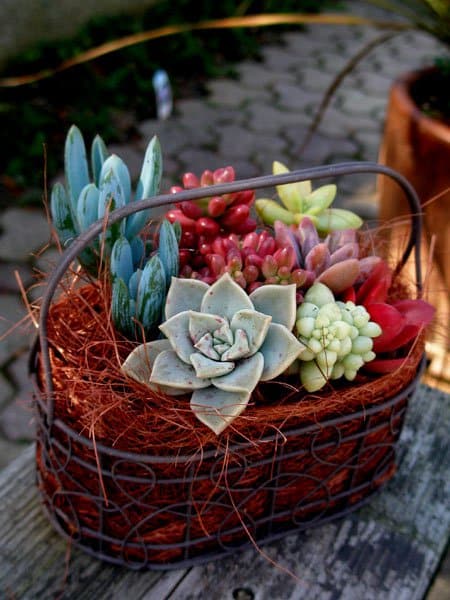
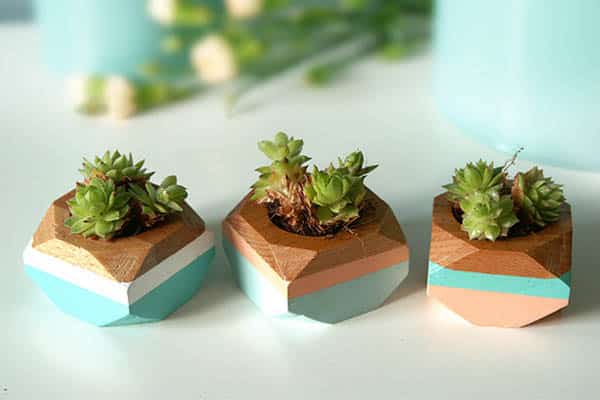
Succulents are one of the easiest and most resilient plants to grow, making them perfect for gardeners of all levels.
Their ability to store water in their leaves allows them to thrive in dry climates with minimal maintenance.
However, growing healthy and vibrant succulents requires more than just planting them in the soil. To ensure they flourish, follow these three smart tips for growing succulents in your yard.
1. Choose the Right Soil and Location
Why It’s Important:
Succulents require well-draining soil to prevent root rot, their most common enemy. Poor soil that retains water can cause the roots to become soggy and lead to disease.
How to Do It:
- Use Well-Draining Soil – Opt for a cactus or succulent potting mix, or create your own by combining sand, perlite, and regular garden soil.
- Pick a Sunny Location – Succulents need at least 6 hours of direct sunlight daily to thrive. If you live in an extremely hot climate, provide partial shade during peak afternoon hours to prevent sunburn.
- Elevate the Soil – If your yard has poor drainage, consider planting succulents in raised beds or rock gardens to improve water flow and prevent pooling.
Best Succulents for Outdoor Growing:
- Aloe Vera
- Agave
- Sedum
- Echeveria
- Sempervivum (Hens and Chicks)
2. Water Sparingly and Smartly
Why It’s Important:
Overwatering is the fastest way to kill succulents. Unlike other plants, succulents store water in their leaves and stems, allowing them to survive drought conditions.
How to Do It:
- Follow the “Soak and Dry” Method – Water deeply but only when the soil is completely dry. Stick your finger 2 inches into the soil—if it feels dry, it’s time to water.
- Water Early in the Morning or Late in the Evening – This reduces evaporation and allows the roots to absorb moisture more efficiently.
- Adjust Watering Based on Season – Water succulents once a week in summer and reduce watering to once a month in winter, as they enter a dormant phase.
🔹 Pro Tip: Use a watering can with a narrow spout or a drip irrigation system to target the base of the plant and prevent excessive moisture on leaves, which can lead to fungal infections.
3. Protect Against Pests and Extreme Weather
Why It’s Important:
Succulents are generally low-maintenance, but they can still be affected by pests and harsh weather conditions.
How to Do It:
- Watch for Common Pests – Mealybugs, aphids, and spider mites can damage succulents by sucking sap from their leaves. If you notice tiny white or sticky spots, treat them with a diluted neem oil spray or rubbing alcohol on a cotton swab.
- Shield from Extreme Weather – While succulents can withstand heat, prolonged exposure to scorching sun can cause sunburn. If temperatures drop below freezing, cover them with frost cloths or bring potted succulents indoors.
- Use Mulch for Protection – A layer of gravel or sand around the base of the plants can help regulate temperature and prevent soil erosion in heavy rains.
Best Succulents for Cold Climates:
- Stonecrop Sedum
- Sempervivum
- Yucca
- Ice Plant
- Hardy Opuntia (Prickly Pear Cactus)
Growing healthy and vibrant succulents in your yard is easy when you follow these three essential tips.
By choosing the right soil and location, watering correctly, and protecting against pests and extreme weather, your succulents will thrive year-round with minimal effort.
🌵 Which succulents are you growing in your yard? Share your experiences and tips in the comments below! 🌿
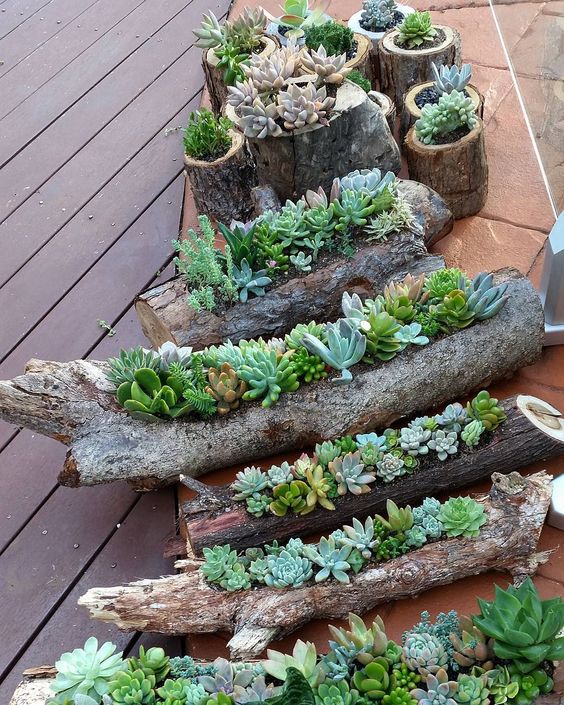
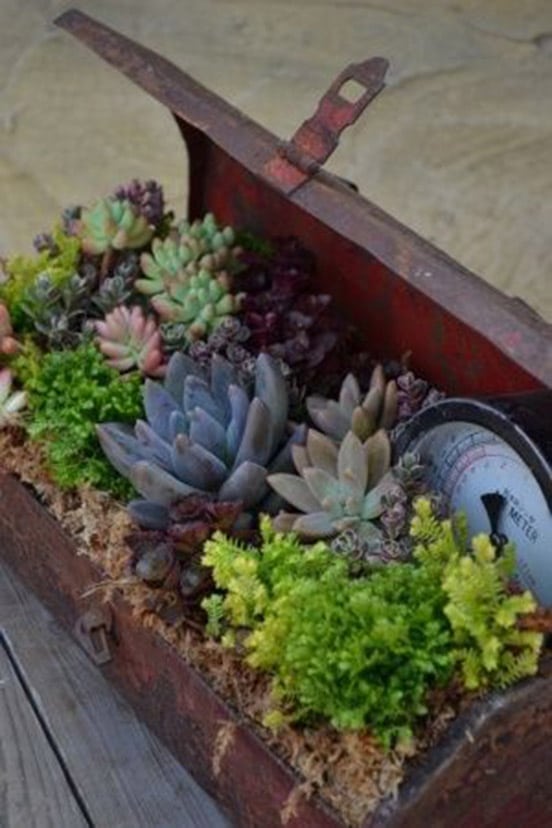
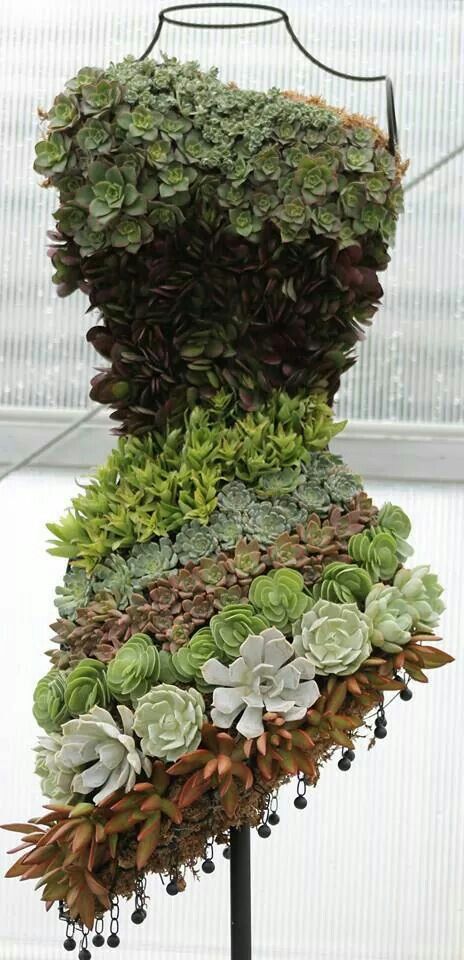
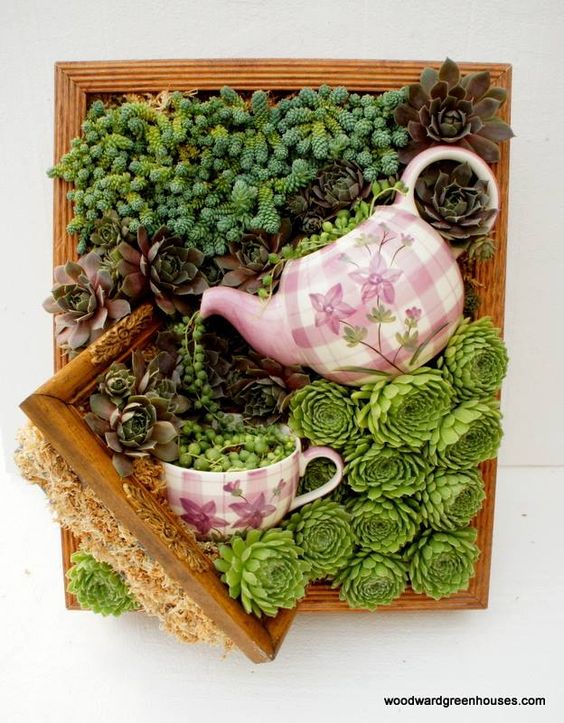
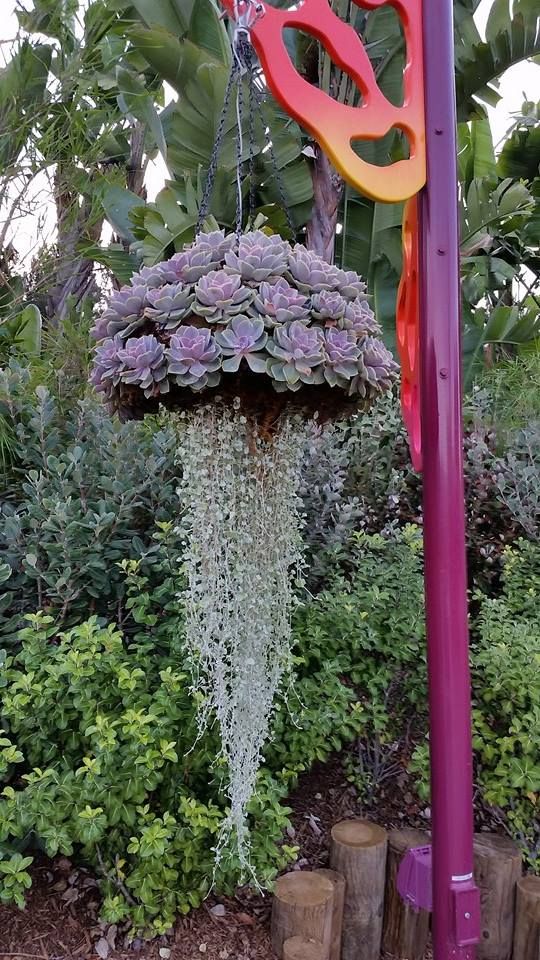
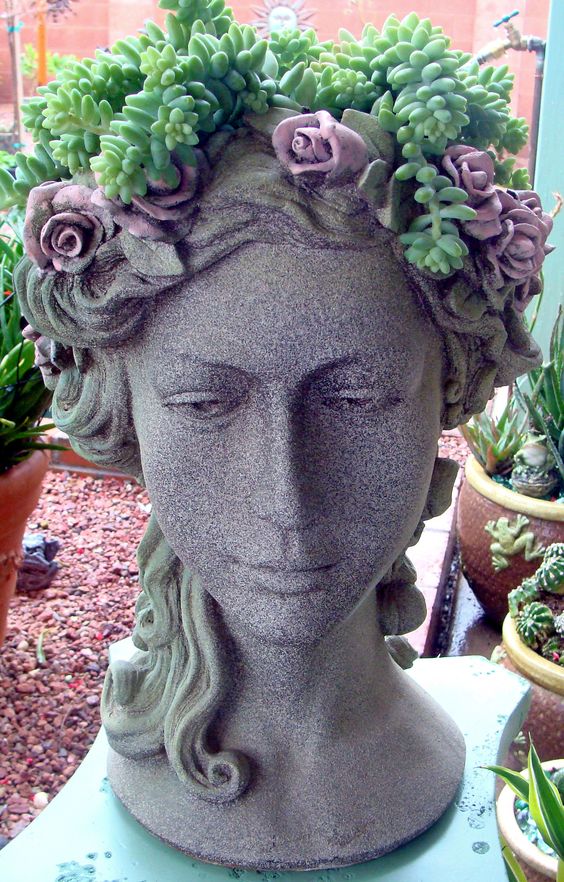
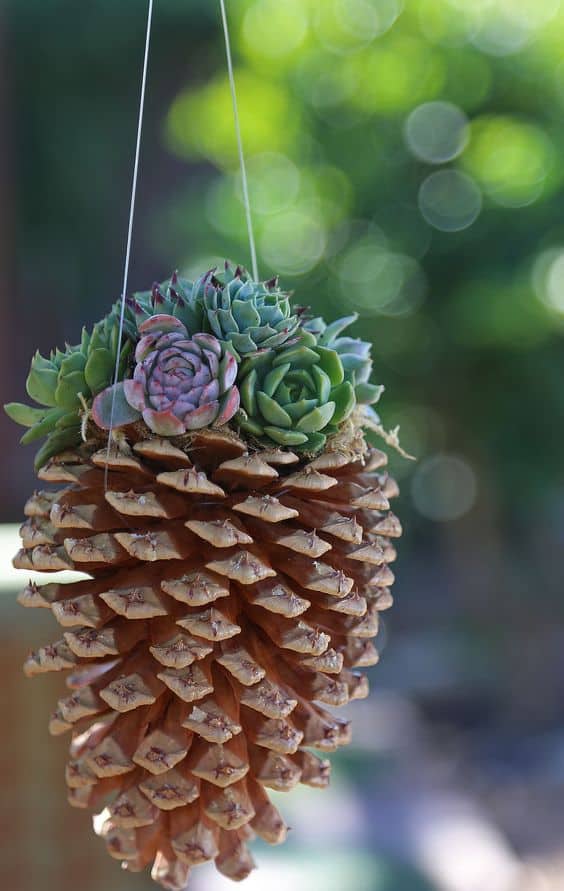
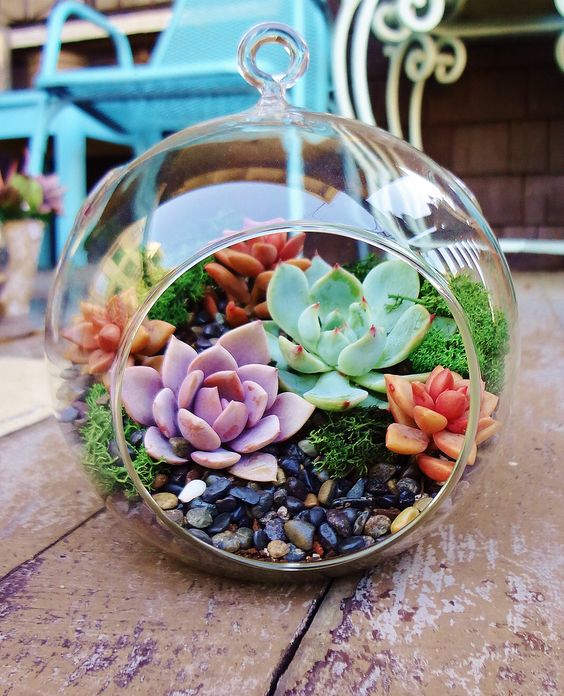
Beautiful Succulent Planter Alternatives