Every few months, a simple wellness habit seems to take over conversations online. Recently, one of the most talked-about trends is a 3-day herbal tea routine – a short, gentle reset using a sequence of plant-based infusions.
Unlike extreme cleanses or complicated protocols, this approach is built on something much simpler: hydration, consistency, and the natural properties of herbs.
That’s exactly why it’s gaining attention. It’s easy to follow, doesn’t require expensive products, and fits into everyday life.
But what actually makes this routine effective? And what happens in your body when you follow it for three days?
What Is the 3-Day Herbal Tea Routine?
At its core, this routine involves drinking specific herbal teas over three days with the goal of supporting the body’s natural processes.
It’s not about detoxing in the dramatic sense. Instead, it focuses on:
- Supporting digestion
- Improving hydration
- Encouraging balance
Each day typically emphasizes different types of herbs that work in complementary ways.
Why It’s Getting So Much Attention
There are several reasons this routine is trending.
First, it’s simple. You don’t need a long list of ingredients or a strict meal plan.
Second, it feels achievable. Three days is short enough to commit to, which makes people more likely to try it.
Third, it produces noticeable – but realistic – changes. Many people report feeling lighter, more hydrated, and more balanced after completing it.
This combination of simplicity and accessibility makes it appealing in a world full of complex wellness advice.
What Happens in Your Body Over 3 Days
The changes that happen during this routine are subtle but meaningful.
On the first day, your body begins to adjust to increased fluid intake. Digestion may feel more active, and hydration improves.
By the second day, consistency begins to show. The digestive system often feels more balanced, and energy levels may stabilize.
By the third day, the cumulative effect becomes more noticeable. Many people describe feeling lighter, less bloated, and more refreshed.
These changes are not dramatic transformations – they are the result of supporting the body’s natural rhythm.
Day 1: Supporting Digestion and Activation
The first day focuses on gently stimulating digestion.
Common herbs used:
- Ginger
- Peppermint
- Lemon balm
These herbs are known for their ability to support digestive comfort.
Drinking these teas throughout the day helps:
- Warm the digestive system
- Reduce bloating
- Prepare the body for better nutrient processing
This is not about forcing change – it’s about encouraging movement where there may have been sluggishness.
Day 2: Hydration and Balance
By the second day, the focus shifts toward hydration and gentle support.
Common herbs used:
- Chamomile
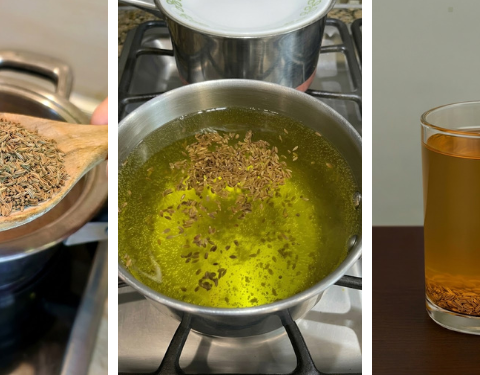
- Fennel
- Dandelion leaf
These herbs are often associated with:
- Fluid balance
- Mild digestive support
- A calming effect
At this stage, the body is already more hydrated, which allows these herbs to work more effectively.
People often notice:
- A more stable feeling
- Reduced heaviness
- Improved comfort after meals
Day 3: Gentle Reset and Restoration
The third day focuses on maintaining balance and allowing the body to settle.
Common herbs used:
- Green tea (lightly brewed)
- Nettle
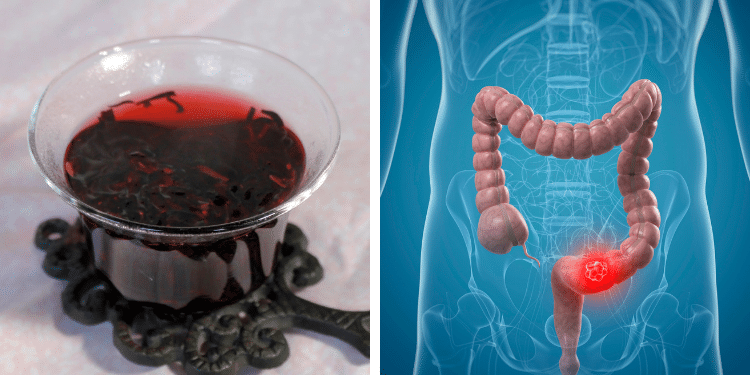
- Hibiscus
These teas provide a mix of antioxidants and light stimulation without overwhelming the system.
By this point, the body has had three days of consistent hydration and support.
This can lead to:
- A refreshed feeling
- More consistent energy
- A sense of lightness
Why This Routine Feels Effective
The effectiveness of this routine comes from a few key factors.
Consistency
Drinking tea multiple times a day increases fluid intake, which alone can improve how the body feels.
Simplicity
There are no drastic changes or restrictions, making it easier to follow.
Gentle Support
Herbs work with the body rather than forcing rapid changes.
This combination creates a routine that feels sustainable and realistic.
The Role of Hydration
One of the most overlooked aspects of this routine is hydration.
Many people do not drink enough water daily. Replacing or supplementing regular drinks with herbal tea increases fluid intake significantly.
Proper hydration supports:
- Digestion
- Circulation
- Temperature regulation
- Overall energy
This alone can explain many of the positive effects people experience.
What This Routine Does Not Do
It’s important to set realistic expectations.
This routine does not:
- Remove toxins in a dramatic way
- Cause rapid weight loss
- Replace medical care
The body already has systems for detoxification, primarily the liver and kidneys.
What this routine does is support those systems by providing hydration and gentle plant compounds.
How to Do It Correctly
To get the most out of the routine, preparation matters.
Use high-quality herbs and avoid overly strong concentrations. Tea should be mild and pleasant to drink.
Drink consistently throughout the day rather than all at once.
Listen to your body. If something feels too strong, adjust the amount or frequency.
Common Mistakes to Avoid
One of the biggest mistakes is expecting fast, dramatic results.
Another is using too many herbs at once, which can overwhelm the system.
Skipping meals or drastically changing your diet during the routine can also create imbalance.
Keeping it simple is what makes it effective.
Who Should Be Cautious
While herbal teas are generally gentle, they are not for everyone.
People who are pregnant, taking medication, or dealing with health conditions should consult a professional before starting any new routine.
Even natural ingredients can have effects that need to be considered.
What to Expect After the 3 Days
After completing the routine, many people report:
- Feeling lighter
- Improved digestion
- Better hydration habits
The biggest benefit often comes from what happens next.
Many continue:
- Drinking more fluids
- Including herbal teas regularly
- Paying more attention to their body
This is where long-term value comes from.
The 3-day herbal tea routine is gaining attention because it offers something many people are looking for—a simple, realistic way to feel better without extreme measures.
It doesn’t promise dramatic transformation. Instead, it supports your body in small, meaningful ways that build over time.