Growing herbs in water is a simple, mess-free way to have fresh herbs at your fingertips.
Whether you want to keep them on your kitchen counter, brighten up a windowsill, or create an indoor herb garden, this method eliminates the need for soil while keeping plants vibrant and full of flavor.
The best part? Herbs grown in water are just as nutritious and flavorful as those cultivated in soil.
Plus, they’re easy to maintain, making them a great option for beginners, busy individuals, or anyone looking for a low-maintenance way to grow fresh herbs all year long.
Why Grow Herbs in Water?
- No Mess, No Fuss – No need for soil, repotting, or frequent watering.
- Year-Round Growth – Herbs can be grown indoors regardless of the season.
- Saves Time and Space – Ideal for small kitchens, apartments, or limited outdoor space.
- Easy Propagation – Many herbs root quickly in water and thrive with minimal effort.
- Cost-Effective – No need to buy fresh herbs every time; simply snip what you need!
What You Need to Get Started
1. Water
The type of water you use plays a crucial role in herb growth:
- Spring water or well water – The best option, as it contains natural minerals beneficial to plants.
- Tap water – Let it sit overnight to allow chlorine to dissipate.
- Rainwater – Another excellent choice, provided it’s free from pollutants.
Pro Tip: Avoid using distilled or chlorinated water, as they lack essential nutrients for plant growth.
2. Containers
Glass jars, mason jars, or any transparent or colored bottles work well. Amber or green-colored glass helps protect roots from excessive light exposure, reducing algae growth.
Tips for Choosing Containers:
- Use narrow-mouthed containers – They help support the herb cuttings and keep them upright.
- Wrap bottles in paper – If using clear glass, wrapping them in paper will protect roots from algae formation.
- Use wire mesh or nylon – This provides support for cuttings and prevents mosquito breeding in the water.
3. Herb Cuttings
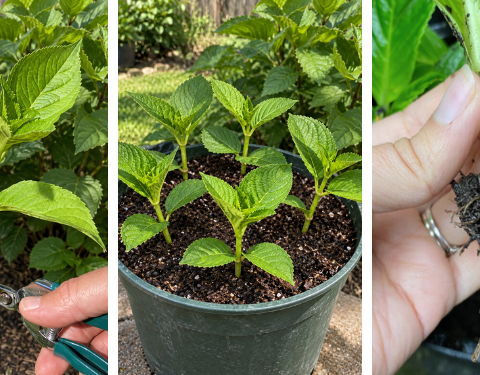
- Choose soft-stemmed herb cuttings about 6 inches long.
- Remove lower leaves to prevent them from sitting in water and rotting.
- Trim the base of the cutting just below a node (where leaves grow), as this is where new roots will sprout.
Step-by-Step Guide: How to Grow Herbs in Water
- Choose a healthy cutting (about 6 inches long).
- Remove lower leaves so no leaves touch the water.
- Place in a jar of water, ensuring the cut end is submerged.
- Set in a bright, indirect light spot (a kitchen window is ideal).
- Change water weekly to prevent bacteria buildup.
- Harvest frequently to encourage bushy growth.
The 10 Best Herbs to Grow in Water & How to Care for Each
1. Peppermint
Why grow it? Fast-growing, fresh scent, and great for digestion.
How to grow it:
- Cut a 6-inch fresh stem from a healthy plant.
- Remove bottom leaves and place in a jar of water.
- Change water every 5-7 days.
- Enjoy fresh peppermint for teas, desserts, and infused water.
2. Spearmint
Why grow it? Similar to peppermint but milder.
How to grow it:
- Follow the same steps as peppermint.
- Keep it in bright, indirect light (6-8 hours daily).
- Trim frequently to prevent leggy growth.
3. Oregano
Why grow it? A must-have for Italian cooking.
How to grow it:
- Take soft green cuttings (woody stems take longer to root).
- Provide plenty of sunlight (near a south-facing window).
- Pinch off the top frequently to encourage branching.
4. Basil
Why grow it? A kitchen staple, grows quickly in water.
How to grow it:
- Choose a healthy cutting before the plant flowers.
- Place in room-temperature water (cold water can shock roots).
- Basil loves sunlight, so keep it in a bright spot.
- Harvest often to keep the plant compact and fresh.
5. Sage
Why grow it? Used in cooking and medicinal remedies.
How to grow it:
- Root young, soft stems (woody stems take longer to root).
- Keep in a well-ventilated spot, as sage is prone to mildew.
- Change water every 3-5 days to keep the roots healthy.
6. Stevia
Why grow it? A natural sweetener, great for teas and desserts.
How to grow it:
- Use soft cuttings, as woody stems won’t root easily.
- Needs lots of light, so place near a sunny window.
- Expect roots to develop in 2-3 weeks.
7. Lemon Balm
Why grow it? Offers a fresh lemony scent and is great for tea.
How to grow it:
- Cut fresh green stems from an established plant.
- Place in cool, indirect light (too much heat can stress it).
- Change water weekly and keep away from drafts.
8. Tarragon
Why grow it? Adds a light, anise-like flavor to dishes.
How to grow it:
- Take spring cuttings for best rooting success.
- Needs bright light, but not direct sun.
- Change water once a week and trim often.
9. Thyme
Why grow it? A slow grower, but perfect for seasoning food.
How to grow it:
- Take new, green stems (woody stems root slower).
- Mist occasionally to keep leaves from drying out.
- Change water every 4-5 days to prevent bacterial growth.
10. Rosemary
Why grow it? Hardy and incredibly fragrant.
How to grow it:
- Use semi-woody cuttings for best rooting success.
- Place in a warm spot with indirect sunlight.
- Takes 2-6 weeks to root, so be patient.
The 9 Best Houseplants to Grow in Water & How to Care for Them
These plants are incredibly adaptable and can thrive in water indefinitely with proper care.
1. Pothos (Epipremnum aureum)
Why Grow It?
Pothos is one of the easiest plants to grow in water. It’s highly adaptable, grows quickly, and has beautiful trailing vines with heart-shaped leaves.
How to Grow:
- Cut a 6-8 inch vine with at least 2-3 nodes (the small bumps on the stem where leaves grow).
- Remove the lower leaves and place the cutting in a jar of water.
- Keep in indirect sunlight (too much direct light can burn the leaves).
- Change the water every 1-2 weeks to prevent bacteria buildup.
- Fertilize once a month with diluted liquid fertilizer.
Extra Tip: To create a fuller look, place multiple cuttings in one container.
2. Arrowhead Plant (Syngonium podophyllum)
Why Grow It?
This fast-growing vining plant adds a tropical touch to any space. It thrives in moderate to low light and is available in a variety of colors, from deep green to pink.
How to Grow:
- Take a 6-inch stem cutting with at least 2-3 nodes.
- Remove the lower leaves and place it in a glass of water.
- Keep in bright, indirect light.
- Change the water every 7-10 days.
Extra Tip: Arrowhead plants grow fast, so trim them regularly to control their size.
3. Philodendron (Philodendron spp.)
Why Grow It?
Philodendrons are low-maintenance trailing plants that thrive in water. They have heart-shaped, glossy green leaves and can grow quite large.
How to Grow:
✔ Take a 4-6 inch cutting with several nodes.
✔ Remove any lower leaves that might touch the water.
✔ Place in a wide-mouthed jar to allow room for root growth.
✔ Change water every 1-2 weeks.
Extra Tip: For stronger stems, occasionally mist the leaves with water.
4. Peace Lily (Spathiphyllum)
Why Grow It?
Peace lilies are air-purifying plants that produce beautiful white flowers. They thrive in low light and high humidity, making them perfect for bathrooms.
How to Grow:
- Use a whole plant or division from an existing peace lily.
- Wash off all soil from the roots before placing in water.
- Keep in a warm, shaded area.
- Change water every 10-14 days.
Extra Tip: Peace lilies prefer slightly moist air, so mist the leaves once a week.
5. Aluminum Plant (Pilea cadierei)
Why Grow It?
With its silvery patterns on dark green leaves, the aluminum plant is an eye-catching houseplant. It grows well in moderate light and is easy to propagate.
How to Grow:
- Take 3-4 inch stem cuttings and remove lower leaves.
- Place in a jar of water and keep in bright, indirect light.
- Change the water weekly.
Extra Tip: Aluminum plants grow fast, so prune them regularly to maintain a bushy look.
6. Dracaena (Lucky Bamboo & Other Varieties)
Why Grow It?
Dracaena includes the popular Lucky Bamboo, as well as Song of India and Corn Plant. It’s resilient and thrives in water.
How to Grow:
- Place cuttings or entire stalks in water.
- Use filtered water (dracaena is sensitive to chemicals).
- Keep in low to moderate light.
Extra Tip: Dracaena doesn’t need fertilizer often—feed only every 2 months.
7. Dieffenbachia (Dumb Cane)
Why Grow It?
Dieffenbachia is a tropical plant with striking, patterned leaves.
How to Grow:
- Cut a top section of the stem and let it dry for a day.
- Place in room-temperature water.
- Keep in indirect light.
Caution: Its sap is toxic, so handle with care.
8. Chinese Evergreen (Aglaonema)
Why Grow It?
This hardy plant thrives in low light and adds a pop of color to indoor spaces.
How to Grow:
- Take a 6-inch stem cutting and place in a vase of water.
- Keep in a warm, humid environment.
Extra Tip: Chinese evergreens love humidity—mist them occasionally.
9. Spider Plant (Chlorophytum comosum)
Why Grow It?
Spider plants are air-purifying and produce baby plantlets that can be easily propagated in water.
How to Grow:
- Place baby plantlets in water until roots develop.
- Change water every 5-7 days.
- Keep in moderate, indirect light.
Extra Tip: Once roots grow, transfer to soil or keep in water permanently.
The 6 Best Vegetables to Grow in Water
Here are the top vegetables that thrive in water, along with step-by-step instructions to grow them successfully.
1. Lettuce (Lactuca sativa)
Why Grow It?
Lettuce is one of the easiest and fastest vegetables to grow hydroponically. It thrives in cool temperatures and grows tender, crisp leaves when given proper nutrients and light.
How to Grow Lettuce in Water:
- Start with lettuce seeds in net cups filled with rockwool or coconut coir.
- Place the cups in a shallow container filled with water or a hydroponic tray.
- Keep the water slightly aerated (use an air pump for better oxygen supply).
- Change the water every 7-10 days and add liquid nutrients every 2 weeks.
- Harvest in 4-6 weeks by cutting outer leaves or harvesting the whole head.
Extra Tip: Lettuce thrives in cool temperatures (60-70°F). Avoid direct summer heat to prevent bolting.
2. Spinach (Spinacia oleracea)
Why Grow It?
Spinach is a nutrient-dense leafy green that flourishes in water. It’s rich in iron, calcium, and vitamins, making it one of the healthiest greens to grow hydroponically.
How to Grow Spinach in Water:
- Start with young spinach seedlings or direct-seed into net cups.
- Use shallow trays with a growing medium like perlite or rockwool.
- Maintain water pH between 5.5-6.5 for optimal nutrient absorption.
- Keep in a cool location with moderate sunlight.
- Harvest baby spinach leaves in 30-45 days or wait for full maturity.
Extra Tip: Avoid water temperatures above 75°F, as spinach prefers cool environments.
3. Tomatoes (Solanum lycopersicum)
Why Grow It?
Tomatoes are one of the most rewarding hydroponic vegetables. They grow taller, produce more fruit, and mature faster in water than in soil.
How to Grow Tomatoes in Water:
- Start tomato seeds in net cups, or use cuttings from an existing plant.
- Use deep water culture (DWC) or Kratky hydroponic systems.
- Provide 8-12 hours of light daily for best fruit production.
- Add support stakes or trellises for tall-growing varieties.
- Change water every 2 weeks and add nutrient solution regularly.
- Harvest in 60-90 days, depending on variety.
Extra Tip: Cherry tomatoes perform best in hydroponics due to compact growth and high yields.
4. Peppers (Capsicum annuum)
Why Grow It?
Peppers (bell peppers, jalapeños, and chilies) grow robustly in water and produce more fruit compared to soil-grown plants.
How to Grow Peppers in Water:
- Use seedlings or stem cuttings in net cups.
- Provide 6-8 hours of direct sunlight or grow lights.
- Keep water pH between 5.5-6.5.
- Ensure strong air circulation to prevent fungal growth.
- Harvest in 60-90 days after transplanting.
Extra Tip: For spicier peppers, reduce watering 2 weeks before harvest to increase capsaicin levels.
5. Cucumbers (Cucumis sativus)
Why Grow It?
Cucumbers thrive in water-based systems and produce heavy yields with proper support.
How to Grow Cucumbers in Water:
- Use bush-type cucumbers for compact hydroponic gardens.
- Grow in deep water culture (DWC) or nutrient film technique (NFT) systems.
- Provide 8-10 hours of direct light daily.
- Train vines on a trellis for better airflow and support.
- Harvest in 50-70 days, depending on variety.
Extra Tip: Cucumbers love warmth (70-80°F), so ensure your hydroponic setup maintains stable temperatures.
6. Celery (Apium graveolens)
Why Grow It?
Celery is a cool-weather crop that regrows effortlessly from scraps. Growing celery in water eliminates soil debris and makes it easier to clean and harvest.
How to Grow Celery in Water:
- Cut the base of a store-bought celery stalk and place it in a shallow water dish.
- Change the water every 3-4 days to prevent bacteria buildup.
- Keep in bright, indirect light.
- Harvest new stalks in 3-4 weeks by trimming outer stems.
Extra Tip: Celery grows best in cool temperatures (60-70°F).
Growing plants in water is a simple, budget-friendly, and space-saving way to keep fresh greenery at your fingertips.
With just a few cuttings, some jars, and a little patience, you can create a flourishing indoor garden that elevates your cooking, supports your well-being, and brings natural beauty into your home.