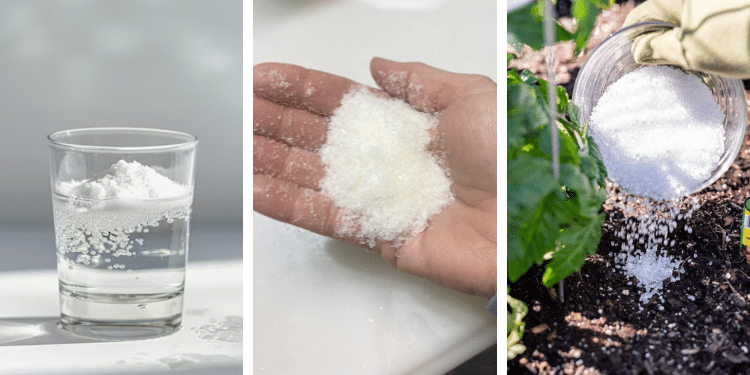
Epsom salt is one of the most underestimated household staples. Most people associate it with muscle soaks, but this simple mineral compound – magnesium sulfate – can be used throughout your home, garden, and cleaning routine in ways that are surprisingly effective.
Because it dissolves easily in water and contains magnesium and sulfur, Epsom salt supports plant health, acts as a mild abrasive cleaner, helps soften skin, and even neutralizes certain odors.
Below you’ll find 24 practical, detailed uses of Epsom salt, including exact amounts, how often to apply it, and why it works.
Health & Body Care Uses
1. Deep Muscle Relaxation Bath
Add 1–2 cups of Epsom salt to a warm bath and soak for 15–20 minutes.
Magnesium plays a role in muscle function and relaxation. Warm water increases circulation, and soaking may help ease stiffness after physical activity. For best results, soak 2–3 times per week.
Tip: Do not use extremely hot water – it can cause dizziness.
2. Foot Soak for Swelling & Odor
Dissolve ½–1 cup in a basin of warm water.
Soak for 15–20 minutes to:
- Reduce mild swelling
- Soften calluses
- Neutralize odor-causing bacteria
Dry feet thoroughly afterward to prevent fungal growth.
3. Exfoliating Body Scrub
Mix:
- 1 cup Epsom salt
- ½ cup coconut oil or olive oil
Use gentle circular motions in the shower. The coarse crystals remove dead skin cells while oil moisturizes.
Limit to once weekly to avoid irritation.
4. Hand Renewal Soak After Gardening
Gardeners often deal with soil stains and rough skin. Mix ½ cup Epsom salt in warm water and soak hands for 10 minutes. It softens debris and makes cleaning easier.
5. Hair Volume Treatment
Combine equal parts conditioner and Epsom salt. Apply to scalp for 10–15 minutes before rinsing.
The salt absorbs excess oil and may add temporary volume. Do not use more than once weekly to prevent dryness.
6. Minor Bruise Compress
Dissolve 2 tablespoons in warm water. Soak a cloth and apply gently.
Magnesium may support circulation, which can help reduce mild swelling over time.
Household Cleaning Uses
7. Scrub Burnt Pots & Pans
Sprinkle Epsom salt directly onto stuck food. Add a little warm water and let sit for 10 minutes before scrubbing.
The salt’s texture helps loosen debris without scratching as harshly as steel wool.
8. Tile & Grout Deep Cleaner
Mix:
- ½ cup Epsom salt
- ¼ cup liquid dish soap
Scrub grout lines with a brush. The crystals increase abrasion while soap cuts grease.
Rinse thoroughly afterward.
9. Soap Scum Remover
Combine equal parts Epsom salt and baking soda. Add water to create a paste and scrub tubs or shower walls.
10. Deodorize Garbage Bins
Sprinkle 2–3 tablespoons at the bottom of the bin.
Epsom salt absorbs moisture, which helps reduce odor buildup.
11. Washing Machine Cleaner
Add:
- 1 cup Epsom salt
- 1 cup white vinegar
Run a hot empty cycle. This helps dissolve residue and detergent buildup.
12. Stainless Steel Polish
Mix Epsom salt with water into a smooth paste. Rub gently on stainless steel sinks or appliances, rinse, and dry.
Always test on a small area first.
Garden & Plant Uses
Magnesium is crucial for chlorophyll production – the compound that makes leaves green.
13. Tomato Plant Boost
Tomatoes are heavy feeders and sometimes show magnesium deficiency (yellowing between veins).
Mix:
- 1 tablespoon Epsom salt
- 1 gallon water
Apply as soil drench once per month.
Do not overapply – excessive magnesium can interfere with calcium absorption.
14. Pepper Plant Growth Support
At planting time, add 1 tablespoon of Epsom salt into the planting hole and mix into soil before placing the seedling.
This provides magnesium early in development.
15. Improve Rose Blooming
Sprinkle 1 tablespoon around the base of rose bushes in early spring and water in.
Some gardeners report improved flowering and greener foliage.
16. Lawn Green-Up
Mix:
-
2 tablespoons per gallon of water
Spray evenly on dull patches. Magnesium can enhance leaf color if soil is deficient.
Avoid repeated heavy applications without soil testing.
17. Seed Germination Aid
Add a small amount (1 tablespoon per gallon) to pre-planting soil mix.
Magnesium supports strong early root development.
18. Slug Barrier
Sprinkle dry salt in a ring around vulnerable plants. The rough texture may deter soft-bodied pests.
Reapply after rain.
19. Houseplant Revival
If leaves show pale coloring, dissolve 1 teaspoon per liter of water and apply lightly to soil once monthly.
Do not use on succulents frequently.
Outdoor & Utility Uses
20. Remove Splinters
Soak affected area in warm water with Epsom salt for 10–15 minutes.
It may help soften skin and bring splinters closer to surface.
21. Clean Patio & Outdoor Furniture
Dissolve in warm water and scrub surfaces to remove grime.
Rinse afterward to prevent residue.
22. Natural Pest Spray Base
Some gardeners dissolve Epsom salt in water and spray lightly on leaves to discourage certain pests.
Scientific evidence is limited, but anecdotal use is common.
Beauty & Grooming Uses
23. Nail & Cuticle Soak
Mix 1 tablespoon in warm water. Soak fingers 5–10 minutes weekly.
Softens cuticles and removes surface debris.
24. Lip Exfoliator
Mix a pinch of Epsom salt with honey or coconut oil. Gently massage and rinse.
Use sparingly.
Important Safety Considerations
- Do not ingest unless directed medically.
- Avoid applying to broken skin.
- Excessive garden use may alter soil mineral balance.
- Store in airtight container away from moisture.
- Keep away from pets and children.
Why Epsom Salt Works
Magnesium supports:
- Chlorophyll production in plants
- Muscle relaxation
- Enzyme activity
As a household cleaner, its mild abrasive structure physically removes buildup without harsh chemicals.
Because it dissolves completely in water, it leaves minimal residue when rinsed properly.
Epsom salt is one of the most affordable multi-use products you can keep in your home.
From boosting plant growth and cleaning grout to softening skin and soaking tired feet, its versatility makes it a powerful addition to any household routine.