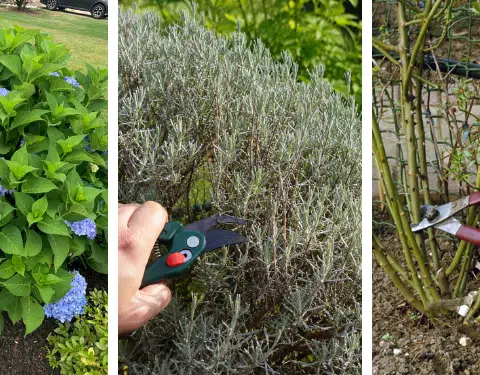
Fall gardening is often overlooked, but it’s actually one of the best times to enjoy fresh harvests and colorful blooms.
As summer fades and temperatures drop, gardens get a second life.
Cool-season vegetables grow sweeter in crisp air, while fall flowers brighten up beds, borders, and containers long after most summer plants have faded.
With fewer pests, better soil moisture, and mild weather, autumn offers some of the most ideal growing conditions of the year.
Why Fall Gardening Is a Smart Choice
Many gardeners think of spring as the main planting season, but fall holds unique advantages:
- Cooler temperatures improve flavor and growth. Crops like kale, carrots, and spinach actually taste sweeter after a light frost.
- Fewer pests and diseases. Many summer insect pests die back in fall, reducing the need for sprays or interventions.
- Extended harvest season. With proper timing, you can harvest fresh greens, roots, and herbs well into late fall or early winter.
- Moisture retention. Cooler weather reduces evaporation, so soil stays moist longer and plants experience less stress.
- Double use of garden beds. After summer harvests, fall crops let you maximize your space before winter.
Whether you’re a beginner or seasoned grower, fall gardening is a simple, rewarding way to boost your yields and keep your landscape vibrant.
10 Best Vegetables to Grow in Fall
1. Spinach
Spinach thrives in cooler temperatures and is one of the fastest crops to mature in fall. Baby leaves are ready in as little as 20–25 days.
- When to Plant: Sow seeds 6–8 weeks before your first frost date.
- How to Plant: Direct sow ½ inch deep in rows 12 inches apart. Thin seedlings to 4–6 inches apart.
- Growing Tip: Cover with row covers or cold frames to protect from frost and extend harvests.
- Harvest: Pick baby leaves often, or let them mature to full size in 40–50 days.
Pro tip: Spinach grows well with radishes or carrots, which share space without crowding.
2. Kale
Kale is one of the hardiest fall crops and becomes even sweeter after frost. It’s nutrient-dense and versatile, perfect for salads, soups, and sautés.
- When to Plant: Direct sow 8 weeks before frost or transplant seedlings started in midsummer.
- How to Plant: Space plants 12–18 inches apart in rows 18–24 inches apart.
- Growing Tip: Partial shade is fine, but full sun produces best yields.
- Harvest: Begin harvesting outer leaves when 6–8 inches long. Plants can survive into winter with protection.
Pro tip: Pair kale with garlic or onions, which deter common pests like aphids and cabbage worms.
3. Carrots
Carrots planted in late summer or early fall grow sweeter as cold weather converts starches into sugars.
- When to Plant: Sow seeds 10–12 weeks before frost.
- How to Plant: Sow seeds ¼ inch deep in loose, sandy soil. Thin seedlings to 2–3 inches apart.
- Growing Tip: Deeply loosen soil to avoid stunted or forked roots.
- Harvest: Pull carrots when roots reach ½ to 1 inch in diameter. They can be stored in the ground under mulch until needed.
Pro tip: Interplant with lettuce – carrots grow slowly, while lettuce matures quickly, making efficient use of space.
4. Lettuce
Fast-growing and frost-tolerant, lettuce is ideal for fall gardens. Many cold-hardy types, like romaine and butterhead, last well into late autumn.
- When to Plant: Sow seeds 6–8 weeks before frost.
- How to Plant: Scatter seeds or plant in rows 12 inches apart. Thin to 8 inches.
- Harvest: Use the “cut-and-come-again” method – snip outer leaves and allow the center to keep growing.
Pro tip: Lettuce grows best under a shade cloth in early fall when sun is strong, but thrives uncovered once cool weather sets in.
5. Radishes
One of the fastest vegetables, radishes mature in just 3–4 weeks. They’re excellent for filling gaps in fall beds.
- When to Plant: Sow every 2 weeks from late summer through early fall.
- How to Plant: Plant seeds ½ inch deep and thin to 2 inches apart.
- Harvest: Pull as soon as roots are mature – they get woody if left too long.
Pro tip: Sow radishes alongside spinach. Harvest radishes quickly, freeing up room for spinach to grow larger.
6. Broccoli
Broccoli produces best in cool, consistent conditions. Fall plantings develop tighter, sweeter heads.
- When to Plant: Start indoors in midsummer or transplant seedlings outdoors 10–12 weeks before frost.
- How to Plant: Space plants 18 inches apart in rows 24 inches apart.
- Growing Tip: Keep soil evenly moist – stress leads to “buttoning” (tiny heads).
- Harvest: Cut central heads when tight and before florets separate. Side shoots continue producing for weeks.
Pro tip: Plant broccoli near calendula, which attracts pollinators and deters pests.
7. Beets
Beets are dual-purpose: you get both tender roots and nutritious greens. Cool weather enhances their sweetness.
- When to Plant: Direct sow 8–10 weeks before frost.
- How to Plant: Sow seeds 1 inch apart, ½ inch deep. Thin seedlings to 3–4 inches.
- Harvest: Pull roots when they’re 1–3 inches wide. Harvest greens anytime once 4–6 inches tall.
Pro tip: Beets pair well with onions and garlic, which help repel pests like aphids.
8. Cabbage
Cabbage thrives in fall, forming crisp, dense heads. Many varieties overwinter in mild climates.
- When to Plant: Transplant seedlings 8–10 weeks before frost.
- How to Plant: Space 18–24 inches apart.
- Growing Tip: Provide consistent water and mulch to prevent splitting.
- Harvest: Cut heads when firm and full size, leaving the stem to possibly sprout side shoots.
Pro tip: Companion plant with calendula or nasturtiums to deter cabbage moths.
9. Turnips
Fast-growing and underrated, turnips provide both roots and greens.
- When to Plant: Sow seeds 8 weeks before frost.
- How to Plant: Sow ½ inch deep, thin seedlings to 3 inches.
- Harvest: Roots are best at 2–3 inches. Greens can be harvested young.
Pro tip: Turnips improve in flavor after a frost – sugars increase, making them sweeter.
10. Garlic
Garlic is planted in fall for a summer harvest. It overwinters in the soil and sprouts in spring.
- When to Plant: Plant cloves 4–6 weeks before the ground freezes.
- How to Plant: Place cloves 2 inches deep, root side down, spaced 6 inches apart.
- Growing Tip: Mulch heavily with straw or leaves for winter protection.
- Harvest: Lift bulbs the following summer when lower leaves begin to yellow.
Pro tip: Garlic also helps repel pests in fall beds when interplanted with greens.
10 Flowers to Plant for a Beautiful Fall Garden
11. Pansies
- Why Grow: Bright, cheerful flowers that handle frost and bloom into spring in mild areas.
- Planting: Set transplants in early fall, 6–8 inches apart.
- Care: Deadhead often to encourage blooms.
12. Mums (Chrysanthemums)
- Why Grow: The classic fall flower, available in vibrant colors.
- Planting: Plant early in fall so roots establish before cold arrives.
- Care: Water consistently; mulch after frost for winter survival.
13. Snapdragons
- Why Grow: Vertical spikes of color that withstand cool temps.
- Planting: Plant in late summer or early fall.
- Care: Pinch back tips for bushier plants. In warmer zones, they rebloom in spring.
14. Calendula (Pot Marigold)
- Why Grow: Hardy flowers that bloom yellow and orange well into fall. Petals are edible and medicinal.
- Planting: Sow directly or transplant. Space 12 inches apart.
- Care: Deadhead regularly. Will self-seed for spring.
15. Ornamental Kale & Cabbage
- Why Grow: Stunning rosettes in purple, pink, white, and green.
- Planting: Plant in groups or containers for dramatic effect.
- Care: Cold-tolerant, lasting well into winter.
16. Violas
- Why Grow: Small, profuse blooms that tolerate frost.
- Planting: Plant in fall for color through early winter and spring.
- Care: Deadhead to prolong blooms.
17. Sweet Alyssum
- Why Grow: Blankets garden beds with fragrant white or purple flowers.
- Planting: Direct sow or transplant seedlings in early fall.
- Care: Thrives in cool weather; self-seeds for spring.
18. Coreopsis
- Why Grow: Daisy-like flowers that may continue blooming into fall.
- Planting: Plant in late summer for extended fall blooms.
- Care: Deadhead to extend flowering.
19. Cosmos
- Why Grow: Tall, airy plants with daisy-like blooms.
- Planting: Sow in late summer for fall color.
- Care: Deadhead to keep flowers coming until frost.
20. Asters
- Why Grow: Classic fall perennials in shades of purple, pink, and white.
- Planting: Set plants in summer for fall bloom.
- Care: Attract butterflies and pollinators; divide clumps every 2–3 years.
Tips for Successful Fall Planting
Know Your Frost Date – Time your planting by working backward from your first frost. Most vegetables need 6–10 weeks to mature.
Prepare the Soil – Add compost or aged manure after summer harvests to refresh nutrients.
Water Consistently – Even in cool weather, plants need steady moisture to thrive.
Use Mulch – Mulch conserves water, suppresses weeds, and insulates roots as nights cool.
Protect with Covers – Extend your harvest with row covers, cold frames, or cloches.
Companion Planting Ideas for Fall
- Spinach + Radish: Radishes grow fast and are harvested before spinach fills in.
- Carrots + Lettuce: Lettuce grows shallow, carrots grow deep – no competition.
- Cabbage + Calendula: Calendula attracts beneficial insects and deters pests.
- Beets + Garlic: Garlic repels aphids, protecting beet greens.
Fall gardening is about more than squeezing in a few extra crops – it’s about extending the joy of growing.
With cool-season vegetables, you’ll enjoy crisp salads, sweet root crops, and hearty greens.
With flowers, you’ll brighten up borders, porches, and beds just as the days shorten.