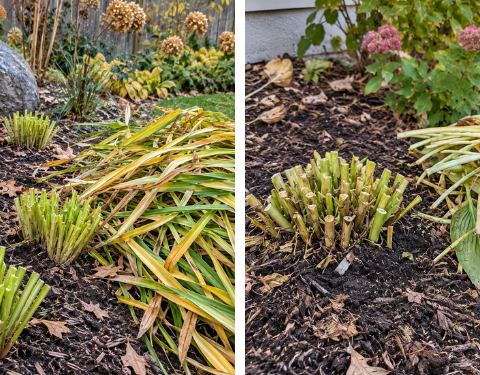
When September arrives, most gardeners think the growing season is winding down. But in reality, this is one of the most important months of the year – especially if you want a garden that bursts into color the following spring.
Planting bulbs in September is the secret to a spectacular spring display. Many of the most beloved flowers – tulips, daffodils, crocuses, hyacinths, and more – all begin their life underground during the cooler days of fall.
By planting them now, you’re giving them time to settle in, establish roots, and prepare to explode with flowers once winter fades.
Why Plant Bulbs in September?
1. Cool Soil, Warm Enough for Roots
Bulbs planted in early fall benefit from cooling temperatures. The soil is no longer hot from summer but is still warm enough to encourage root development before winter frost sets in.
2. Natural Chill Hours
Spring-flowering bulbs need a period of cold dormancy to bloom properly. By planting in September, they get a full winter chill period, ensuring strong flowering.
3. Better Selection and Quality
Bulb suppliers stock their freshest inventory in late summer. Planting early gives you the widest variety of colors, sizes, and cultivars.
4. Time for Establishment
Bulbs planted now will establish roots before winter. This means healthier plants, stronger stems, and more reliable blooms.
How to Plant Bulbs in September
Choosing Healthy Bulbs
- Look for firm, plump bulbs free of mold, soft spots, or shriveling.
- Bigger bulbs generally produce larger flowers.
Planting Depth and Spacing
- Rule of thumb: plant bulbs 2–3 times as deep as their height.
- Space bulbs far enough apart to avoid overcrowding but close enough for natural drifts of color.
Soil Preparation
- Bulbs prefer well-drained soil. Add sand or compost to improve drainage.
- Mix in a balanced, slow-release bulb fertilizer at planting time.
Planting Steps
- Dig holes to the correct depth.
- Place bulbs with pointed end facing up.
- Cover with soil and press lightly.
- Water thoroughly after planting to settle soil.
Mulching
Add a 2–3 inch layer of mulch to protect bulbs from temperature fluctuations and help retain soil moisture.
20 Bulbs to Plant in September for a Colorful Spring
Here are the best bulbs to plant now for a stunning display next year:
1. Tulips (Tulipa spp.)
One of the most iconic spring flowers, tulips come in countless colors, shapes, and bloom times.
- Bloom Time: Mid to late spring
- Height: 8–28 inches depending on variety
- Planting Depth: 6–8 inches
- Tip: Plant in groups of 10+ for dramatic drifts of color.
2. Daffodils (Narcissus spp.)
Cheerful yellow, white, or orange blooms that naturalize easily and come back year after year.
- Bloom Time: Early to mid-spring
- Height: 6–20 inches
- Planting Depth: 6 inches
- Tip: Deer- and rodent-resistant, making them perfect for naturalized plantings.
3. Crocuses (Crocus spp.)
Among the earliest flowers to bloom, crocuses are often the first sign that spring is on the way.
- Bloom Time: Very early spring
- Height: 3–6 inches
- Planting Depth: 3 inches
- Tip: Plant in lawns or at the base of trees for a natural look.
4. Hyacinths (Hyacinthus orientalis)
Famous for their strong fragrance and dense flower spikes.
- Bloom Time: Mid-spring
- Height: 6–12 inches
- Planting Depth: 6 inches
- Tip: Plant near patios or entryways where you can enjoy their scent.
5. Grape Hyacinths (Muscari spp.)
Tiny, bell-shaped flowers resembling clusters of grapes.
- Bloom Time: Mid-spring
- Height: 4–8 inches
- Planting Depth: 3 inches
- Tip: Naturalizes quickly, forming carpets of purple-blue flowers.
6. Alliums (Allium spp.)
Ornamental onions with large globe-like blooms on tall stems.
- Bloom Time: Late spring to early summer
- Height: 12–36 inches
- Planting Depth: 6–8 inches
- Tip: Striking in mixed borders and also deer-resistant.
7. Snowdrops (Galanthus nivalis)
Delicate, nodding white flowers that often bloom while snow is still on the ground.
- Bloom Time: Very early spring
- Height: 4–6 inches
- Planting Depth: 3 inches
- Tip: Perfect for woodland gardens.
8. Anemones (Anemone blanda)
Also called Grecian windflowers, these bulbs produce daisy-like flowers in jewel tones.
- Bloom Time: Early spring
- Height: 4–8 inches
- Planting Depth: 2–3 inches
- Tip: Soak bulbs before planting for quicker growth.
9. Fritillaries (Fritillaria spp.)
Unusual bell-shaped flowers that add intrigue to the spring garden.
- Bloom Time: Mid-spring
- Height: 8–36 inches depending on species
- Planting Depth: 6 inches
- Tip: Plant sideways to prevent water from rotting the bulb.
10. Iris Reticulata (Iris reticulata)
A dwarf iris with jewel-colored blooms and a delightful fragrance.
- Bloom Time: Very early spring
- Height: 4–8 inches
- Planting Depth: 3 inches
- Tip: Excellent for containers or rock gardens.
11. Scilla (Scilla siberica)
Also known as Siberian squill, these bulbs produce masses of blue star-shaped flowers.
- Bloom Time: Early spring
- Height: 6 inches
- Planting Depth: 3 inches
- Tip: Perfect for naturalizing under trees.
12. Chionodoxa (Chionodoxa luciliae)
Also called Glory-of-the-Snow, these starry flowers are among the first to bloom.
- Bloom Time: Late winter to early spring
- Height: 4–6 inches
- Planting Depth: 3 inches
- Tip: Mix with crocuses for a colorful early spring carpet.
13. Dutch Iris (Iris hollandica)
Tall, elegant irises with striking purple, blue, and yellow blooms.
- Bloom Time: Late spring
- Height: 18–24 inches
- Planting Depth: 4 inches
- Tip: Excellent for cut flowers.
14. Star of Bethlehem (Ornithogalum umbellatum)
Produces clusters of star-shaped white flowers.
- Bloom Time: Late spring
- Height: 6–12 inches
- Planting Depth: 3 inches
- Tip: Can be invasive – best for naturalizing in meadows.
15. Camassia (Camassia quamash)
North American native with spiky blue flowers.
- Bloom Time: Late spring
- Height: 18–30 inches
- Planting Depth: 4–6 inches
- Tip: Prefers moist soil; good for rain gardens.
16. Spanish Bluebells (Hyacinthoides hispanica)
Graceful, bell-shaped flowers in shades of blue, pink, or white.
- Bloom Time: Late spring
- Height: 12–18 inches
- Planting Depth: 4 inches
- Tip: Perfect for woodland gardens or naturalized drifts.
17. Leucojum (Leucojum aestivum)
Also called Summer Snowflake, with dainty white bell flowers.
- Bloom Time: Mid- to late spring
- Height: 12–18 inches
- Planting Depth: 4–5 inches
- Tip: Excellent for damp, shady areas.
18. Ornithogalum (Ornithogalum arabicum)
Produces striking white blooms with dark centers.
- Bloom Time: Late spring
- Height: 12–24 inches
- Planting Depth: 3 inches
- Tip: Excellent cut flowers.
19. Erythronium (Erythronium spp.)
Also known as Dog’s Tooth Violet, with nodding, lily-like flowers.
- Bloom Time: Mid-spring
- Height: 6–12 inches
- Planting Depth: 3–4 inches
- Tip: Prefers partial shade and moist soil.
20. Pushkinia (Pushkinia scilloides)
Small bulbs producing pale blue, star-shaped flowers.
- Bloom Time: Early spring
- Height: 4–6 inches
- Planting Depth: 3 inches
- Tip: Lovely when naturalized in lawns or under trees.
Regional Planting Tips
- Cold Climates (Zones 3–5): Plant bulbs earlier in September so they establish before hard frost.
- Moderate Climates (Zones 6–7): Plant mid- to late September.
- Warm Climates (Zones 8–9): Many bulbs need pre-chilling in a refrigerator for 8–10 weeks before planting.
Common Mistakes to Avoid
- Planting too shallow: Leaves bulbs exposed to frost damage.
- Poor drainage: Causes bulbs to rot.
- Planting upside down: Always plant pointed side up.
- Crowding bulbs: Prevents full blooms and makes bulbs compete for nutrients.
Aftercare for Fall-Planted Bulbs
- Water deeply after planting to settle soil.
- Avoid fertilizing heavily in fall – save feeding for spring growth.
- Mark bulb areas to avoid disturbing them when planting spring annuals.
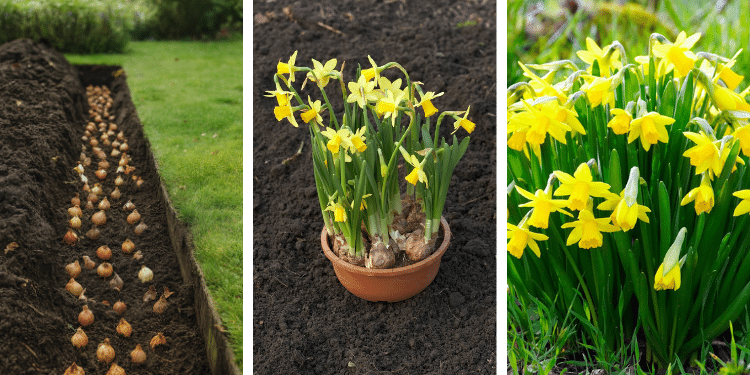
September is a month of preparation and promise. By planting bulbs now, you’re setting the stage for a breathtaking spring display of tulips, daffodils, crocuses, hyacinths, and more.
Whether you want cheerful drifts of daffodils, carpets of crocuses, or the fragrance of hyacinths near your door, the bulbs you plant this fall will reward you with vibrant blooms after the long winter passes.
The best gardens don’t just brighten your yard – they become something you can enjoy season after season.
If you’re ready to grow your own backyard pharmacy, the Medicinal Garden Kit is a wonderful place to begin.
Inside you’ll find 2,409 non-GMO seeds, a detailed Herbal Medicinal Guide, and 2 FREE bonuses to help you grow a wide variety of traditional medicinal herbs with confidence.
Take a look at the Medicinal Garden Kit and start growing something truly rewarding.