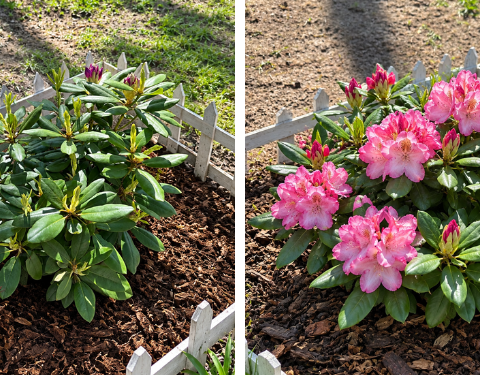
You’re looking for some plants to spice up your boring yard? Look no further, this list will give you the best of both worlds: beautiful and edible!
Growing these solutions will give you free fruit as well as a focal point in your garden. From attractive seedpods on peony bushes or colorful leaves from flowerbeds, they all make unique elements that are worth adding to any real estate. And don’t forget their delicious taste!
No matter what your reasons for wanting to have a great looking yard or providing something tasty with fresh food right outside of the door, these plants will do well on their double duty. What’s even better is that they also add interest and variety to your garden by creating biological balance like attracting birds, butterflies, and other beneficial insects!
It’s always good knowing when you’re doing good things- so now it’s time grow some of these in your landscape and reap the rewards!
1. Blueberries (Vaccinium spp.)
Why They’re Ideal
Blueberries are not only delicious and nutritious but also offer stunning foliage that turns vibrant shades of red and purple in the fall.
Growing Tips:
- Light: Full sun.
- Soil: Acidic, well-drained soil.
- Water: Consistent moisture, especially during fruiting.
2. Swiss Chard (Beta vulgaris)
Why It’s Ideal
Swiss chard comes in a variety of colors, with vibrant stalks of red, yellow, orange, and white, making it a striking addition to any garden.
Growing Tips:
- Light: Full sun to partial shade.
- Soil: Well-drained, fertile soil.
- Water: Keep soil consistently moist.
3. Lavender (Lavandula spp.)
Why It’s Ideal
Lavender’s aromatic purple flowers attract pollinators and can be used in cooking, teas, and aromatherapy.
Growing Tips:
- Light: Full sun.
- Soil: Well-drained, slightly alkaline soil.
- Water: Moderate watering; drought-tolerant once established.
4. Kale (Brassica oleracea var. acephala)
Why It’s Ideal
Kale has attractive, curly leaves that come in various shades of green and purple. It’s highly nutritious and adds texture to your garden.
Growing Tips:
- Light: Full sun to partial shade.
- Soil: Rich, well-drained soil.
- Water: Keep soil moist.
5. Nasturtiums (Tropaeolum majus)
Why They’re Ideal
Nasturtiums produce bright, cheerful flowers that are edible and have a peppery flavor. They can also deter pests.
Growing Tips:
- Light: Full sun to partial shade.
- Soil: Well-drained soil.
- Water: Moderate watering.
6. Rhubarb (Rheum rhabarbarum)
Why It’s Ideal
Rhubarb’s large, dramatic leaves and red stalks add bold texture to the garden. The stalks are edible and used in pies and jams.
Growing Tips:
- Light: Full sun.
- Soil: Rich, well-drained soil.
- Water: Keep soil consistently moist.
7. Artichokes (Cynara scolymus)
Why They’re Ideal
Artichokes have striking, silver-green foliage and large, thistle-like flowers. The flower buds are edible and considered a delicacy.
Growing Tips:
- Light: Full sun.
- Soil: Well-drained, fertile soil.
- Water: Regular watering.
8. Grapes (Vitis spp.)
Why They’re Ideal
Grapes offer beautiful foliage, delicious fruit, and can be grown on arbors or trellises to create attractive garden structures.
Growing Tips:
- Light: Full sun.
- Soil: Well-drained soil.
- Water: Deep watering during dry periods.
9. Raspberries (Rubus idaeus)
Why They’re Ideal
Raspberries produce sweet, juicy berries and have lovely, arching canes that add structure to your garden.
Growing Tips:
- Light: Full sun.
- Soil: Well-drained, fertile soil.
- Water: Keep soil consistently moist.
10. Fennel (Foeniculum vulgare)
Why It’s Ideal
Fennel has feathery, aromatic foliage and tall, yellow flower umbels. Both the bulb and fronds are edible and flavorful.
Growing Tips:
- Light: Full sun.
- Soil: Well-drained soil.
- Water: Moderate watering.
11. Thyme (Thymus vulgaris)
Why It’s Ideal
Thyme is a low-growing herb with tiny, fragrant leaves and pink or purple flowers. It’s perfect for edging or ground cover.
Growing Tips:
- Light: Full sun.
- Soil: Well-drained soil.
- Water: Low to moderate watering.
12. Calendula (Calendula officinalis)
Why It’s Ideal
Calendula, or pot marigold, produces bright orange and yellow flowers that are edible and medicinal.
Growing Tips:
- Light: Full sun to partial shade.
- Soil: Well-drained soil.
- Water: Moderate watering.
13. Sage (Salvia officinalis)
Why It’s Ideal
Sage has beautiful gray-green leaves and purple flowers. It’s a hardy perennial herb that’s useful in cooking.
Growing Tips:
- Light: Full sun.
- Soil: Well-drained soil.
- Water: Low to moderate watering.
14. Peppers (Capsicum spp.)
Why They’re Ideal
Peppers come in a variety of colors and shapes, adding vibrant color to your garden. They’re also delicious and versatile in cooking.
Growing Tips:
- Light: Full sun.
- Soil: Well-drained, fertile soil.
- Water: Keep soil consistently moist.
15. Eggplant (Solanum melongena)
Why It’s Ideal
Eggplants produce glossy, purple fruit and have attractive, large leaves. They add a bold touch to any garden.
Growing Tips:
- Light: Full sun.
- Soil: Well-drained, fertile soil.
- Water: Keep soil consistently moist.
16. Chives (Allium schoenoprasum)
Why They’re Ideal
Chives produce clumps of slender, green leaves and attractive purple flowers. Both the leaves and flowers are edible.
Growing Tips:
- Light: Full sun to partial shade.
- Soil: Well-drained soil.
- Water: Moderate watering.
Incorporating edible plants into your landscape not only provides fresh, home-grown produce but also enhances the beauty and diversity of your garden.
By choosing a mix of colorful, textured, and flavorful plants like blueberries, Swiss chard, lavender, and more, you can create an edible landscape that is both functional and visually appealing.