Don’t toss those eggshells in the trash! Eggshells are far more valuable than you might think.
Beyond being simple kitchen waste, eggshells are a powerhouse of natural nutrients that can significantly improve your garden’s health and productivity.
Packed with calcium, magnesium, phosphorus, and other essential minerals, eggshells contribute to stronger plant structure, healthier soil, and even effective natural pest control.
Plus, they’re eco-friendly, biodegradable, and completely free—making them a perfect tool for anyone interested in sustainable gardening.
Here are 15 smart ways to reuse eggshells in your garden to nourish your plants, protect your soil, and boost your garden’s overall vitality.
1. Natural Fertilizer
Eggshells break down quickly in the soil, slowly releasing vital nutrients like calcium, potassium, and phosphorus—all critical for robust plant growth.
How to Use:
- Rinse and dry the eggshells.
- Crush them finely and mix directly into the soil around your plants.
- Alternatively, soak crushed shells in water for a few days to create an “eggshell tea” that can be used to water and nourish your plants naturally.
This slow-release fertilizer strengthens cell walls, improves root systems, and supports the healthy development of fruits and vegetables.
2. Seed Starter Pots
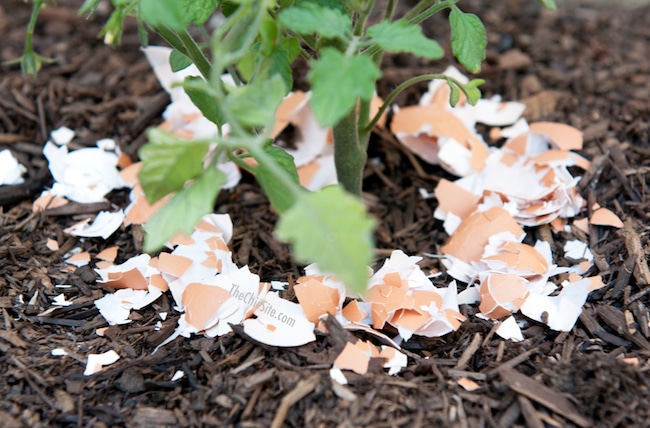
Eggshells make excellent biodegradable seed pots that naturally enrich the soil when transplanted.
How to Use:
- Gently crack eggs near the top to preserve most of the shell.
- Rinse and dry the halves.
- Fill each shell with potting mix, plant your seeds, and water lightly.
- When seedlings are ready to move outdoors, plant the entire shell. Crush the shell slightly with your fingers to allow the roots to break through.
This method reduces transplant shock and adds essential minerals directly to the garden bed.
3. Pest Control Barrier
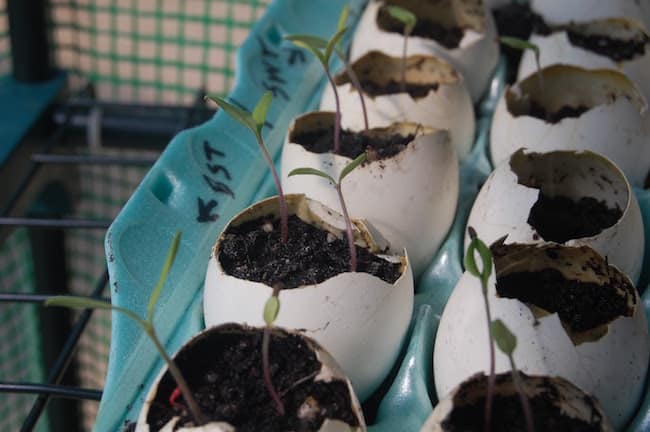
The sharp, jagged edges of crushed eggshells are a simple but effective natural deterrent for soft-bodied pests like slugs, snails, and cutworms.
How to Use:
- Crush eggshells into small, rough pieces.
- Scatter them around the base of plants vulnerable to pests, creating a protective barrier they will avoid crossing.
This eco-friendly pest control method helps safeguard tender young plants without resorting to harmful chemicals.
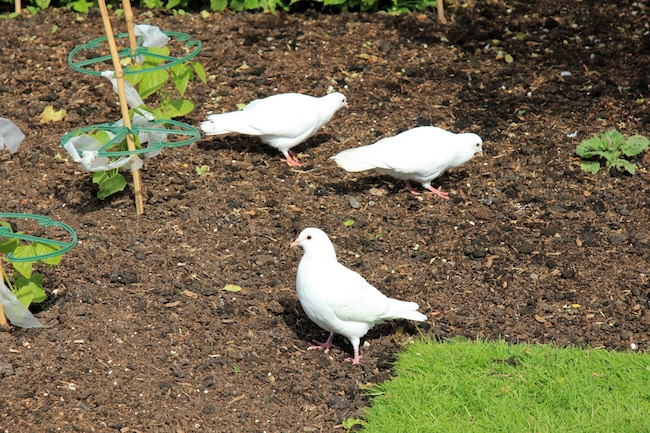
4. Calcium Boost for Birds
Eggshells are a great source of calcium for wild birds, especially during the breeding season when females need extra calcium for strong eggshell production.
How to Use:
- Bake cleaned eggshells at 250°F (120°C) for 10 minutes to sterilize them.
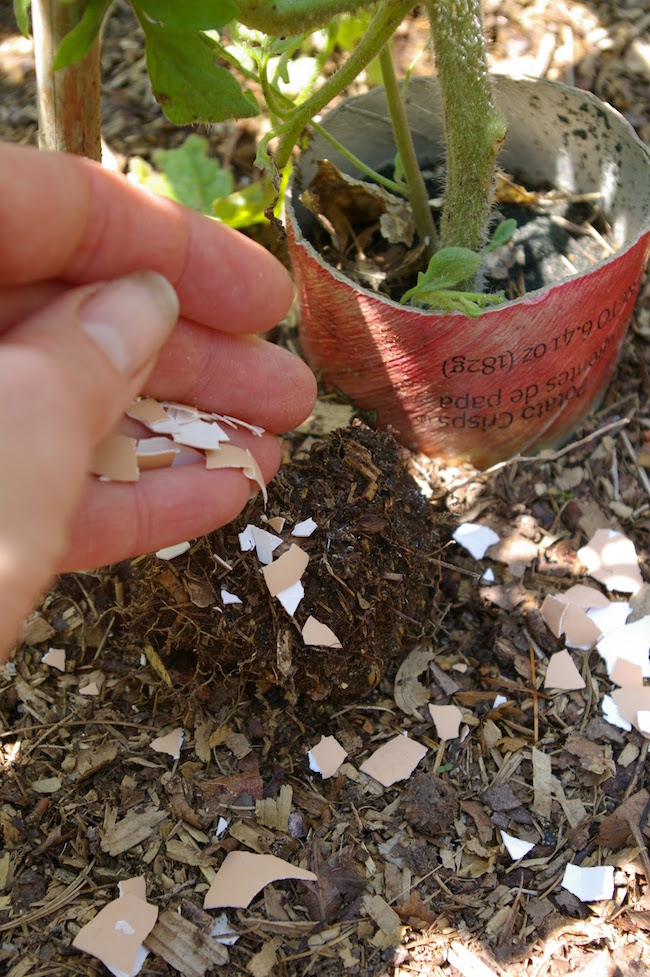
- Crush and sprinkle them near bird feeders or mix them with birdseed.
Providing this natural supplement supports bird health while encouraging them to stick around your garden, where they can help control insect populations.
5. Organic Mulch
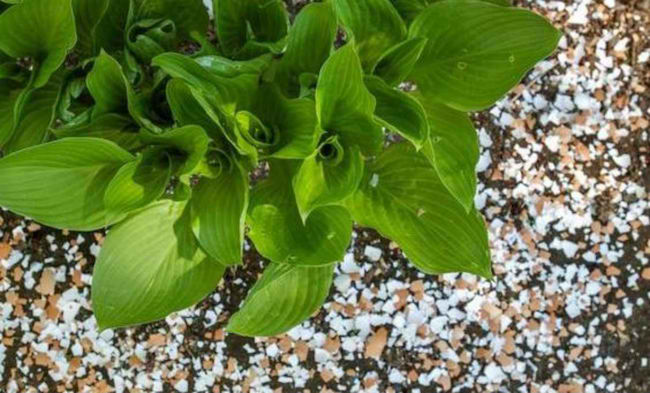
Crushed eggshells can be used as a lightweight, organic mulch to conserve moisture, suppress weeds, and gradually enrich the soil with minerals.
How to Use:
- Crush eggshells into small pieces.
- Spread a layer around the base of plants, trees, or vegetables.
This natural mulch slowly integrates into the soil while protecting plant roots and maintaining a stable soil temperature.
6. Deer Repellent
The scent of eggshells can help deter deer and other curious animals from nibbling on your garden plants.
How to Use:
- Scatter crushed eggshells generously around garden beds or plants that are frequent deer targets.
- Reapply after heavy rainfall to maintain effectiveness.
Eggshells provide a safe, humane way to protect your crops without using harsh deterrents.

7. Compost Enrichment
Adding eggshells to your compost pile increases its mineral content and helps balance its pH.
How to Use:
- Rinse and crush eggshells before adding them to compost bins.
- Crushing helps them break down faster and mix more thoroughly into the finished compost.
A calcium-rich compost can dramatically improve the structure and fertility of your garden soil.
8. Preventing Blossom End Rot
Plants like tomatoes, peppers, and eggplants are often plagued by blossom end rot, a condition caused by calcium deficiency. Eggshells can prevent this frustrating issue.
How to Use:
- When transplanting seedlings, toss a handful of crushed eggshells into the bottom of each planting hole.
- As the shells decompose, they release calcium directly to the developing roots.
This simple practice helps produce healthier, more abundant harvests.
9. Enhancing Compost Tea
Boost your homemade compost tea by adding eggshells for an extra infusion of calcium and trace minerals.
How to Use:
- Add crushed eggshells into the brewing compost tea.
- Strain before applying to prevent clogging your watering can or sprayer.
Enriched compost tea provides a nutrient-dense boost to your plants, improving foliage growth and flowering.
10. Natural Defense Against Cabbage Worms
Cabbage worms are a common garden pest that can destroy leafy crops like cabbage, broccoli, and kale. Eggshells can act as a natural deterrent.
How to Use:
- Scatter crushed eggshells in a circle around brassica plants.
- The sharp edges discourage cabbage worms and other crawling insects.
This natural method keeps your crops safer while reducing your reliance on chemical pesticides.
11. Homemade Lightweight Mulch
Use finely crushed eggshells as a lightweight mulch for indoor and outdoor plants.
How to Use:
- Crush eggshells into small pieces or powder.
- Apply a thin layer around the base of your plants in pots or garden beds.
This technique conserves moisture, improves soil texture, and adds slow-release minerals over time.
12. Houseplant Soil Booster
Houseplants can also benefit from the calcium boost that eggshells provide.
How to Use:
- Crush eggshells into a fine powder.
- Mix the powder into your potting mix when repotting or top-dress around existing houseplants.
The slow decomposition of eggshells in pots supports root health and improves soil structure for healthier indoor greenery.
13. Adjusting Soil pH
Eggshells can naturally raise the pH of acidic soils, making them more alkaline over time—a great help for crops like spinach, lettuce, beans, and basil that prefer a neutral to slightly alkaline soil.
How to Use:
- Test your soil pH first.
- If needed, sprinkle finely ground eggshell powder over your garden beds and lightly till it into the soil.
It’s a slow, gradual way to adjust your soil without synthetic additives.
14. Natural Cleaning Abrasive
Beyond the garden, eggshells can double as a natural abrasive for cleaning pots, tools, and even hard-to-scrub surfaces without causing damage.
How to Use:
- Grind dried eggshells into a coarse powder.
- Mix with a small amount of soapy water to create a gentle, eco-friendly scrub paste.
This cleaning method is perfect for tackling stubborn dirt while minimizing waste.
15. Worm Bin Supplement
Worms love calcium, and adding eggshells to your vermicomposting bin can enhance their health and improve the quality of worm castings.
How to Use:
- Rinse and crush eggshells into small pieces.
- Mix into the bedding material of your worm bin.
The calcium grit helps worms digest food more efficiently and supports reproduction for a thriving composting system.
Embrace the Power of Eggshells in Your Garden
Eggshells are truly a gardener’s secret weapon—a simple, natural resource that boosts soil fertility, strengthens plants, and supports a sustainable gardening ecosystem.
Instead of throwing them away, start incorporating eggshells into your gardening routine to enjoy healthier soil, more robust plants, and a bountiful, thriving garden.
From fertilizer to pest control to compost enrichment, the humble eggshell proves that sometimes the best garden solutions come from the simplest sources.