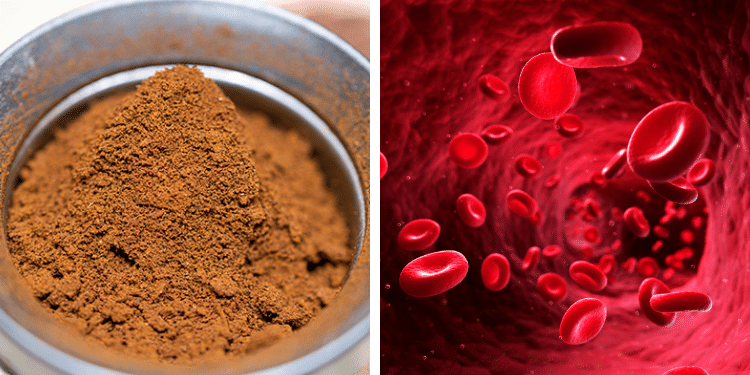
Cinnamon is one of the oldest known spices in human history, valued not only for its warm, comforting flavor but also for its powerful medicinal properties.
For thousands of years, cultures across Asia, the Middle East, and Europe have used cinnamon as a natural remedy for a wide range of health issues.
Today, modern research confirms that cinnamon contains potent antioxidants, anti-inflammatory compounds, and unique plant chemicals that support the body in surprising ways.
Many people think of cinnamon only as a baking ingredient or a seasonal spice, but this simple pantry item can influence everything from blood sugar to digestion, immunity, and even mood.
Here are 15 surprising health problems cinnamon can actually help with – backed by tradition and supported by growing scientific interest.
1. High Blood Sugar and Insulin Resistance
One of the most well-documented benefits of cinnamon is its ability to help stabilize blood sugar levels.
It increases insulin sensitivity, slows the breakdown of carbohydrates, and supports better glucose absorption by cells.
People who struggle with prediabetes, type 2 diabetes, or sugar cravings often find that a small amount of cinnamon daily helps maintain more stable energy levels and reduces spikes after meals.
2. Persistent Inflammation
Chronic inflammation is linked to many modern health problems, from arthritis to digestive disorders.
Cinnamon contains powerful anti-inflammatory compounds such as cinnamaldehyde and polyphenols that help reduce swelling, calm irritated tissues, and support overall inflammation balance in the body.
This makes it a helpful addition for people dealing with joint pain, muscle soreness, or inflammatory conditions.
3. Frequent Colds and Weak Immunity
Cinnamon has natural antibacterial, antifungal, and antiviral properties. It helps protect the body against common pathogens while boosting immune response.
During cold and flu season, many people use cinnamon tea or warm cinnamon honey mixtures to soothe sore throats, loosen congestion, and support faster recovery from illnesses.
4. Digestive Issues and Bloating
Cinnamon has been used for centuries to relieve digestive discomfort. It helps stimulate digestive enzymes, reduce gas, ease bloating, and calm spasms in the intestinal tract.
It is especially helpful for people who struggle with indigestion after heavy or greasy meals. A pinch of cinnamon in tea or warm water can support smoother digestion.
5. High Cholesterol and Heart Health Problems
Cinnamon contains compounds that help reduce LDL (“bad”) cholesterol while supporting healthy triglyceride levels. At the same time, it helps protect arteries from oxidative stress, which contributes to plaque buildup.
Together, these effects make cinnamon a heart-friendly spice that supports healthier circulation and cardiovascular stability.
6. Bacterial and Fungal Infections
Cinnamon’s antimicrobial properties make it effective against several common pathogens. It helps inhibit the growth of harmful bacteria like E. coli, Salmonella, and certain strains of staph.
It also has strong antifungal action, making it useful for preventing yeast overgrowth. This is why cinnamon oil is often used in natural disinfectants and oral health remedies.
7. Memory Problems and Brain Fog
Cinnamon supports brain health by improving blood circulation to the brain, reducing oxidative stress, and helping maintain healthy neurotransmitter balance.
Some studies suggest it may help improve memory and cognitive processing, making it useful for times when focus and mental clarity feel low.
The scent of cinnamon alone has been shown to boost alertness in some people.
8. Tooth Decay and Bad Breath
Cinnamon is often found in natural toothpaste and mouthwash for a reason – it helps inhibit bacteria that contribute to tooth decay, gum inflammation, and bad breath.
A warm cinnamon and clove rinse can help freshen the mouth, reduce oral bacteria, and soothe minor gum irritation.
9. Menstrual Cramps and PMS Symptoms
Cinnamon helps relax uterine muscles and improve blood flow, making it a natural remedy for menstrual cramps.
Its anti-inflammatory properties also ease lower back pain and pelvic discomfort.
Many women find that cinnamon tea during menstruation helps reduce cramps and stabilize mood in a gentle, natural way.
10. Joint Pain and Stiffness
Because cinnamon reduces inflammation and contains antioxidants that protect joint tissue, it can help ease stiffness and discomfort associated with arthritis and aging.
When combined with honey or warm beverages, cinnamon supports joint mobility and helps reduce swelling in the hands, knees, and fingers.
11. Fatigue and Low Energy
Cinnamon helps stabilize blood sugar, supports circulation, and boosts metabolic function – all of which contribute to more stable energy throughout the day.
A small amount added to morning tea, oatmeal, or smoothies can help reduce mid-morning crashes and improve energy consistency without relying on coffee.
12. Weight Management and Cravings
Cinnamon helps control appetite by slowing the digestion of carbohydrates and keeping blood sugar balanced. This reduces sudden hunger spikes and sugar cravings.
People who add cinnamon to their meals often find it easier to avoid overeating or snacking between meals because the spice promotes natural satiety.
13. Acne and Skin Inflammation
Cinnamon’s antibacterial and anti-inflammatory properties make it useful for certain skin issues.
When used properly in masks or spot treatments, cinnamon can help reduce redness, fight acne-causing bacteria, and improve circulation for a healthier-looking complexion.
It should always be diluted, as pure cinnamon can be too strong for sensitive skin.
14. Circulation Problems and Cold Hands or Feet
Cinnamon helps warm the body by promoting blood flow to the extremities. People who struggle with cold hands and feet – especially in winter – often experience improvement when drinking cinnamon tea.
Its natural warming effect supports better circulation and overall temperature regulation.
15. Digestive Balance and Gut Microbiome Support
Cinnamon acts as a prebiotic, feeding beneficial bacteria in the gut. A healthy microbiome is essential for digestion, immunity, mood, and nutrient absorption.
By supporting good bacteria and reducing harmful microbes, cinnamon helps promote a balanced environment in the digestive system.
How to Use Cinnamon Safely for Health Benefits
While cinnamon is natural and widely used, a small amount goes a long way. Only Ceylon cinnamon is recommended for daily use because it contains lower levels of coumarin, a compound that can strain the liver in large amounts.
Cassia cinnamon is fine in moderation but shouldn’t be consumed in large doses regularly.
Popular ways to use cinnamon include:
- Adding it to tea, coffee, or warm milk
- Mixing it with honey
- Sprinkling on oatmeal or fruit
- Using in smoothies
- Adding to soups or stews
- Making cinnamon-infused water
Its sweet warmth blends easily with both savory and sweet foods.
Cinnamon may be a common kitchen spice, but its health benefits are anything but ordinary.
From balancing blood sugar and improving digestion to supporting immunity, brain function, and heart health, cinnamon is a quiet powerhouse that has stood the test of time across cultures and medical traditions.