Gardening is a rewarding and cost-effective way to grow your own food and beautify your surroundings. However, expenses can add up quickly if you’re not careful.
The good news is that with a few smart strategies, you can cultivate a thriving garden without spending a fortune.
Here are 15 nifty tips and tricks to make gardening inexpensive and budget-friendly.
1. Start with Seeds Instead of Seedlings
Why It Works:
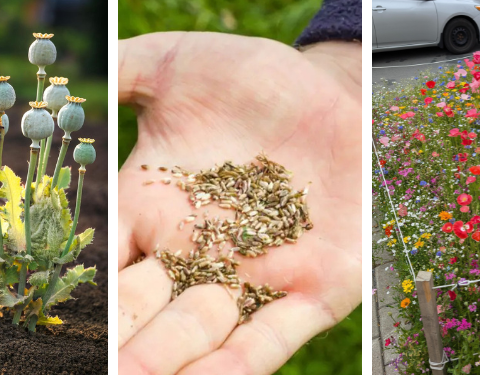
Purchasing seeds is significantly cheaper than buying fully grown plants.
How to Do It:
- Buy bulk seed packets or trade seeds with other gardeners.
- Save seeds from fruits and vegetables you already eat.
- Start seeds indoors in egg cartons or yogurt cups before transplanting.
2. Make Your Own Compost
Why It Works:
Compost enriches the soil with nutrients and eliminates the need for expensive fertilizers.
How to Do It:
- Use kitchen scraps like fruit peels, coffee grounds, and eggshells.
- Add yard waste such as leaves and grass clippings.
- Turn your compost pile regularly to speed up decomposition.
3. Collect and Reuse Rainwater
Why It Works:
Rainwater is free and provides a natural, chemical-free irrigation source.
How to Do It:
- Set up rain barrels or buckets under gutters.
- Use recycled containers to collect and store rainwater.
- Water plants in the early morning or late evening to reduce evaporation.
4. Repurpose Household Items as Planters
Why It Works:
Using old containers as plant pots saves money and reduces waste.
How to Do It:
- Use old buckets, tin cans, or wooden crates for planting.
- Convert broken mugs and teapots into decorative planters.
- Drill drainage holes in repurposed containers for proper water flow.
5. Make DIY Organic Fertilizers
Why It Works:
Store-bought fertilizers can be expensive, while homemade versions are free and eco-friendly.
How to Do It:
- Use banana peels to add potassium to the soil.
- Make a compost tea by soaking compost in water for 24 hours.
- Sprinkle crushed eggshells around plants to boost calcium levels.
6. Grow Perennials Instead of Annuals
Why It Works:
Perennial plants return year after year, saving money on replanting.
Best Budget-Friendly Perennials:
- Herbs like rosemary, thyme, and mint.
- Vegetables such as asparagus and rhubarb.
- Flowers like daylilies and lavender.
7. Share and Swap Plants with Other Gardeners
Why It Works:
Trading plants allows you to diversify your garden at no cost.
How to Do It:
- Join community gardening groups or Facebook plant swap pages.
- Organize a local plant exchange with neighbors.
- Share cuttings and seeds with fellow gardeners.
8. Utilize Mulch to Retain Moisture
Why It Works:
Mulching reduces water evaporation and suppresses weeds, cutting down on watering and maintenance costs.
How to Do It:
- Use shredded leaves, straw, or grass clippings as mulch.
- Apply a 2-3 inch layer around plants, keeping mulch away from stems.
- Refresh mulch seasonally for best results.
9. Regrow Kitchen Scraps
Why It Works:
Many vegetables can regrow from kitchen scraps, providing an endless supply of produce.
How to Do It:
- Place green onion roots in a glass of water and watch them regrow.
- Regrow lettuce, celery, and carrots by placing the base in water.
- Plant sprouted potatoes and garlic cloves directly in the soil.
10. Use Coffee Grounds for Pest Control
Why It Works:
Coffee grounds repel pests and add nitrogen to the soil.
How to Do It:
- Sprinkle used coffee grounds around plant bases.
- Mix with compost for extra organic matter.
- Use as a barrier to deter slugs and snails.
11. Practice Companion Planting
Why It Works:
Companion planting maximizes space, improves plant health, and reduces pest problems.
Best Companion Planting Combos:
- Tomatoes & Basil – Basil enhances tomato flavor and repels insects.
- Carrots & Onions – Onions deter carrot flies.
- Beans & Corn – Beans fix nitrogen, benefiting corn growth.
12. Grow Vertically to Save Space
Why It Works:
Vertical gardening allows you to grow more food in a small area.
How to Do It:
- Use trellises for climbing plants like peas, cucumbers, and beans.
- Hang baskets for strawberries and herbs.
- Stack planters to create a tiered garden setup.
13. Use Newspaper or Cardboard to Suppress Weeds
Why It Works:
These materials act as natural weed barriers and decompose over time, enriching the soil.
How to Do It:
- Lay down wet newspaper or cardboard in garden beds.
- Cover with mulch to keep weeds from growing.
- Water regularly to speed up decomposition.
14. Make a DIY Greenhouse with Plastic Bottles
Why It Works:
A greenhouse extends the growing season and protects plants from harsh weather.
How to Do It:
- Cut large plastic bottles and place them over seedlings.
- Use a wooden frame covered in plastic sheeting for larger setups.
- Trap heat using old windows to build a cold frame.
15. Harvest Rainwater with DIY Gutter Systems
Why It Works:
Using rainwater reduces your water bill and provides plants with untreated water.
How to Do It:
- Attach gutters to sheds or patios to direct water into barrels.
- Use gravity-fed drip systems for efficient watering.
- Store collected rainwater in covered containers to prevent mosquitoes.
Gardening on a budget is completely achievable with a little resourcefulness and creativity.
By recycling household items, making your own fertilizers, and utilizing natural gardening methods, you can enjoy a lush, productive garden without spending a fortune.
🌱 What are your favorite budget gardening hacks? Share your tips in the comments below! 🌿