Indoor houseplants have become a beloved trend among gardeners and homeowners, and for good reason.
They bring beauty, fragrance, and year-round color into our living spaces, enhancing the ambiance of any room.
From lush foliage to exotic flowers, houseplants also offer benefits like improved air quality and stress reduction.
However, one of the biggest challenges many indoor plants face is a lack of natural light. Fortunately, there are plenty of tropical houseplants that not only survive but thrive in low-light environments.
Whether you’re a beginner gardener or a seasoned plant enthusiast, these 15 tropical indoor plants are perfect for brightening up your home—even in shaded corners or low-sunlight rooms.
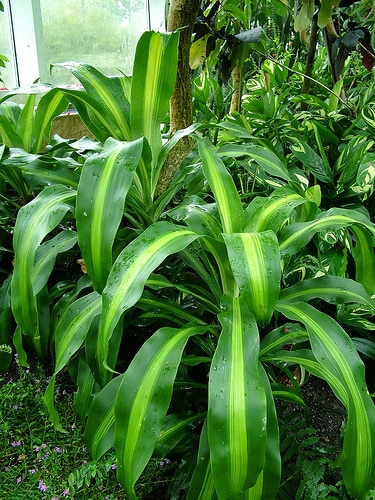
1. Dracaena Corn Plant (Dracaena fragrans)
The Corn Plant is a hardy, low-maintenance tropical houseplant ideal for beginners. It features a thick, woody cane and long, arching green leaves that resemble corn stalks.
This plant is known for tolerating lower light conditions and can grow over four feet tall indoors.
Occasionally, mature plants may produce fragrant white flowers under the right conditions, though this is rare indoors.
It prefers moist but not soggy soil and only needs watering when the top inch of soil feels dry.
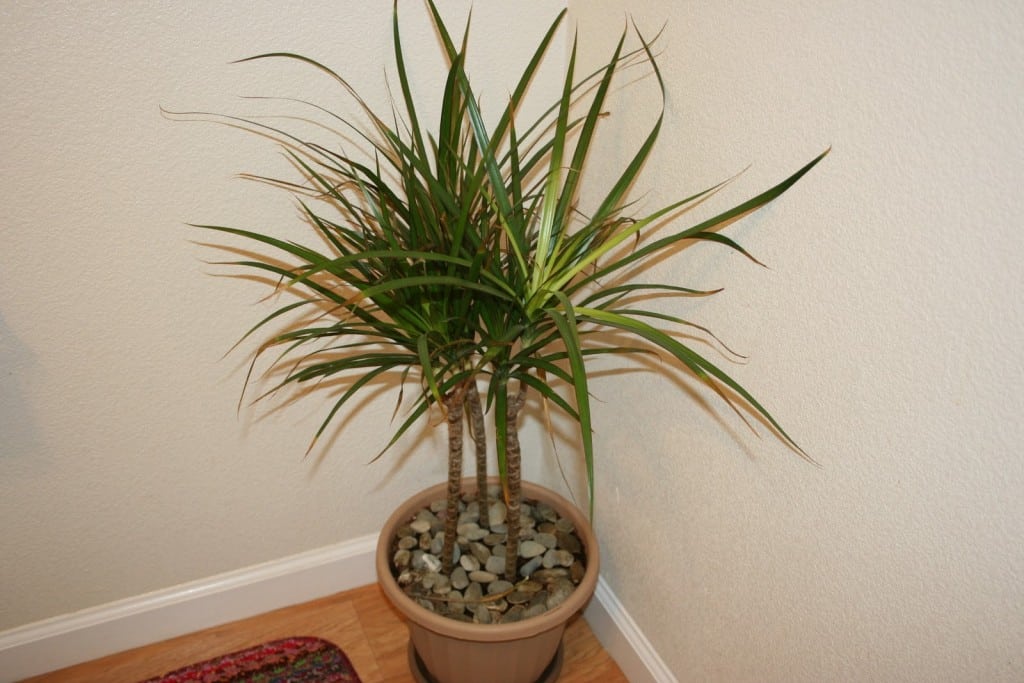
2. Dragon Tree (Dracaena marginata)
The Dragon Tree is a striking houseplant with slender trunks and spiky, sword-like leaves edged in red or purple.
Native to Madagascar, it’s slow-growing and takes years to reach its full height of about five feet.
This plant doesn’t like direct sunlight, which can scorch its leaves, making it ideal for low-light spaces.
It’s incredibly easy to care for, requiring infrequent watering and minimal pruning.
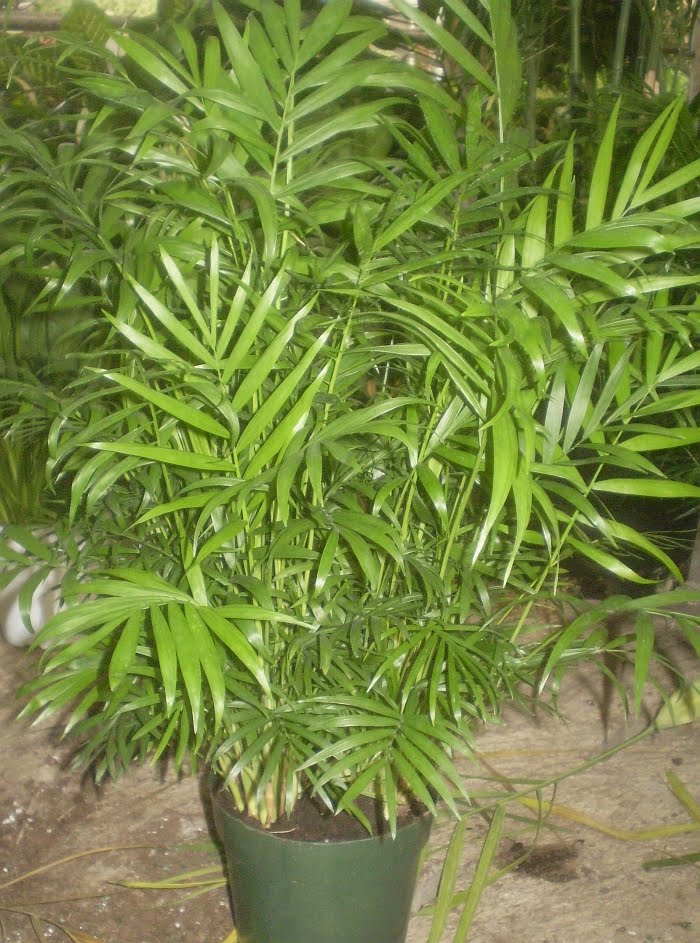
3. Parlor Palm (Chamaedorea elegans)
A classic Victorian-era favorite, the Parlor Palm remains popular for its feathery fronds and ability to tolerate low light and neglect.
This plant grows slowly and typically reaches about three feet in height indoors. It thrives in medium to low light and prefers evenly moist soil, though it can withstand brief periods of dryness.
It’s also one of the few palms that do well without full sun, making it perfect for offices or dim rooms.
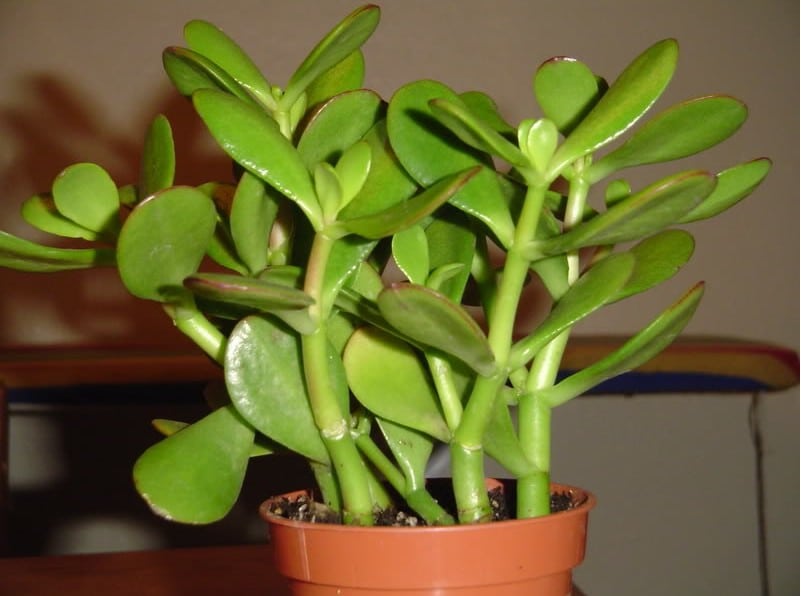
4. Jade Plant (Crassula ovata)
Jade plants are not only beautiful but are also thought to bring good luck and prosperity. This succulent has thick, glossy, oval-shaped leaves that store water, making it very drought-tolerant.
While it does best in bright, indirect sunlight, it can also adapt to lower light conditions. Be cautious with watering—too much moisture can cause root rot.
A pot with good drainage and light watering only when the soil is dry are key to keeping this plant healthy.
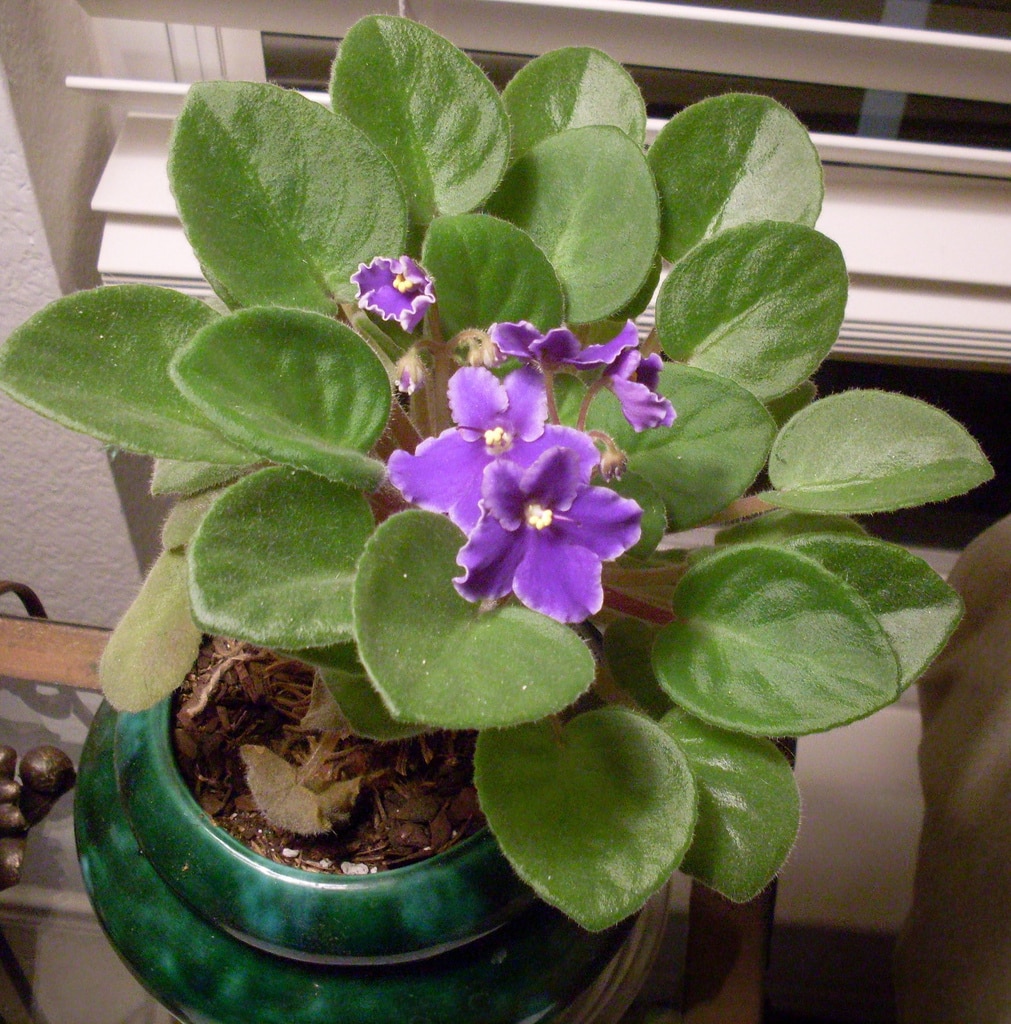
5. African Violet (Saintpaulia ionantha)
African Violets are compact flowering houseplants that add vibrant color to indoor spaces. They bloom in shades of purple, pink, white, and blue, often year-round with the right care.
These plants prefer bright, indirect light but can adapt to fluorescent lighting, making them suitable for offices or rooms with limited sunlight.
Keep the soil consistently moist and avoid getting water on the leaves, which can cause spotting.
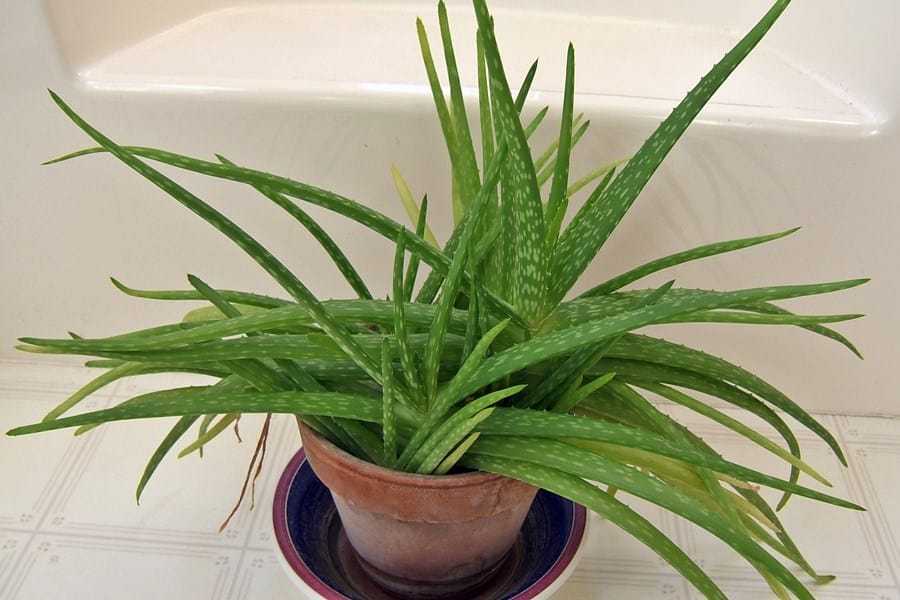
6. Aloe Vera (Aloe barbadensis miller)
Known for its medicinal properties and air-purifying abilities, Aloe Vera is a popular indoor succulent.
Its fleshy, spiked leaves store water, making it well-suited for dry indoor conditions. Aloe thrives in indirect light and doesn’t need frequent watering—once every 2–3 weeks is usually enough.
Place it near a window where it can get filtered sunlight, and avoid overwatering, as the roots are prone to rot.
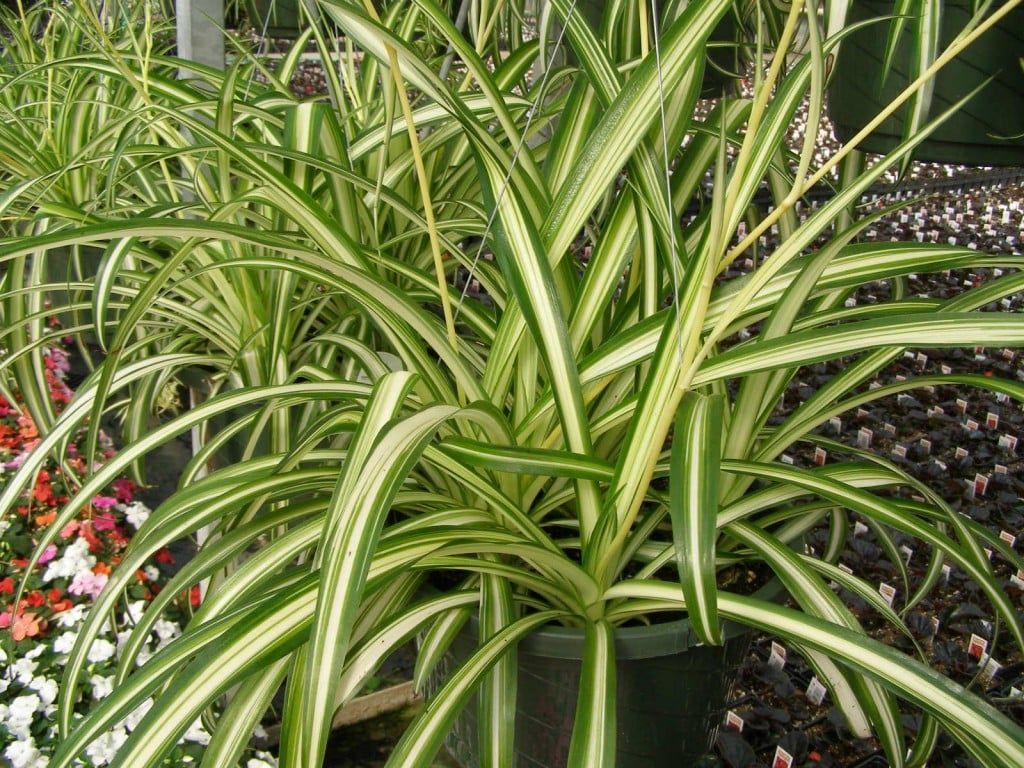
7. Spider Plant (Chlorophytum comosum)
The Spider Plant is one of the easiest and most adaptable houseplants to grow. It thrives in indirect light and tolerates occasional neglect.
Its long, arching green-and-white striped leaves and baby “spiderettes” make it attractive in hanging baskets or on shelves.
Keep the soil lightly moist during the growing season and reduce watering in winter. Trim dead leaves regularly to encourage fresh, healthy growth.
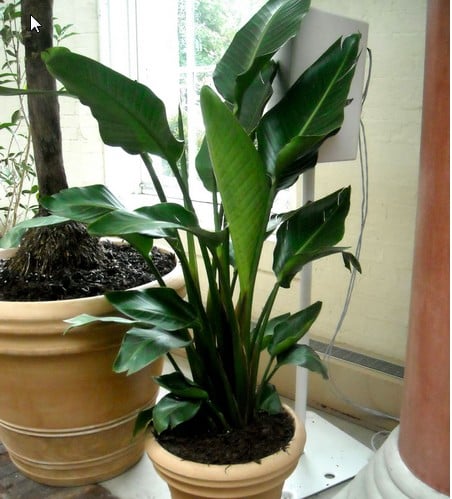
8. Bird of Paradise (Strelitzia reginae or S. nicolai)
This tropical beauty brings a bold, exotic feel to interiors with its large, banana-like leaves.
Although it takes a few years to bloom indoors, the iconic orange and blue flowers are worth the wait. For best results, grow Strelitzia reginae, the variety suitable for indoor settings.
It prefers bright, indirect light and requires consistent watering and monthly feeding during the growing season. Be patient—it can take up to three years to flower.
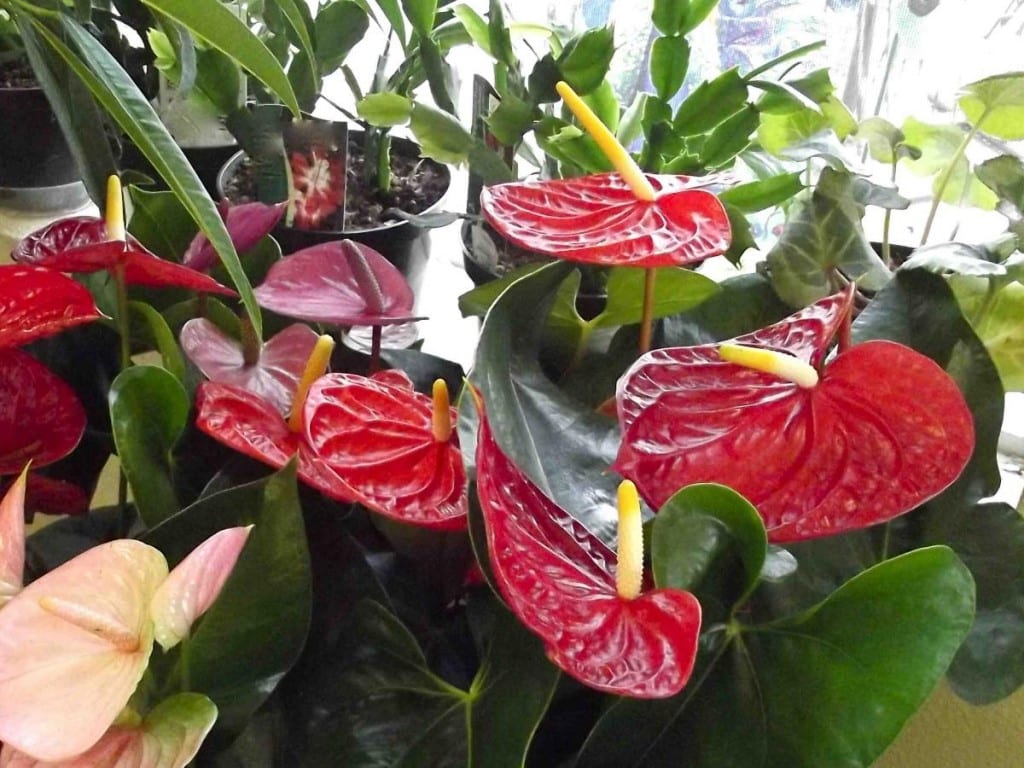
9. Anthurium (Anthurium andraeanum)
Anthuriums are prized for their glossy heart-shaped leaves and long-lasting, colorful spathes that resemble flowers.
These plants prefer moderate, indirect light and humid conditions. They need consistently moist (but not soggy) soil and warm temperatures—never below 60°F.
While they can be a bit more demanding than other houseplants, their bold look and bright red or pink blooms make them well worth the effort.
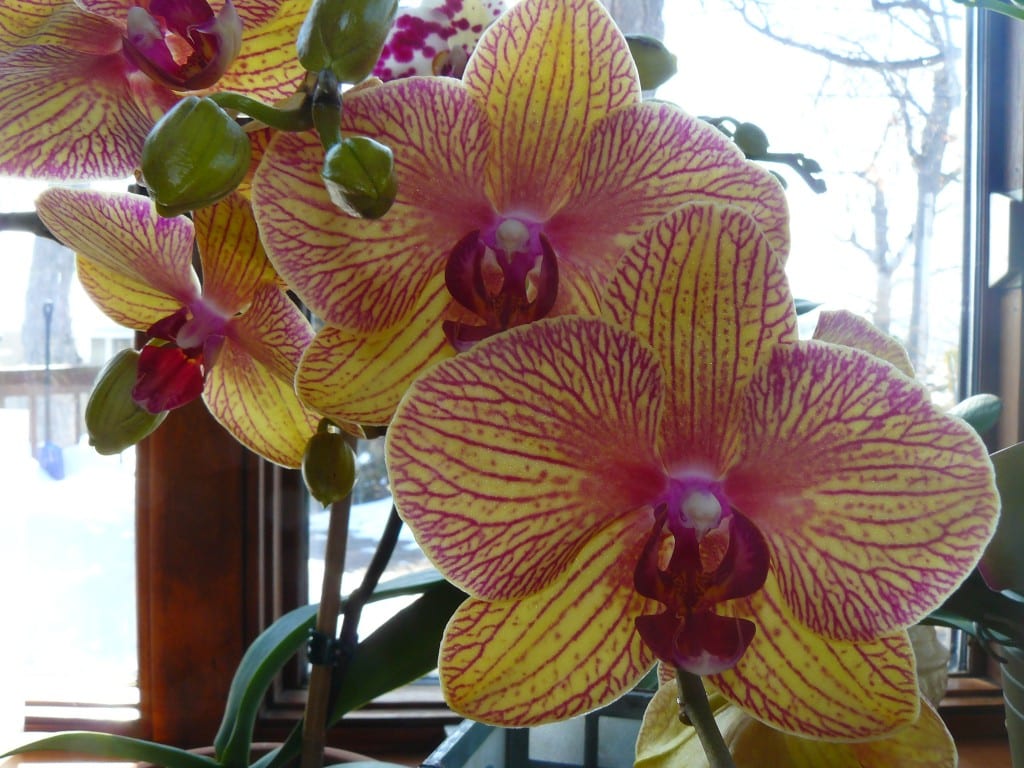
10. Orchids (Phalaenopsis and others)
Orchids bring elegance and exotic beauty into the home. With hundreds of varieties available, choosing one is often the hardest part.
Phalaenopsis orchids are among the easiest to grow indoors. They thrive in bright, filtered light and warm, humid conditions.
Orchids prefer well-draining orchid mix and require watering once a week. Repot only after the first bloom cycle and keep temperatures above 60°F for healthy growth.
11. White Bat Flower (Tacca integrifolia)
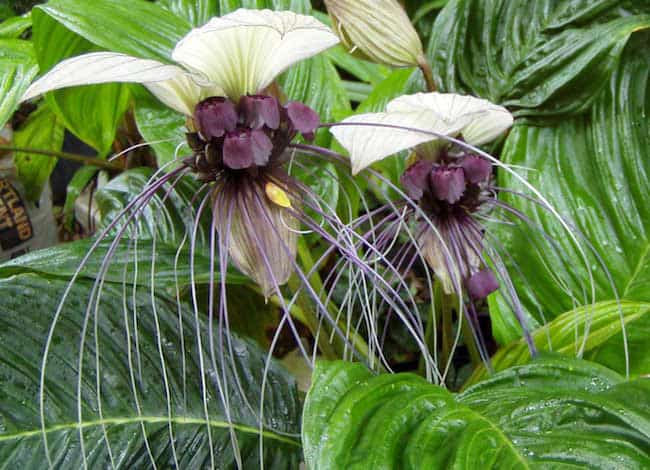
For those looking for a show-stopping indoor plant, the White Bat Flower offers otherworldly beauty.
Its large, wing-like white petals and whisker-like filaments resemble a bat or dove in flight. Native to tropical Asia, it requires high humidity, warm temperatures, and filtered light.
The blooms can grow up to 12 inches wide and are sure to be a conversation starter.
12. Night Blooming Jasmine (Cestrum nocturnum)
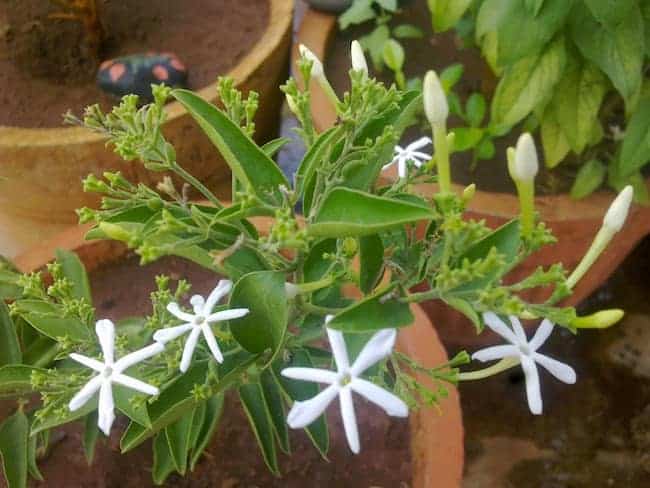
This tropical shrub is best known for its intoxicating fragrance, released only at night. Native to the West Indies, it produces small greenish-white flowers that emit a sweet, romantic scent after sunset.
It thrives in sunny indoor spots or bright patios and prefers regular watering. It’s well-suited for container growth and makes an excellent indoor evening plant in colder climates.
13. Zebra Plant (Aphelandra squarrosa)
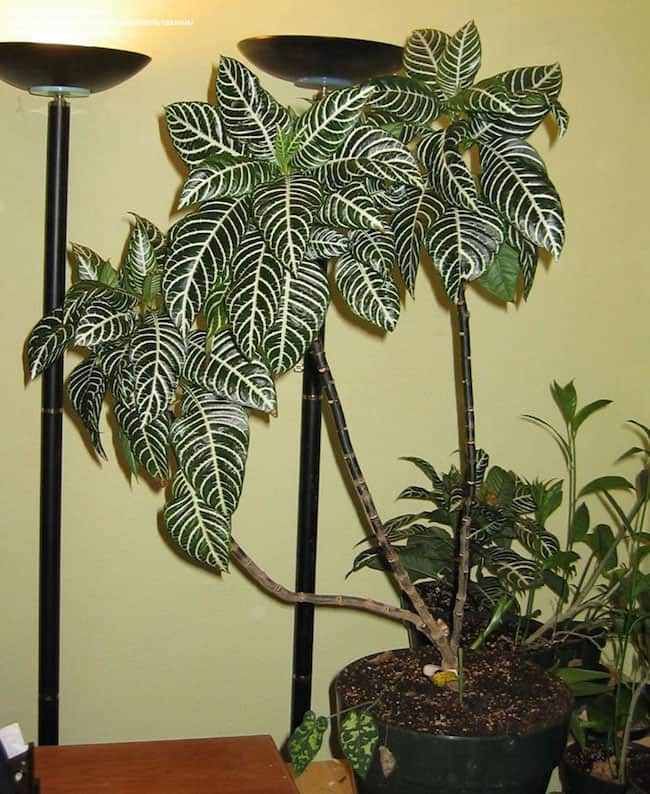
Named for its striking dark green leaves with bright white stripes, the Zebra Plant adds bold texture and interest indoors. In autumn, it can produce bright yellow flower bracts that last for several weeks.
Native to the Brazilian rainforest, it needs high humidity and moderate, indirect light. Keep the soil evenly moist and avoid drafts or temperature fluctuations.
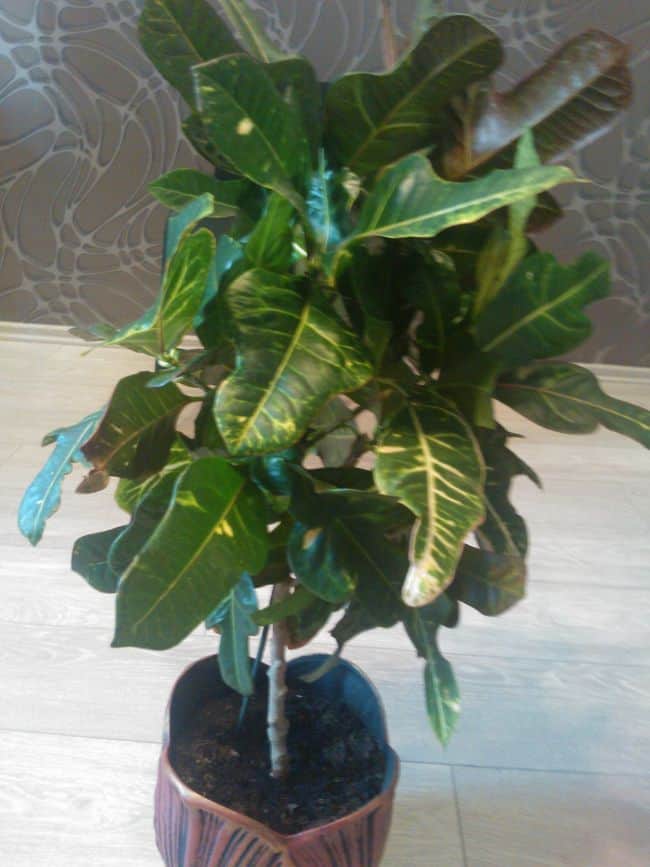
14. Croton (Codiaeum variegatum)
Crotons are known for their vibrant, multi-colored leaves in hues of red, orange, yellow, and green. These tropical stunners add a burst of color to indoor spaces.
They prefer bright light to maintain their bold colors but can tolerate lower light levels.
Crotons like warm, humid environments and regular watering, though the soil should be allowed to dry slightly between waterings.
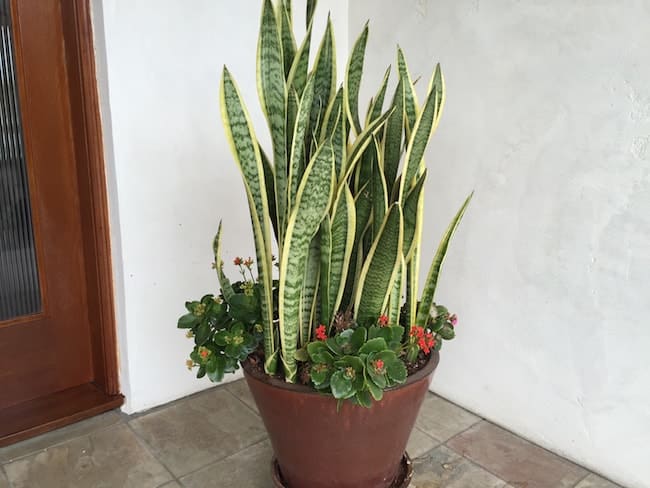
15. Mother-in-Law’s Tongue (Sansevieria trifasciata)
Also called Snake Plant, this nearly indestructible houseplant is perfect for beginners and low-light homes.
It has upright, sword-shaped leaves in shades of green with silver or yellow edges.
Snake plants tolerate dry air, infrequent watering, and poor lighting conditions better than most houseplants.
It also purifies indoor air and thrives on neglect, making it an ideal plant for busy lifestyles or shady rooms.
Tropical houseplants bring vibrant energy, lush foliage, and even exotic flowers into your home. Many of them are surprisingly well-suited for indoor environments, especially those with limited natural light.
Whether you want a low-maintenance option like the Snake Plant or a striking bloomer like the White Bat Flower, there’s a perfect tropical plant for every space and skill level.
With the right care—appropriate light, proper watering, and occasional feeding—these 15 tropical houseplants can flourish indoors and provide year-round beauty and enjoyment.
From bedrooms to bathrooms and living rooms to offices, they’re sure to breathe life and color into your home.